
The Alphabet Writing Practice Worksheets A are designed specifically for early learners, typically in preschool to kindergarten, focusing on developing fine motor skills and letter recognition. These worksheets provide a structured approach to help young students practice writing the alphabet in both uppercase and lowercase letters. With easy-to-follow layouts, these worksheets allow children to work independently, making them ideal for classroom settings or homeschooling environments.
Understanding the Layout and Design
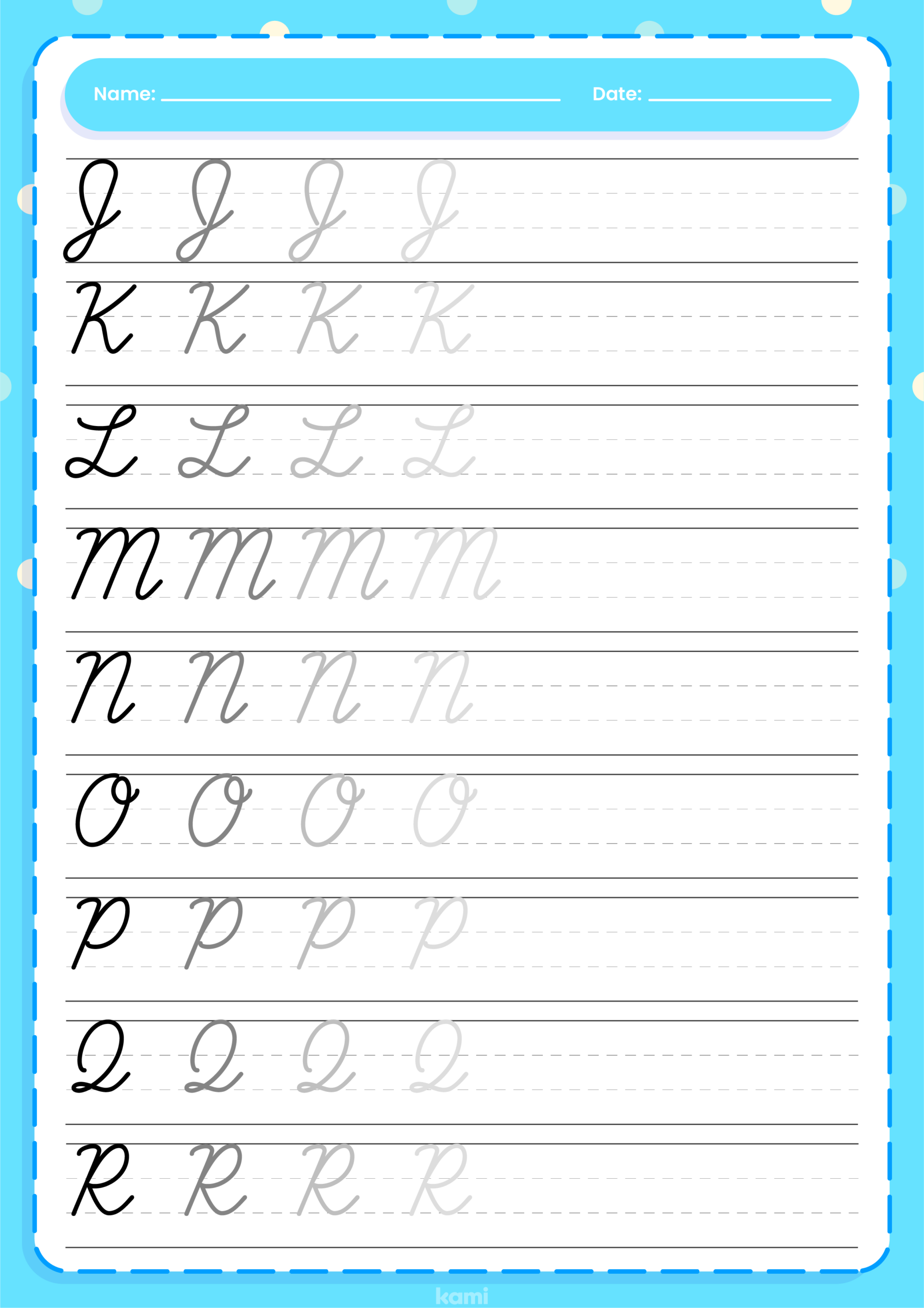
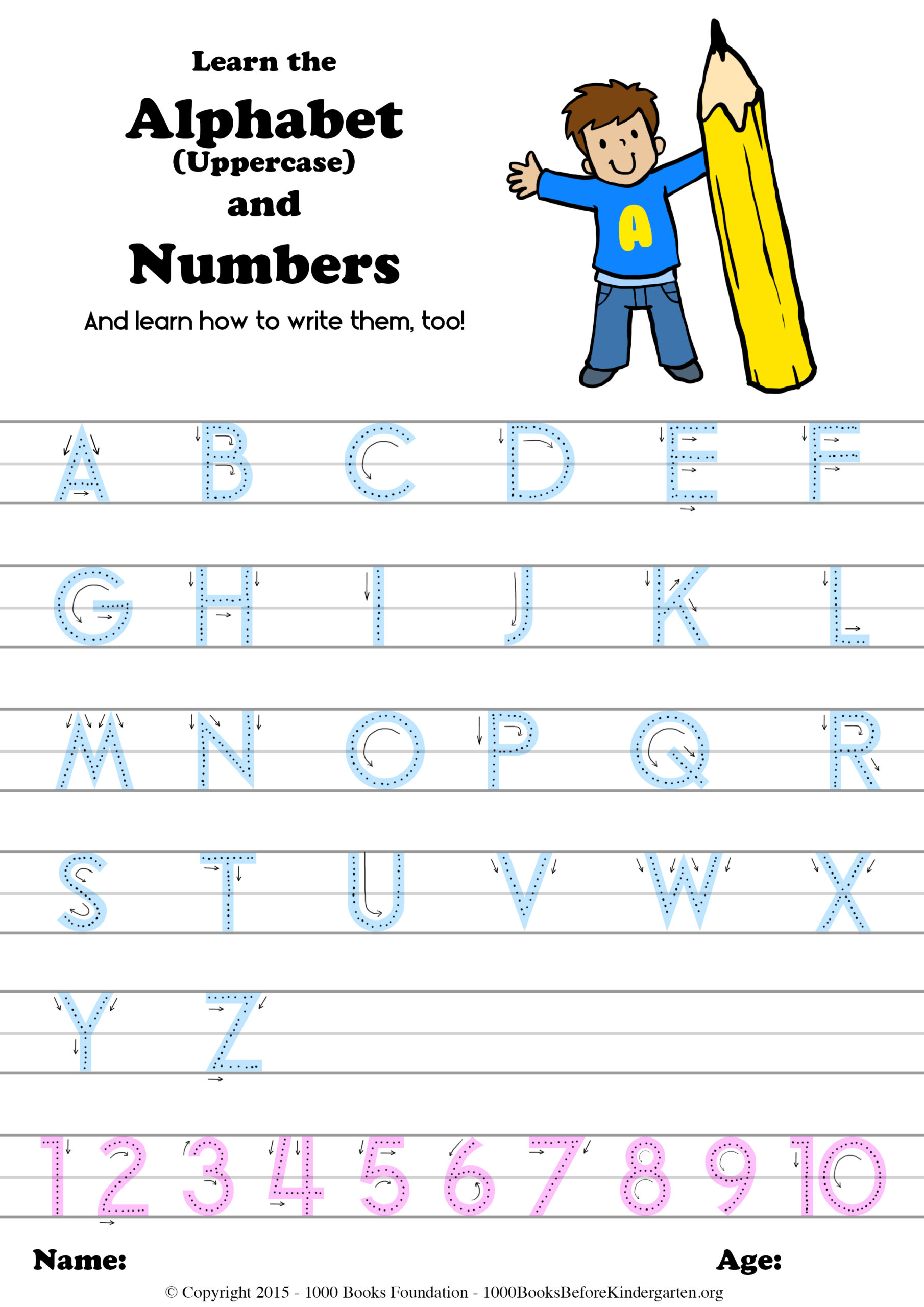
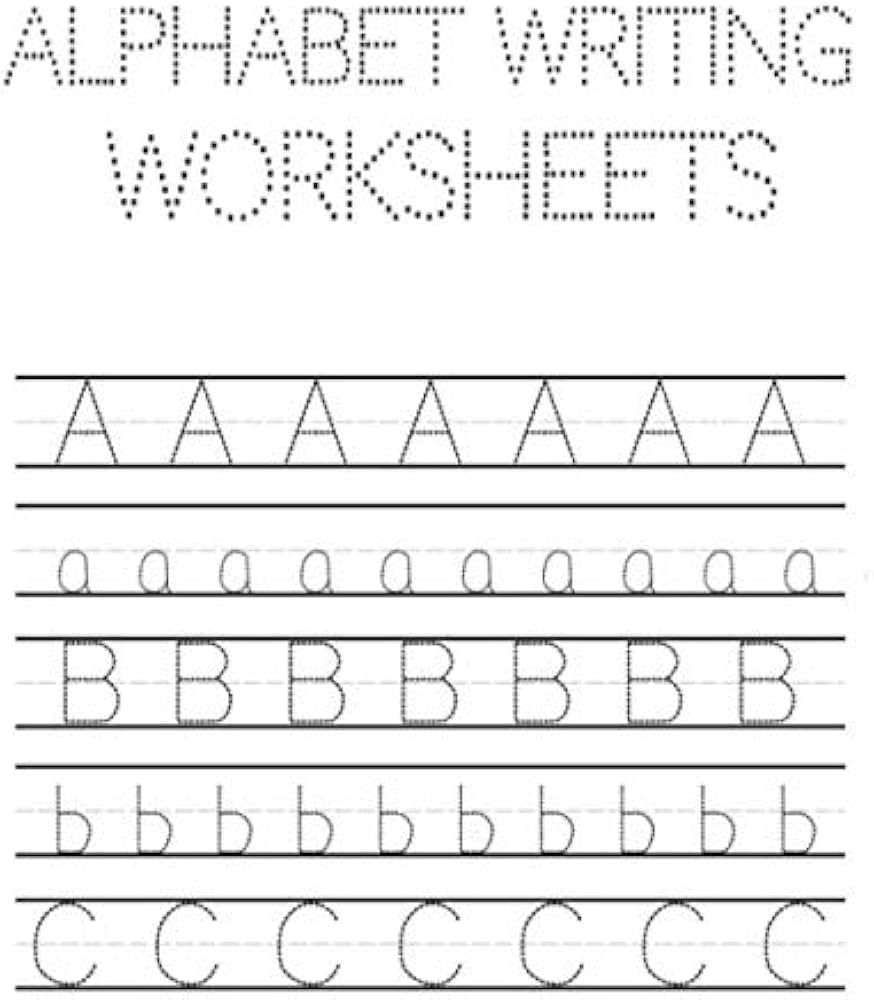
The design of the Alphabet Writing Practice Worksheets A is user-friendly, ensuring that children can navigate them with minimal assistance. Each worksheet typically features a clear title at the top, indicating the specific letter being practiced. Below the title, you often find a large, dotted version of the letter, both uppercase and lowercase, which serves as a guide for students.
Additionally, the worksheets are formatted to include multiple lines for practice, allowing children to trace the letters before attempting to write them freehand. This tracing feature is crucial as it builds confidence and reinforces muscle memory. The use of dotted lines helps children understand the correct formation of each letter, making it easier to replicate the shapes accurately.
Features of the Worksheets
The Alphabet Writing Practice Worksheets A come with several key features that enhance their effectiveness:
- Traceable Letters: Each worksheet includes letters that children can trace over, which aids in developing their handwriting skills.
- Visual Aids: Some worksheets may include images associated with the letter, reinforcing letter recognition and phonics.
- Variety of Activities: In addition to tracing, some worksheets may include activities such as coloring or matching letters with pictures, making learning more engaging.
- Clear Instructions: Each worksheet typically has simple instructions, allowing children to understand what they need to do without requiring constant supervision.
These features not only make the learning process enjoyable but also support different learning styles. Visual learners benefit from the images, while kinesthetic learners can engage through writing and coloring.
Age and Grade Level Suitability
These worksheets are primarily geared toward preschool and kindergarten-aged children, typically ages 4 to 6. At this stage, children are developing their fine motor skills and beginning to understand the connection between letters and sounds. The Alphabet Writing Practice Worksheets A cater to this developmental phase by providing ample practice opportunities.
Teachers can use these worksheets during phonics lessons, language arts classes, or as part of a morning routine to reinforce letter recognition and writing skills. Parents can also implement these resources at home, making them valuable tools for both educational settings and homeschooling.
Using the Worksheets Effectively
To get the most out of the Alphabet Writing Practice Worksheets A, consider the following practical strategies:
- Set a Routine: Encourage children to practice writing a letter each day. Consistency is key to developing their skills.
- Combine with Other Activities: Pair the worksheets with songs or games focused on letters to reinforce learning in a fun way.
- Monitor Progress: Keep track of each child’s progress by collecting completed worksheets. This helps identify letters that may need additional focus.
- Create a Portfolio: Encourage children to save their best work in a portfolio. This not only showcases their progress but also boosts their confidence.
Using these methods, you can create an engaging learning environment that supports the development of essential writing skills.
Printing and Materials
When preparing the Alphabet Writing Practice Worksheets A for use, consider the following tips:
- Paper Type: Standard printer paper works well, but using cardstock can provide durability, especially if the worksheets will be used multiple times or laminated for dry-erase practice.
- Printer Settings: For best results, set your printer to “Best Quality” to ensure the letters are clear and easy to trace.
- Size Options: The worksheets are often formatted to fit standard letter size (8.5 x 11 inches), making them easy to print without special adjustments.
By paying attention to these details, you can ensure that the worksheets are both functional and appealing for young learners.