
Alphabet worksheets for kindergarten S are an essential tool for fostering early literacy skills in young learners. These resources help children recognize letters, understand their sounds, and develop writing abilities. When selecting the right worksheets, it’s crucial to consider age appropriateness, the specific skills to be reinforced, and the overall engagement level of the activities. guide educators and parents in choosing effective alphabet worksheets that can be seamlessly incorporated into daily learning routines.
Understanding the Importance of Alphabet Worksheets
Alphabet worksheets serve multiple purposes in a kindergarten setting. They not only reinforce letter recognition but also introduce phonemic awareness, which is vital for reading development. For instance, worksheets designed around the letter “S” can help children learn to identify the letter, articulate its sound, and practice writing it in both uppercase and lowercase forms.
In a typical classroom or homeschool environment, these worksheets can be used during dedicated literacy sessions or as supplementary materials during other activities. For example, a worksheet focusing on the letter “S” might include tracing exercises, where children can practice writing the letter while simultaneously learning words that start with “S,” such as “sun,” “snake,” and “star.”
Types of Alphabet Worksheets for Kindergarten S
When searching for alphabet worksheets for kindergarten S, consider the variety of formats available. Each type can cater to different learning styles and preferences. Here are some common types:
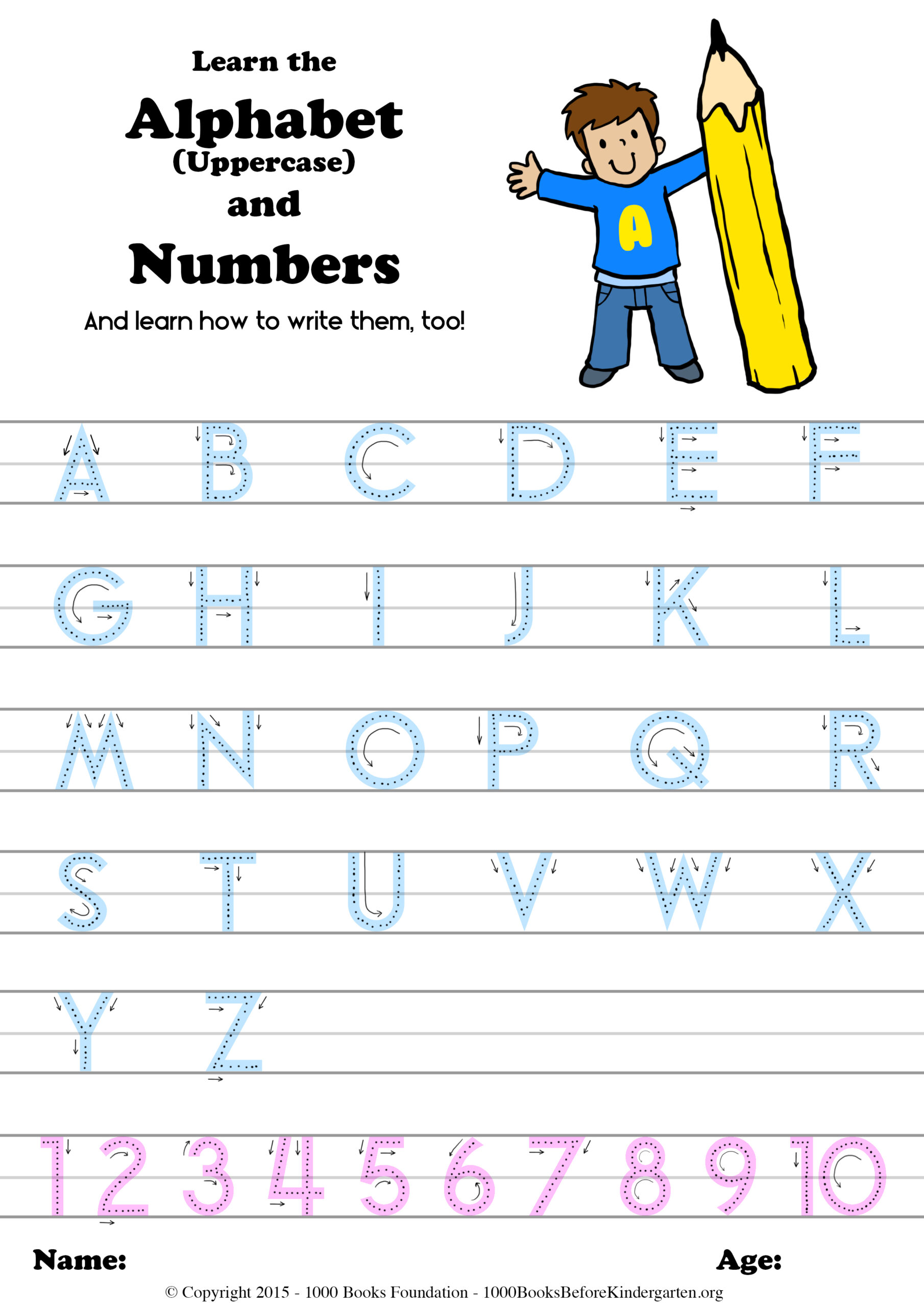
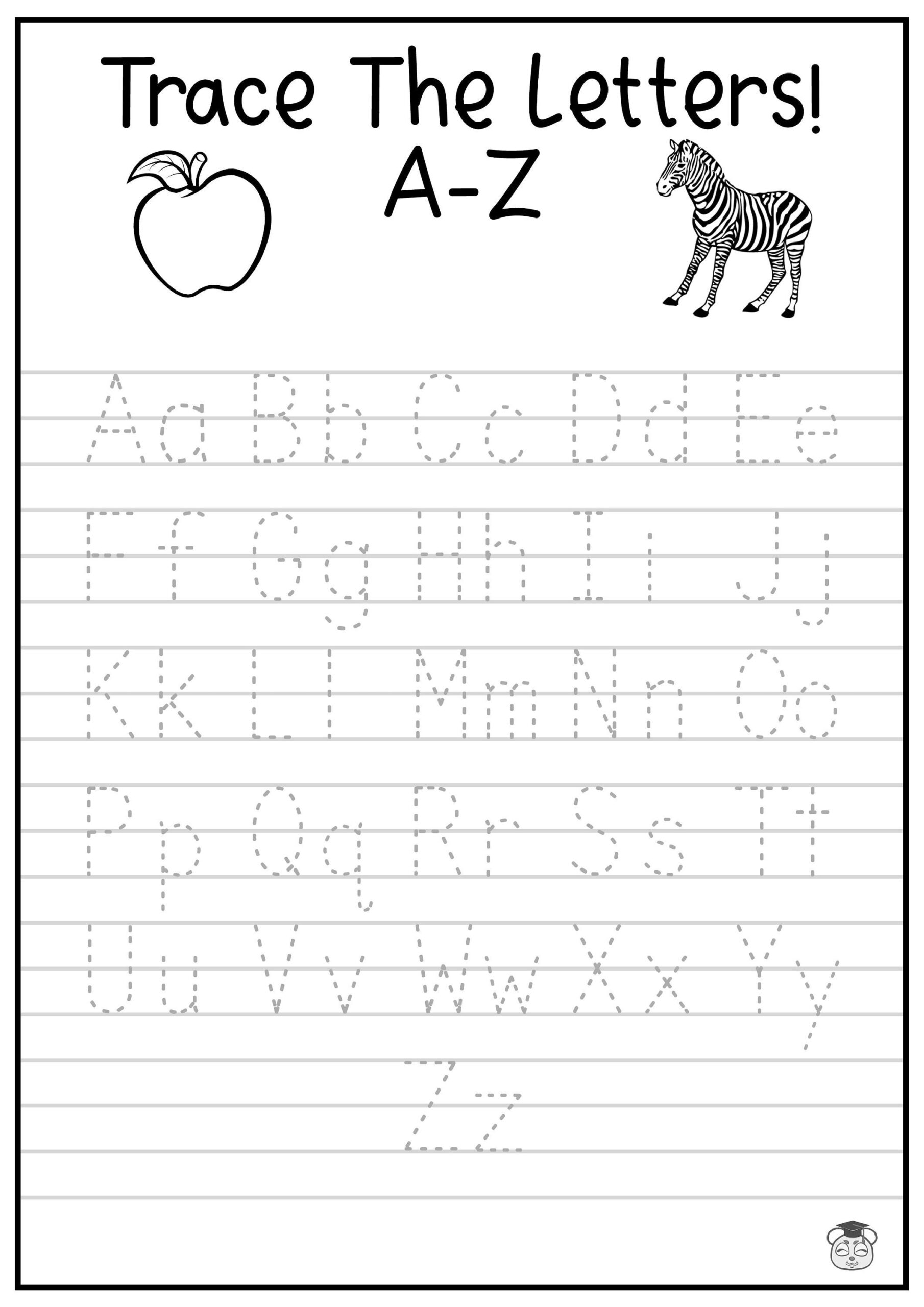
- Tracing Worksheets: These worksheets typically feature dotted letters that children can trace over. This helps with fine motor skills and letter formation.
- Coloring Pages: Incorporating coloring into learning can keep young learners engaged. Worksheets that feature the letter “S” alongside images of objects starting with “S” encourage creativity while reinforcing letter recognition.
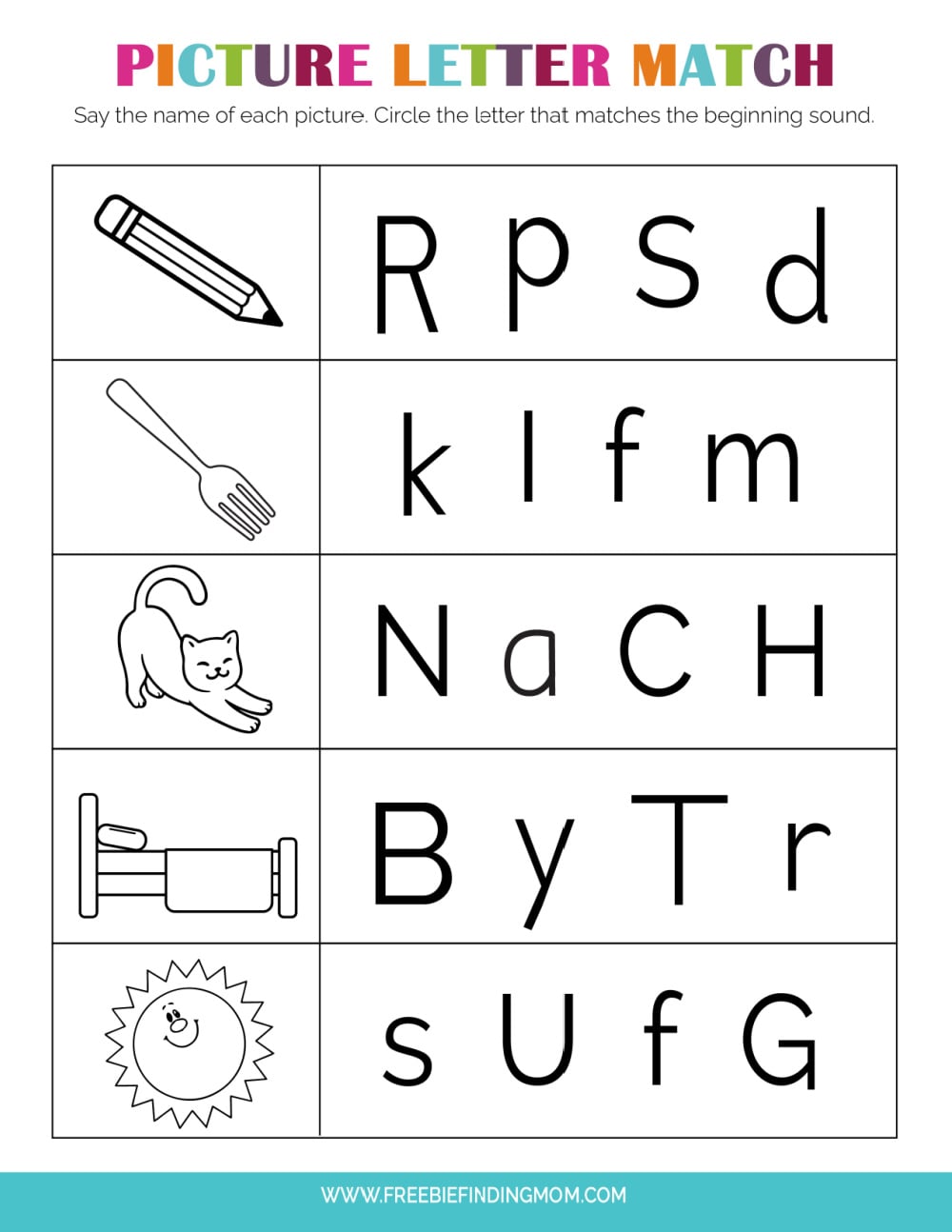
- Matching Activities: These worksheets often involve matching uppercase and lowercase letters or connecting letters to corresponding images. This format promotes critical thinking and visual recognition.
- Fill-in-the-Blank Exercises: Worksheets that ask children to fill in missing letters in words can deepen their understanding of phonics and spelling.
Each type of worksheet can be printed easily and used repeatedly. For instance, tracing worksheets can be laminated and used with dry-erase markers for multiple sessions, making them a cost-effective choice for both classrooms and home use.
Incorporating Worksheets Into Daily Learning
To make the most out of alphabet worksheets for kindergarten S, it’s essential to incorporate them into a structured routine. Here’s how to effectively integrate these resources into daily lessons:
- Daily Letter Focus: Dedicate a specific day each week to focus on a particular letter. On “S” day, introduce the letter through songs, stories, and visual aids, followed by the corresponding worksheets.
- Interactive Learning Stations: Set up learning stations where children can rotate through different activities related to the letter “S.” One station could involve tracing worksheets, while another could focus on coloring or matching tasks.
- Incorporate Technology: If available, use tablets or computers where children can engage with digital versions of alphabet worksheets. Many educational websites offer interactive alphabet games that align with the worksheets.
- Parental Involvement: Encourage parents to participate in the learning process by sending home worksheets for practice. This not only reinforces skills at home but also fosters a supportive learning environment.
- Assessment and Progress Tracking: Use worksheets to assess children’s understanding of the letter “S.” Keep track of their progress by reviewing completed worksheets and offering feedback on their handwriting and letter recognition.
Tips for Choosing the Right Alphabet Worksheets
Selecting the appropriate alphabet worksheets for kindergarten S can significantly impact the effectiveness of the learning process. Here are some tips to consider:
- Age Appropriateness: Ensure that the worksheets are designed for kindergarten-level learners. They should be visually engaging, not overly complex, and designed to hold a child’s attention.
- Variety of Activities: Look for worksheets that offer a mix of activities. This variety keeps children engaged and caters to different learning styles.
- Clear Instructions: Choose worksheets that have straightforward instructions to minimize confusion. This is especially important for young learners who may need guidance on how to complete tasks.
- Printable Quality: Ensure that the worksheets download easily and print well on standard letter-size paper (8.5 x 11 inches). High-quality PDFs are preferable to avoid any formatting issues.
Supporting Skill Development With Alphabet Worksheets
Using alphabet worksheets for kindergarten S not only aids in letter recognition but also supports various developmental skills. As children engage with these resources, they are simultaneously enhancing:
- Fine Motor Skills: Tracing and writing letters improve hand-eye coordination and dexterity.
- Cognitive Skills: Matching and fill-in-the-blank activities foster critical thinking and problem-solving abilities.
- Language Skills: Associating letters with words and sounds builds vocabulary and phonemic awareness.
Incorporating these worksheets into daily learning can create a comprehensive educational experience that promotes overall literacy development.
By focusing on engaging and practical alphabet worksheets for kindergarten S, educators and parents can effectively support early literacy skills. The right resources combined with structured learning activities provide a solid foundation for children’s reading and writing abilities.
To maximize the benefits of these worksheets, consider printing multiple copies of favorites and rotating them throughout the week. This approach ensures continuous learning while keeping activities fresh and engaging for young learners.