
Alphabet worksheets for adults English to Spanish can be an invaluable tool for language learners. These resources not only help in mastering the alphabet but also serve as a bridge to improving vocabulary and overall fluency. If you’re a teacher or a parent looking to assist adult learners in their journey to bilingualism, these worksheets can provide structured practice that is both engaging and effective.
Understanding the Importance of Alphabet Worksheets
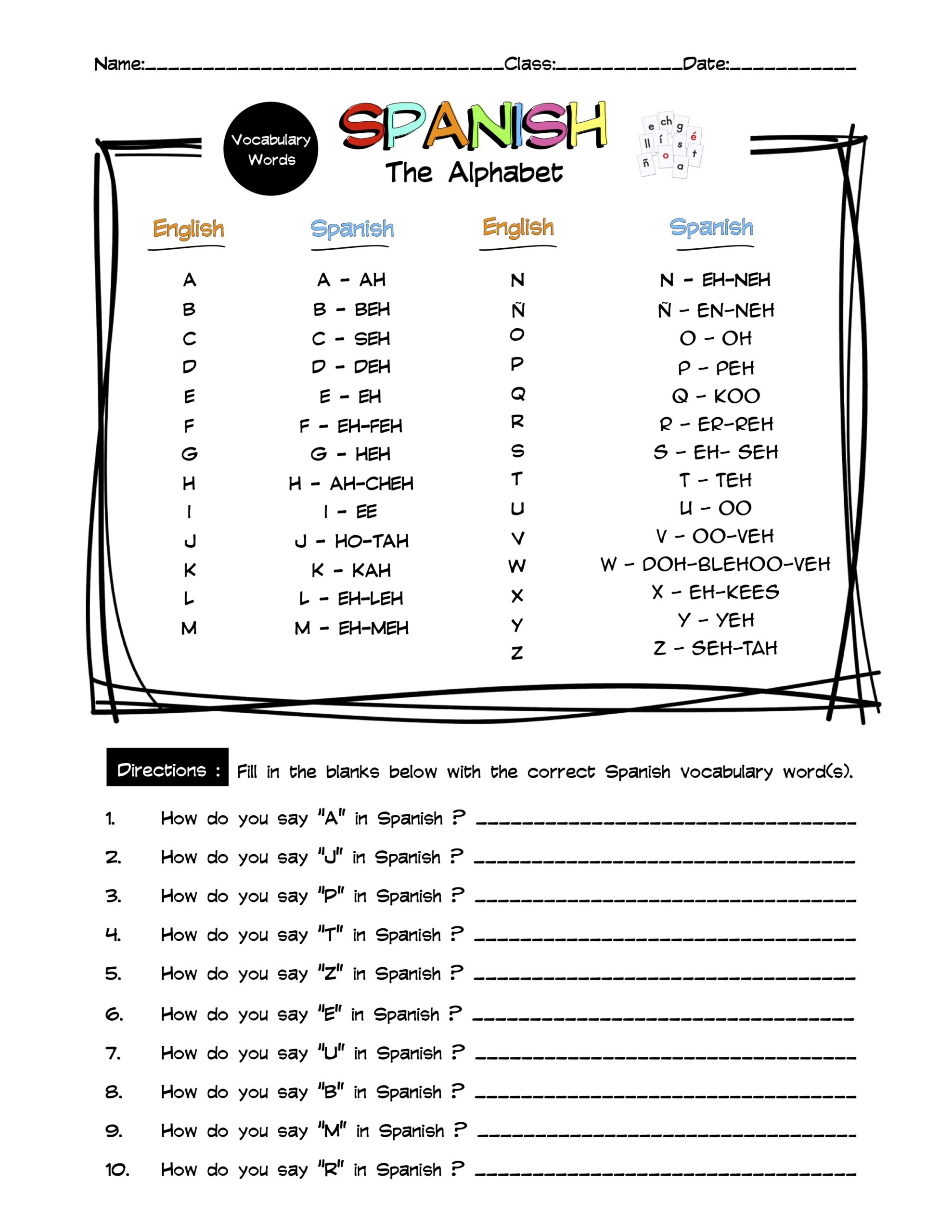
The alphabet is the foundation of any language. For adults learning Spanish, understanding the English alphabet’s correspondence with Spanish letters is crucial. This is especially true for those who may not have had the opportunity to learn Spanish in a classroom setting. Worksheets focused on the alphabet can help reinforce letter recognition, pronunciation, and the basic spelling of words.
When using alphabet worksheets, you’re offering learners a chance to practice in a low-pressure environment. This can be particularly beneficial for adults who may feel intimidated in a traditional classroom setting. The worksheets provide a tangible way to learn at their own pace, making them ideal for both classroom use and self-study at home.
Key Features of Effective Alphabet Worksheets
When selecting or creating alphabet worksheets for adults learning English to Spanish, consider the following key features:
- Bilingual Instructions: Ensure that all instructions are clear and available in both English and Spanish to accommodate varying proficiency levels.
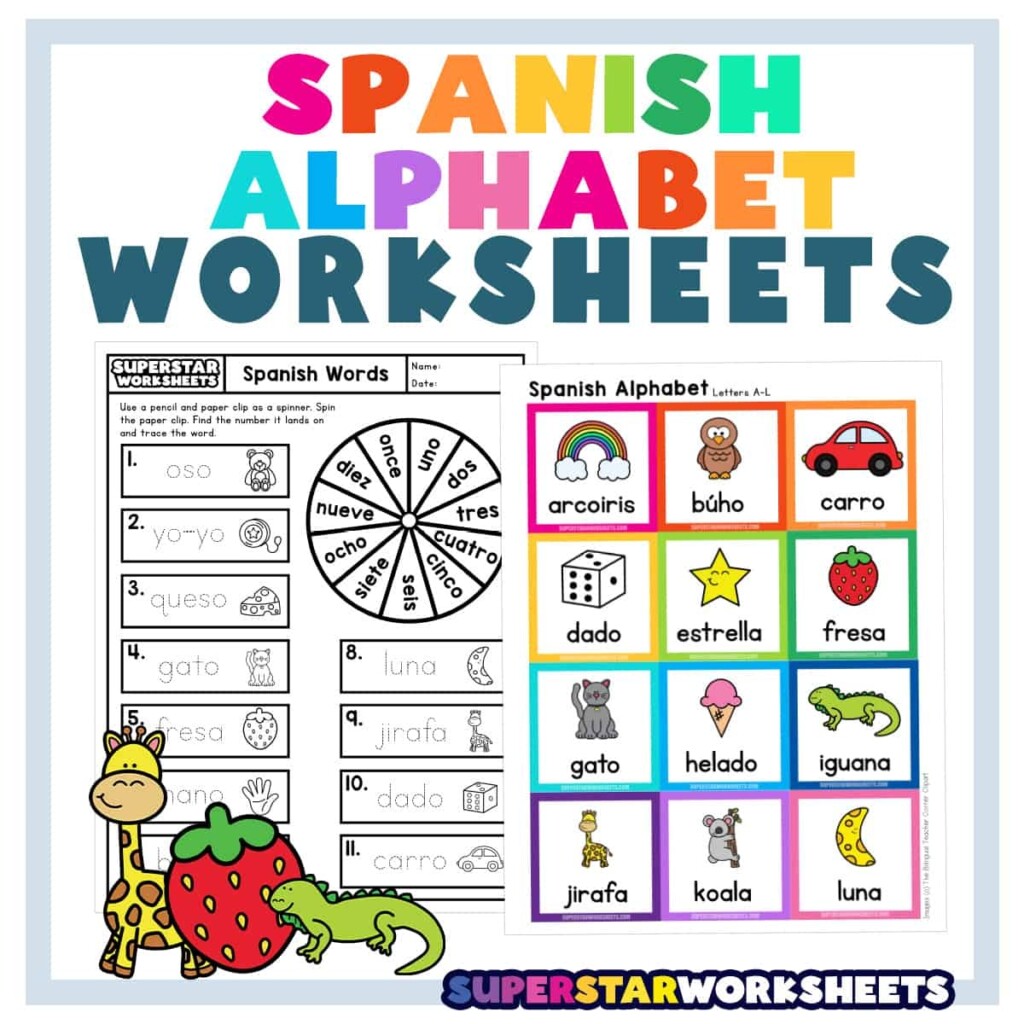
- Visual Aids: Incorporate images that correspond with each letter. For example, “A” for “Árbol” (tree) or “B” for “Casa” (house). This aids in memory retention.
- Phonetic Guidance: Include phonetic spellings to help with pronunciation. Adults often benefit from understanding how letters sound in both languages.
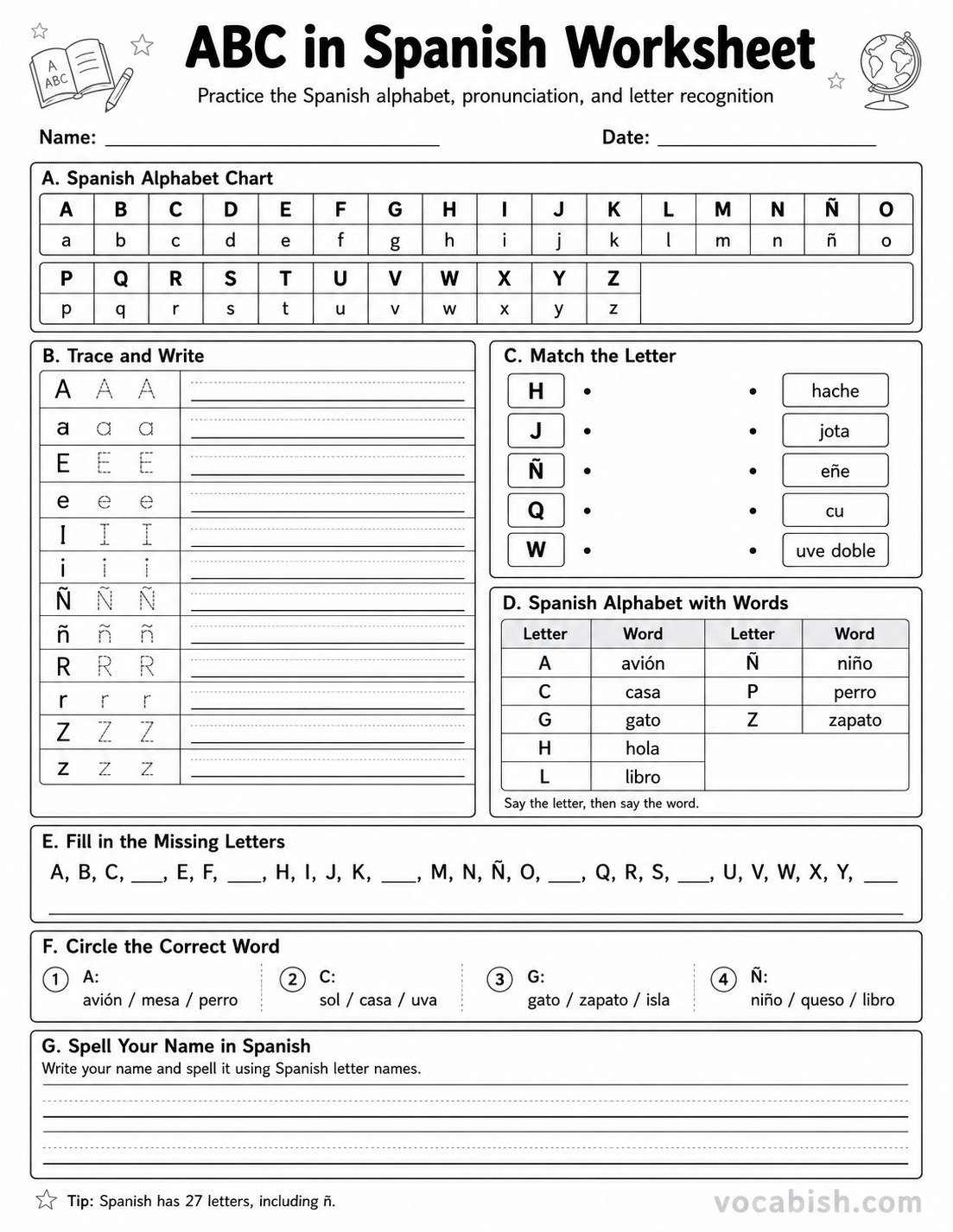
- Engaging Activities: Activities like fill-in-the-blank, matching games, or crossword puzzles can make learning more interactive and enjoyable.
How to Use Alphabet Worksheets Effectively
Using alphabet worksheets effectively involves a few simple strategies that can enhance the learning experience:
- Start with Familiarity: Begin with letters that the learner is already familiar with. This can help build confidence before moving on to more challenging letters or combinations.
- Incorporate Daily Practice: Encourage learners to spend a few minutes each day working on the worksheets. Consistent practice solidifies learning and improves retention.
- Use a Multisensory Approach: Encourage learners to say the letters out loud while tracing them. This engages multiple senses and can aid in memorization.
- Feedback and Reinforcement: Provide positive feedback when learners complete a worksheet. Reinforcing their efforts can motivate them to continue practicing.
- Combine with Other Resources: Pair worksheets with other learning tools, such as language apps or online videos, to create a well-rounded learning experience.
Printable and Downloadable Resources
Many online platforms offer printable and downloadable alphabet worksheets specifically designed for adults learning English to Spanish. Here are a few tips for finding the best resources:
- Check for Quality: Look for worksheets that are well-designed, with clear fonts and engaging graphics. Quality resources can make a significant difference in the learning experience.
- Variety of Formats: Some resources may offer worksheets in PDF format, which are easy to print without formatting issues. Others might provide editable versions for personalized learning experiences.
- Free vs. Paid Options: While many resources are available for free, consider investing in a paid resource if it offers comprehensive materials or additional support, such as answer keys or instructional guides.
Tailoring Worksheets for Different Learning Levels
Adult learners come with a variety of backgrounds and skills. Tailoring worksheets to meet individual needs can enhance their effectiveness. Here are some strategies:
- Beginner Level: For those just starting out, focus on basic letters and simple words. Worksheets that emphasize letter recognition and basic vocabulary will be most beneficial.
- Intermediate Level: As learners progress, introduce more complex activities, such as writing short sentences or using letters to form words in context.
- Advanced Level: Advanced learners can benefit from worksheets that incorporate idiomatic expressions or phrases commonly used in everyday Spanish, enhancing their conversational skills.
By offering a range of worksheets that cater to various skill levels, you can ensure that each learner receives the appropriate level of challenge and support.