
The layout of the Alphabet In English With Sounds Tracing Worksheets is specifically designed to cater to young learners who are beginning their journey into reading and writing. Typically formatted as 8.5 x 11-inch pages, these worksheets provide ample space for children to practice tracing letters while associating them with their corresponding sounds.
Understanding the Structure of the Worksheets
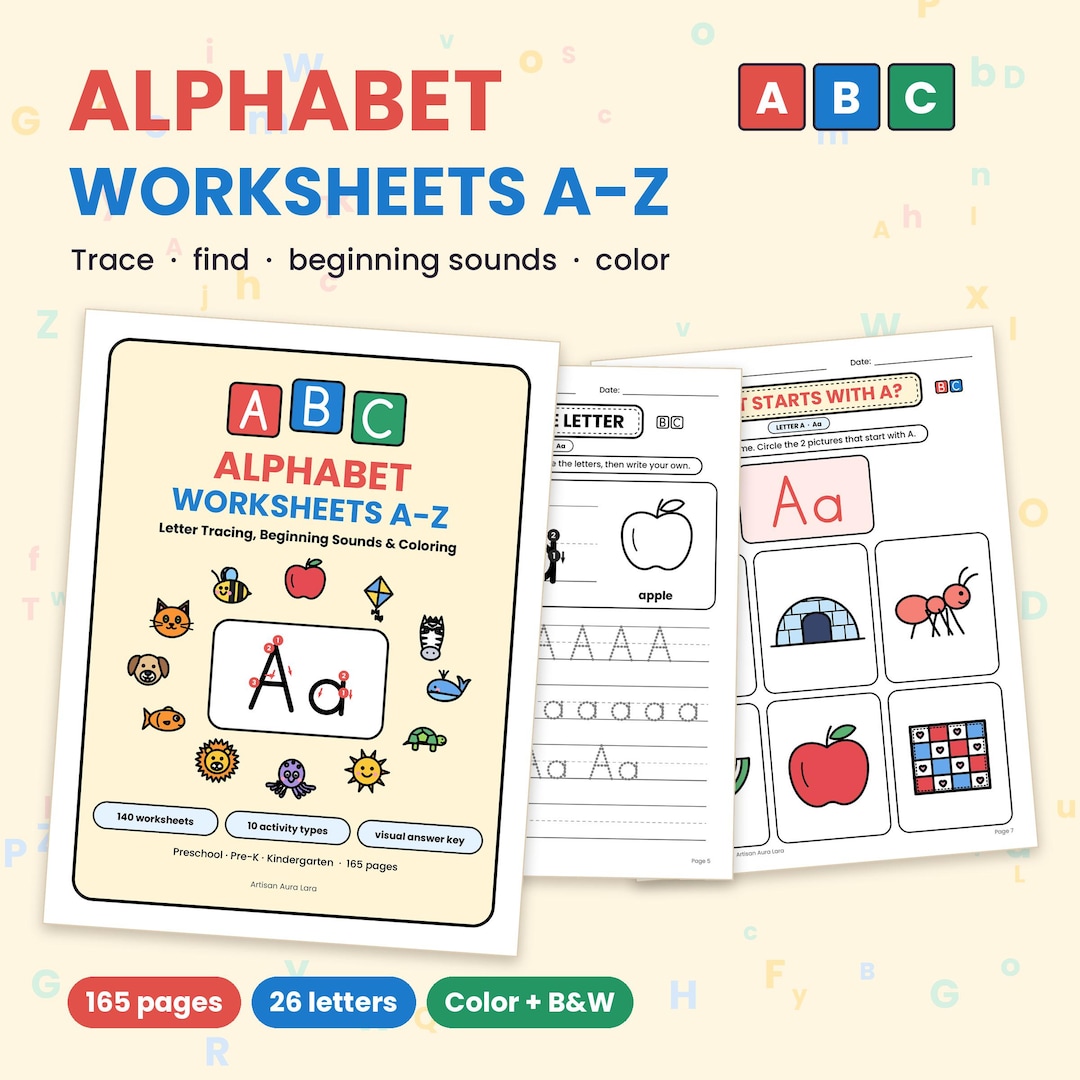
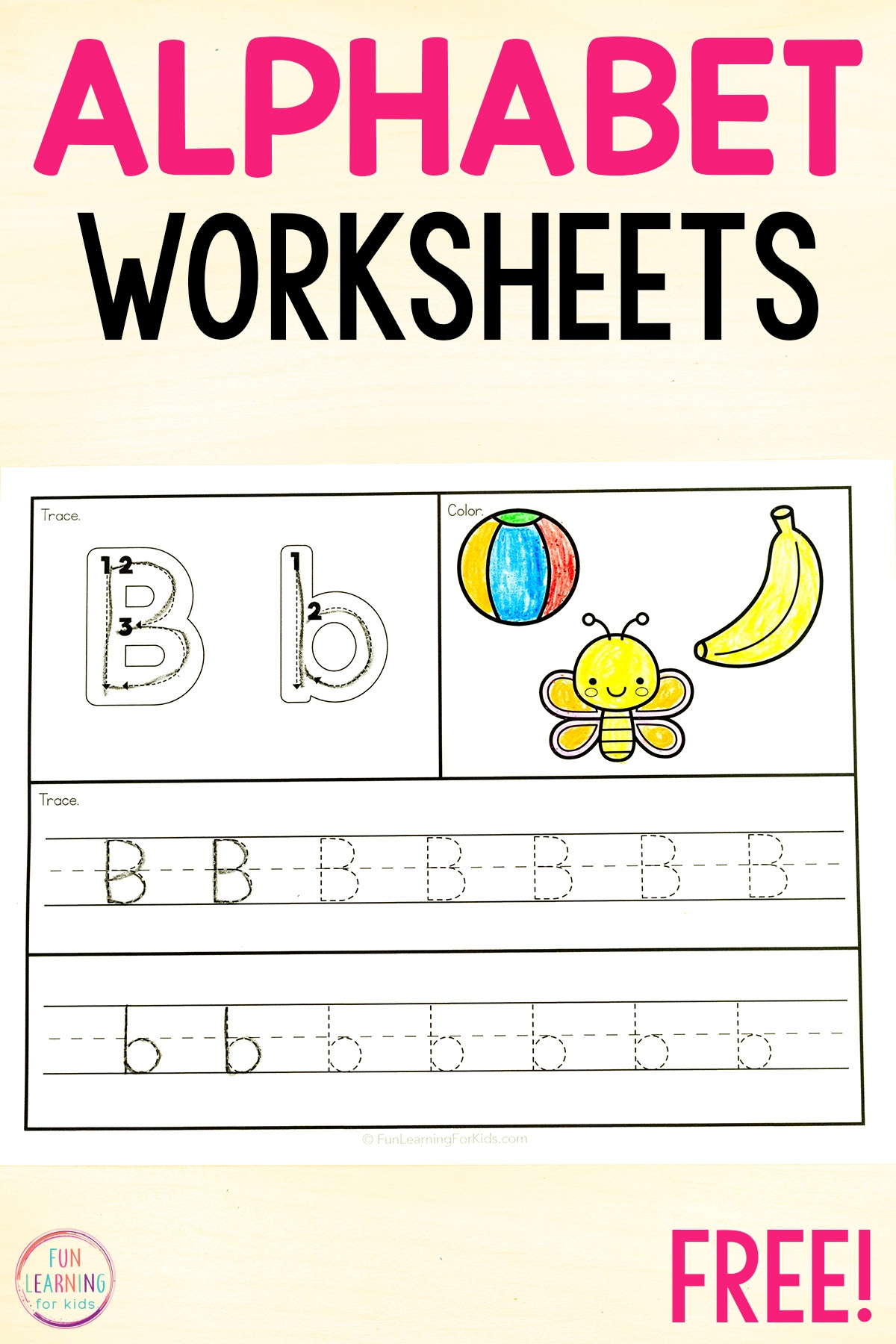
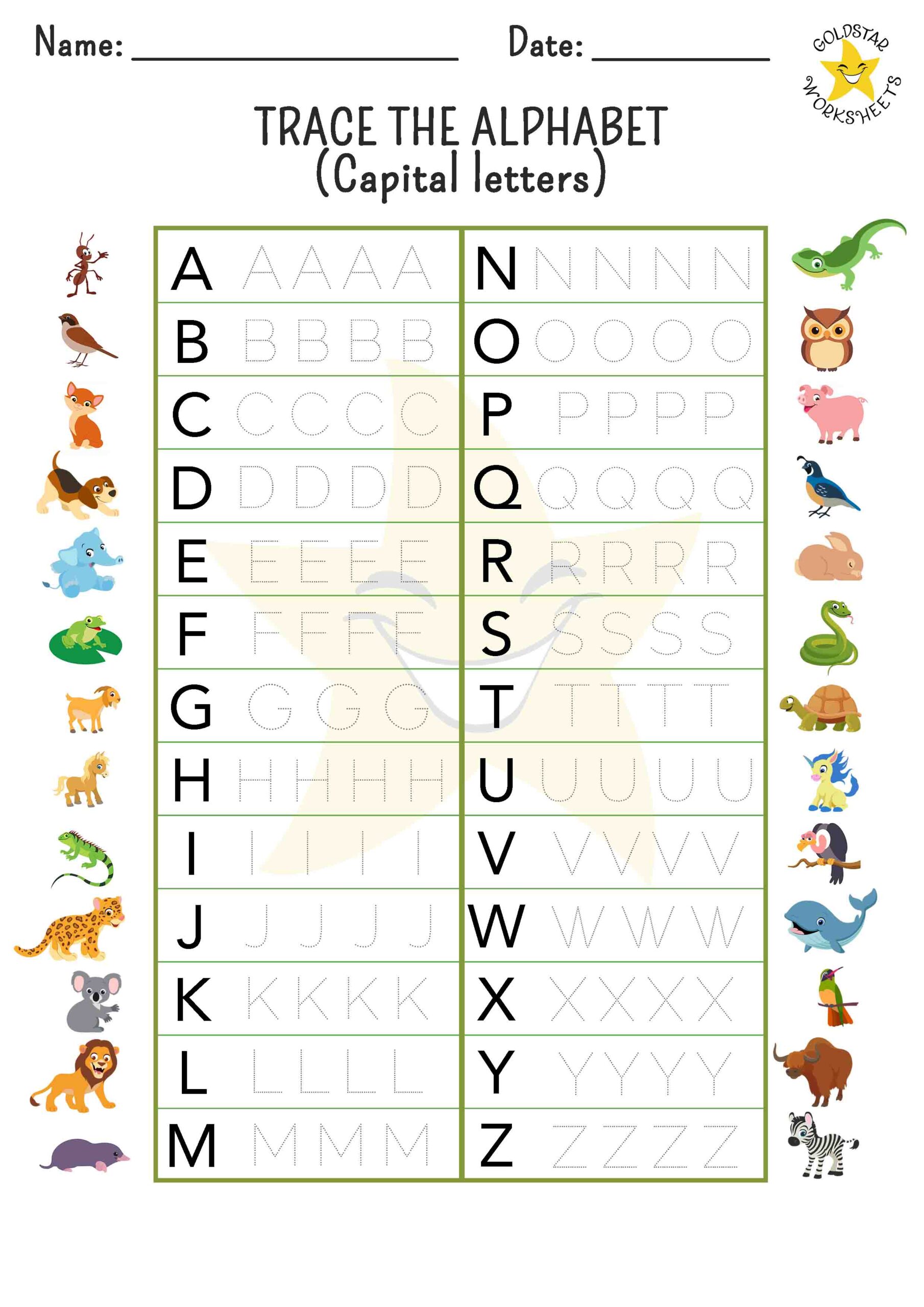
Each worksheet typically features a clear, bold letter at the top, followed by a series of dotted lines for tracing. The choice of dotted lines makes it easy for children to follow along without feeling overwhelmed by the task. Below the letter, you may find a picture that corresponds to the letter’s sound, like an apple for “A” or a ball for “B.” This visual aid reinforces phonetic recognition, making it easier for children to connect the sound with the letter.
You might also notice that the worksheets are organized in a way that allows for gradual progression. Starting with uppercase letters, which are generally more recognizable, they then transition to lowercase letters. This methodical approach helps to build confidence in young learners as they become accustomed to forming letters correctly.
Age Appropriateness and Usage
These worksheets are ideal for preschool and kindergarten-aged children, typically ranging from 4 to 6 years old. This age group is particularly receptive to learning through visual and kinesthetic methods, making tracing an effective strategy.
You can easily incorporate these worksheets into your daily routine, whether you are a teacher or a parent. For example, setting aside time each afternoon to work on tracing letters can become a fun and educational activity. You might consider using these worksheets as part of a themed lesson plan, where each week focuses on a different letter of the alphabet.
Tips for Effective Tracing Practice
To maximize the effectiveness of the Alphabet In English With Sounds Tracing Worksheets, consider the following practical tips:
- Use Quality Paper: Printing on cardstock rather than regular printer paper can enhance the durability of the worksheets, especially if you plan to have children trace multiple times. Lamination is another option if you want to reuse the sheets.
- Implement a Reward System: Children often respond positively to rewards. After completing a set number of worksheets, consider offering a small reward—like a sticker or extra playtime—to encourage continued practice.
- Incorporate Multi-Sensory Activities: While tracing, you can have your child say the letter and its sound aloud. Additionally, consider using sand, rice, or foam letters for tactile reinforcement. This combination of methods can solidify their understanding of letter sounds.
Customization and Adaptation
One of the great features of these worksheets is their adaptability. You can easily modify the activities based on your child’s needs. For example, if a child excels at tracing but struggles with sound recognition, you might focus on incorporating more phonics activities alongside the worksheets.
You could also create a personal touch by adding your own images that correspond to the letters or by using colored pencils or crayons for tracing. Colorful materials can enhance engagement and make the learning process feel more like play than work.
For children who may find tracing challenging, you might consider using finger tracing on a textured surface as a precursor to using the worksheets. This can help them develop the fine motor skills necessary for writing.
Where to Find Printable Resources
You can find a variety of Alphabet In English With Sounds Tracing Worksheets available for download from numerous educational websites. Many resources offer free printables, while others may provide more comprehensive bundles at a nominal cost.
When selecting resources, look for those that offer worksheets with clear, engaging designs and a variety of images. The goal is to make learning enjoyable while ensuring that the worksheets are educational and effective.
Additionally, consider joining online communities or forums where educators and parents share resources, tips, and experiences. These platforms can provide valuable insights into which worksheets have worked well for others and may lead you to new resources you hadn’t considered.
In summary, the Alphabet In English With Sounds Tracing Worksheets are not just a tool for learning letters but a comprehensive resource that supports phonetic understanding and literacy skills. By choosing the right materials and incorporating fun, interactive elements, you can create a rich learning environment that fosters a love for reading and writing in your child.
Ultimately, the key to success is providing consistent practice and encouragement, making each tracing session a step towards greater literacy. Consider pairing the worksheets with engaging activities at home or in your homeschool routine to enrich the learning experience.