
The best Alphabet Handwriting Worksheets Upper And Lowercase typically feature a simple layout that encourages independent practice for children. Designed primarily for preschool and early elementary students, these worksheets help young learners develop their handwriting skills through a structured and engaging format. By using these resources, teachers and parents can ensure that children practice writing both uppercase and lowercase letters effectively.
Understanding the Layout and Design Choices
When selecting handwriting worksheets, consider the layout carefully. Most effective worksheets feature a grid structure that provides ample space for children to practice each letter. Commonly, the letters are presented in a large font at the top of the page, followed by dashed lines for tracing and blank lines for freehand writing. This setup allows children to gradually build confidence as they progress from tracing to writing independently.
Additionally, the use of color can enhance engagement. Worksheets that incorporate color-coded letters can help children differentiate between uppercase and lowercase letters. For example, using blue for uppercase and red for lowercase can create a visual distinction that reinforces learning.
Age and Skill Level Suitability
Alphabet handwriting worksheets are typically aimed at children aged 4 to 7 years old, covering preschool and kindergarten levels. These resources are particularly beneficial for children who are just beginning to learn the alphabet and develop fine motor skills necessary for writing.
It’s essential to choose worksheets that align with the child’s current skill level. For beginners, worksheets that focus exclusively on uppercase letters may be ideal. As children gain confidence, introducing lowercase letters will help them understand the full alphabet. Some worksheets even combine both uppercase and lowercase letters, allowing for comprehensive practice.
Features to Look for in Handwriting Worksheets
When evaluating different alphabet handwriting worksheets, several key features can enhance their effectiveness:
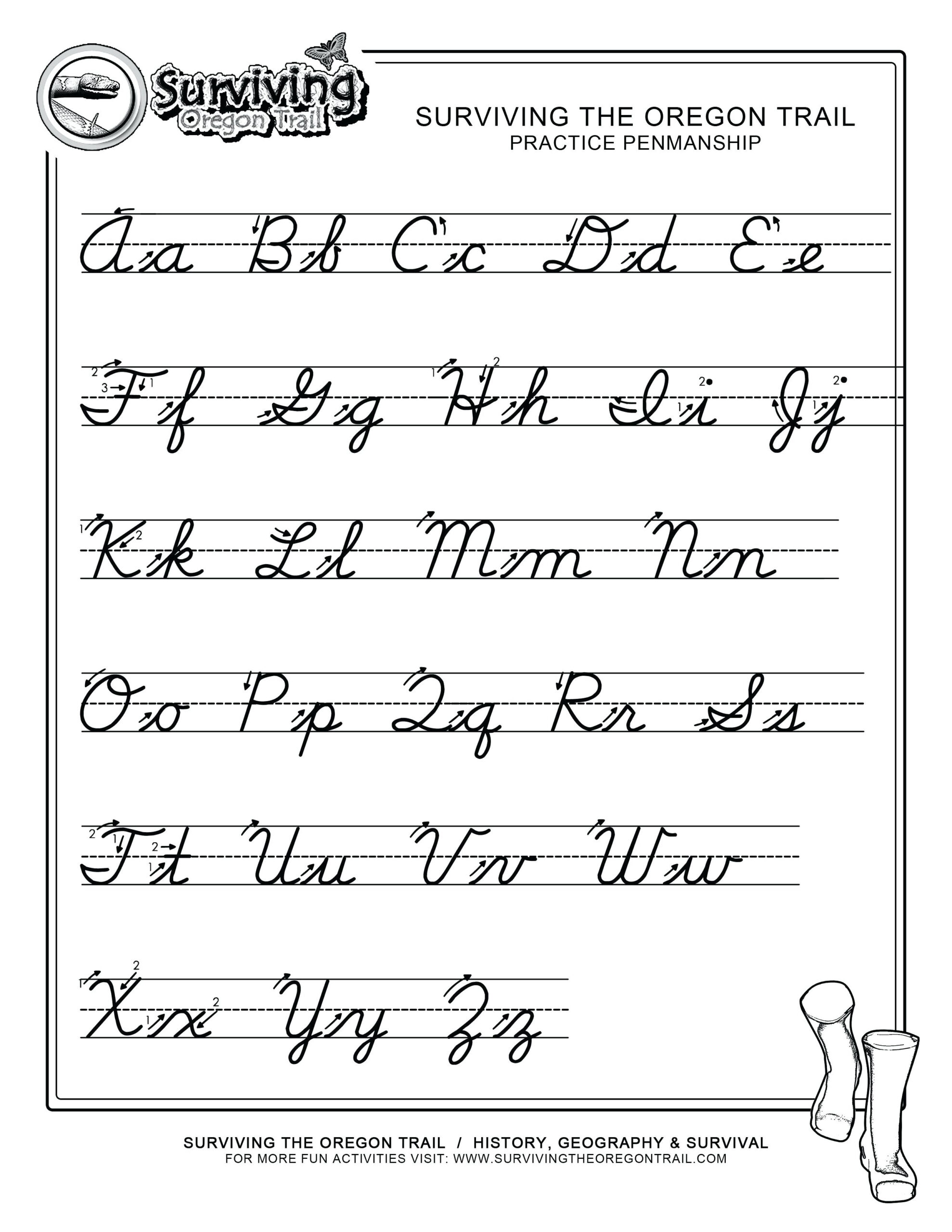
- Letter Examples: Look for worksheets that provide clear examples of each letter. This can include both the printed form and the cursive form, if applicable, which helps children recognize and replicate the letters accurately.
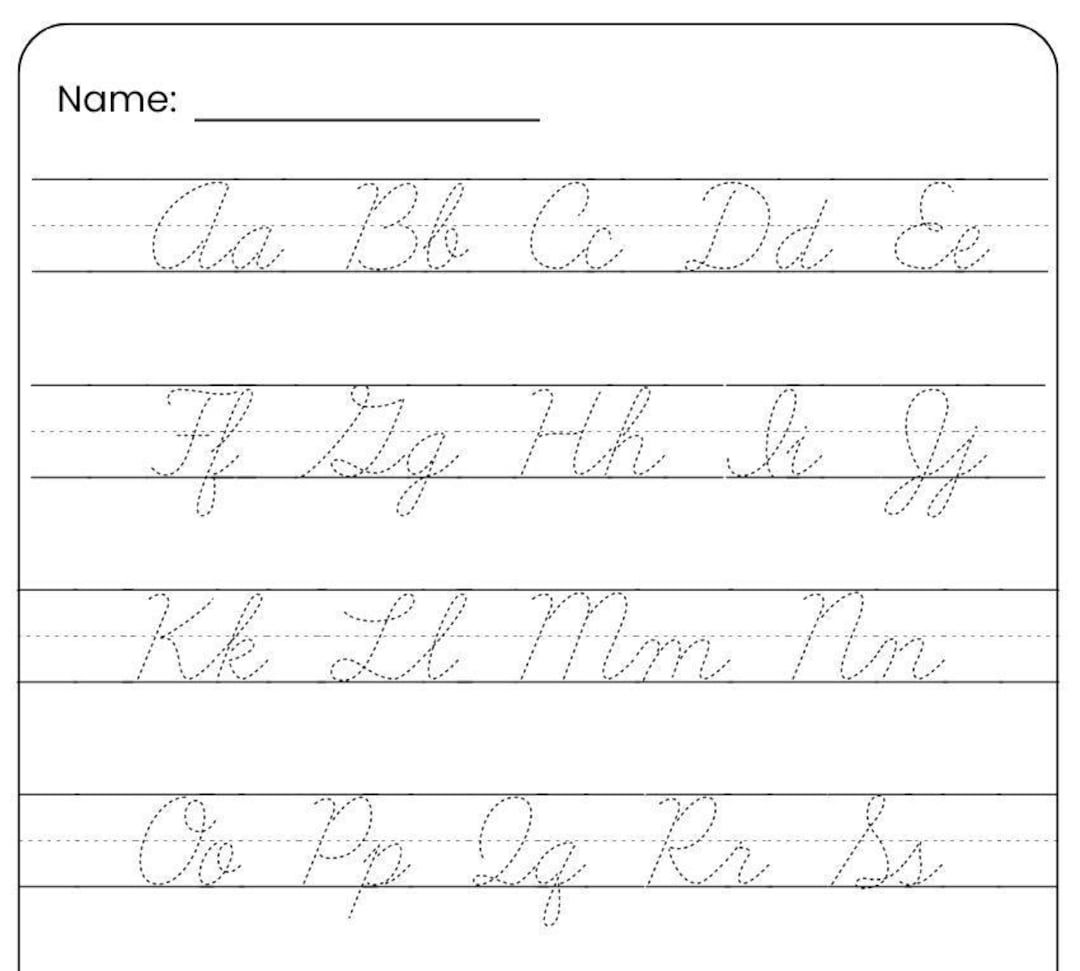
- Traceable Letters: Worksheets with dashed or dotted letters allow children to practice tracing before moving on to writing without guidance. This step-by-step approach is crucial for developing muscle memory.
- Variety of Exercises: Effective worksheets often include varied exercises, such as matching letters to pictures or filling in missing letters. This variety keeps children engaged and helps reinforce their learning.
- Instructions: Clear instructions are vital. Worksheets should guide children on how to use them, including tips for holding a pencil and how to form each letter.
- Printable Format: Ensure that the worksheets are available in a printable format that is easy to download and print. PDF formats are usually the best choice, as they maintain layout integrity across different devices.
Practical Uses in Classroom and Home Settings
In both classroom and homeschool settings, alphabet handwriting worksheets serve multiple purposes. Teachers can use them as part of a guided lesson or as independent practice during centers. For parents, these worksheets can be a great way to reinforce learning at home.
Here are two practical ways to use these worksheets:
- Daily Practice: Set aside a few minutes each day for handwriting practice. Consistency helps children develop their writing skills more effectively than sporadic practice.
- Assessment Tool: Use the worksheets to assess a child’s progress. By reviewing their completed worksheets, teachers and parents can identify areas where additional support may be needed.