
When it comes to teaching young children how to write, Alphabet Handwriting Worksheets D’ are an invaluable resource. These worksheets help children practice their handwriting skills in a structured and engaging way. They cater specifically to the needs of early learners, allowing them to develop fine motor skills and letter recognition simultaneously.
What Are Alphabet Handwriting Worksheets D’?
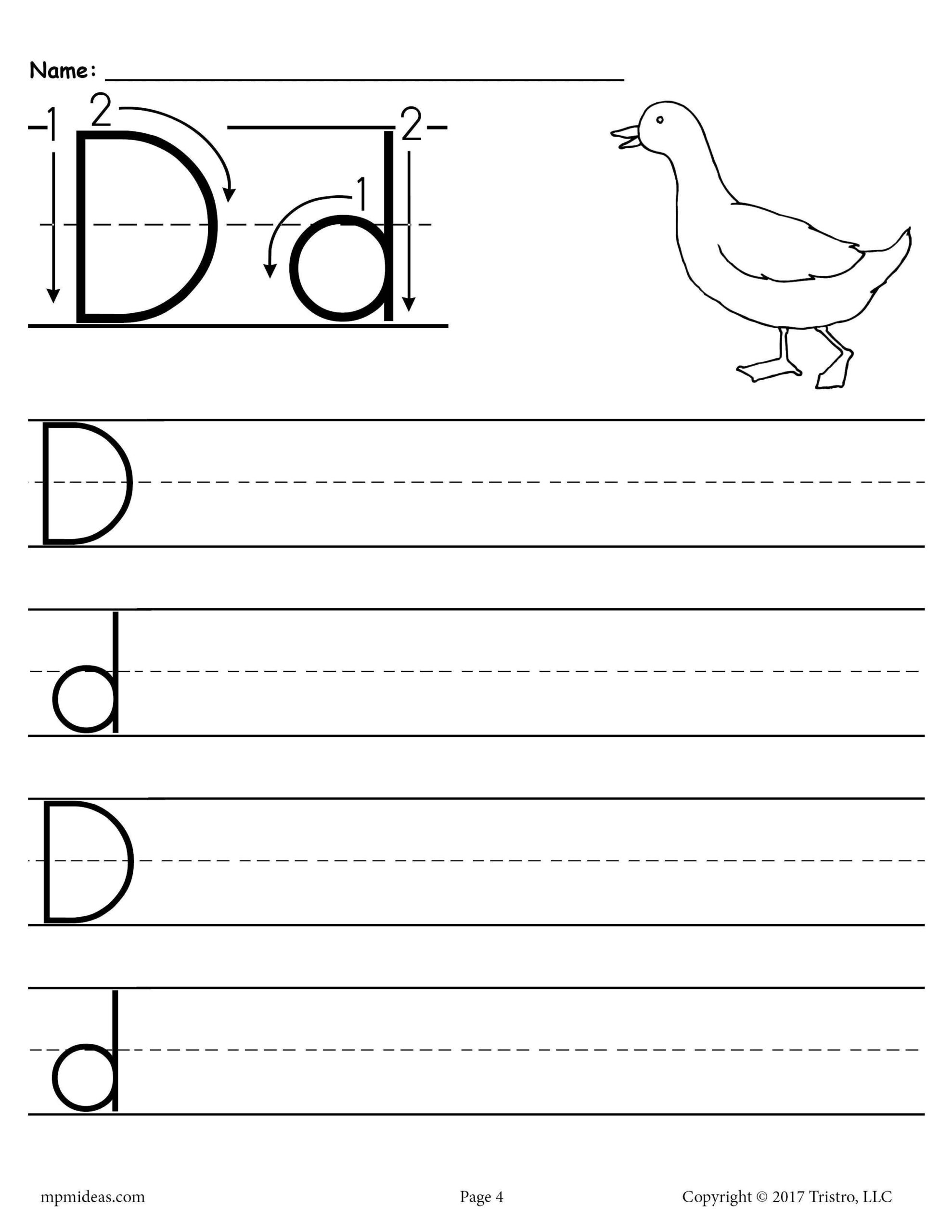
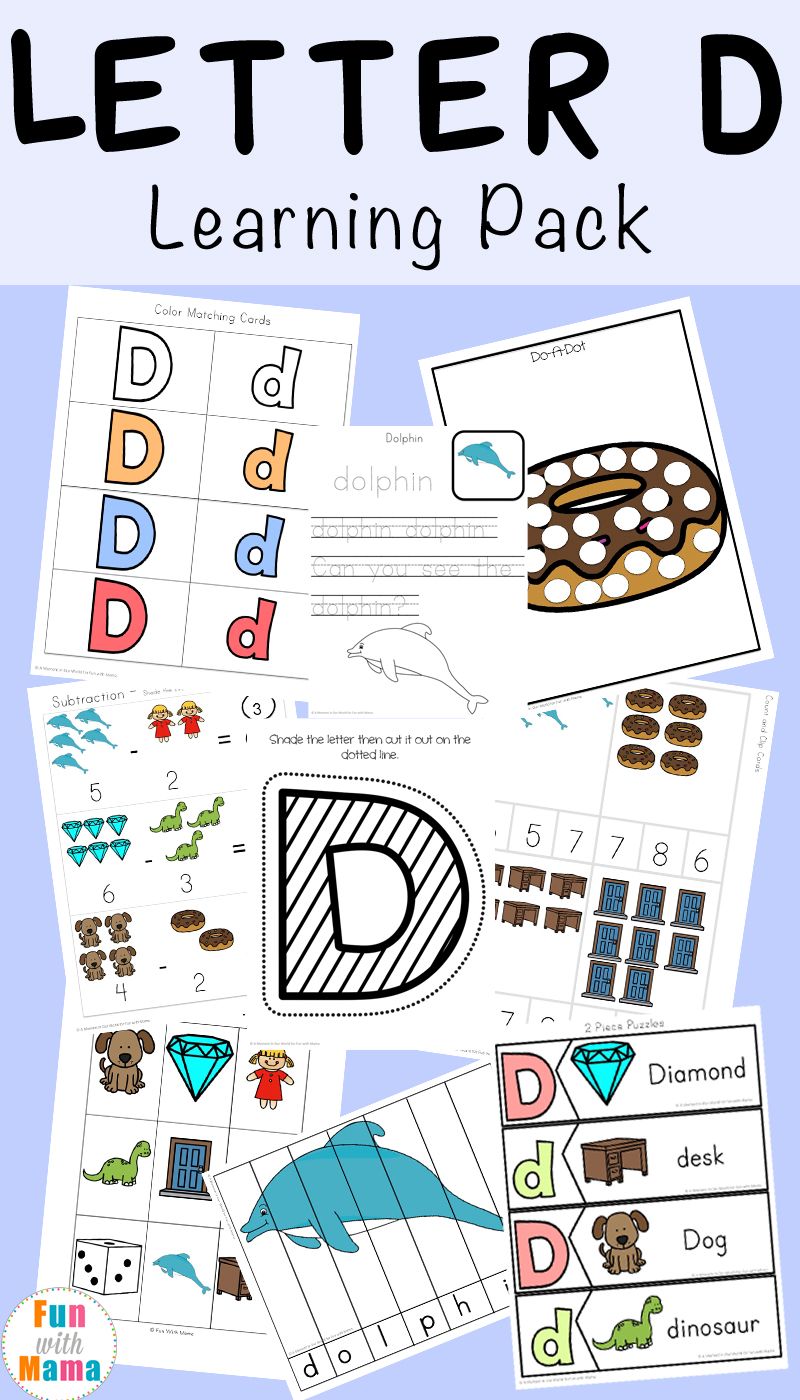
Alphabet Handwriting Worksheets D’ are printable worksheets focused on teaching children how to correctly form each letter of the alphabet. These worksheets typically include both uppercase and lowercase letters, providing a comprehensive tool for handwriting practice. They often incorporate guided lines, dotted letters for tracing, and spaces for students to write independently.
These worksheets are particularly useful for children in preschool through early elementary grades, roughly ages 4 to 7. They can be utilized in a variety of settings, including classrooms, homeschools, or even at home during quiet time.
Benefits of Using Alphabet Handwriting Worksheets D’
Using Alphabet Handwriting Worksheets D’ has several advantages:
- Skill Development: These worksheets help children develop essential handwriting skills, including proper letter formation, spacing, and alignment.
- Engagement: Many worksheets incorporate fun designs or themes that keep children interested and motivated to practice.
- Progress Tracking: As children work through the worksheets, you’ll be able to track their progress over time, identifying areas where they may need additional support.
How to Use Alphabet Handwriting Worksheets D’ Effectively
To get the most out of Alphabet Handwriting Worksheets D’, consider the following tips:
- Choose the Right Environment: Set up a quiet and comfortable space for writing. Ensure good lighting and provide all necessary materials, such as pencils, erasers, and possibly colored pencils for added fun.
- Print Settings: When downloading and printing these worksheets, use a high-quality printer to ensure clear lines and easy visibility. Most home printers work well with standard letter-sized (8.5 x 11 inches) paper. If your printer allows, opt for portrait layout for better readability.
- Start with Tracing: Begin by having children trace the dotted letters. This will help them learn the correct movements needed to form each letter. Encourage them to say the letter out loud while tracing to reinforce letter recognition.
- Transition to Free Writing: Once they are comfortable with tracing, encourage them to write the letters independently in the designated spaces. It’s important to praise their efforts to build confidence.
- Incorporate Review Sessions: Periodically revisit previously covered letters to reinforce learning. This can be done using the same worksheets or by creating new ones that incorporate those letters into simple words.
Where to Find Printable Alphabet Handwriting Worksheets D’
There are numerous resources available online where you can find Alphabet Handwriting Worksheets D’. Many educational websites offer free or low-cost downloads. Look for reputable sites that provide high-quality, printable resources. Make sure to check the file format; PDFs are often preferable as they maintain formatting across different devices.
When searching, include terms like “free printable alphabet handwriting worksheets” or “downloadable alphabet handwriting practice” to find a variety of options. Be sure to preview the worksheets to ensure they meet your needs.
Tips for Enhancing Handwriting Practice
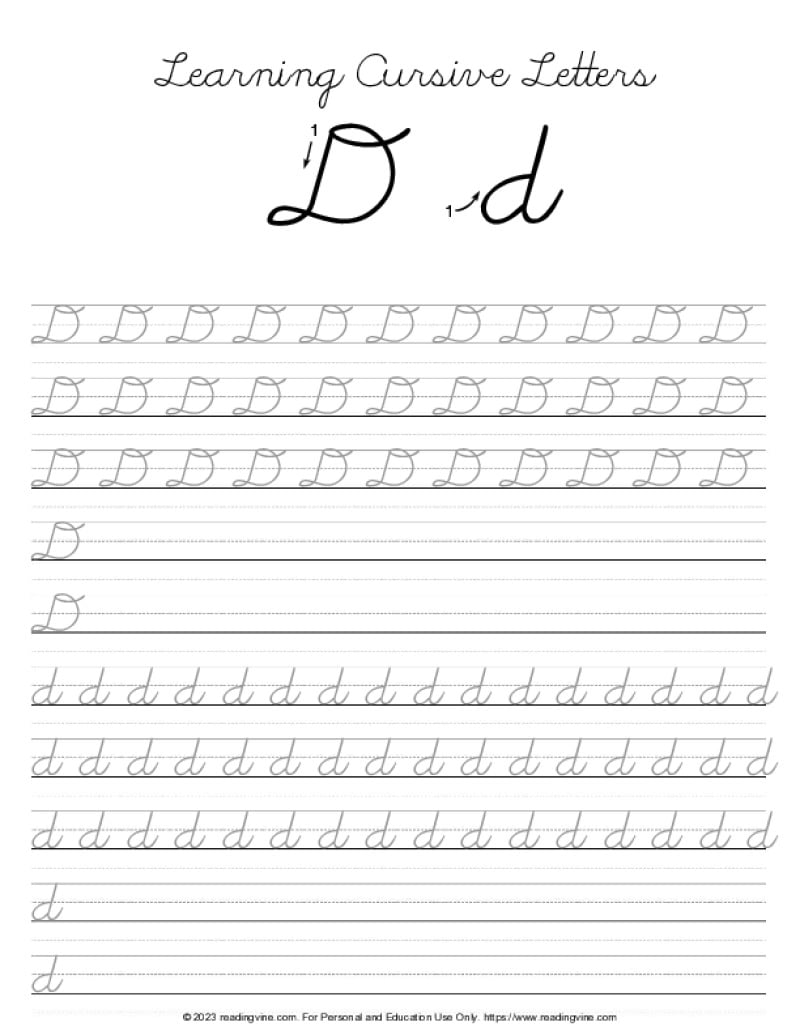
To further enrich the handwriting practice experience, consider these strategies:
- Use Different Writing Tools: While standard pencils are great, introducing colored pencils, gel pens, or even crayons can make writing more enjoyable for children.
- Incorporate Games: Turn handwriting practice into a game. For example, you can challenge your child to write a letter as quickly as possible or create a letter scavenger hunt around the house.
- Create a Handwriting Journal: Encourage your child to use a dedicated notebook to practice their handwriting regularly. This not only provides a space for writing but also allows them to see their progress over time.