
Learning the alphabet is a fundamental skill for young children, and using an Alphabet Capital Letters Worksheet Fun can make this process enjoyable and effective. These worksheets not only help children recognize and write capital letters but also pave the way for better reading and writing skills. In this article, we’ll explore practical ways to incorporate these worksheets into your teaching or homeschooling routine, suitable age levels, and tips for tracking progress effectively.
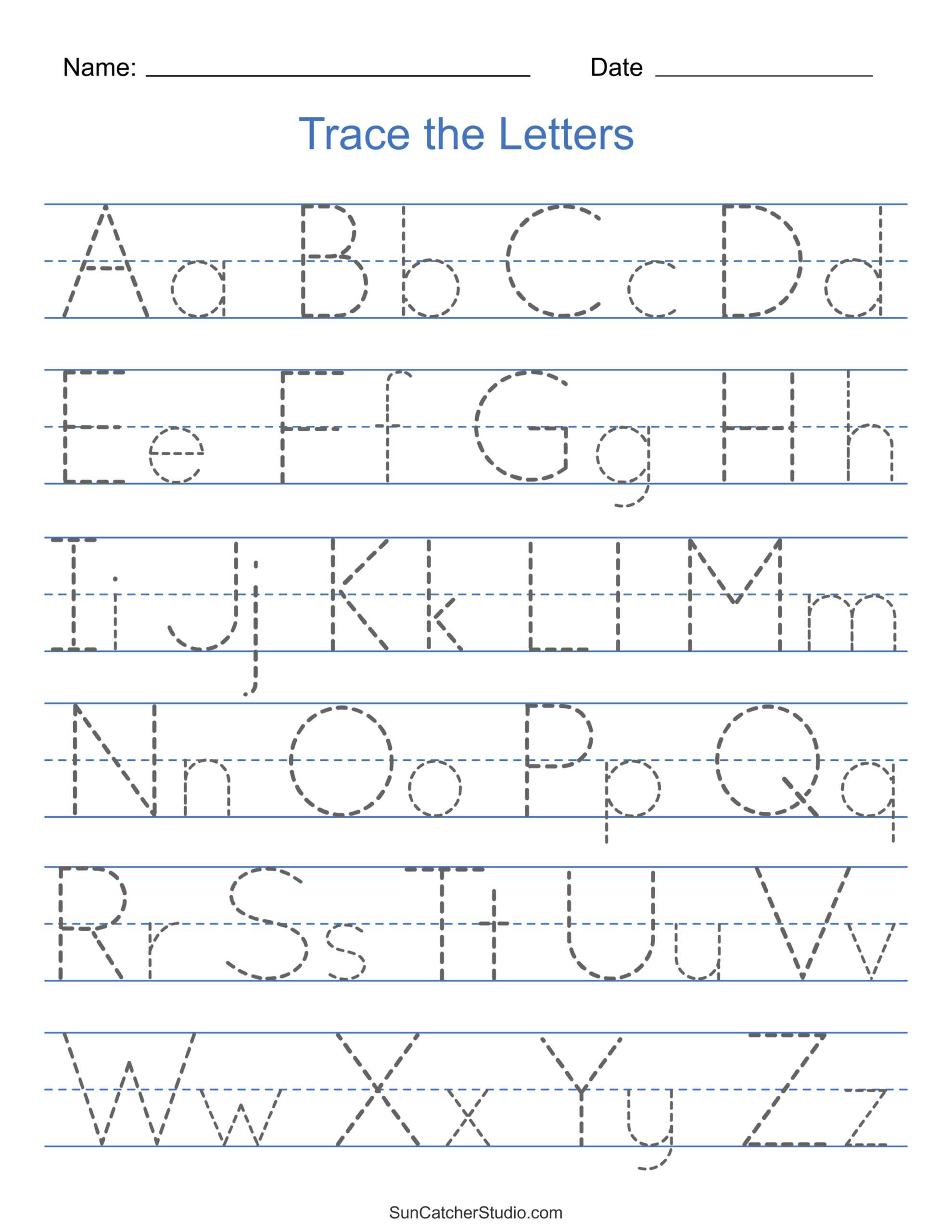
Understanding the Importance of Capital Letters
Before diving into the worksheets, it’s important to understand why capital letters are essential. Capital letters are used at the beginning of sentences, for proper nouns, and in various other grammatical contexts. Teaching kids to recognize and write these letters correctly can enhance their overall literacy development.
For preschool and early elementary students (ages 4-7), mastering capital letters is often a first step in writing. Using the Alphabet Capital Letters Worksheet Fun can help reinforce this learning in a structured yet engaging way.
How to Use the Alphabet Capital Letters Worksheet Fun
When it comes to using the Alphabet Capital Letters Worksheet Fun, flexibility is key. Here are some practical tips for integrating these worksheets into your lessons:
- Daily Practice: Incorporate the worksheets into a daily routine. Spend 5-10 minutes each day focusing on a few letters, allowing children to practice writing and recognizing them.
- Themed Learning: Tie the use of worksheets to themes or topics being studied. For example, if you’re discussing animals, use capital letters to label animal names or create sentences.
- Group Activities: In a classroom setting, you can use these worksheets for group activities. Have students work in pairs to practice writing letters together, encouraging collaboration and peer learning.
- At-Home Use: For homeschooling or at-home learning, involve family members in the learning process. Parents can sit with children to guide them through the worksheets, making it a fun bonding activity.
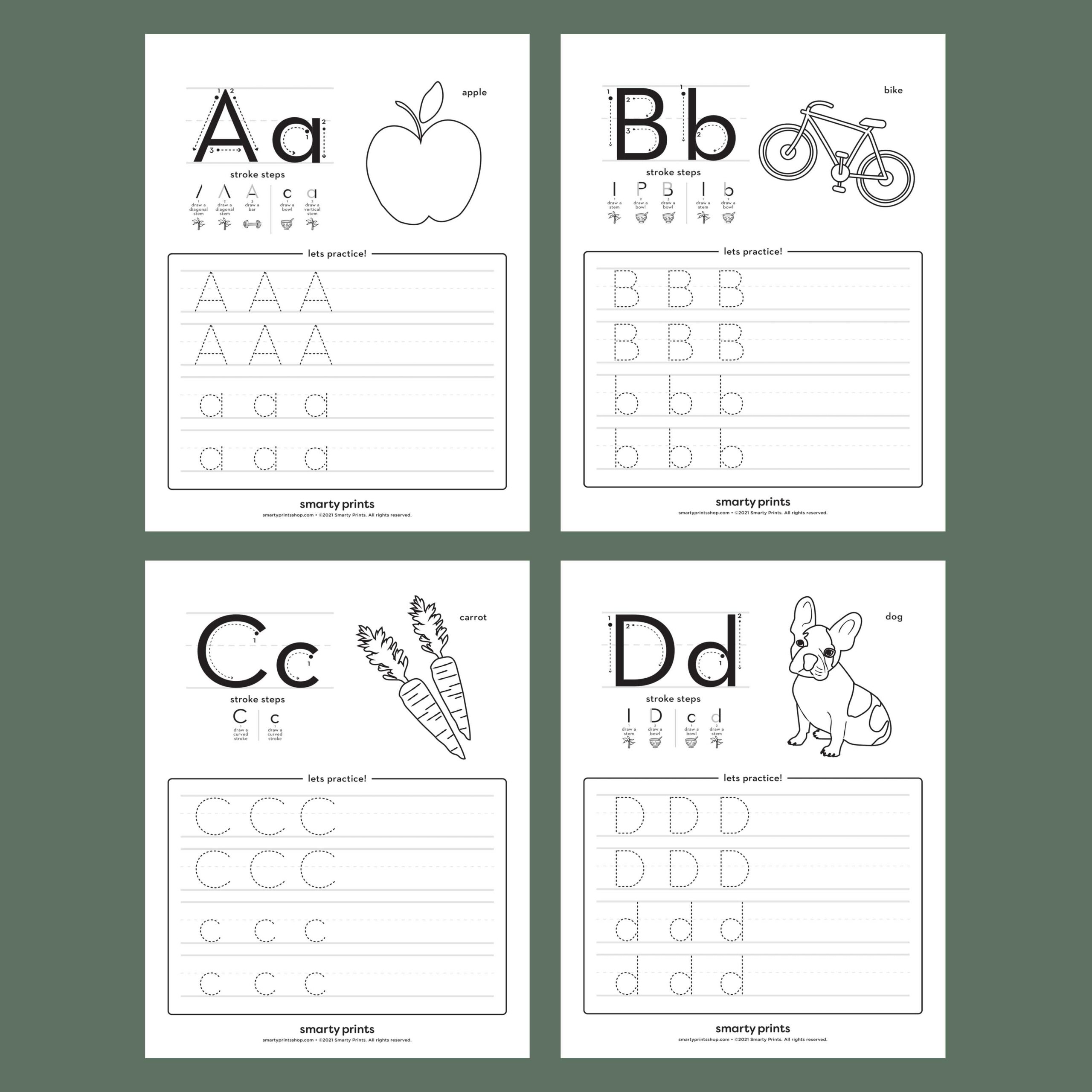
- Incorporate Art: To make the learning experience even more enjoyable, encourage children to decorate their worksheets. They can color in the letters or create drawings that correspond to each letter, such as an apple for “A” or a ball for “B”.
Tracking Progress With Worksheets
To ensure that children are making progress with their capital letter skills, it’s essential to track their development. Here are some methods to consider:
- Check for Understanding: Regularly review completed worksheets to assess children’s understanding of capital letters. Look for consistent mistakes, which can indicate areas that need more practice.
- Create a Progress Chart: Develop a simple chart to track the letters each child has mastered. You can use stickers or stamps to mark completed letters, providing a visual representation of their achievements.
- Set Goals: Establish specific goals for each child, such as mastering a certain number of letters within a month. This can motivate children and give you a clear benchmark for their progress.
- Incorporate Feedback: Provide constructive feedback on their worksheets. Highlight areas where they excelled and offer suggestions for improvement. This reinforcement encourages them to keep practicing.
Adapting Worksheets for Different Learning Styles
Every child learns differently, and the Alphabet Capital Letters Worksheet Fun can be adapted to suit various learning styles. Here’s how:
- Visual Learners: For children who learn best through visuals, use colorful worksheets with images that correspond to each letter. This can help them associate letters with sounds and meanings.
- Kinesthetic Learners: For hands-on learners, consider using playdough or sand to form letters before transferring that knowledge to paper. This tactile experience can reinforce their understanding of letter shapes.
- Auditory Learners: Use songs or rhymes that emphasize the alphabet. Pair these auditory experiences with the worksheets to help reinforce their learning through sound.
Making It Fun and Engaging
The key to successful learning is to keep children engaged. Here are a few fun ideas to incorporate into your lessons:
- Games: Create simple games using the worksheets, such as letter scavenger hunts or bingo. This adds a playful element and reinforces their learning in a non-traditional format.
- Incentives: Implement a reward system where children earn points or stickers for completing worksheets. This can motivate them to work harder and enjoy the process.
- Family Involvement: Encourage family members to participate in the learning process. They can help with worksheet activities, making it a fun family event.
Incorporating the Alphabet Capital Letters Worksheet Fun into your teaching or homeschooling routine can significantly enhance children’s literacy skills. By integrating these worksheets with engaging activities, tracking progress effectively, and adapting to different learning styles, you can create a supportive environment that fosters learning and growth.
To get started today, print a few worksheets and plan a fun session focused on capital letters. You’ll be amazed at how quickly children pick up these foundational skills when they’re presented in an enjoyable way!