
As Emily sat in her brightly colored classroom, she noticed a few of her students struggling with phonics. Their faces lit up when she introduced Alphabet And Their Sounds Worksheets, a resource designed to make learning fun and effective. These worksheets allow children to connect letters with their corresponding sounds, laying the foundation for reading and writing.
Understanding the Purpose of Alphabet And Their Sounds Worksheets
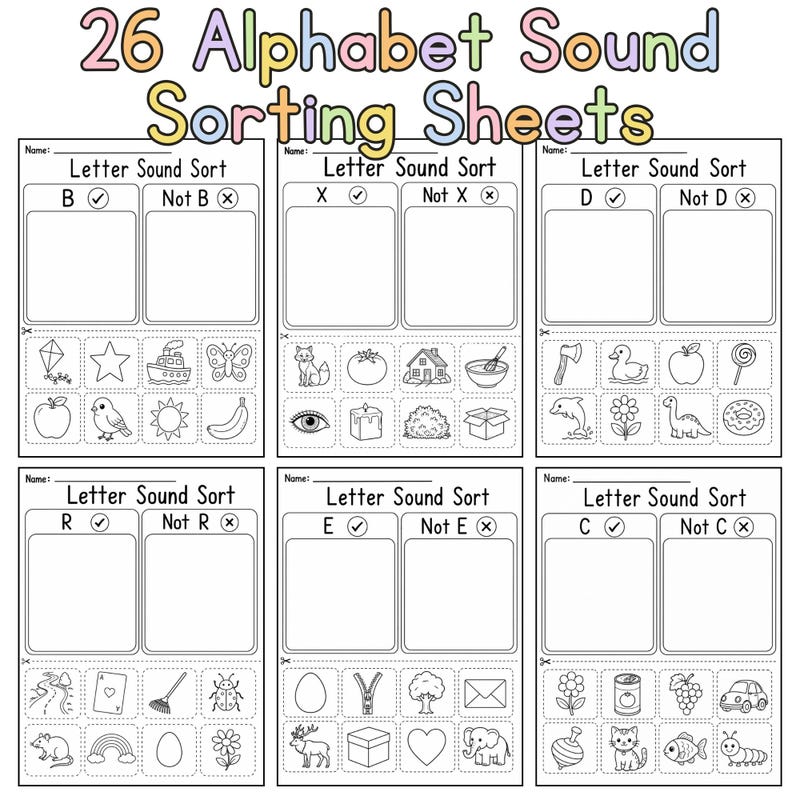
Alphabet And Their Sounds Worksheets serve a crucial role in early literacy. They help children, typically in preschool and kindergarten, learn the sounds associated with each letter of the alphabet. This understanding is vital for phonemic awareness, which is the ability to hear, identify, and manipulate sounds in spoken words.
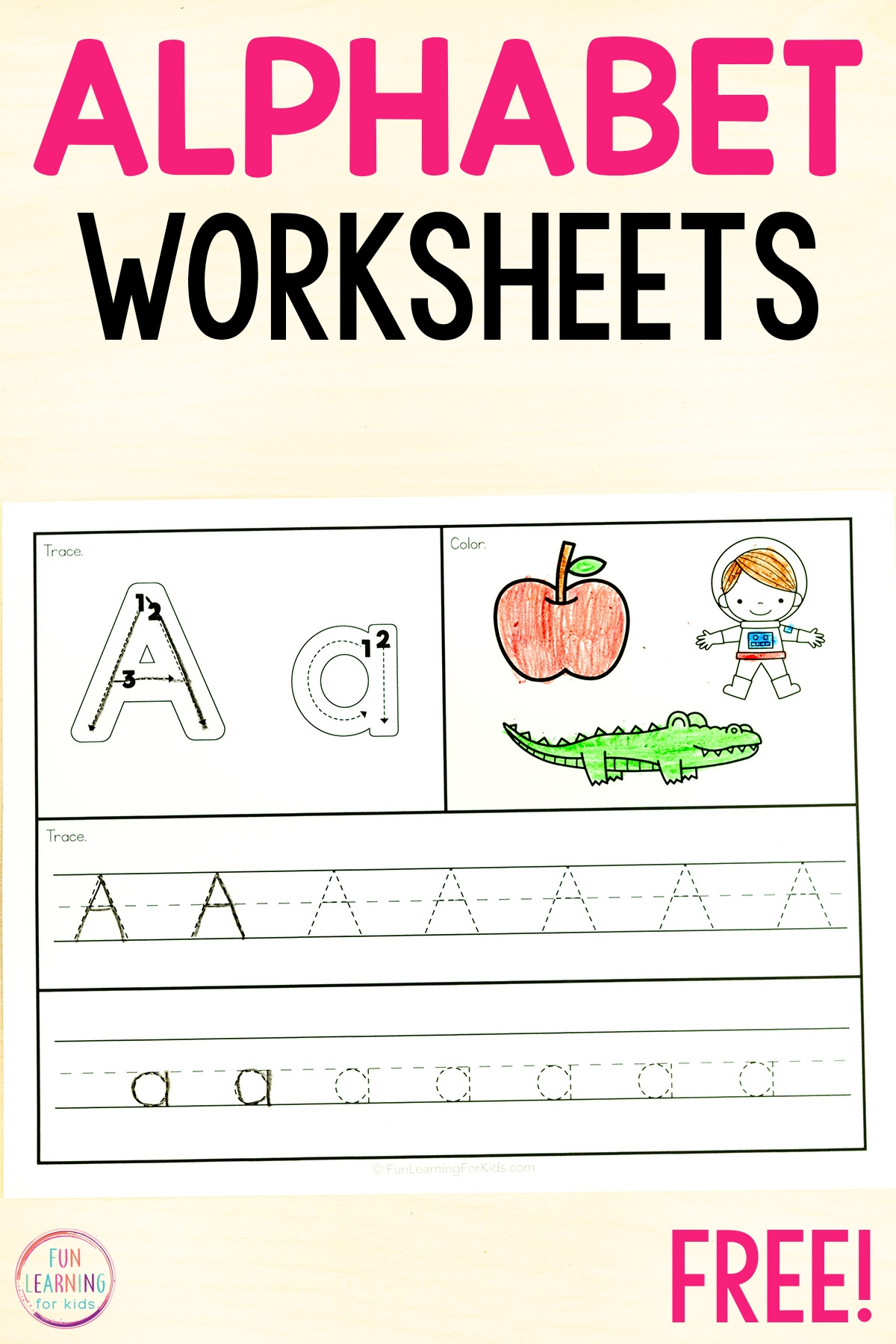
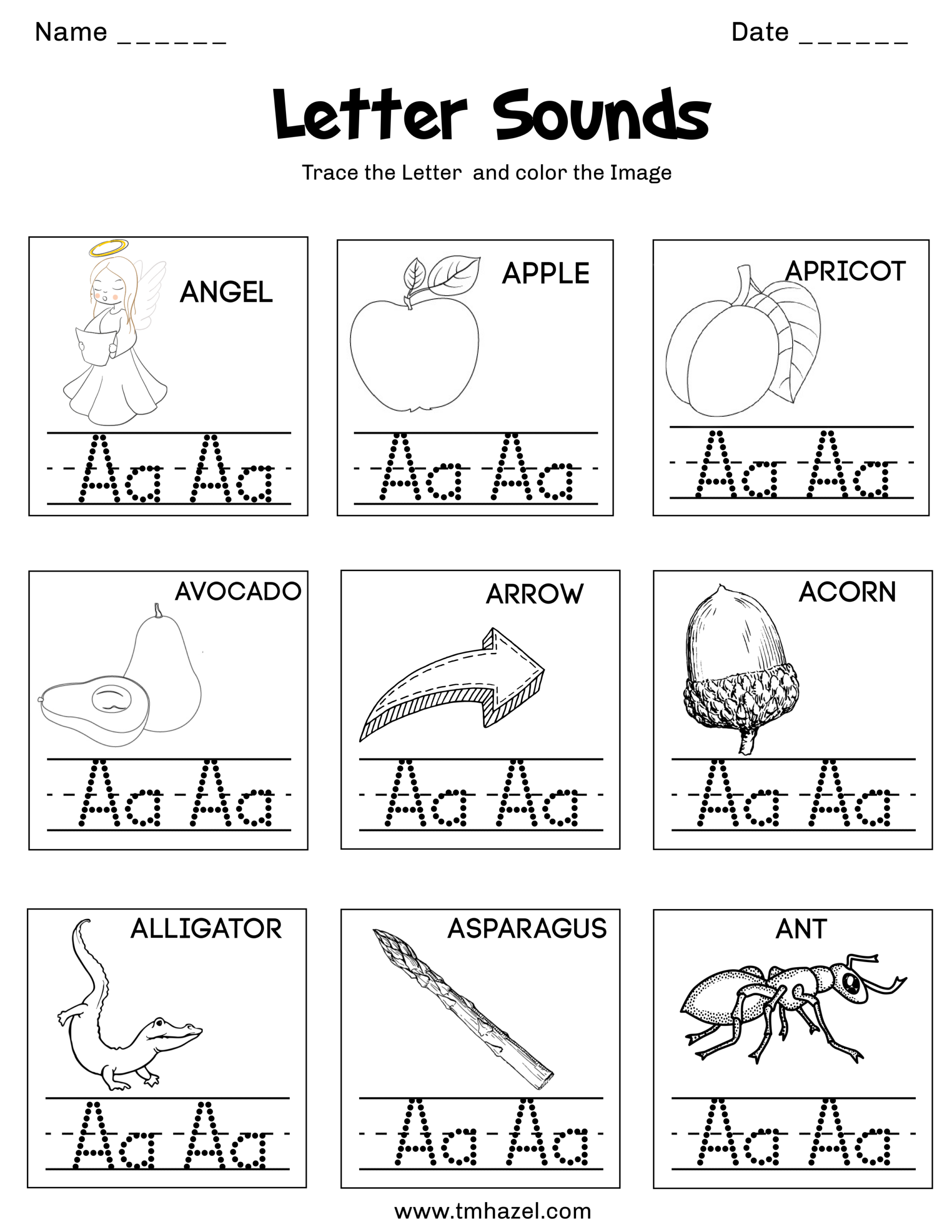
When teachers use these worksheets, they provide a structured yet flexible way for students to practice. Worksheets often include activities such as tracing letters, matching letters to images, and filling in missing letters. These engaging tasks not only reinforce letter recognition but also help children develop fine motor skills as they write and draw.
How to Set Up Activities With Alphabet And Their Sounds Worksheets
Setting up activities with these worksheets is straightforward and requires minimal materials. Here’s a simple plan for integrating them into your lesson:
- Choose the Right Worksheets: Select worksheets that are age-appropriate for your students. For preschoolers, look for colorful and engaging designs with plenty of visuals. For older kindergarteners, worksheets with slightly more complex tasks will work better.
- Gather Supplies: You’ll need:
- The chosen worksheets (printed or available digitally)
- Crayons or markers for coloring
- Pencils for tracing and writing
- Optional: scissors for cutting out letters or images
- Create a Comfortable Work Area: Arrange tables or desks in a way that allows students to spread out and focus. Make sure each child has enough space to work on their own worksheet.
- Introduce the Activity: Explain the purpose of the worksheet. For instance, “Today, we’re going to learn about the letter ‘A’! Can anyone tell me what sound it makes?” This engages students and piques their curiosity.
- Supervise and Assist: While students work, walk around to offer help as needed. Some may need assistance with tracing or understanding the tasks. Encourage them by praising their efforts, reinforcing their learning.
Engaging Activities to Enhance Learning
To make the most of Alphabet And Their Sounds Worksheets, consider incorporating these additional activities that complement the worksheets:
- Sound Games: Play games like “I Spy” where you ask students to find objects around the room that start with specific letters. This reinforces their understanding of letter sounds in a fun way.
- Letter Sound Crafts: After completing the worksheets, have a craft session where students create an ‘A’ collage using pictures of items that start with the letter ‘A’. This hands-on activity deepens their understanding of the sound associated with the letter.
- Story Time: Read a story that emphasizes the letters and sounds you are focusing on. Afterward, discuss the sounds of the letters they encountered in the story. This helps connect their learning to real-world language.
Tips for Effective Use of Worksheets
Here are some practical tips to ensure that your students get the most out of their Alphabet And Their Sounds Worksheets:
- Repetition is Key: Regular practice with these worksheets helps reinforce learning. Consider incorporating them into your weekly routine.
- Differentiate Instruction: Some students may grasp the concepts quickly, while others may struggle. Provide varied worksheets that cater to different skill levels to ensure all students are challenged appropriately.
- Incorporate Technology: If possible, use digital versions of the worksheets. Many children are familiar with technology, and using tablets or computers can make the learning experience more engaging.
- Feedback and Assessment: After the activities, review the completed worksheets with your students. Offer constructive feedback and encourage them to share what they enjoyed about the activities. This not only helps assess their understanding but also builds their confidence.