
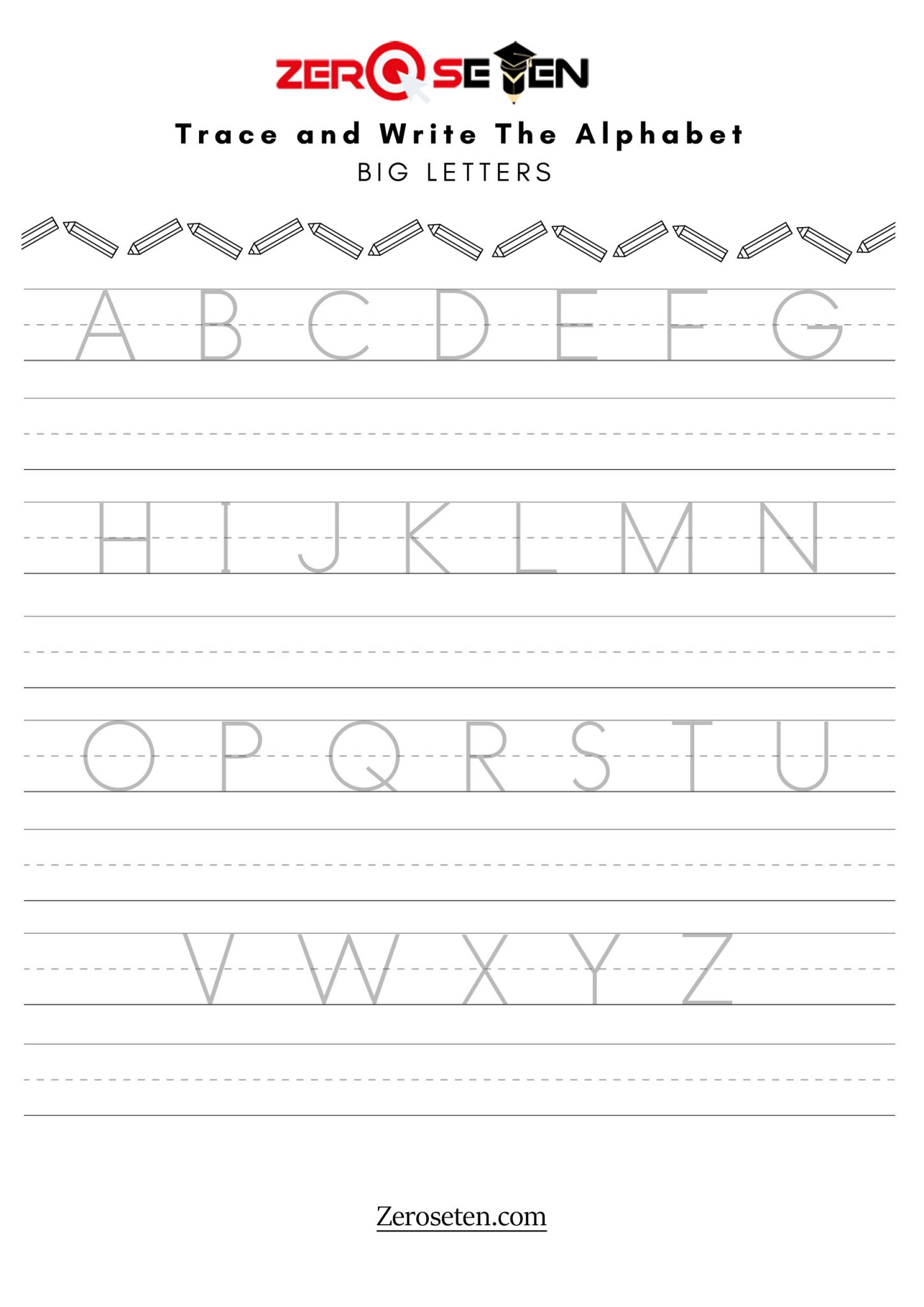
The Trace And Write The Alphabet Worksheets are a fantastic resource for teachers and parents looking to enhance young children’s writing skills. These worksheets provide structured practice that can significantly improve a child’s ability to form letters correctly. What sets these worksheets apart from others is their thoughtful layout and design, which encourages children to trace and write each letter in a fun and engaging manner.
Understanding the Layout of the Worksheets
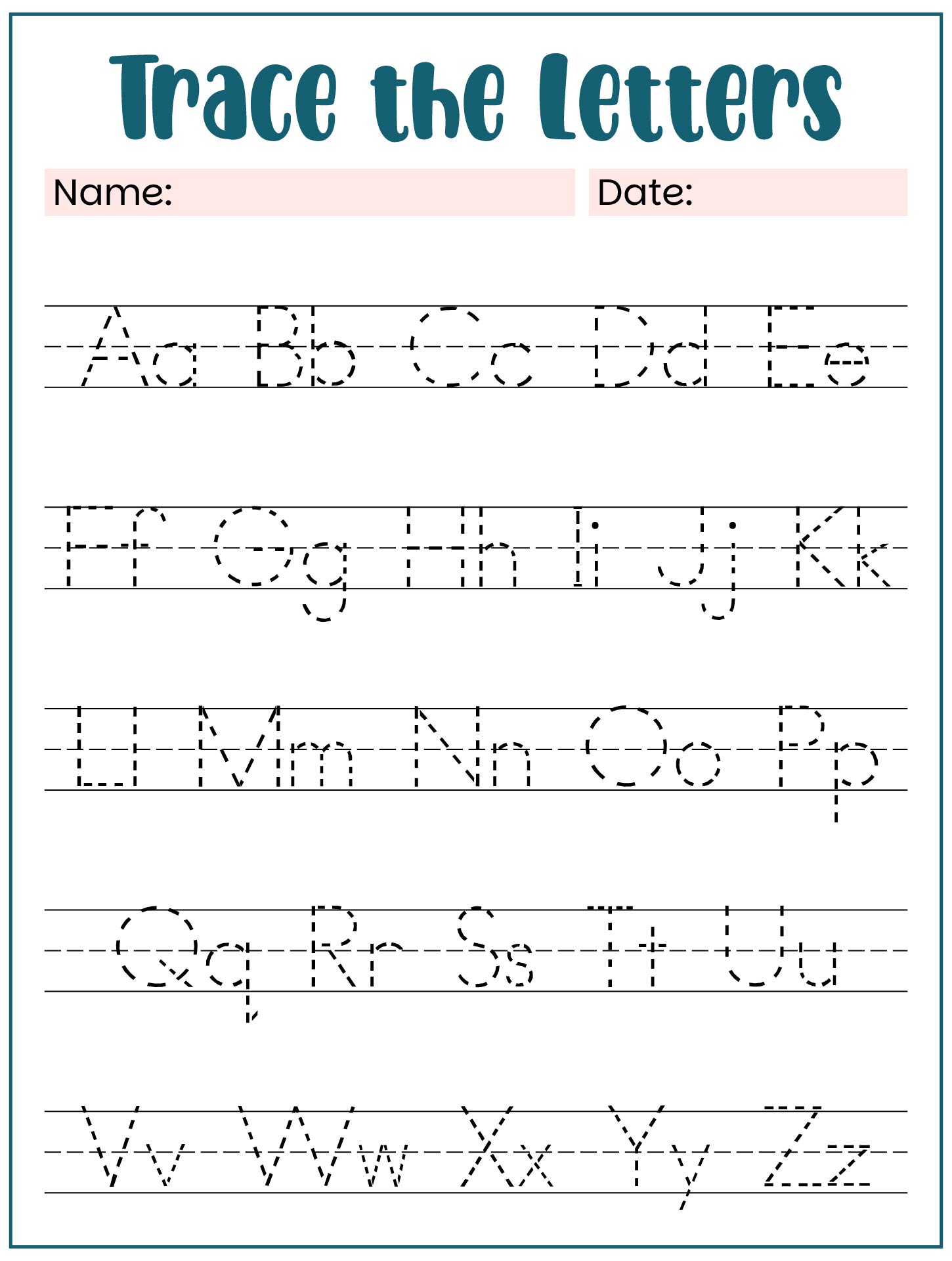
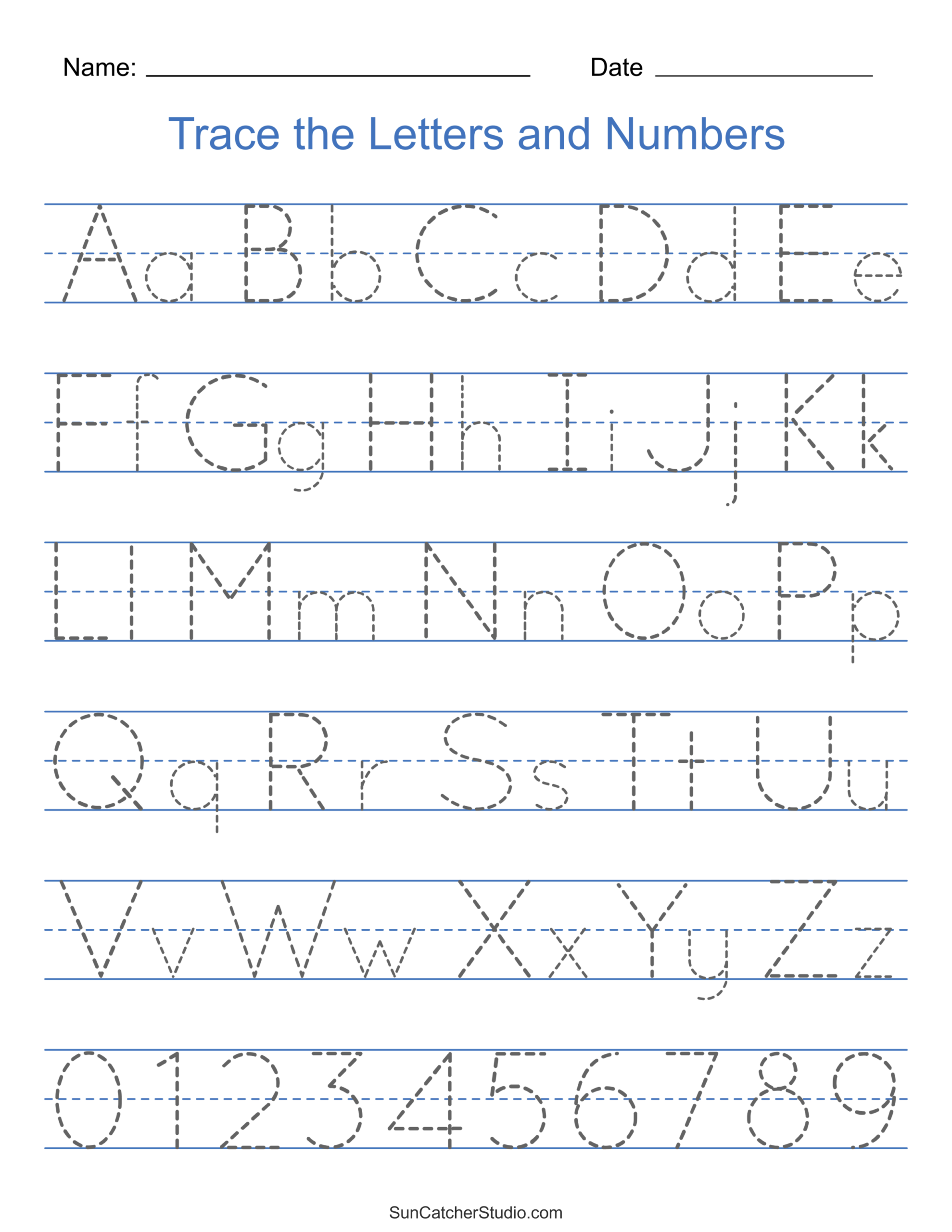
When you first glance at these worksheets, you’ll notice a clean, straightforward layout. Each worksheet typically features both uppercase and lowercase letters, allowing children to practice writing both forms. The letters are usually presented in a dotted format, which gives kids clear guidance on how to form each letter.
In addition to the dotted letters, many worksheets include a small box for children to write the letter independently after tracing. This progression from tracing to independent writing is essential for building confidence and reinforcing muscle memory. The design of these worksheets also often includes playful elements, such as illustrations or themed backgrounds, that can make the learning process more enjoyable.
Grade Levels and Suitable Ages
Trace And Write The Alphabet Worksheets are primarily aimed at preschool and kindergarten students, typically ranging from ages 4 to 6. This age group is crucial for developing fine motor skills and letter recognition, making these worksheets an excellent fit for early childhood education.
You can easily incorporate these worksheets into a broader lesson plan. For example, if you’re teaching about animals, you might pair the letter “A” with an image of an alligator, allowing children to trace both the letter and the associated animal. This connection between letters and words reinforces learning and keeps students engaged.
How to Use the Worksheets Effectively
Using the Trace And Write The Alphabet Worksheets is straightforward, but there are a few tips to maximize their effectiveness:
- Introduce One Letter at a Time: Focus on one letter per session to prevent overwhelming the child. This allows them to master one letter before moving on to the next.
- Incorporate Multi-Sensory Activities: Pair the worksheets with activities that involve different senses. For instance, you could have children form letters with playdough or sand before tracing them on paper.
- Encourage Verbalization: As children trace each letter, encourage them to say the letter aloud. This reinforces letter recognition and helps develop phonemic awareness.
- Monitor Progress: Keep track of each child’s progress. You might notice that some letters are more challenging than others, allowing you to adjust your teaching focus accordingly.
- Use Varied Materials: While paper is the most common medium, consider laminating worksheets for repeated use with dry-erase markers. This not only saves paper but also allows children to practice multiple times.
The Importance of Consistent Practice
Regular practice is key to developing writing skills in young learners. The Trace And Write The Alphabet Worksheets can be used daily or weekly, depending on your curriculum. Consistency helps reinforce learning and builds confidence.
Consider creating a routine where children complete one worksheet each day as part of their morning activities. Over time, you’ll likely see significant improvements in their writing skills and letter recognition.
Additional Features to Look For
When selecting Trace And Write The Alphabet Worksheets, consider looking for additional features that can enhance the learning experience:
- Visual Cues: Worksheets that incorporate visuals related to the letters being traced can help children make connections between letters and words.
- Variety of Fonts: Some worksheets may offer different font styles, which can be beneficial in helping children adapt to various types of writing they may encounter in their education.
- Thematic Variations: Worksheets themed around seasons, holidays, or specific subjects can make learning more engaging and relatable for children.
Incorporating these features can enrich the overall experience and cater to different learning styles.