
When Emily sat down with her five-year-old, she noticed him struggling to recognize letters, especially when it came to distinguishing between capital and small letters. This is where a Missing Alphabet Worksheet Capital And Small can be a fantastic resource. It not only makes learning fun but also helps solidify the understanding of letter formation and recognition in a playful, engaging way.
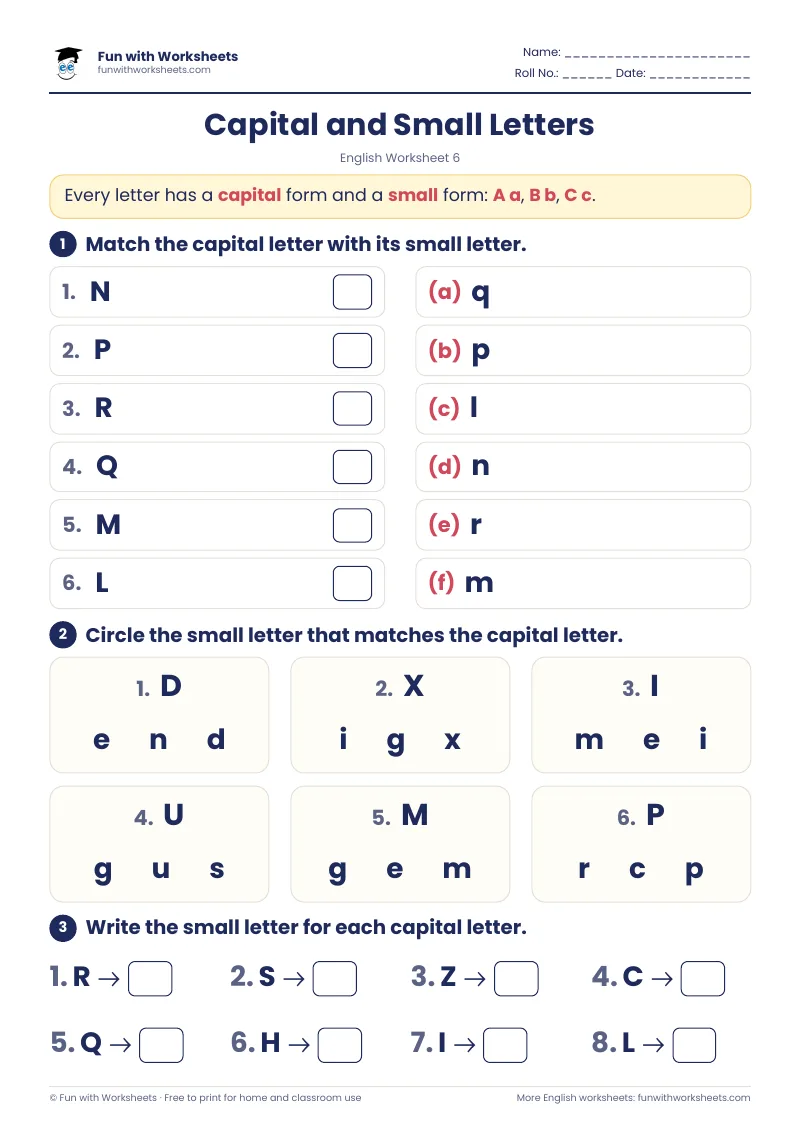
Understanding the Importance of Alphabet Recognition
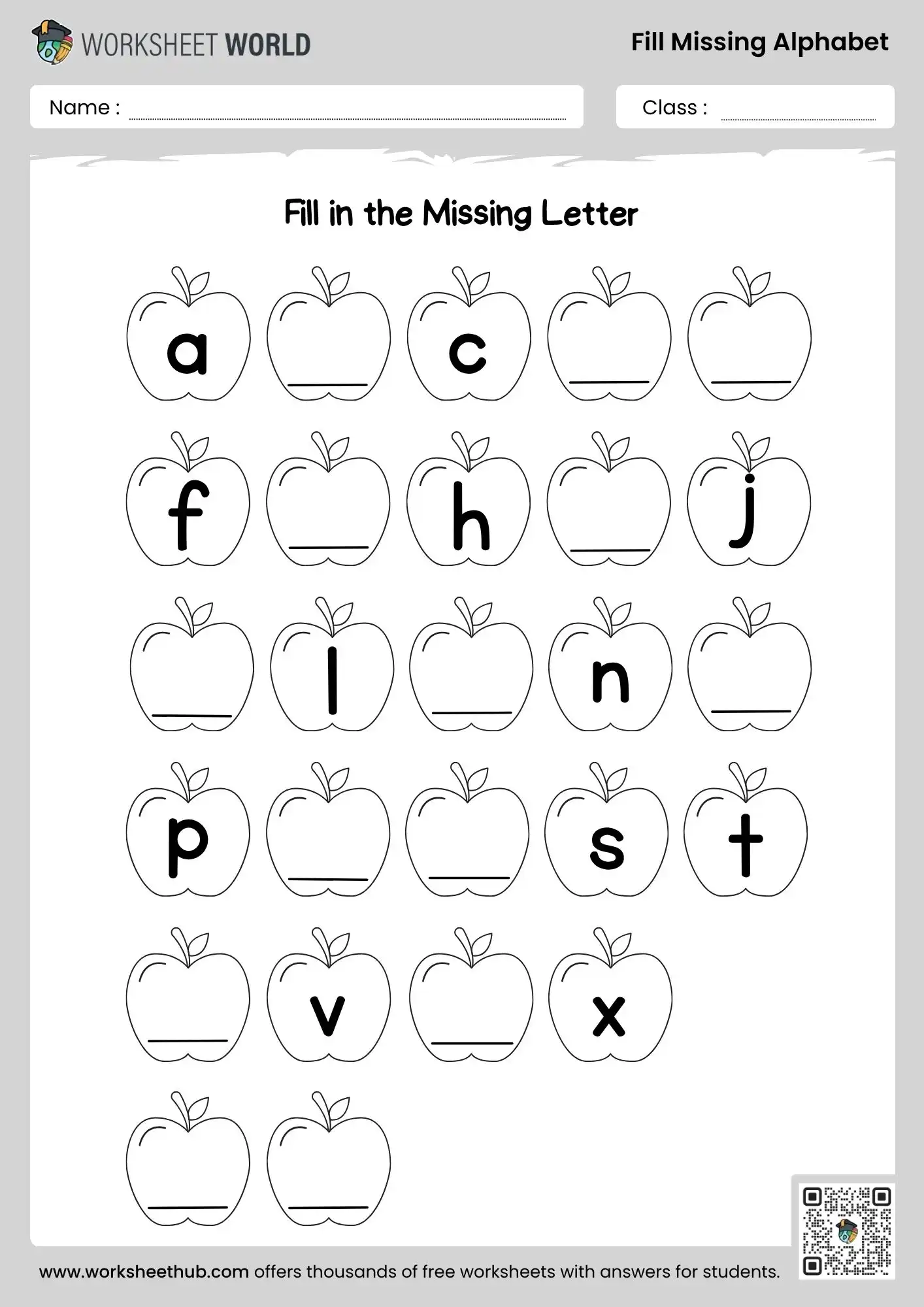
Alphabet recognition is a foundational skill that young learners must develop as they embark on their reading journey. Mastery of both capital and small letters is essential, as these are the building blocks of reading and writing. Worksheets designed specifically for this purpose can help children grasp the differences and similarities between uppercase and lowercase letters.
By incorporating a Missing Alphabet Worksheet, you provide children with an opportunity to fill in the blanks, reinforcing their knowledge while keeping them engaged. This type of exercise promotes critical thinking and memory retention, crucial components in early literacy development.
How to Use the Missing Alphabet Worksheet Effectively
Using the Missing Alphabet Worksheet Capital And Small can seamlessly fit into your daily routine, whether at home or in a classroom setting. Here are a few practical ideas for utilizing this resource:
- Daily Practice: Set aside 10 to 15 minutes each day for your child to work on the worksheet. Consistency is key in reinforcing learning, and short, focused sessions tend to yield better results than longer, less frequent study periods.
- Group Activities: If you’re teaching in a classroom, consider using the worksheet as part of a group activity. Have students work in pairs to complete the worksheet, encouraging conversation about the letters and their sounds. This not only promotes social interaction but also allows students to learn from one another.
- Incorporate Games: Turn the worksheet into a fun game. For instance, you could have a race to see who can fill in the missing letters the fastest or create a bingo-style game where students must identify letters based on your prompts.
Adapting the Worksheet for Different Learning Styles
Every child learns differently. The Missing Alphabet Worksheet can be adapted to meet various learning styles, ensuring that all students benefit from the activity:
- Visual Learners: For children who thrive on visual stimulation, consider using colored pencils or markers when filling in the missing letters. This not only makes the activity more engaging but also helps them associate colors with letters.
- Kinesthetic Learners: If you have a child who learns best through movement, try using physical letters (like foam or magnetic letters) to represent the missing ones. They can physically place the letters onto the worksheet, reinforcing their understanding through touch.
- Auditory Learners: For auditory learners, pair the worksheet activity with songs or rhymes that focus on the alphabet. As they fill in the letters, you can sing together or recite the alphabet, allowing them to hear the sounds associated with each letter.
Tips for Parents and Teachers When Using Worksheets
To maximize the effectiveness of the Missing Alphabet Worksheet Capital And Small, here are some tips to keep in mind:
- Provide Clear Instructions: Make sure your child understands what is expected of them before starting the worksheet. Clear instructions can prevent confusion and encourage independent work.
- Offer Positive Reinforcement: Celebrate small victories. If your child completes the worksheet correctly, offer praise or a small reward. This encourages a positive attitude towards learning.
- Create a Routine: Incorporating the worksheet into a regular routine can help solidify the learning process. Whether it’s part of a morning ritual or an afternoon activity, consistency can lead to better retention.
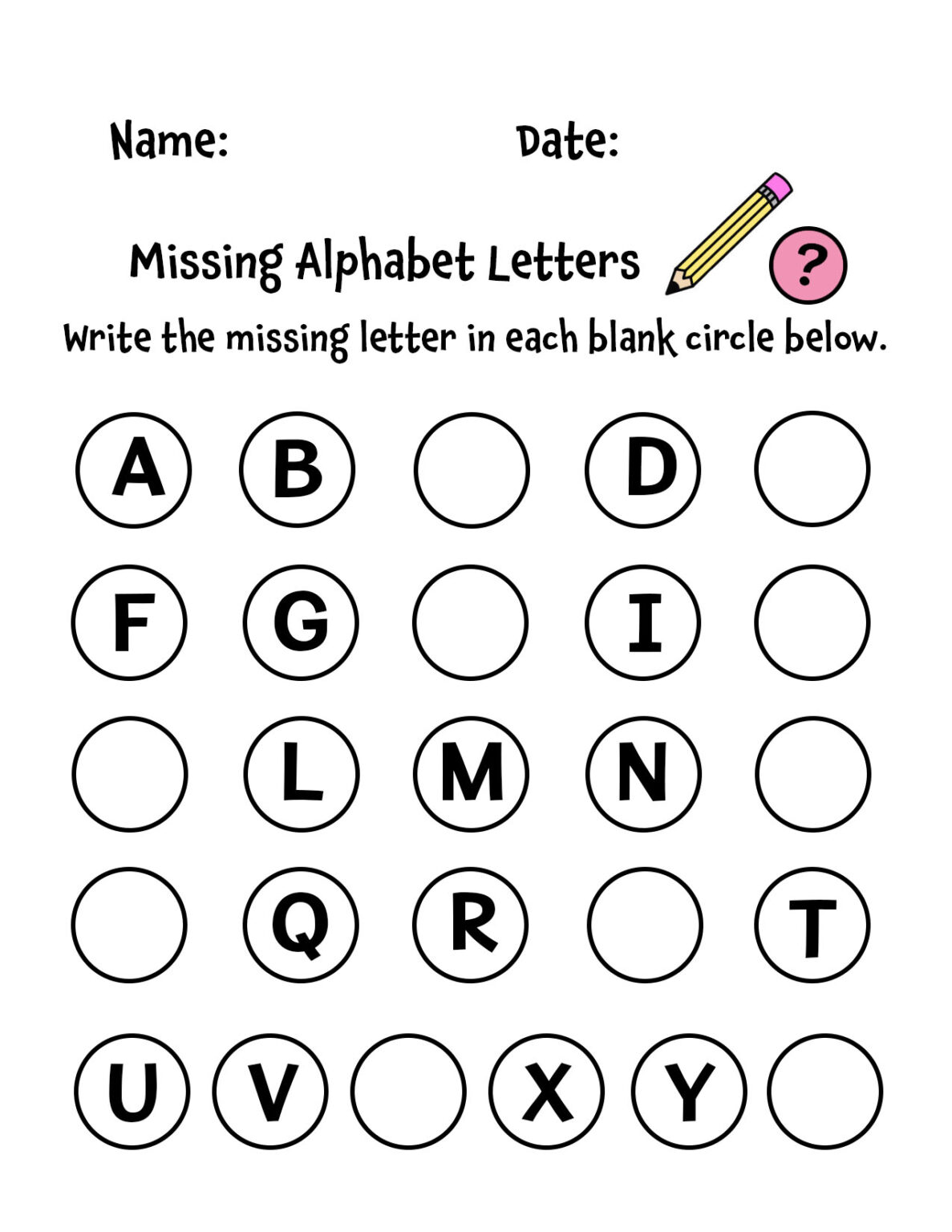
Where to Find Printable Missing Alphabet Worksheets
There are many platforms available where you can find and download the Missing Alphabet Worksheet Capital And Small. Websites dedicated to educational resources often provide a variety of worksheets tailored for different age groups and learning stages. Look for resources that offer printable formats, ensuring you can easily access and print them for immediate use.
When searching for worksheets, consider factors such as:
- Age Appropriateness: Ensure the worksheet is suitable for the child’s learning level. Resources vary widely, so opt for those that cater to young learners just beginning their alphabet journey.
- Printable Quality: Look for PDF formats to avoid any formatting issues that can arise with image files. PDFs generally maintain their layout across different devices and printers.
- Variety of Exercises: Choose worksheets that offer a mix of activities, from filling in the blanks to tracing letters. This variety can keep your child engaged and less likely to lose interest.
Using a Missing Alphabet Worksheet Capital And Small can transform a simple learning task into an engaging and effective educational experience. By incorporating varied teaching strategies, adapting to different learning styles, and promoting a positive learning environment, you can help your child or students master the alphabet in a fun and impactful way. If you are at home or in a classroom, this resource can be a valuable addition to your educational toolkit.