
In a cozy corner of a bright classroom, a teacher named Ms. Sarah is preparing for her Pre-K class. She knows that introducing the alphabet to her young learners can be both exciting and challenging. With her stack of Free Printable Alphabet Worksheets For Pre-K, she’s ready to create a fun and educational environment that encourages her students to engage with letters in a hands-on way.
Importance of Alphabet Recognition in Pre-K
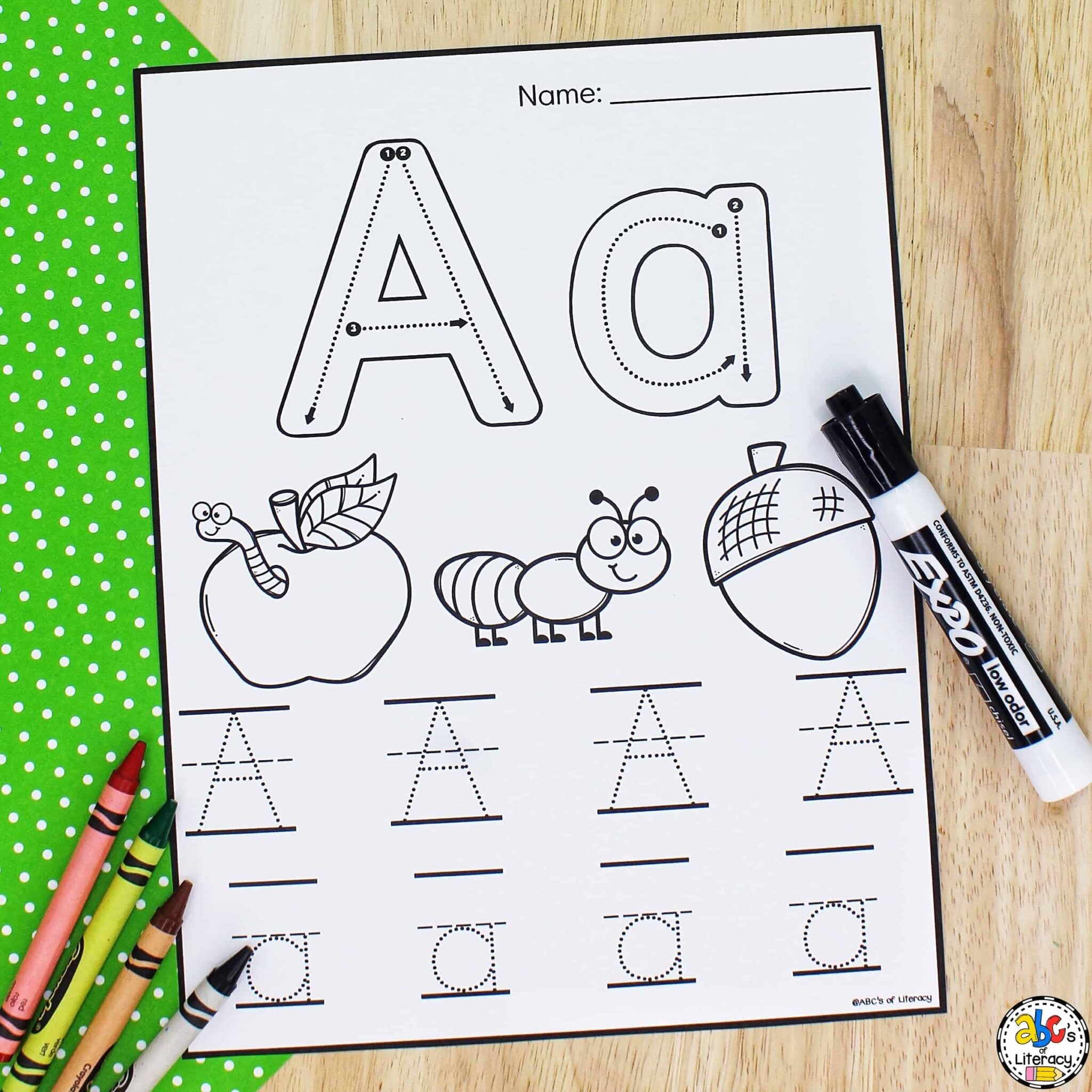
For children aged 4 to 5, recognizing letters is a crucial milestone in their early education. Alphabet recognition lays the foundation for reading and writing, helping kids identify letters and their sounds. Using Free Printable Alphabet Worksheets For Pre-K allows teachers and parents to provide structured opportunities for practice. These worksheets often feature various activities, such as tracing, coloring, and matching, which cater to different learning styles.
Incorporating these worksheets into daily routines can be beneficial. For example, dedicating a few minutes each day to an alphabet worksheet can help reinforce learning and retention. This consistent practice is essential because repeated exposure to letters helps solidify the connection between the letter shapes and their sounds.
How to Use Alphabet Worksheets Effectively
Create a Weekly Plan
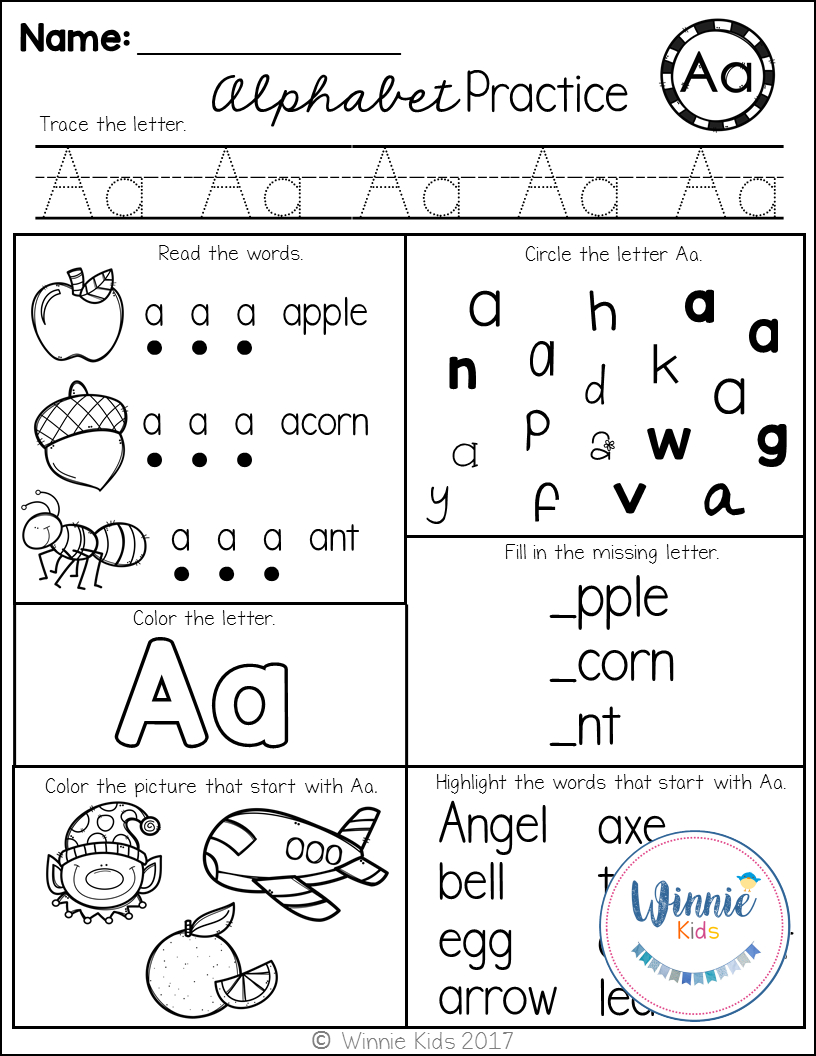
To maximize the benefits of Free Printable Alphabet Worksheets For Pre-K, consider creating a simple weekly plan. This plan can help structure your lessons while ensuring that each letter is addressed thoroughly.
- Choose a Letter of the Week: Focus on one letter each week. For instance, start with “A” and plan activities that center around this letter.
- Daily Activities: Utilize the worksheets for different activities throughout the week. For example, on Monday, students can trace the letter, on Tuesday, color pictures that start with “A,” and on Wednesday, practice writing it.
- Review Day: Set aside a day for review, where students can showcase what they’ve learned through games or group activities.
Incorporate Multi-Sensory Learning
To keep children engaged, incorporate multi-sensory learning techniques alongside the worksheets. For example, after completing a worksheet, you can have children:
- Use Playdough: Have them form the letter using playdough, which reinforces their understanding through tactile learning.
- Go on a Letter Hunt: Create a scavenger hunt where students find items in the classroom that start with the week’s letter.
- Sing Songs: Integrate songs or rhymes that emphasize the letter sounds and reinforce their learning in an enjoyable way.
Types of Activities in Free Printable Alphabet Worksheets
When selecting Free Printable Alphabet Worksheets For Pre-K, look for a variety of activities that cater to different skill levels and learning preferences. Here are some common types of activities you might find:
Tracing and Writing
These worksheets typically feature dotted letters for children to trace. This activity helps improve fine motor skills and letter formation. Encourage your students to say the letter’s name and sound as they trace, reinforcing their learning.
Coloring Pages
Coloring pages that feature the letter alongside relevant images (like “A” for apple) help children connect the letter to its phonetic sound. This visual association is crucial for early literacy development.
Matching and Sorting
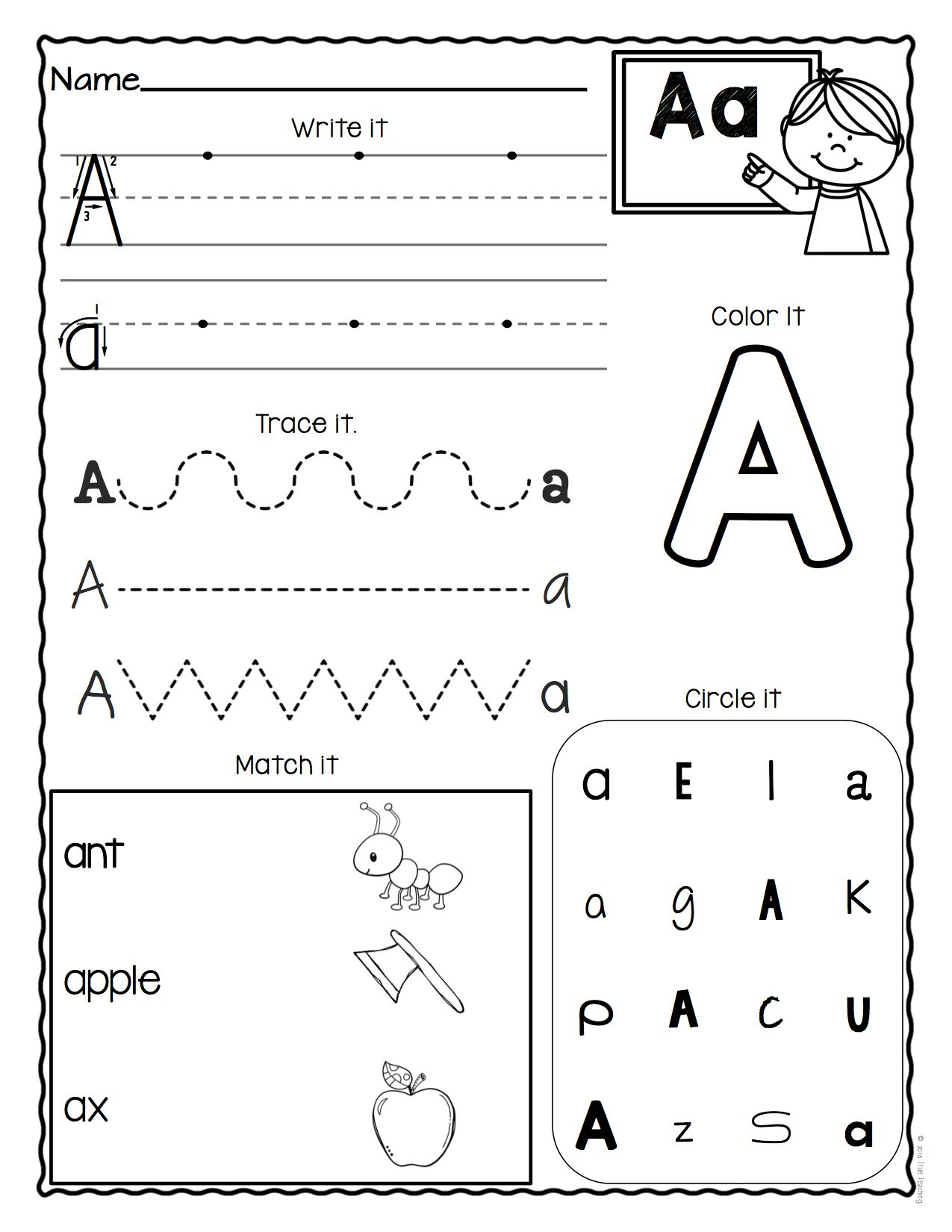
Worksheets that involve matching letters to pictures or sorting items by their initial letter help reinforce recognition in a fun way. You can extend these activities by asking students to name each item as they match or sort.
Tips for Printing and Using Worksheets
When preparing to print your Free Printable Alphabet Worksheets For Pre-K, keep a few tips in mind to ensure the best results:
- Paper Quality: Using cardstock can provide sturdier worksheets that hold up better to repeated use, especially if kids are tracing or coloring.
- Print Settings: Ensure your printer settings are adjusted for the paper size you are using. Standard letter size (8.5 x 11 inches) is the most common.
- Lamination Option: If you plan to reuse worksheets, consider laminating them. This allows children to use dry-erase markers for tracing, making cleanup easy and saving paper.
Tracking Progress and Reinforcement
To monitor progress effectively, keep a portfolio for each child. Include completed worksheets, notes on their performance, and any observations you have. This portfolio can be a great tool during parent-teacher conferences to showcase growth.
Additionally, reinforce learning by providing positive feedback. Celebrate small victories, whether it’s correctly identifying a letter or completing a worksheet. This encouragement builds confidence and motivates children to engage further.