
The Fill In The Blank Alphabet Worksheet Free is a fantastic tool for teachers and parents who want to enhance children’s letter recognition and writing skills. This printable resource is designed specifically for young learners, typically in preschool to early elementary grades (ages 3-7). The worksheet features a clean, simple layout that encourages children to engage actively with each letter of the alphabet.
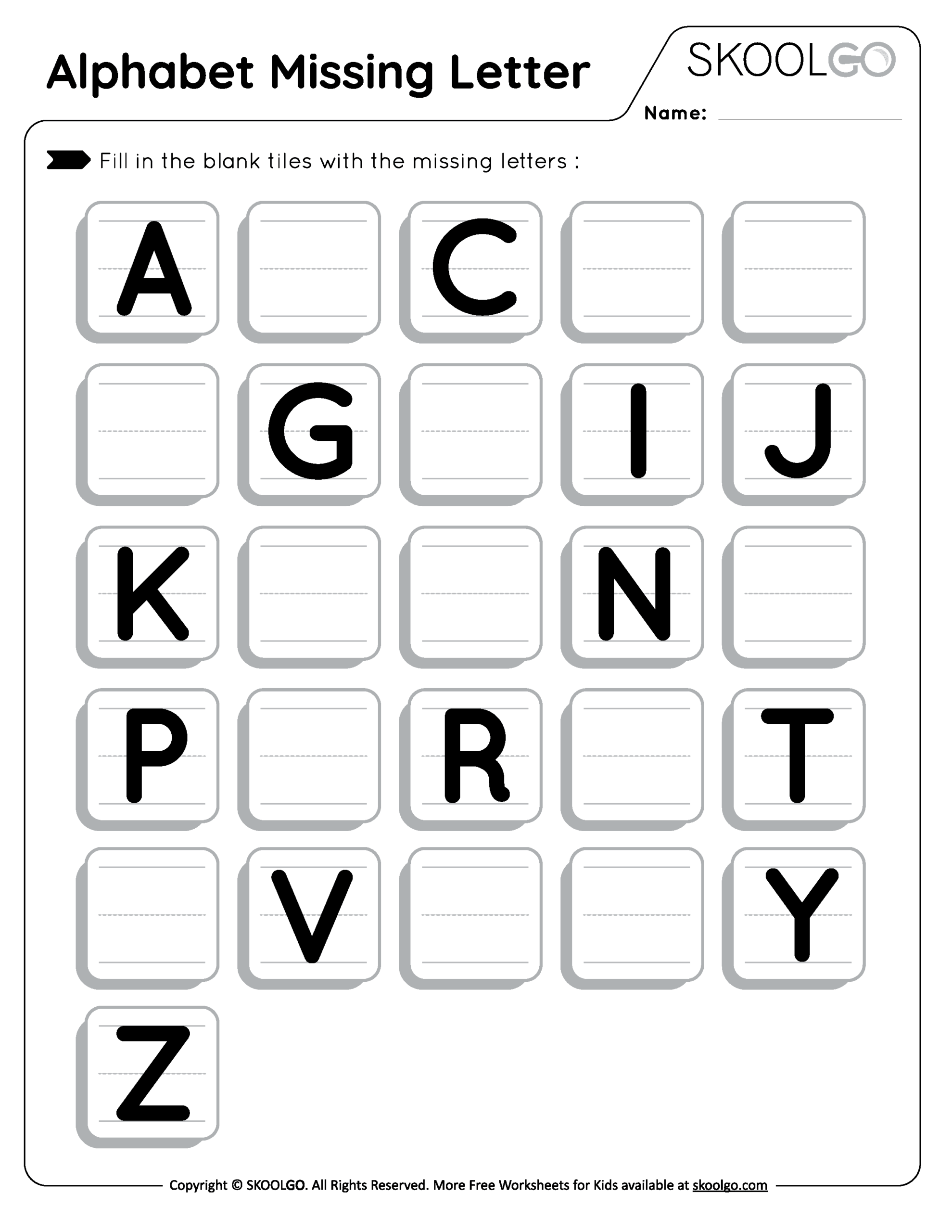
Understanding the Layout of the Worksheet
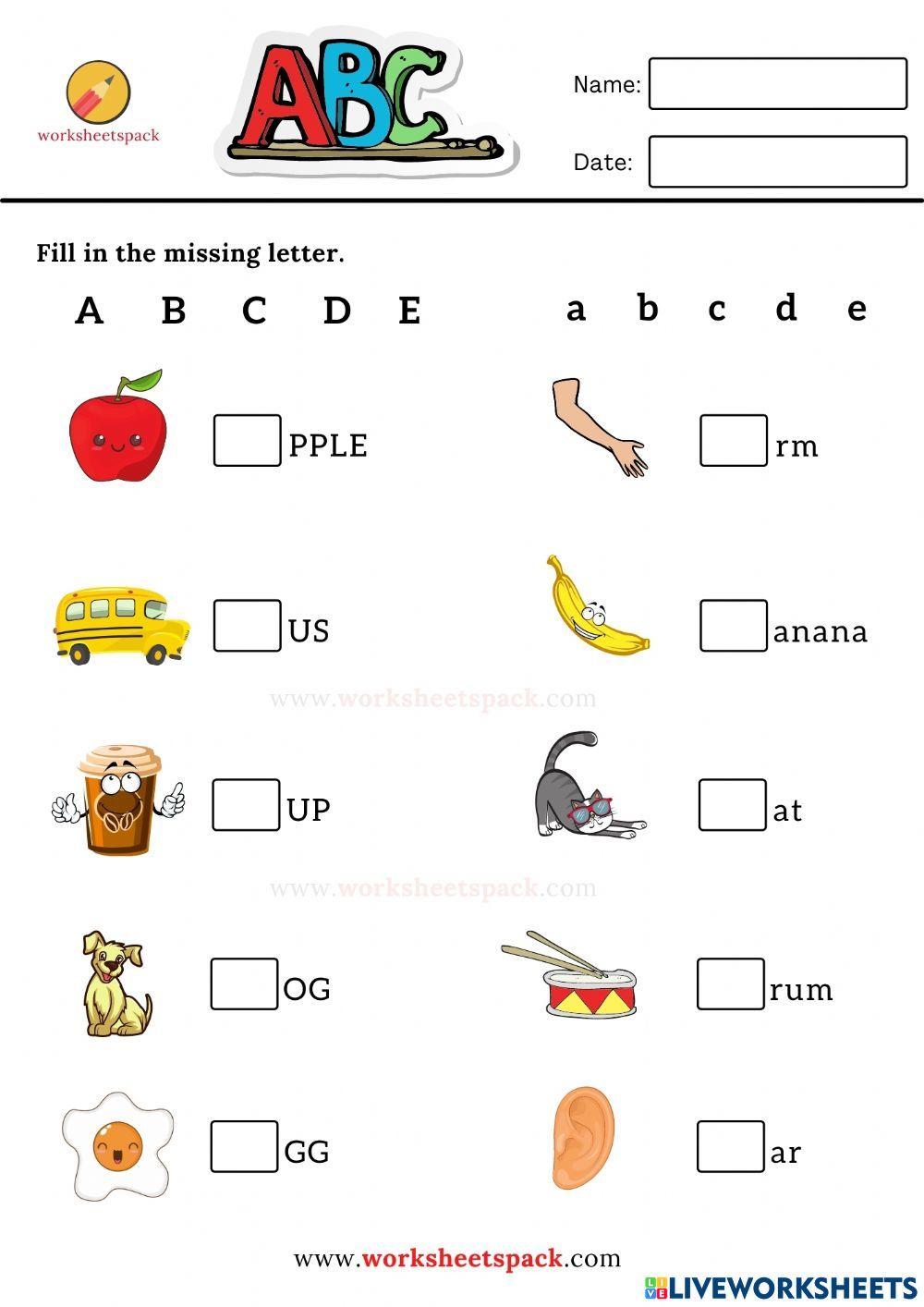
The worksheet is typically structured to present the alphabet in a clear and accessible way. Each letter is paired with a series of words or images, with specific letters missing. This design allows children to visually connect the letter with its phonetic sound and corresponding word. For instance, the worksheet might present the letter “A” with the words “A_ple” or “A_igator,” inviting students to fill in the blank with the correct letter.
The choice of using images alongside words is intentional; it helps reinforce understanding through visual learning. Children can associate the missing letter with both the word and its image, which supports memory retention and understanding.
Practical Use in the Classroom or Home
Using the Fill In The Blank Alphabet Worksheet Free can be incorporated into various teaching strategies. You might choose to distribute these worksheets during individual practice time, group activities, or as part of a literacy center.
One effective approach is to space out the use of these worksheets throughout the week. For example, you could introduce a new letter each day, allowing students to practice filling in the blanks in their own time. This repetition is crucial for solidifying their understanding of the alphabet. Spacing practice helps ensure that children can recall the letters without relying solely on memorization.
Suggested Activities to Enhance Learning
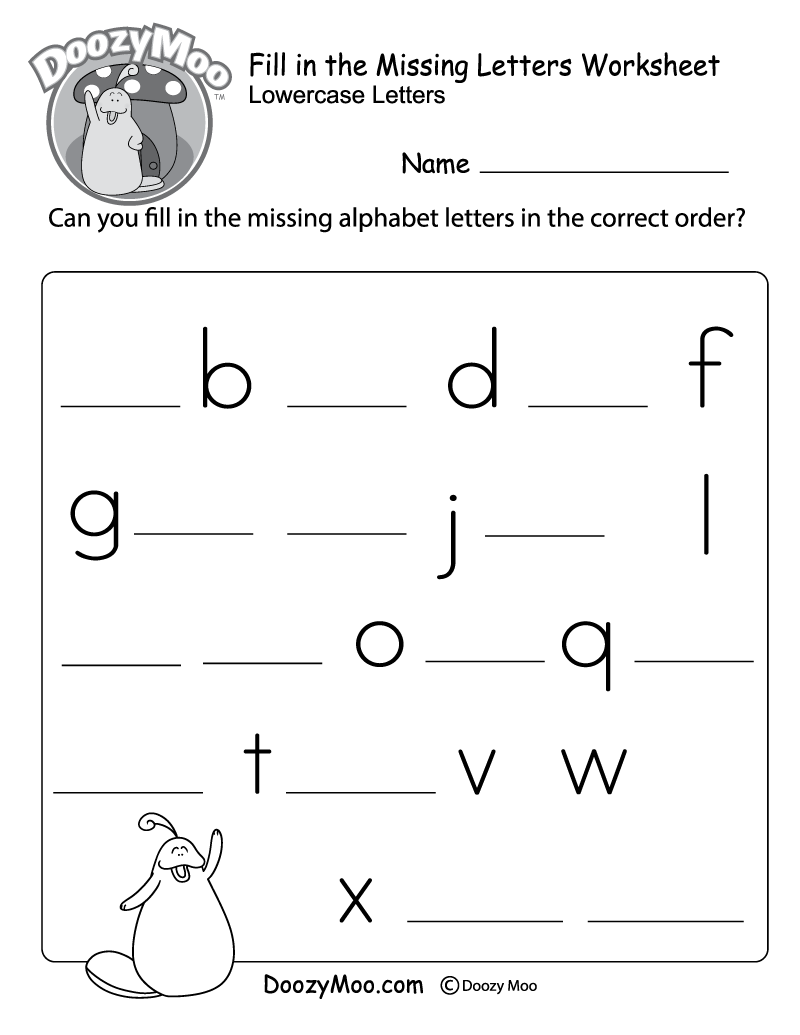
To further enrich the learning experience, consider pairing the worksheet with additional activities:
- Alphabet Songs: Sing songs that emphasize the letters of the alphabet. This auditory reinforcement can help solidify the connection between sounds and letters.
- Flashcards: Use flashcards with the alphabet letters. After completing the worksheet, flash the letter and ask the students to recall words that begin with it.
- Art Projects: Encourage children to create illustrations for each letter. This tactile activity can help reinforce their learning and make it memorable.
Choosing the Right Paper and Printing Options
When preparing to print the Fill In The Blank Alphabet Worksheet Free, consider the type of paper you’ll use. Standard printer paper (8.5 x 11 inches) is usually sufficient, but if you want the worksheets to last longer, opt for cardstock. Cardstock is more durable and can withstand repeated handling, especially if you plan to use them in a classroom setting.
If you have access to a color printer, printing the worksheets in color can enhance their appeal. Colorful images and letters attract children’s attention and make the activity more engaging. However, if your resources are limited, black and white prints are still effective. You can always have students color in the images after completing the worksheet, adding an extra layer of interaction.
Print Settings to Consider
When printing, adjust your settings to ensure the worksheet appears correctly on the page. Setting your printer to a portrait layout generally works best for worksheets, as it maximizes space for each letter and word pair. Ensure that the scaling is set to “fit to page” to avoid any cropping of essential content.
Tracking Progress and Assessing Understanding
As you use the Fill In The Blank Alphabet Worksheet Free with your students, it’s essential to track their progress. One way to do this is by keeping a portfolio for each child where you collect their completed worksheets. This collection will not only show their progress over time but also highlight areas where they may need additional support.
After completing a series of worksheets, consider conducting a simple assessment. You could ask students to orally recite the alphabet while pointing to the corresponding letters in their worksheets. This activity helps you gauge their understanding and retention of the material.
Additionally, encourage peer feedback by allowing students to share their work with each other. This collaborative approach can foster a supportive learning environment and enhance their communication skills.