
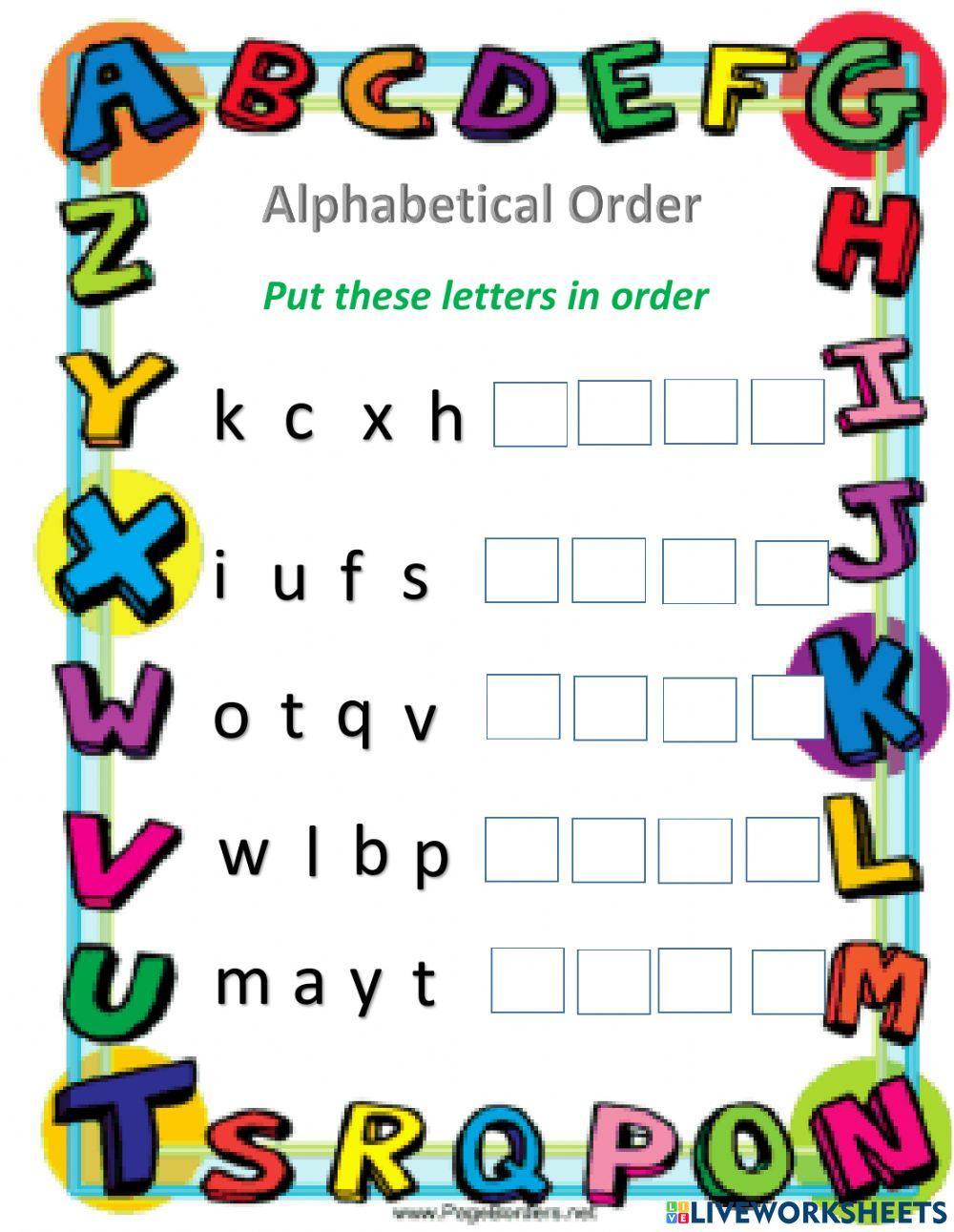
Practicing alphabetical order helps children develop essential literacy skills and supports their reading and writing abilities. Alphabetical Order A To Z Worksheets provide a structured way for kids to learn how to arrange words or objects according to the alphabet. These worksheets can be utilized in various settings, including classrooms, homeschools, or even at home.
Understanding Alphabetical Order
Before diving into activities, it’s essential to understand why learning alphabetical order is crucial. Alphabetical order is the foundation of organizing information, which is vital in reading, writing, and even locating resources like books in a library. When children can arrange words A to Z, they not only improve their vocabulary but also their cognitive skills, as they learn to recognize patterns and sequence.
Typically, children begin learning about alphabetical order in kindergarten and continue to refine these skills through early elementary grades. Worksheets that focus on this concept allow for repeated practice, which is key to mastering the skill.
How to Use Alphabetical Order A To Z Worksheets
When using Alphabetical Order A To Z Worksheets, the approach can vary depending on the age and proficiency of the children. Here’s a practical guide on how to effectively implement these resources:
- Print and Prepare: First, choose a worksheet that suits your child’s skill level. If you’re in a classroom, consider printing multiple copies for group activities. Use a standard paper size (8.5 x 11 inches) to ensure compatibility with most printers.
- Introduce the Concept: Before handing out the worksheets, explain the concept of alphabetical order. You might find it helpful to use familiar items, like the names of students in the class or common household items, to illustrate how to arrange them from A to Z.
- Guided Practice: Start with a few examples together. For instance, write a list of animals on the board and ask the students to help you arrange them alphabetically. This collaborative effort will help solidify their understanding.
- Independent Practice: Once students grasp the concept, give them the worksheets to complete independently. Encourage them to sound out the words as they write or fill in the blanks. This practice reinforces their phonetic skills alongside their alphabetical skills.
- Review and Discuss: After the worksheets are completed, review the answers as a group. This is an excellent opportunity to discuss any mistakes and clarify misunderstandings. You might ask questions like, “Why does ‘cat’ come before ‘dog’?” to reinforce the concept.
Types of Alphabetical Order Worksheets
Alphabetical Order A To Z Worksheets come in various formats and can cater to different learning styles. Here are some common types you might encounter:
Word Sorting Worksheets
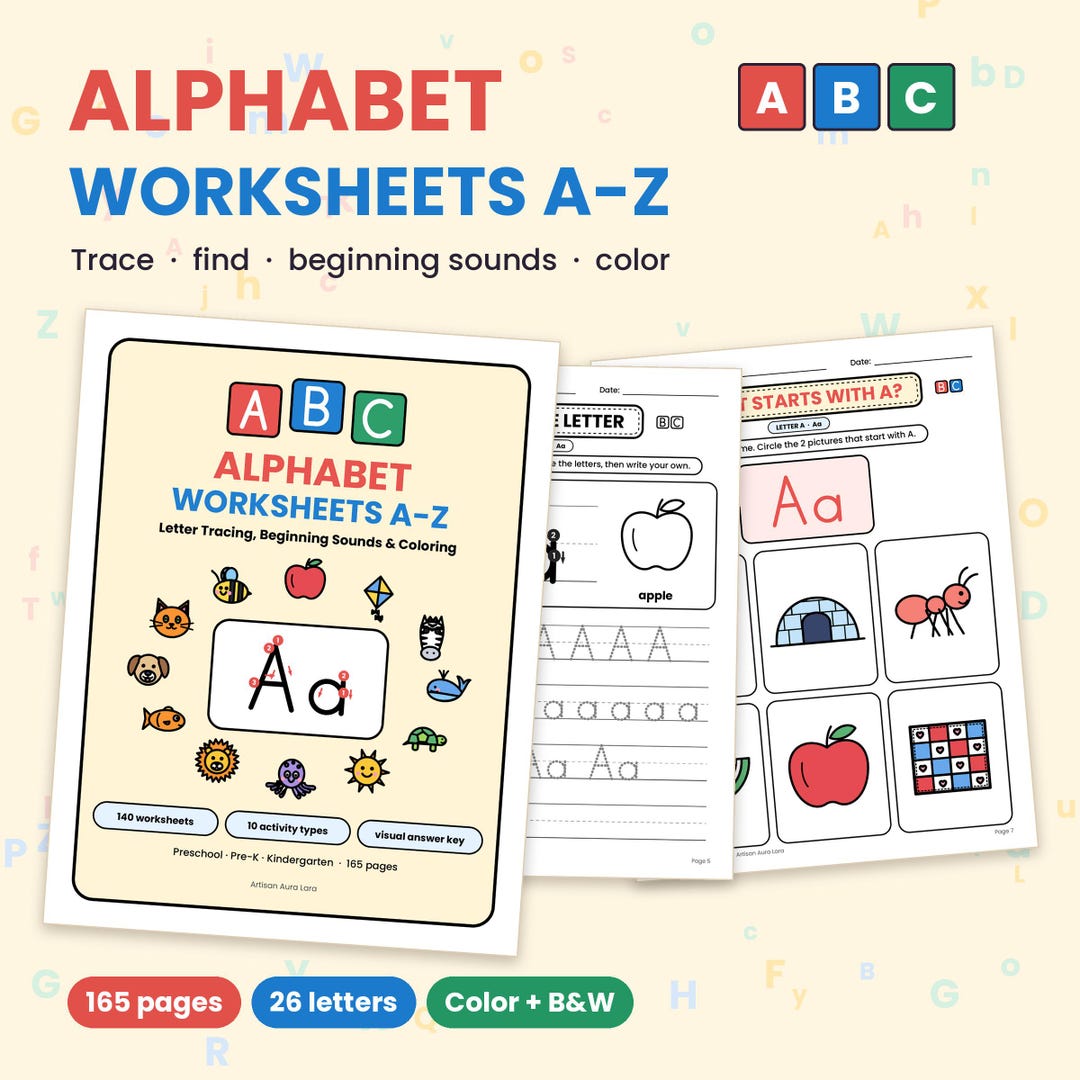
These worksheets typically provide a list of words that students must sort into alphabetical order. This format is great for practicing spelling and reinforces word recognition.
Fill-in-the-Blank Worksheets
Fill-in-the-blank worksheets challenge children to write words in alphabetical order based on provided clues or categories. This method encourages critical thinking as students must recall vocabulary and apply their understanding of alphabetical order.
Coloring Worksheets
For younger children, combining learning with fun can be very effective. Coloring worksheets often incorporate letters and images, allowing kids to color while also learning about alphabetical order. This interactive method keeps them engaged and motivated.
Monitoring Progress
To truly assess your child’s mastery of alphabetical order, it’s important to monitor their progress over time. Here are a few strategies to check their understanding:
- Observe Completion Time: Note how quickly and accurately your child can complete the worksheets. As they become more proficient, you should see a decrease in the time it takes them to finish.
- Assess Accuracy: Go through their answers together. If they frequently make mistakes with specific letters or words, it may indicate a need for further practice in that area.
- Encourage Peer Review: In a classroom setting, allow students to swap worksheets and review each other’s work. This not only fosters collaboration but also helps them learn from their peers.
- Use Varied Activities: Incorporate different types of activities to reinforce their skills. For example, you might have them sort physical objects (like blocks or cards) in alphabetical order, which can provide a hands-on learning experience.
Additional Activities to Reinforce Learning
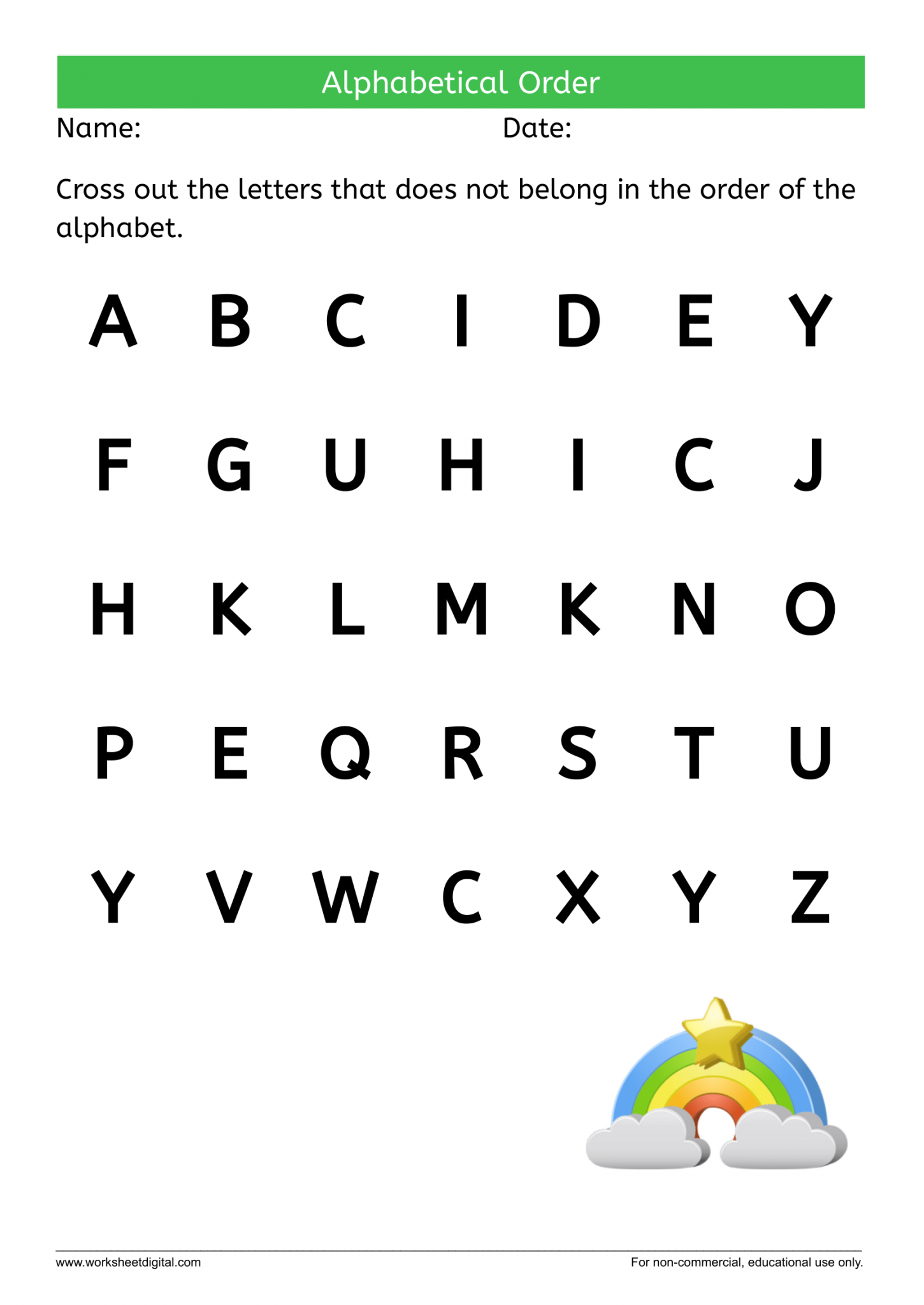
While worksheets are a great resource, incorporating additional activities can further reinforce alphabetical order skills. Here are some practical ideas:
- Alphabet Games: Engage students with games that require them to arrange letters or words in order. Simple games like “Alphabet Bingo” can make learning fun.
- Story Time: Read books that emphasize alphabetical order. After reading, discuss the arrangement of the words or characters in the story.
- Crafts: Have students create their own alphabet books. They can illustrate and label items that start with each letter, reinforcing their understanding through creativity.
- Organizing a Classroom Library: If you have access to a classroom library, involve students in organizing books by title. This real-world application helps them understand the importance of alphabetical order.
Using Alphabetical Order A To Z Worksheets and combining them with engaging activities can greatly enhance a child’s learning experience. By providing a variety of formats and consistent practice, you can help solidify their understanding of this essential skill.
As an immediate next step, consider printing a few worksheets today and setting aside time for a fun learning session with your child or students.