
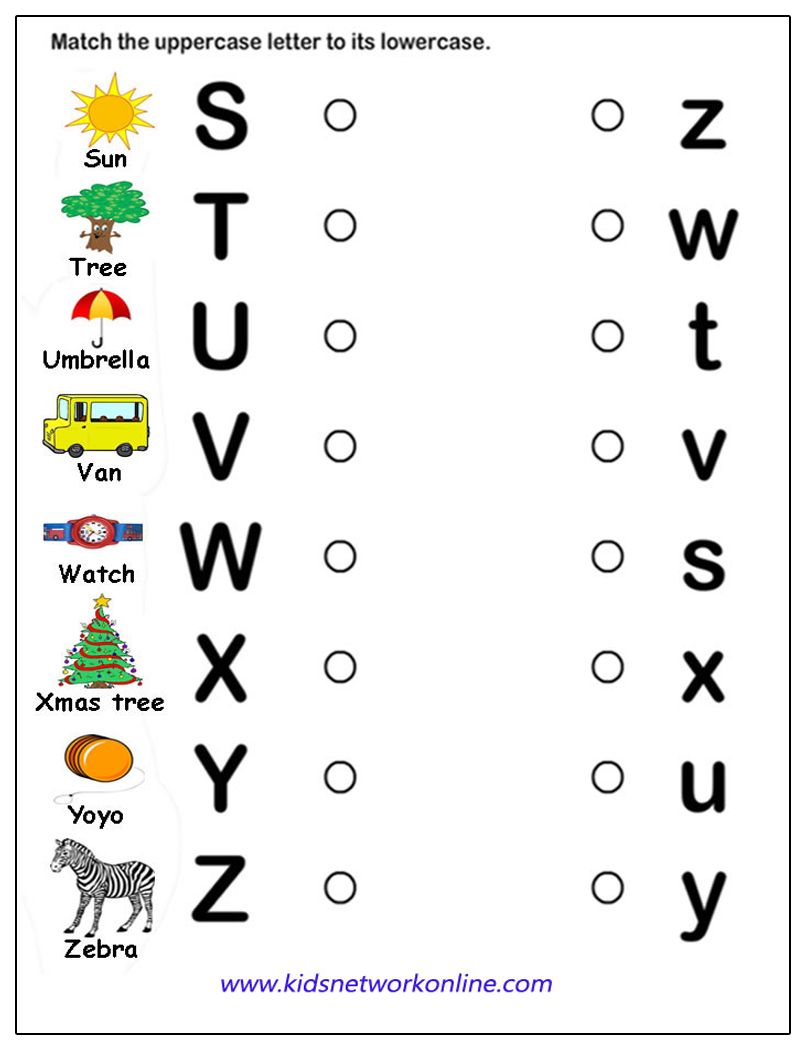
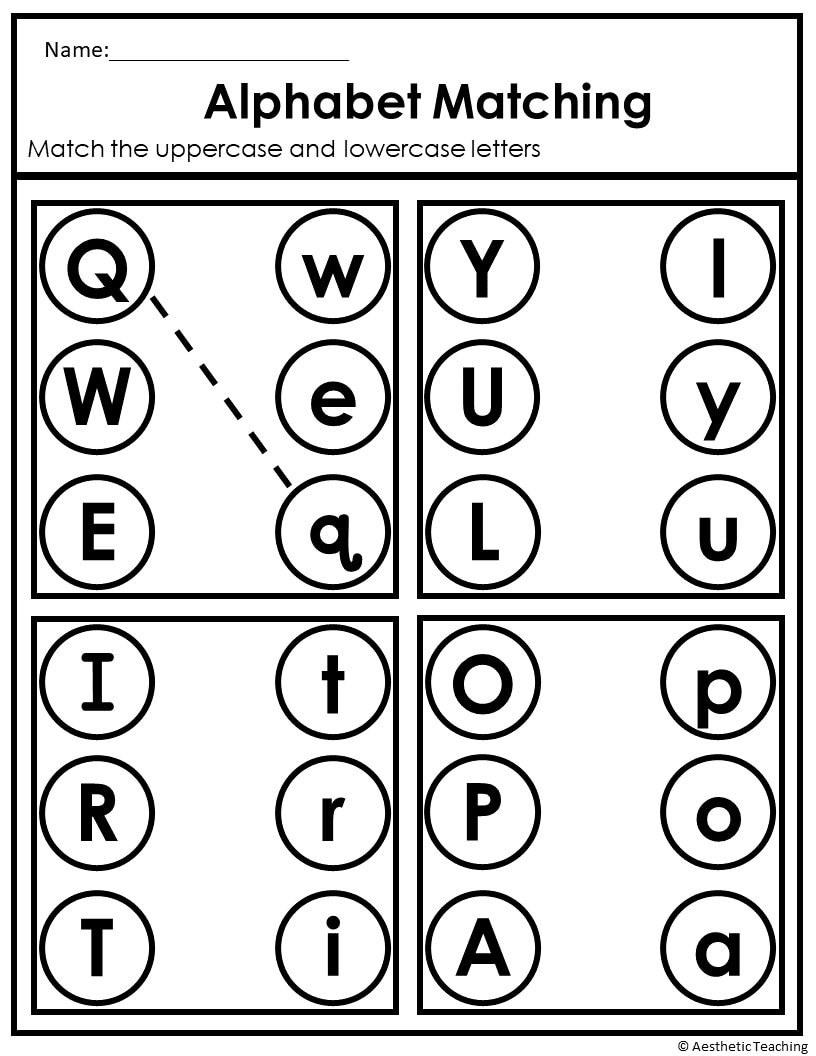
Using Alphabet Matching Uppercase And Lowercase Worksheets is an effective way to help children develop their letter recognition skills. These worksheets are designed for preschool and early elementary students, typically ages 4 to 7, making them an essential resource for teachers and parents alike. By matching uppercase letters with their lowercase counterparts, children gain a deeper understanding of the alphabet, which is foundational to reading and writing.
The Importance of Letter Recognition
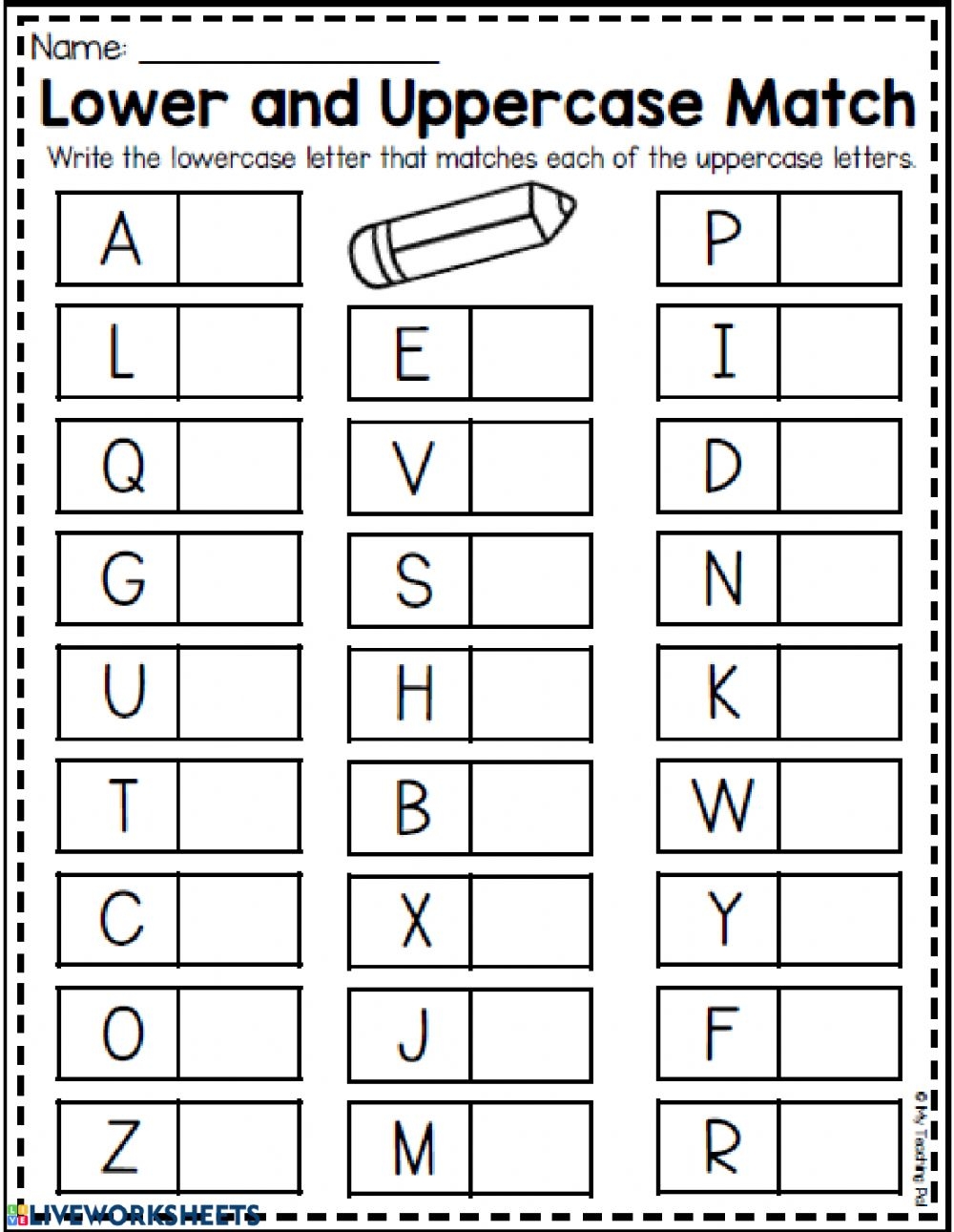
Letter recognition is a critical skill in early literacy development. It lays the groundwork for reading and writing, as children learn to identify letters and understand their corresponding sounds. Alphabet Matching Uppercase And Lowercase Worksheets provide a fun and interactive way for students to practice this essential skill. By engaging with these worksheets, children can visually connect the uppercase letters they see in books and signage with their lowercase forms, which they often encounter in text.
Features of Effective Worksheets
When selecting Alphabet Matching Uppercase And Lowercase Worksheets, consider the following features to ensure they meet your educational goals:
- Clear Layout: Worksheets should have a clean and uncluttered design, making it easy for children to focus on the task of matching letters.
- Varied Activities: Look for worksheets that include a mix of matching exercises, coloring opportunities, and even tracing to keep students engaged.
- Age Appropriateness: Ensure that the worksheets are suitable for the grade level you are teaching. Simpler designs work best for younger children, while more complex worksheets can challenge older preschoolers or kindergartners.
- Printable Format: Choose worksheets that are easily downloadable and printable. A PDF format is often the most reliable, as it preserves the layout across different devices.
How to Use the Worksheets in the Classroom
In a classroom setting, you can incorporate Alphabet Matching Uppercase And Lowercase Worksheets into your daily routine in several ways:
- Independent Practice: Allow students to work on worksheets independently at their desks. This helps them develop confidence in their skills.
- Small Group Activities: Group students together to encourage collaboration. They can discuss their answers and help each other as they work through the matching process.
- Center Activities: Include these worksheets as part of a literacy center where students can rotate through different activities. This keeps learning dynamic and engaging.
- Assessment Tool: Use the completed worksheets to assess students’ understanding of letter recognition. This can be particularly useful for identifying which students may need additional support.
Tips for Parents Using Worksheets at Home
For parents looking to reinforce their child’s learning at home, here are some practical tips for using Alphabet Matching Uppercase And Lowercase Worksheets effectively:
- Create a Routine: Set aside a specific time each day for worksheet activities, making it a regular part of your child’s learning schedule.
- Encourage Discussion: Talk with your child about the letters they are matching. Ask questions about the sounds those letters make and where they might see those letters in their environment.
- Use Rewards: Keep motivation high by offering small rewards for completing worksheets. Stickers or extra playtime can be great incentives.
- Incorporate Technology: If your child enjoys screens, consider finding apps or online games that complement the skills they are practicing on the worksheets.
Monitoring Progress: What Mastery Looks Like
As children work through Alphabet Matching Uppercase And Lowercase Worksheets, it’s crucial to monitor their progress. Here’s what mastery looks like:
- Accuracy: Children should be able to correctly match a significant percentage of uppercase and lowercase letters. Aim for at least 80% accuracy as a benchmark.
- Speed: While accuracy is essential, speed also matters. Children should be able to complete the worksheets within a reasonable time frame, showing they are comfortable with the material.
- Engagement: Watch for signs of engagement. Are they focused and interested, or do they seem frustrated? Adjust the difficulty of the worksheets as needed to keep them challenged but not overwhelmed.
Additional Resources for Letter Recognition
To complement the use of Alphabet Matching Uppercase And Lowercase Worksheets, consider incorporating these additional resources:
- Flashcards: Use flashcards for quick, interactive letter recognition games. This can reinforce what they are learning on the worksheets.
- Storybooks: Choose books that emphasize letter recognition, such as alphabet books or those with repetitive phrases featuring letters.
- Educational Apps: There are various apps available that reinforce letter matching and recognition through games and interactive activities. These can be a fun supplement to traditional worksheets.
By using Alphabet Matching Uppercase And Lowercase Worksheets effectively, both teachers and parents can provide children with a solid understanding of the alphabet. This foundational skill will serve them well as they progress in their reading and writing journeys.