
When teaching preschoolers, the right resources can make all the difference. Activities Preschool Match Alphabets With Pictures Worksheets are an effective way to help young children connect letters with corresponding images, enhancing their phonetic awareness and vocabulary. These worksheets typically come in a user-friendly PDF format, making them easy to download, print, and distribute to your students or children at home.
Understanding the Importance of Alphabet Matching Activities
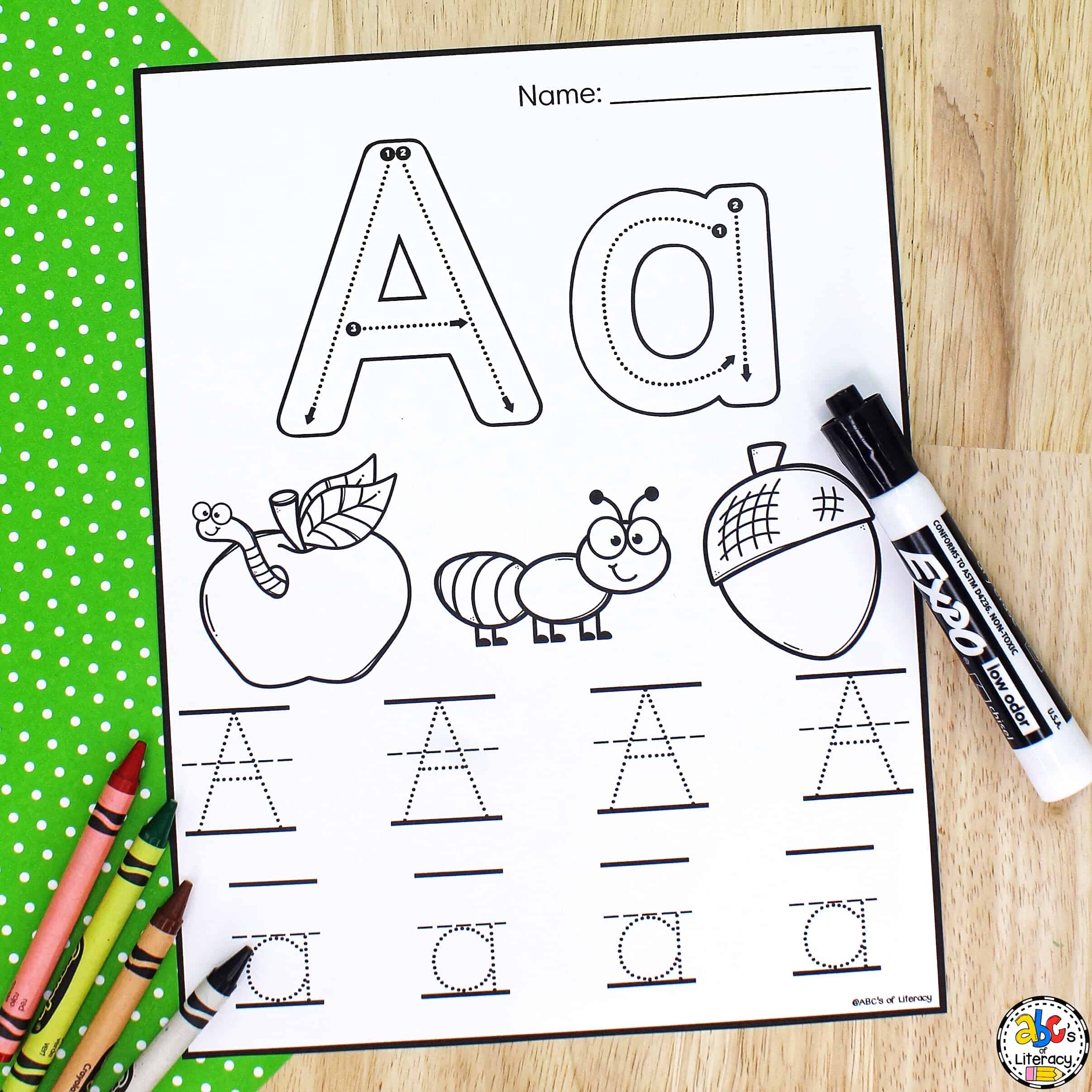
Alphabet matching activities are foundational for early literacy development. They encourage letter recognition and help children associate letters with sounds and words. By using pictures, children can visualize the concepts, making the learning process more engaging and less abstract. This method is particularly effective for preschoolers, who often benefit from tactile and visual learning experiences.
Using worksheets that incorporate both alphabets and pictures allows children to practice their cognitive skills, fine motor skills, and critical thinking. They learn to recognize letters not just as symbols, but as integral parts of words and meanings.
How to Use Activities Preschool Match Alphabets With Pictures Worksheets
Step 1: Downloading the Worksheets
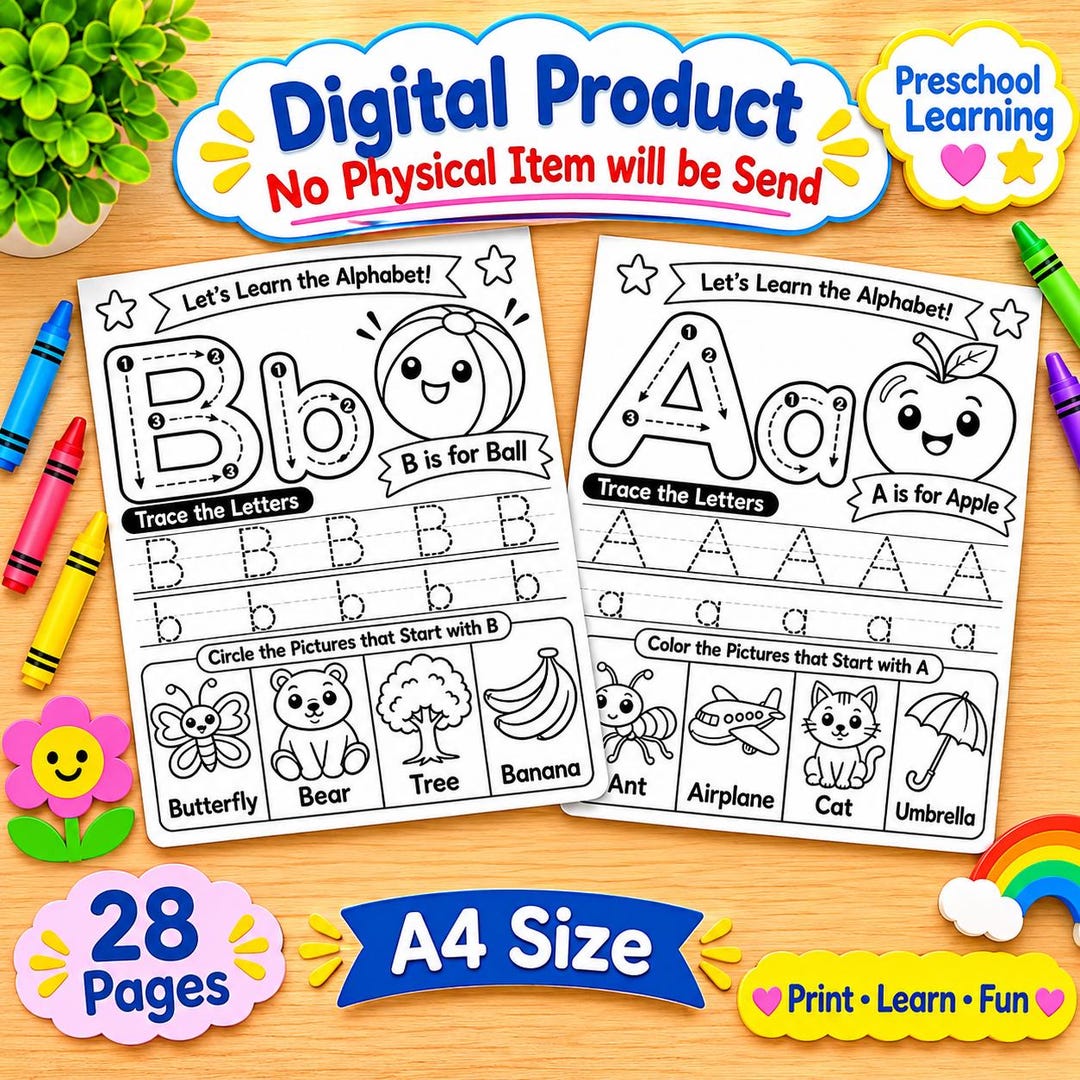
The first step is to find a reliable source that offers Activities Preschool Match Alphabets With Pictures Worksheets. Many educational websites provide free printable worksheets. Ensure that you select a PDF version, as this format maintains the layout and quality, preventing any reformatting issues that may arise with other file types.
Step 2: Printing the Worksheets
Once downloaded, it’s time to print the worksheets. For classroom settings, consider printing them on standard letter-sized paper (8.5 x 11 inches) for ease of handling and distribution. If you want them to last longer, printing on cardstock can be beneficial, especially if you plan to laminate them for repeated use.
Make sure to adjust your printer settings for optimal quality; you might want to set the print to portrait orientation, which generally works better for worksheets.
Step 3: Setting Up the Activity
Before starting the activity, prepare your workspace. Gather the necessary materials, such as crayons or markers for coloring, and scissors if you plan to cut out pictures or letters. Explain the purpose of the activity to your students, emphasizing how it connects letters with sounds and words they already know.
Step 4: Engaging With the Worksheets
Distribute the worksheets and encourage your students to match each letter with the corresponding picture. For example, if the letter “A” is paired with an image of an apple, students should draw a line connecting the two. Encourage them to say the name of the object as they work, reinforcing their learning through verbal repetition.
For added engagement, you can turn this into a group activity where students can work in pairs or small groups. This promotes teamwork and allows them to learn from one another.
Step 5: Reviewing the Completed Worksheets
After the activity, take some time to review the worksheets with the students. This is a critical step as it helps reinforce their learning. Go through each letter and picture, asking students to share what they matched and why. This encourages discussion and allows you to correct any misunderstandings.
Tips for Maximizing Learning With Worksheets
- Incorporate Movement: Turn the activity into a game. For example, you can have students hop to the correct picture after they’ve matched it with the letter on the worksheet.
- Use Real-Life Objects: If possible, bring in real-life objects that correspond with the letters. This adds a tactile element that can enhance understanding.
- Create a Learning Station: If you have the space, set up a dedicated area in your classroom or home where children can freely explore alphabet matching activities with various resources.
Additional Activities to Complement Alphabet Matching
While Activities Preschool Match Alphabets With Pictures Worksheets are fantastic for teaching letter recognition, consider complementing them with other activities:
- Alphabet Songs: Singing songs that emphasize letter sounds can reinforce what the children learn through worksheets.
- Story Time: Read books that focus on letters and their sounds. Point out the letters in the words as you read.
- Craft Projects: Create crafts that incorporate letters, like making an “A” for apple out of construction paper.
Adapting Worksheets for Different Learning Levels
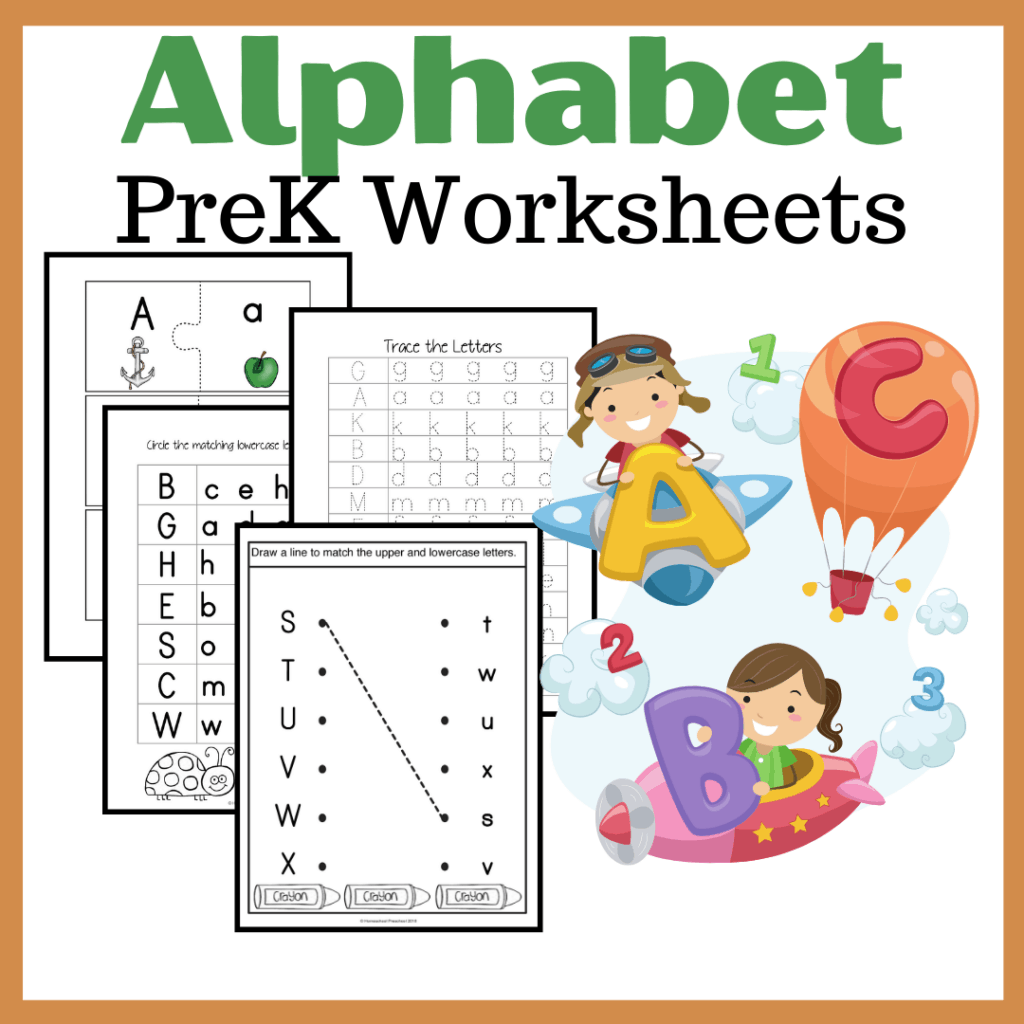
Every child learns at their own pace. To accommodate varying skill levels, consider creating differentiated worksheets. For advanced learners, include more complex words or additional pictures. For those who may need extra help, offer worksheets with fewer choices or larger pictures to facilitate the matching process.
You can also provide an answer key for parents and teachers to make it easier to review the completed worksheets. This can save time during assessments and discussions about the students’ progress.
Using Activities Preschool Match Alphabets With Pictures Worksheets can significantly enhance preschool learning experiences. By following these steps and incorporating additional activities, you’ll create a rich learning environment that fosters early literacy skills. Remember, the goal is to make learning fun and engaging, allowing children to thrive in their educational journey.