
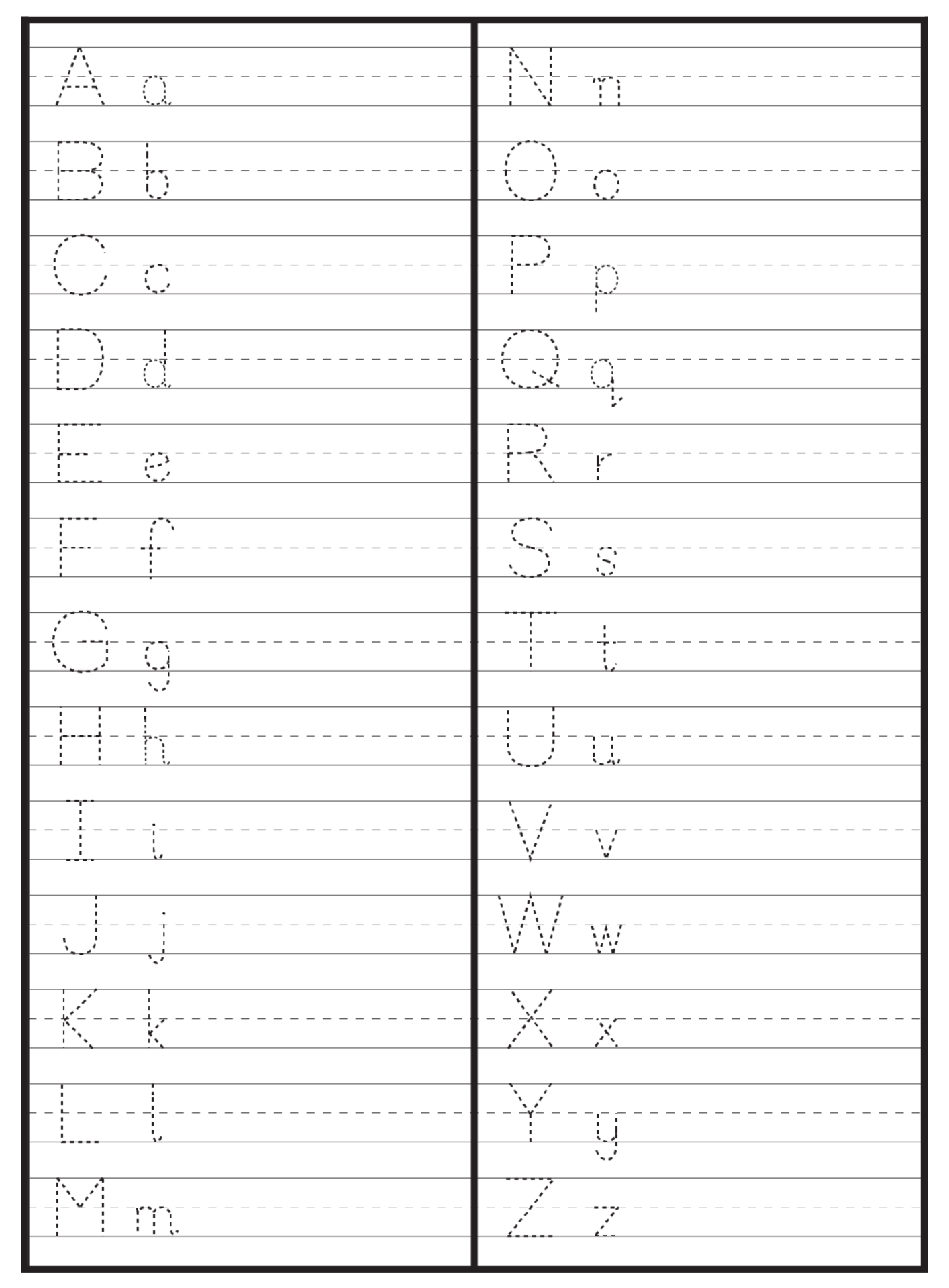
Handwriting can be a challenging skill for young learners. Many children struggle with letter formation, spacing, and overall fluency in writing. To address these issues, using Printable Alphabet Handwriting Worksheets A To Z can significantly help reinforce these essential skills. These worksheets provide a structured approach to learning each letter, making it easier for both teachers and parents to guide children through the handwriting process.
Understanding the Importance of Handwriting Practice
Why is handwriting practice essential? For young learners, developing good handwriting skills lays the foundation for effective communication. Clear writing not only helps with school assignments but also boosts a child’s confidence in expressing themselves. The Printable Alphabet Handwriting Worksheets A To Z serve as a practical tool to enhance these skills by offering repetitive practice, which is crucial for muscle memory.
Target Age Group
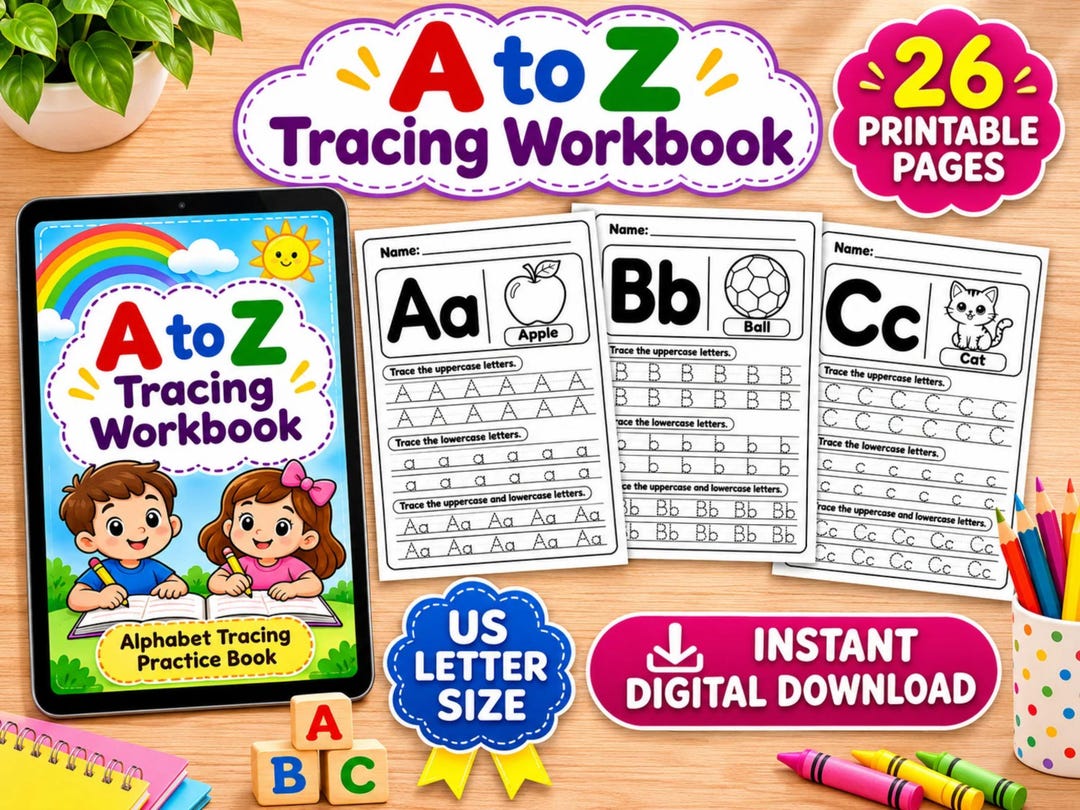
These worksheets are typically designed for preschool and early elementary students, usually ranging from ages 4 to 7. However, they can be useful for older students who may need to improve their handwriting. The worksheets cater to different learning styles, making them versatile for various educational settings.
How to Use Printable Alphabet Handwriting Worksheets A To Z
Using these worksheets effectively requires a systematic approach. Here’s a step-by-step guide to help you get started.
Step 1: Download the Worksheets
First, find a reliable source to download the Printable Alphabet Handwriting Worksheets A To Z. Ensure the worksheets are in a PDF format, which is user-friendly and maintains quality when printed. After downloading, check that the file is complete and clear.
Step 2: Print the Worksheets
When printing, use standard letter-size paper (8.5 x 11 inches) for ease of use. For durability, consider printing on cardstock, especially if the worksheets will be used multiple times. If you plan to laminate them for repeated use, make sure your printer settings are adjusted for high-quality output.
Step 3: Organize the Worksheets
Organizing the worksheets can make the practice sessions smoother. You might group them by letter or create a weekly schedule where each day focuses on a specific letter. This structured approach allows for spaced repetition, reinforcing learning and improving retention.
Step 4: Set Up a Learning Environment
Create a distraction-free area where the child can focus on their writing. Ensure they have all necessary materials, such as pencils, erasers, and any other writing tools they prefer. A comfortable workspace can make a significant difference in their willingness to practice.
Step 5: Engage With the Child
As a teacher or parent, your involvement is crucial. Sit with the child during their practice sessions. Offer encouragement and guidance, pointing out areas where they can improve. Make it a fun activity by incorporating games, like timed writing challenges or tracing letters with different colors.
Structuring the Practice Sessions
Repetition is key when learning handwriting. Here’s how you can structure practice sessions effectively.
Daily Practice Routine
- Day 1: Introduce the letter ‘A’ using the worksheet. Focus on tracing and writing it several times.
- Day 2: Review ‘A’ briefly, then introduce ‘B’. Repeat tracing and writing.
- Day 3: Combine ‘A’ and ‘B’ for review. This reinforces learning.
- Day 4: Introduce ‘C’, following the same pattern.
- Day 5: Review letters ‘A’, ‘B’, and ‘C’ together.
- Day 6: Introduce ‘D’ and practice.
- Day 7: End the week with a fun writing activity using all letters learned.
This daily practice method not only reinforces learning but also builds confidence as children see their progress.
Benefits of Using Printable Alphabet Handwriting Worksheets A To Z
These worksheets offer several advantages:
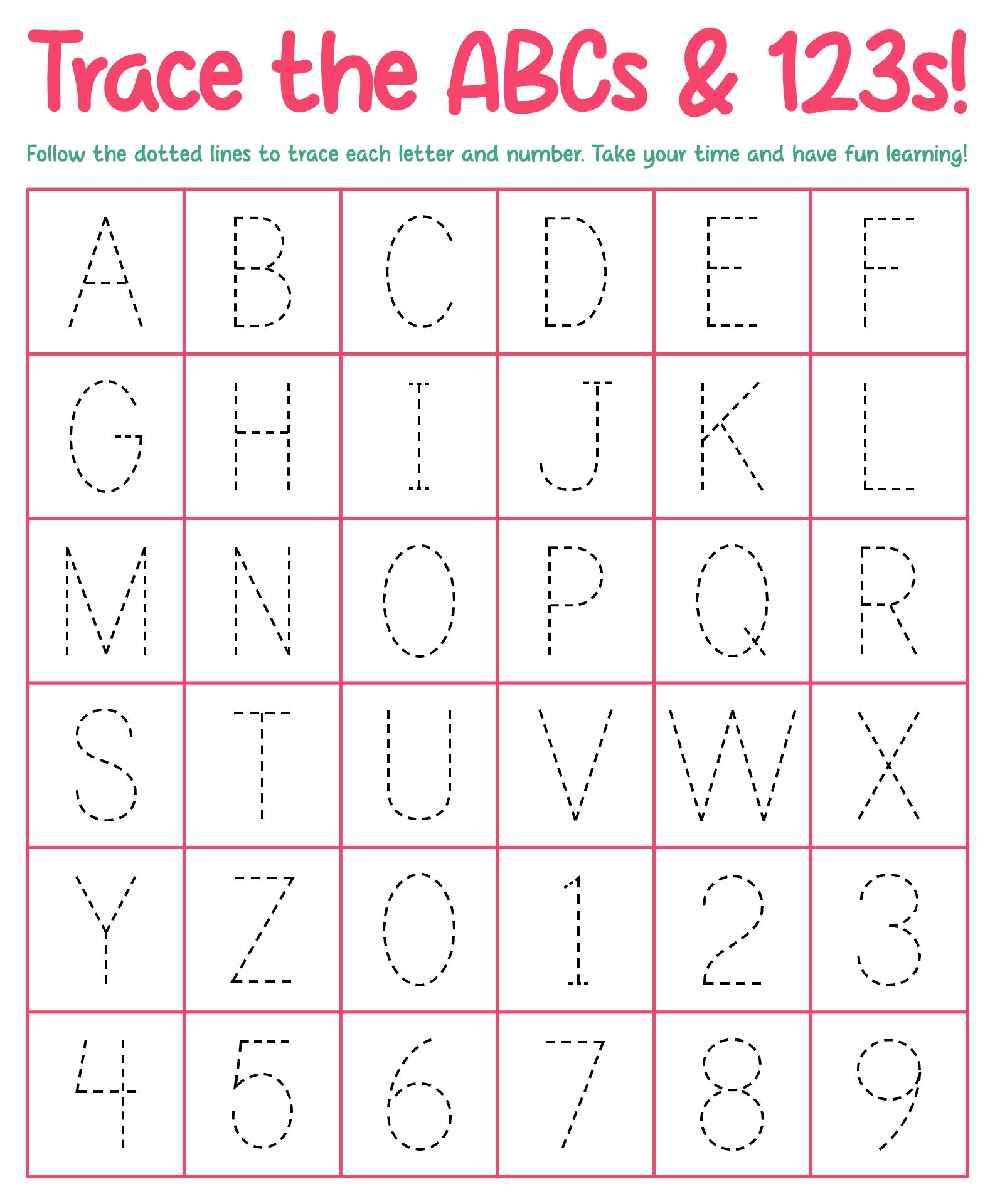
- Visual Aid: Children can see how letters are formed and practice accordingly.
- Customization: You can easily adapt the worksheets to meet individual needs, focusing on letters that may be more challenging for the child.
- Engagement: The act of printing and coloring letters can make learning more enjoyable.
- Self-Paced Learning: Children can work at their own pace, allowing for a more personalized learning experience.
Additional Tips for Success
To maximize the effectiveness of the Printable Alphabet Handwriting Worksheets A To Z, consider these additional tips:
- Incorporate Technology: Use apps or online resources that complement handwriting practice. There are many interactive programs available that can make learning fun.
- Positive Reinforcement: Celebrate small victories. Praise the child for their efforts, whether they write a letter correctly or show improvement.
- Use Other Materials: Integrate other resources, like flashcards or letter games, to reinforce letter recognition and sound associations.
By following these steps and incorporating these tips, you can create a productive and enjoyable handwriting practice experience for young learners. Remember, the goal is to make learning fun and effective, ensuring that children develop strong handwriting skills that will serve them well throughout their education.
As you prepare to implement these strategies, print out the worksheets and set up your learning environment today. You’ll be amazed at the progress your child can make with consistent practice!