
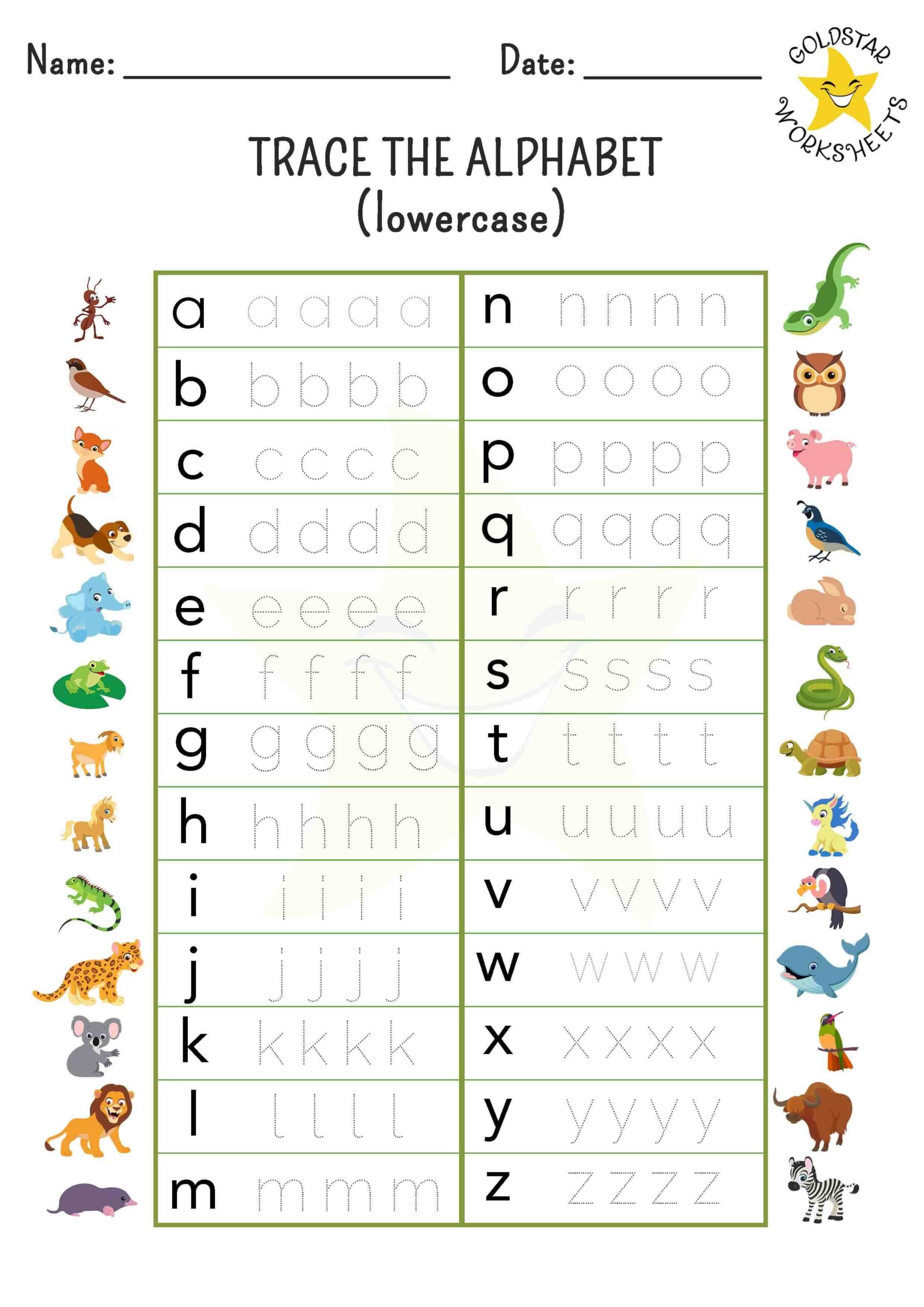
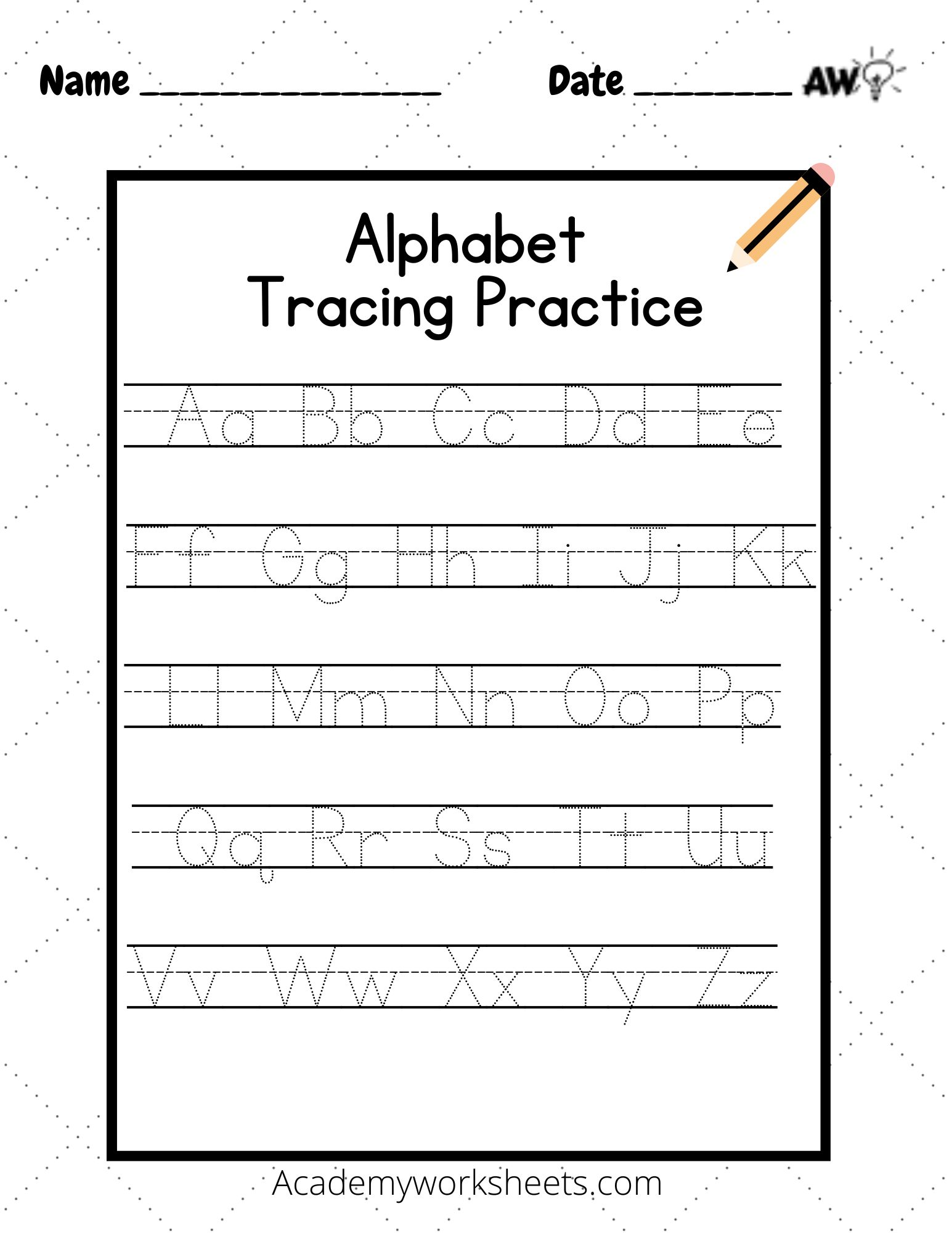
Teaching young children to write the alphabet can be a daunting task. Many educators look for effective resources to aid in this foundational skill. Practice Writing The Alphabet Worksheets are designed specifically to help children develop their handwriting skills while learning the letters of the alphabet. These worksheets provide structured practice, allowing students to trace, write, and solidify their understanding of both uppercase and lowercase letters.
Understanding the Importance of Alphabet Worksheets
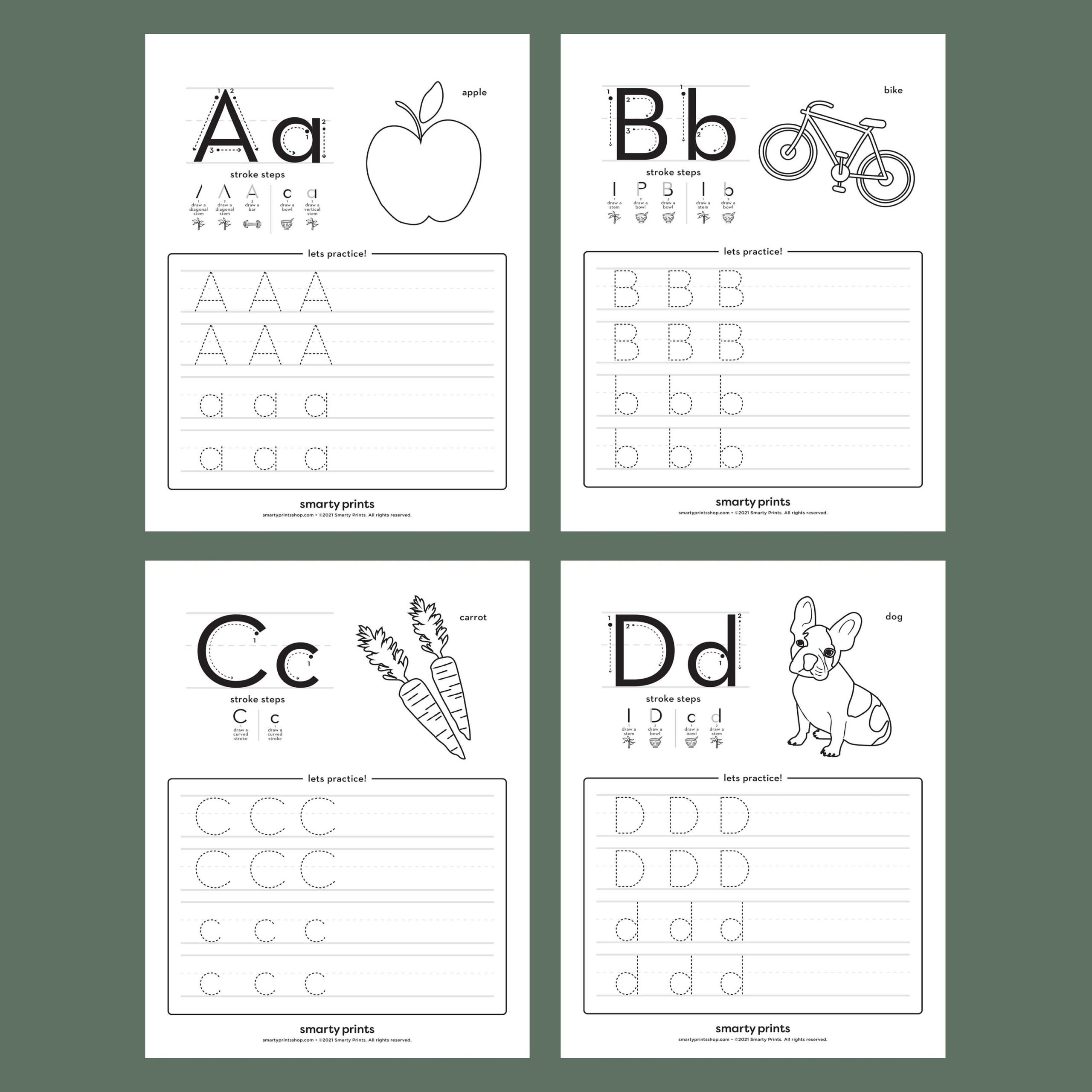
The process of learning to write the alphabet is critical for early literacy development. Children not only learn the shapes and forms of letters but also begin to associate these letters with sounds, enhancing their reading skills. Practice Writing The Alphabet Worksheets serve multiple purposes:
- Motor Skill Development: Writing helps strengthen fine motor skills, which are essential for various tasks in and out of the classroom.
- Letter Recognition: Regular practice reinforces letter recognition, aiding in reading and spelling.
- Confidence Building: Completing worksheets gives children a sense of accomplishment and encourages further exploration of writing.
These worksheets are suitable for preschool and kindergarten-aged children, typically ranging from ages 4 to 6. They can also be beneficial for older students who may need additional support.
Choosing the Right Worksheets
When selecting Practice Writing The Alphabet Worksheets, consider the following factors:
- Age Appropriateness: Ensure the worksheets are designed for the child’s age group. Younger children benefit from larger letters and more tracing options.
- Variety of Activities: Look for worksheets that incorporate various activities, such as tracing, filling in missing letters, and identifying letters in words.
- Visual Appeal: Colorful and engaging layouts can motivate children to practice.
You can find worksheets in different formats, including PDF downloads, which are easy to print. When printing, it’s often best to use standard letter-sized paper (8.5 x 11 inches) for convenience.
How to Use the Worksheets Effectively
Using Practice Writing The Alphabet Worksheets effectively involves a few simple steps:
- Download and Print: Choose the worksheets that best fit your needs, download them, and print them on good quality paper. Cardstock is a great option if you plan to laminate the sheets for repeated use.
- Set Up a Writing Station: Create a dedicated space for writing practice. Include pencils, erasers, and perhaps some colorful markers for added fun. This encourages children to view writing as an enjoyable activity.
- Introduce the Letters: Before diving into the worksheets, spend some time introducing the letters. Use visual aids or alphabet charts to show the letters in context.
- Model the Activity: Demonstrate how to trace and write letters. Show children how to hold a pencil correctly. This modeling helps them understand the expectations.
- Encourage Independence: Once children feel comfortable, encourage them to complete the worksheets independently. This builds confidence and allows you to assess their progress.
- Provide Feedback: After they finish, review their work together. Offer constructive feedback and celebrate their successes, no matter how small. This reinforcement motivates them to continue practicing.
Tracking Progress
Monitoring progress is crucial to ensure that children are improving their writing skills. Here are some practical tips for tracking progress with Practice Writing The Alphabet Worksheets:
- Create a Portfolio: Keep a folder or binder to store completed worksheets. This not only organizes their work but also provides a visual representation of their progress over time.
- Set Goals: Establish specific writing goals for each week or month. For instance, aim for mastering a certain number of letters in a given timeframe. This helps maintain focus.
- Regular Assessments: Conduct informal assessments by asking children to write letters from memory. This can be done weekly or bi-weekly to gauge retention and understanding.
Incorporating Fun Activities
To keep children engaged, consider integrating fun activities alongside the worksheets. Here are a few ideas:
- Alphabet Games: Play games that involve identifying letters, such as scavenger hunts for items that start with specific letters.
- Art Projects: Encourage children to create art projects that incorporate letters, such as making a collage of items that start with the letter “A.”
- Sing Alphabet Songs: Incorporate songs that reinforce letter names and sounds. This auditory element supports learning through rhythm and melody.
By mixing these activities with the worksheets, you create a more holistic learning environment that caters to various learning styles.
Tips for Continued Practice
To ensure children continue to develop their writing skills beyond the worksheets, consider these practical tips:
- Daily Writing Practice: Encourage short, daily writing sessions. This doesn’t always have to be formal; even writing a shopping list or a letter to a family member counts!
- Utilize Technology: There are various apps and online resources that offer interactive alphabet writing practice. These can be great for blending traditional and digital learning.
- Celebrate Achievements: Recognize milestones in their writing journey. Create a “Writer of the Month” display or give out stickers for completed worksheets.
By fostering a positive environment around writing, children will be more likely to embrace the learning process and develop strong literacy skills.
Incorporating Practice Writing The Alphabet Worksheets into your teaching toolkit is an excellent way to support children’s writing development. With thoughtful implementation and consistent practice, you’ll help them build a strong foundation in literacy. Consider setting up a dedicated writing station today to encourage ongoing practice and engagement!