
Helping young children learn the alphabet can be a challenging yet rewarding task. Learning Alphabet Worksheets For 3 Year Olds provide a structured way to introduce letters, sounds, and writing skills. These worksheets are not just sheets filled with letters; they are designed to engage children through fun activities that reinforce their learning. Here’s how you can effectively use these resources in your classroom or at home.
Understanding the Importance of Alphabet Learning
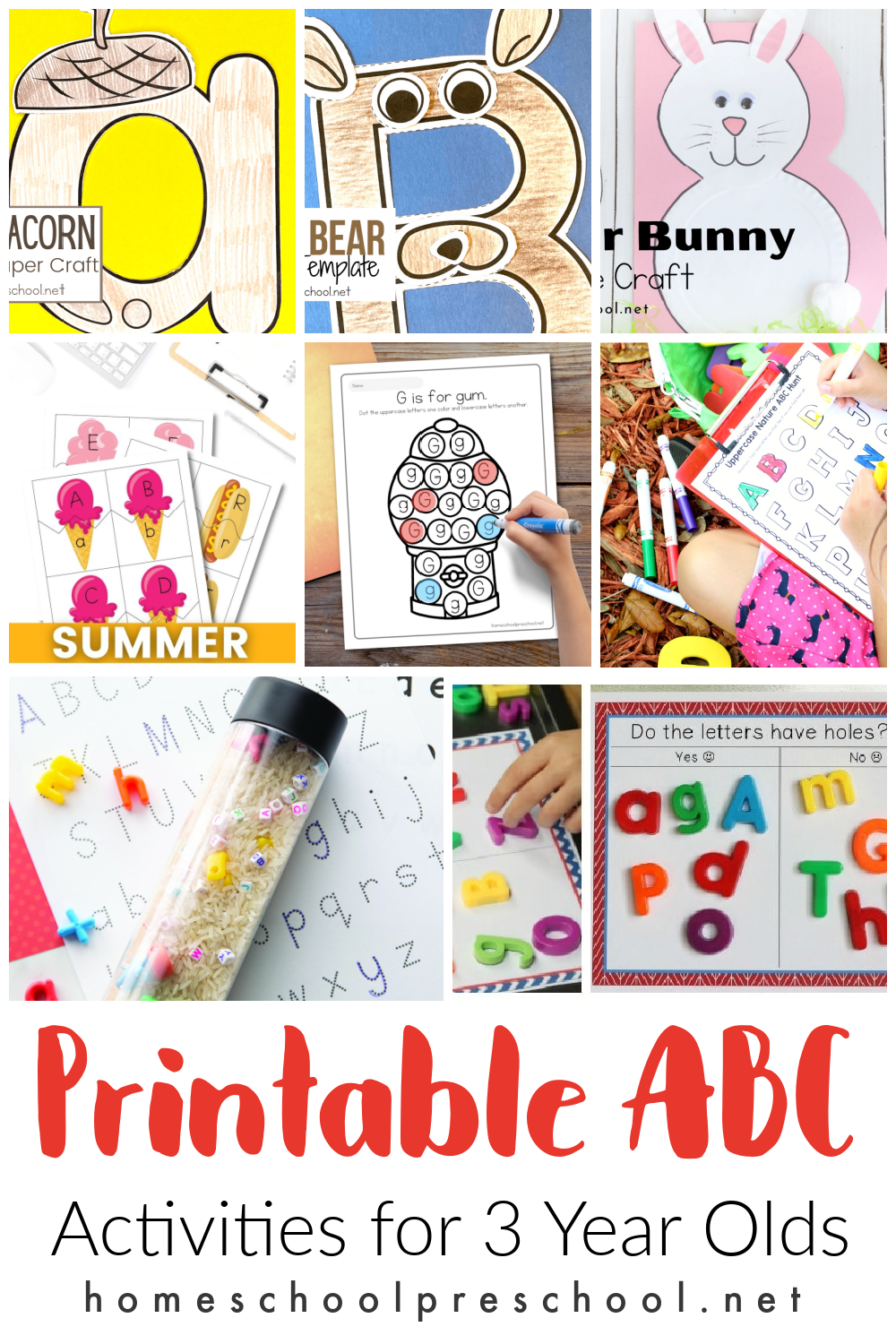
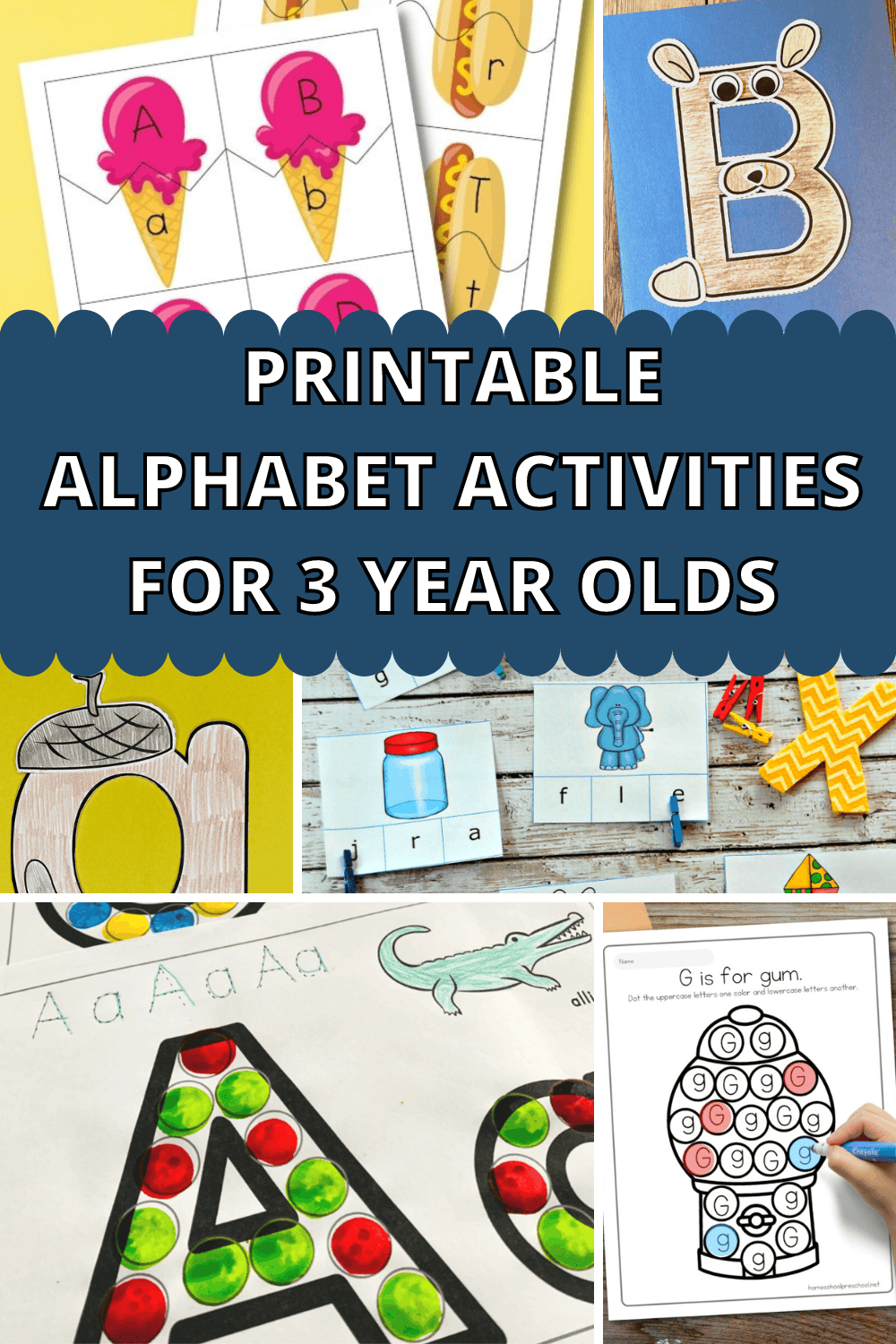
At the age of three, children are ready to start recognizing letters and sounds. This foundational skill is crucial for their future reading and writing abilities. By using Learning Alphabet Worksheets For 3 Year Olds, you can help children develop these skills in a fun and interactive way. The worksheets typically include activities like tracing, coloring, and matching letters with corresponding images, which help solidify their understanding.
Choosing the Right Worksheets
When selecting Learning Alphabet Worksheets For 3 Year Olds, consider the following factors:
- Age Appropriateness: Ensure the worksheets are specifically designed for three-year-olds. Look for worksheets that use simple language and concepts.
- Engagement Elements: Choose worksheets that incorporate visuals, such as images of animals or objects that start with each letter. This makes the learning process more engaging.
- Variety of Activities: Look for worksheets that offer a mix of activities, such as tracing letters, coloring, and matching exercises. This variety keeps children interested and helps reinforce their learning through different methods.
Downloading and Printing the Worksheets
Once you have selected the appropriate worksheets, the next step is to download and print them. Here are some tips for this process:
- File Format: Most worksheets will be available in PDF format, which is ideal for printing. PDFs maintain their formatting better than images.
- Printer Settings: Use a standard letter size (8.5 x 11 inches) for printing. Set your printer to “Portrait” mode for best results. If your printer has color options, printing in color can make the worksheets more appealing to children.
- Paper Quality: For durability, especially if the worksheets will be used multiple times, consider printing on cardstock. This material is sturdier than regular paper and can withstand repeated handling.
Setting Up a Learning Schedule
To maximize the effectiveness of Learning Alphabet Worksheets For 3 Year Olds, it’s important to space out the activities over the week rather than cramming them into one session. Here’s a suggested schedule:
- Monday: Introduce letters A and B. Use worksheets that focus on tracing and identifying these letters.
- Tuesday: Reinforce letters A and B with coloring worksheets that feature animals or objects starting with those letters.
- Wednesday: Introduce letters C and D. Use matching worksheets where children can connect letters with pictures.
- Thursday: Review A through D with a fun activity like letter scavenger hunts around the house.
- Friday: Combine all letters learned during the week in a creative project, such as making a collage with cut-out images.
This approach allows children to absorb the information gradually, which is essential for retention.
Tracking Progress
As you implement Learning Alphabet Worksheets For 3 Year Olds, tracking each child’s progress is vital. Here are some effective ways to do so:
- Create a Progress Chart: Use a simple chart to note which letters each child has mastered. This visual representation can motivate children and help you identify areas that need more reinforcement.
- Regular Check-ins: Schedule short assessments or informal quizzes to gauge understanding. For instance, ask children to identify letters or sounds without looking at the worksheets.
- Celebrate Achievements: Acknowledge milestones, such as mastering a letter or completing a series of worksheets. This encouragement can boost confidence and enthusiasm for learning.
Incorporating Fun Activities
To enhance the learning experience, incorporate fun activities that complement the worksheets. Here are a few ideas:
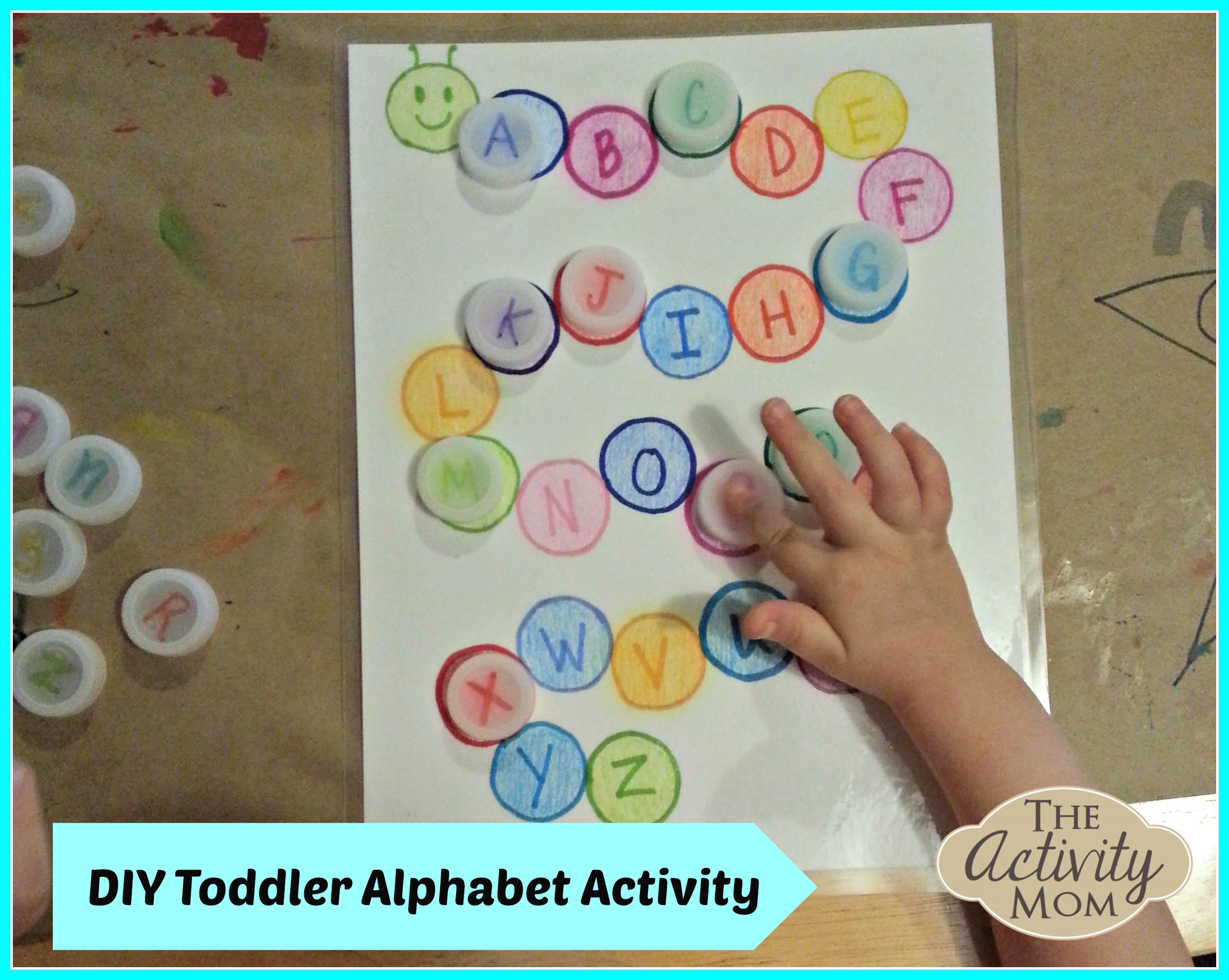
- Craft Projects: Create letter-themed crafts, such as making an “A is for apple” collage. This hands-on activity reinforces learning in a creative way.
- Games: Play games like “I Spy” using letter sounds. For example, “I spy with my little eye something that starts with the letter B.”
- Songs and Rhymes: Integrate songs that emphasize the alphabet. Many children respond well to music, which can help reinforce memory.
Final Tips for Success
Using Learning Alphabet Worksheets For 3 Year Olds effectively requires planning and creativity. Here are some final tips to keep in mind:
- Be Patient: Every child learns at their own pace. Some may grasp concepts quickly, while others may need more time.
- Encourage Participation: Make learning a collaborative effort. Invite children to share what they’ve learned and ask questions.
- Adjust Activities as Needed: If a child struggles with a specific letter or activity, don’t hesitate to adjust the worksheet or provide additional resources.
By taking these steps, you can create a rich learning environment that fosters a love for letters and reading. look at your worksheets today, and watch as your students develop their alphabet skills with enthusiasm and confidence.