
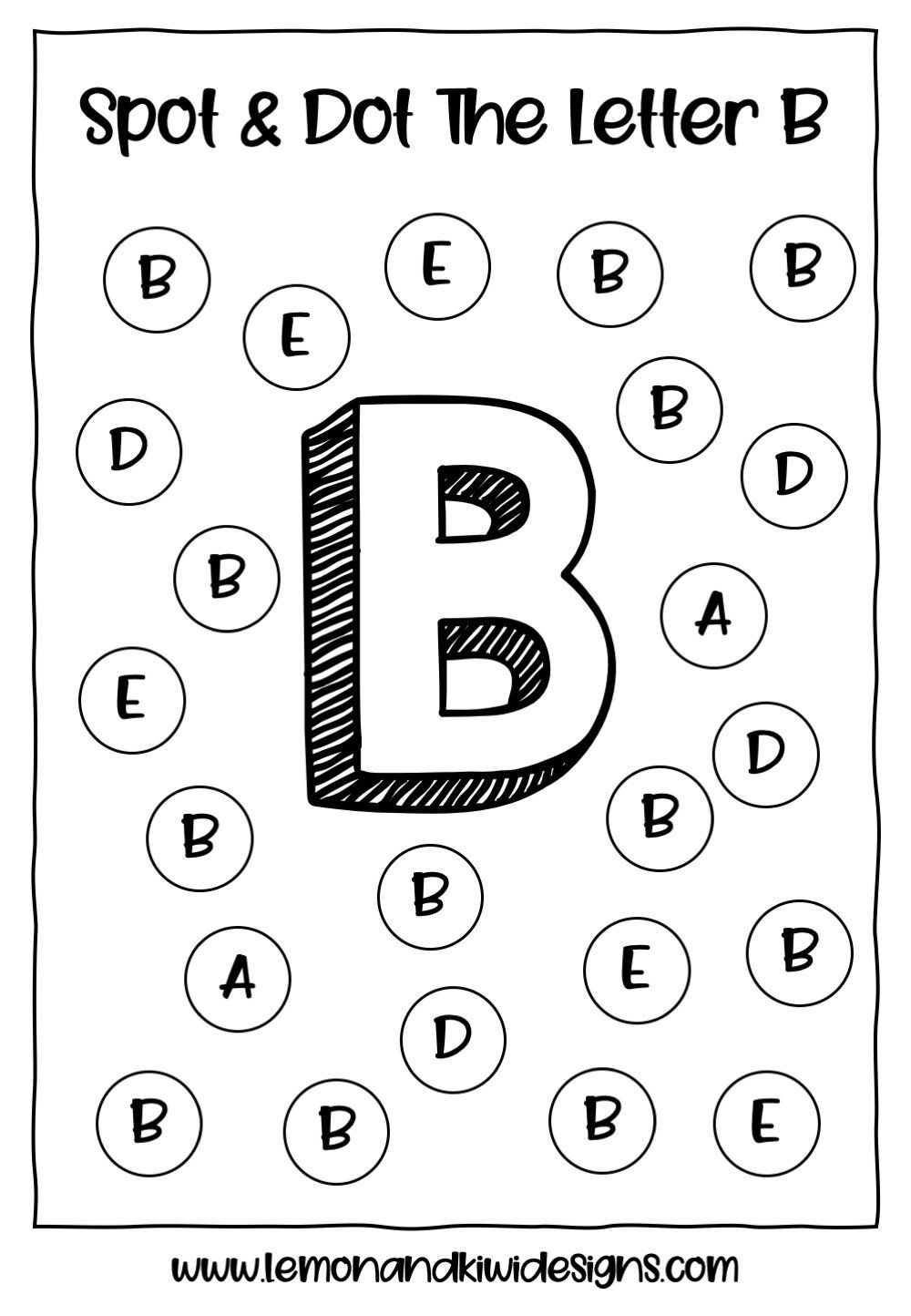
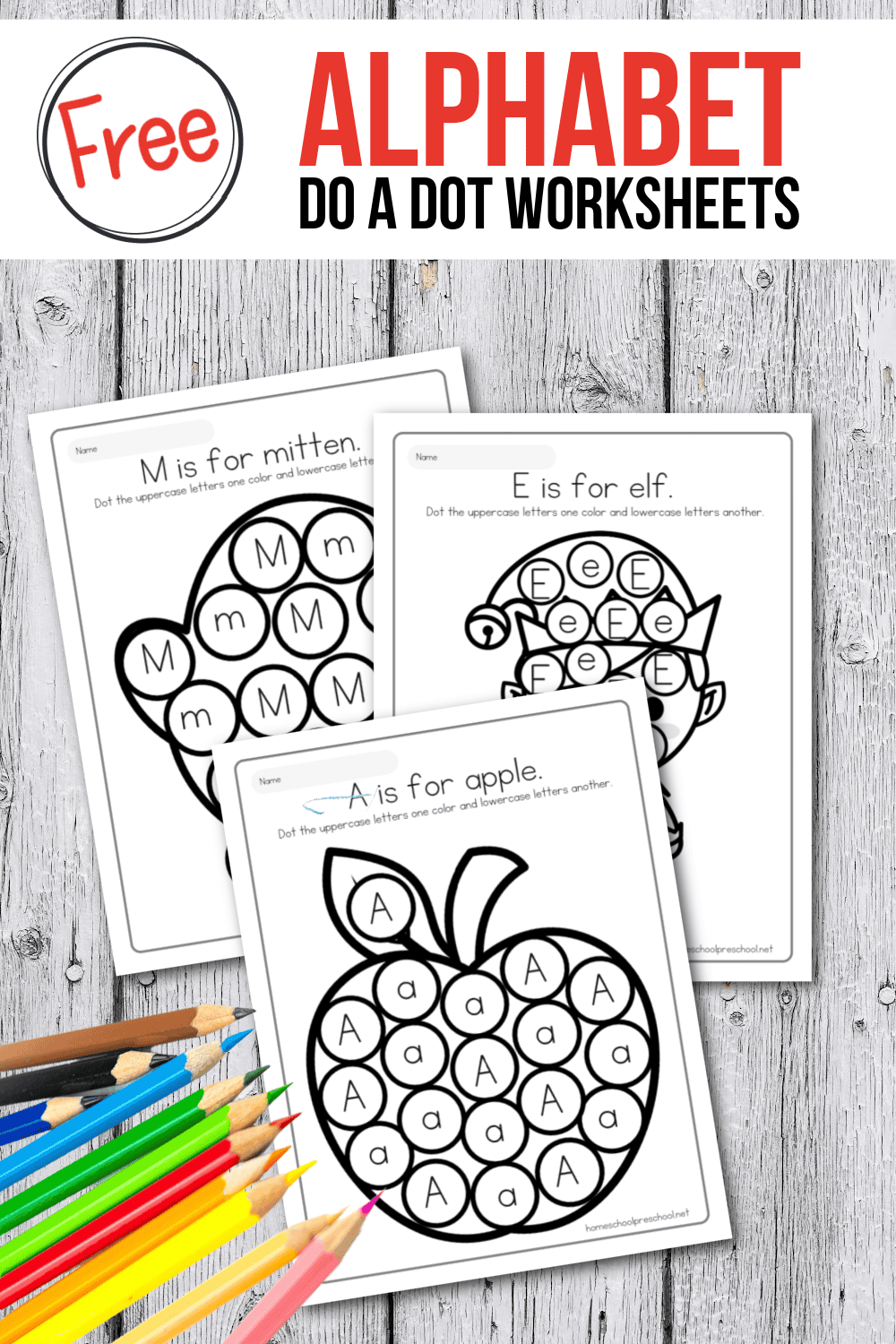
Free Printable Do A Dot Alphabet Worksheets are a fantastic resource for teachers and parents looking to reinforce letter recognition and fine motor skills in young children. These worksheets provide a fun, hands-on way for children to learn their ABCs while developing creativity and coordination. The engaging dot-to-dot format encourages kids to use dot markers or bingo daubers, making learning interactive and enjoyable.
The Benefits of Do A Dot Worksheets
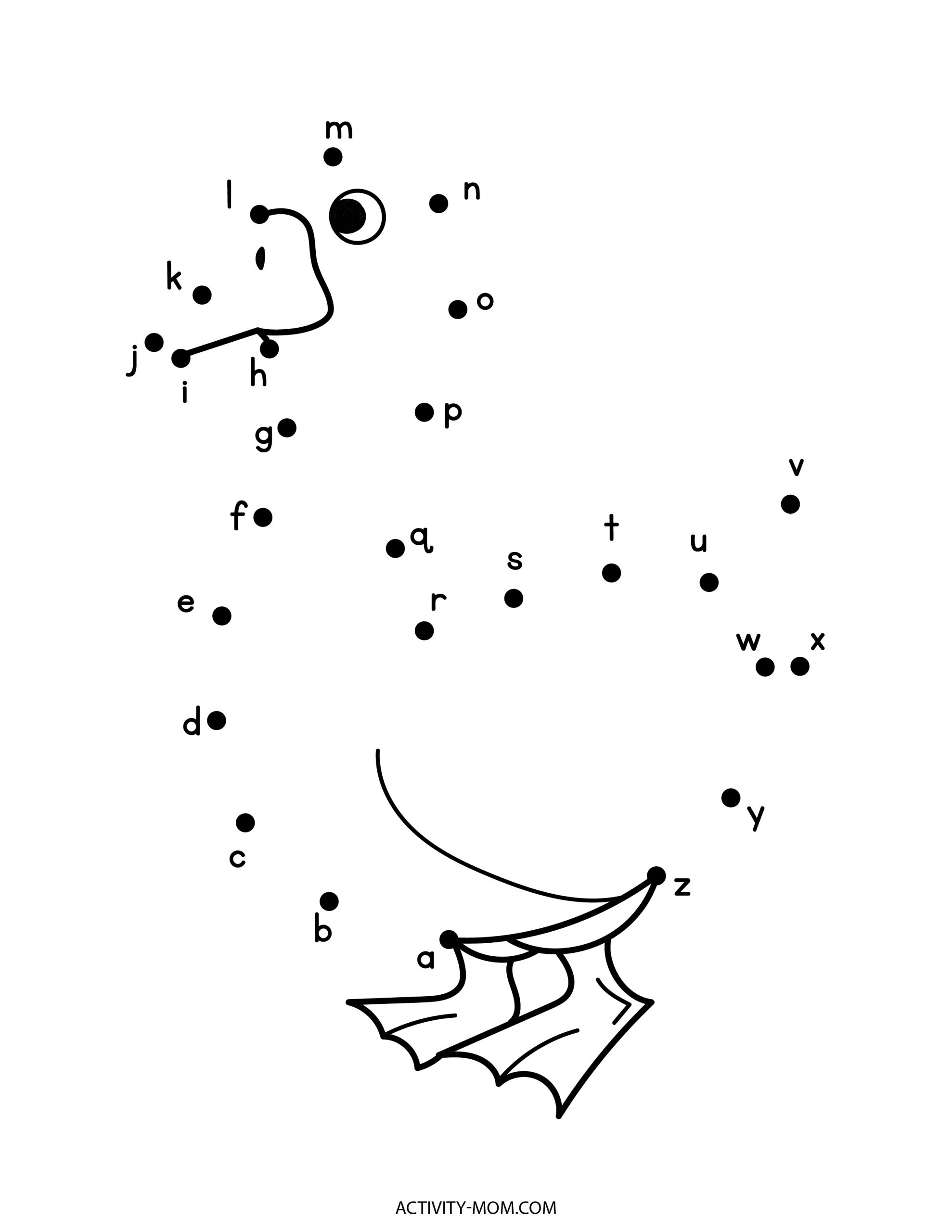
Using Free Printable Do A Dot Alphabet Worksheets comes with numerous benefits. Firstly, they help children practice letter recognition in a playful way, which is crucial for early literacy skills. Children can learn to identify both uppercase and lowercase letters, giving them a comprehensive understanding of the alphabet.
Moreover, these worksheets enhance fine motor skills. As children use dot markers to fill in the letters, they strengthen their hand-eye coordination and dexterity. This is especially beneficial for preschoolers and kindergarteners, as these skills are foundational for writing.
Finally, the colorful and vibrant designs of these worksheets are visually appealing. Children are more likely to engage with materials that are bright and fun. This can lead to longer periods of focus during learning activities, which is a win for both teachers and parents.
How to Use Do A Dot Worksheets in the Classroom
Integrating Free Printable Do A Dot Alphabet Worksheets into your lesson plans is straightforward. Here are some practical ways to incorporate them into your teaching:
- Morning Work: Use these worksheets as morning work to get students settled into the classroom routine. They can start their day with a fun activity while you prepare for the lessons ahead.
- Learning Stations: Set up a learning station with various activities, including the Do A Dot worksheets. Children can rotate through the stations, allowing for hands-on learning that keeps them engaged.
- Home Practice: Send these worksheets home for parents to use with their children. This encourages parental involvement in their child’s education and provides extra practice outside the classroom.
- Assessment Tools: Use the completed worksheets as informal assessment tools. Observe how well children recognize letters and how effectively they use dot markers. This can help you tailor future lessons to meet their needs.
Tips for Printing and Preparing the Worksheets
When it comes to printing Free Printable Do A Dot Alphabet Worksheets, there are a few tips to ensure the best results:
- Paper Choice: While standard printer paper works fine, using cardstock can be beneficial if you plan to use these worksheets multiple times. Cardstock is sturdier and can hold up better to repeated use and handling.
- Printer Settings: If possible, choose the “best quality” print setting on your printer. This will help preserve the vibrant colors in the designs, making the worksheets more appealing to children.
- Portrait vs. Landscape: Most worksheets are designed in portrait orientation, which tends to be easier for young children to handle. Ensure your printer is set to portrait mode to avoid any cropping of the designs.
- Lamination Option: If you want to reuse the worksheets, consider laminating them. This allows children to use dry-erase markers or dot markers without damaging the paper, making the worksheets last longer.
Engaging Activities With Do A Dot Worksheets
Once you’ve printed the Free Printable Do A Dot Alphabet Worksheets, you can expand the learning experience with a few engaging activities:
- Letter Sounds: As children fill in the dots, encourage them to say the sound of each letter aloud. This reinforces phonemic awareness, which is essential for reading readiness.
- Creative Expression: After completing the worksheets, let children color around the letters or add their own designs. This fosters creativity and personal expression, making the learning experience more enjoyable.
- Group Activities: Pair students up for collaborative work. They can work together on the worksheets, discussing the letters and helping each other recognize them. This can also build social skills and teamwork.
- Story Time Connections: Follow up the activity with a story that emphasizes the letter of the day. For instance, if they worked on “B,” read a book about a bear or a balloon. This reinforces letter recognition in a contextual setting.