
One of the best ways to help young children learn their letters is through engaging and interactive activities. Free Printable Alphabet Tracing Worksheets For Kindergarten stand out in this regard, offering a structured approach that not only makes learning fun but also reinforces essential writing skills. These worksheets are specifically designed to cater to the developmental needs of kindergarteners, focusing on letter formation, recognition, and fine motor skills.
What Makes These Worksheets Unique?
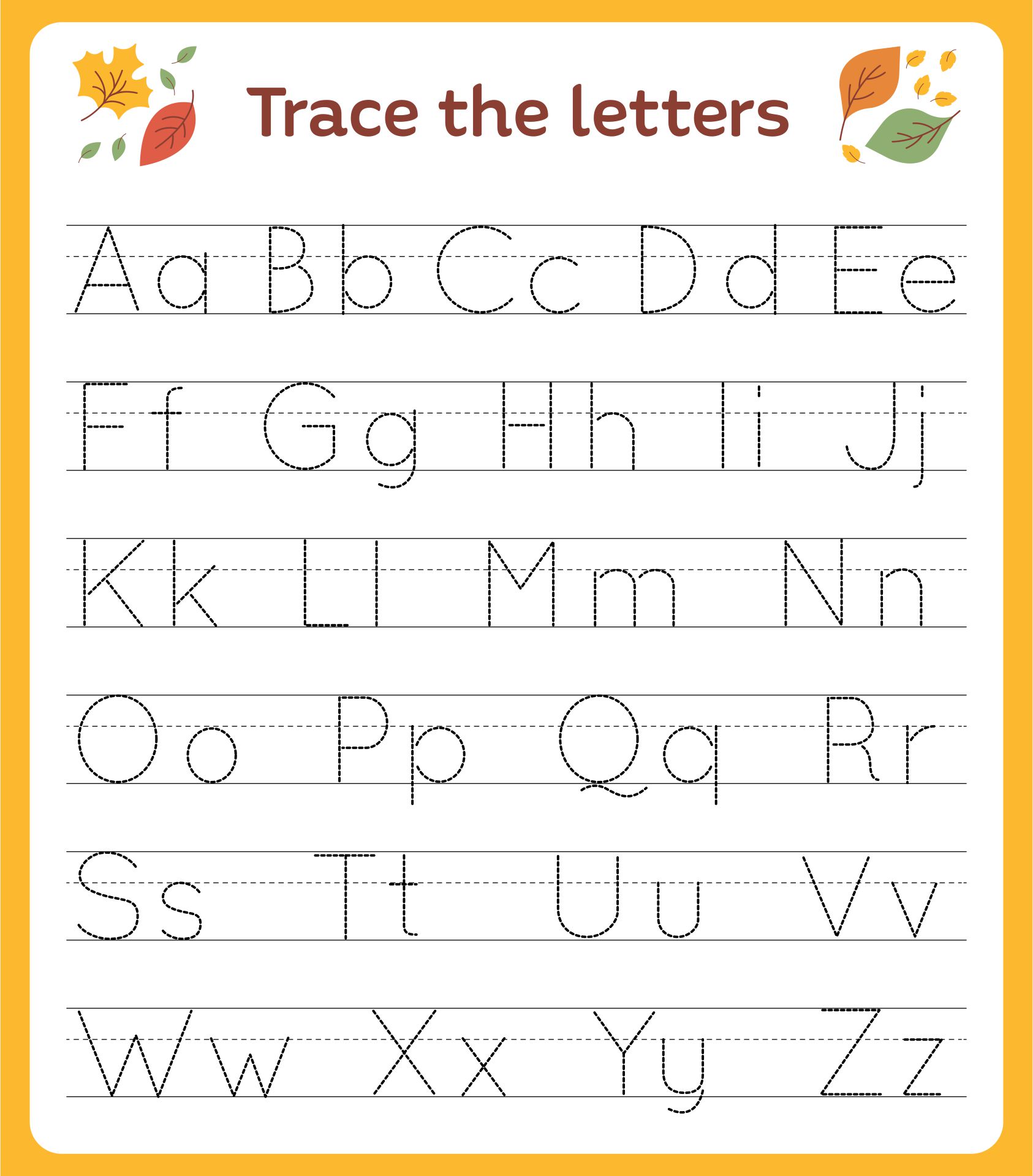
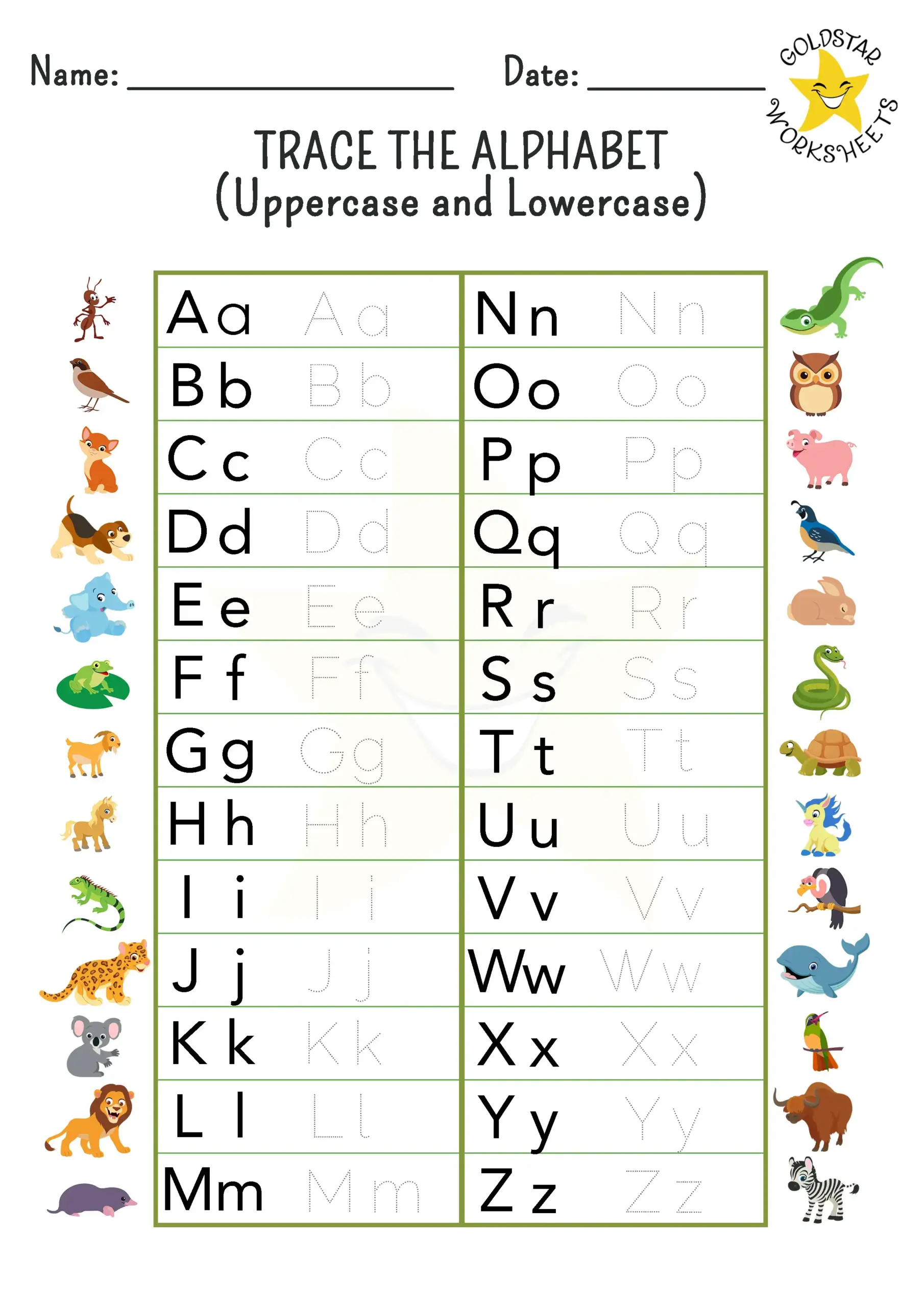
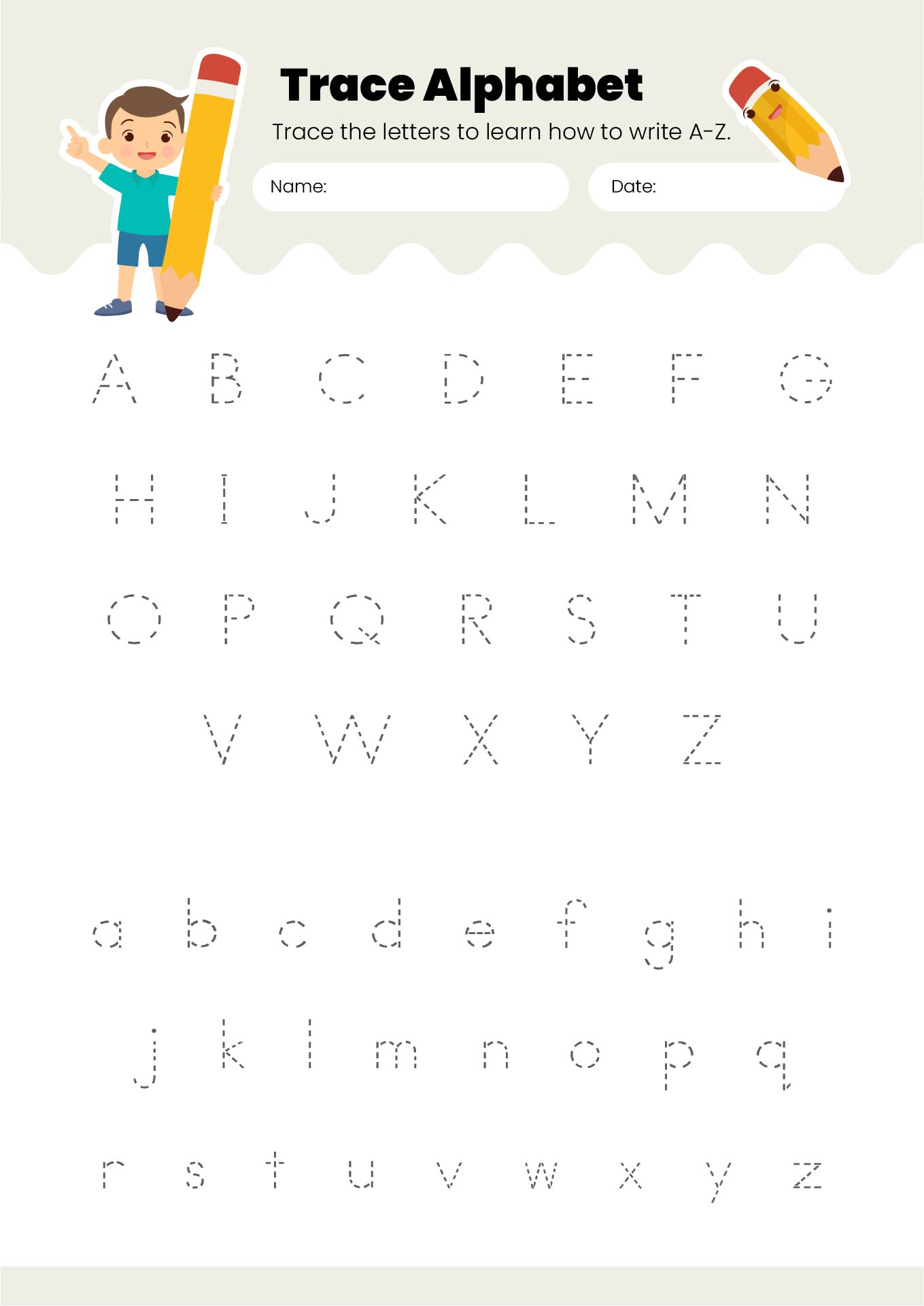
When you look at these tracing worksheets, you’ll notice they feature a clean, engaging layout that guides children through the tracing process. Each worksheet typically includes both uppercase and lowercase letters, allowing children to practice writing the entire alphabet. The letters are often accompanied by simple illustrations that correspond with the letter sounds—like an apple for “A” or a ball for “B.” This visual association helps reinforce phonetic recognition alongside handwriting practice.
You’ll also find that the worksheets are designed with ample space for tracing, which is crucial for young learners who are still developing their fine motor skills. This thoughtful layout ensures that children can practice without feeling overwhelmed or cramped. Additionally, many worksheets include dotted lines for tracing, which provide a clear path for young hands to follow.
Ideal Usage Scenarios
These worksheets are incredibly versatile and can be utilized in various settings. Whether you’re a teacher in a classroom, a parent homeschooling your child, or simply looking for a fun activity at home, these worksheets are an excellent resource.
In a classroom setting, they can be incorporated into daily literacy centers or used as part of a structured lesson on letter recognition. For homeschooling parents, these worksheets can serve as a primary resource for teaching letters, or as supplemental material alongside other educational activities. They are also perfect for quiet time or rainy days at home, providing structured learning in a fun format.
How to Assess Progress
As children work through the Free Printable Alphabet Tracing Worksheets For Kindergarten, it’s essential to monitor their progress. Mastery in letter tracing can be assessed through several observable indicators:
- Form and Consistency: Check if the child is consistently forming letters correctly. Are they able to trace letters without needing to look back at the example? This indicates a growing familiarity with letter shapes.
- Grip and Control: Observe how they hold their writing instrument. Are they gripping it correctly? Are their movements fluid? Proper grip and control are crucial for developing handwriting skills.
- Speed and Comfort: As children become more comfortable with tracing, they may start to work faster. Encourage them to take their time, but note if they seem rushed or frustrated.
- Phonetic Recognition: Engage them in conversation about the letters they are tracing. Can they identify the letters, and can they provide a word that starts with that letter? This helps reinforce their understanding of letter sounds and improves their phonemic awareness.
Tips for Enhancing the Tracing Experience
To make the most out of the tracing worksheets, consider these practical tips:
- Use Quality Paper: Print the worksheets on cardstock for durability, especially if you plan to laminate them for repeated use. This way, children can practice with dry-erase markers, allowing for easy corrections and continued practice.
- Incorporate Multi-Sensory Activities: Pair the worksheets with hands-on activities. For example, create a letter scavenger hunt around the house or classroom, where children find objects that start with the letters they are tracing.
- Positive Reinforcement: Celebrate small victories. Praise their efforts, whether they traced a letter correctly or attempted it the first time. This encouragement boosts their confidence and makes learning enjoyable.
- Use with Technology: If you have access to a tablet, consider using tracing apps that allow for digital tracing. This can help children who are more inclined toward technology while still reinforcing the same skills.