
When it comes to teaching young children their alphabet, simplicity and engagement are key. Easy Alphabet Worksheets For 3 Year Olds stand out by offering interactive and visually appealing activities that not only help kids recognize letters but also make learning fun. These worksheets are specifically designed for preschoolers and can be used in various settings, If you are a teacher in a classroom, a parent homeschooling at home, or even a caregiver looking to stimulate early literacy skills.
Features of Easy Alphabet Worksheets
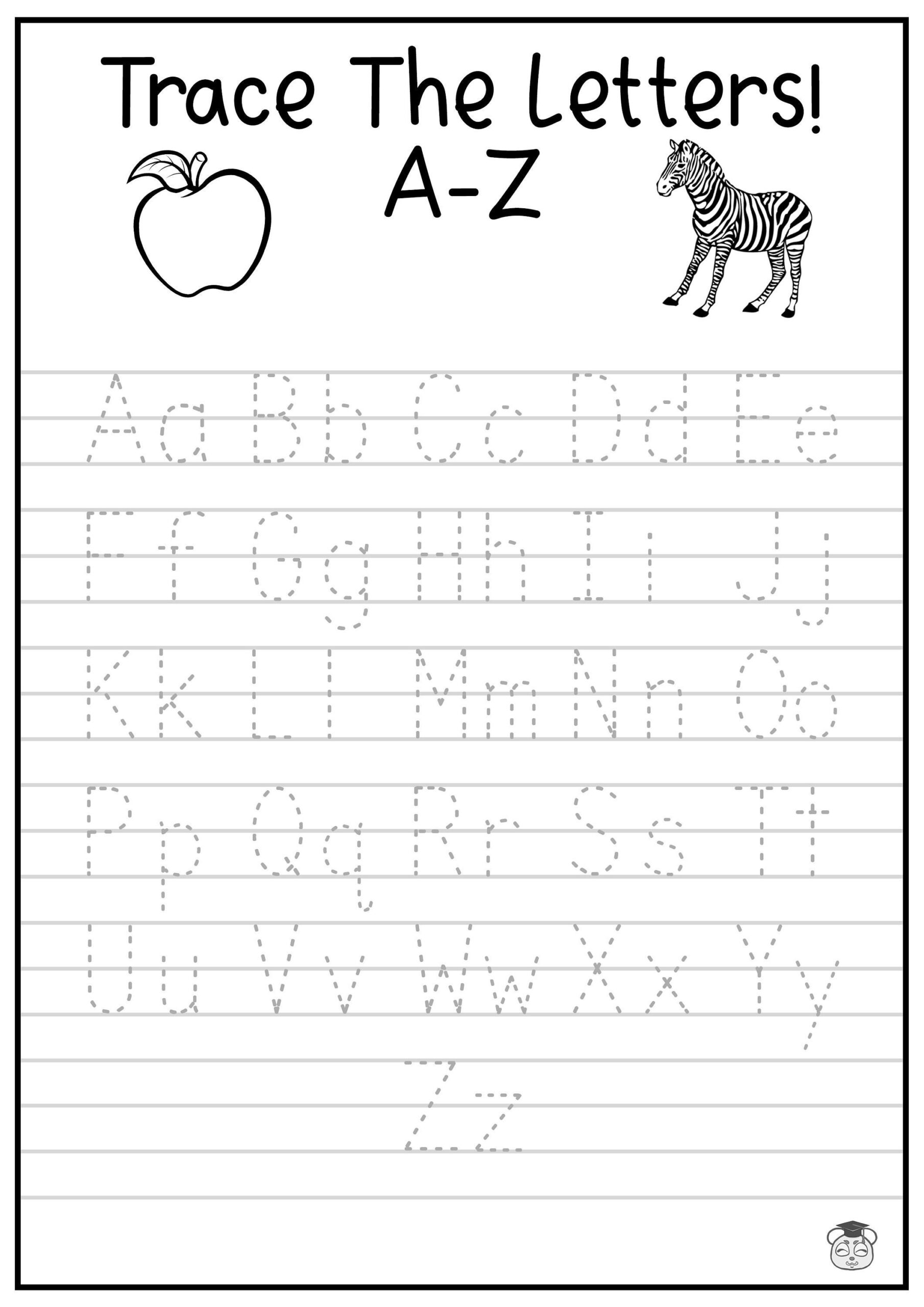
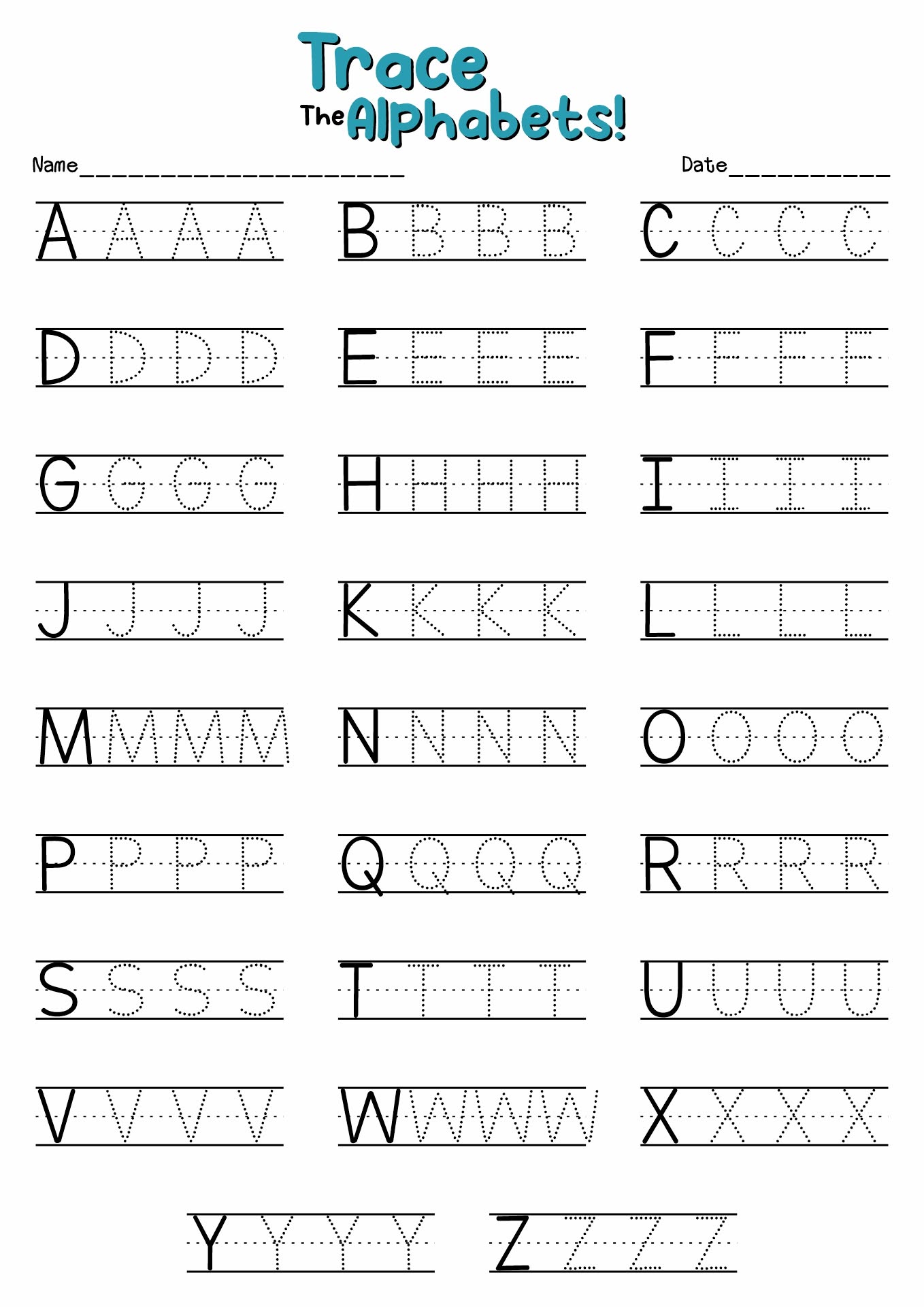
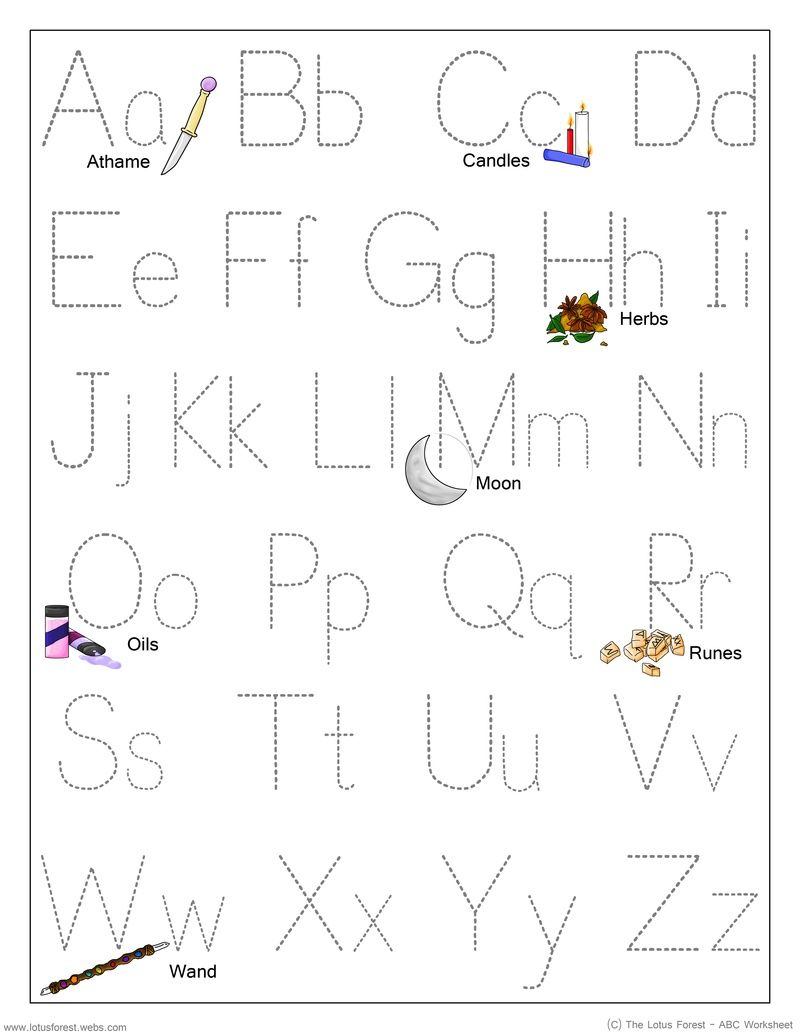
What makes these worksheets particularly effective? The layout and design choices are tailored to the developmental needs of 3-year-olds. Each worksheet typically features large, clear letters that are easy for small hands to trace and recognize. They often include colorful illustrations that correspond to the letters, making associations between letters and words more memorable.
The worksheets may include activities such as:
- Tracing letters to develop fine motor skills
- Matching letters with corresponding images
- Simple coloring tasks that reinforce letter recognition
These elements not only keep children engaged but also provide a multi-sensory approach to learning, which is crucial at this stage.
Practical Classroom Logistics
When it comes to using Easy Alphabet Worksheets For 3 Year Olds in a classroom or home setting, there are a few practical considerations to keep in mind. First, when printing these worksheets, it’s advisable to use a standard letter size (8.5 x 11 inches) for easy handling. Portrait layout tends to work best, as it allows for clear visibility of each section.
If you’re printing in bulk for an entire class, consider using cardstock for durability, especially if you plan on laminating them for reuse. This way, the worksheets can withstand repeated handling and can be wiped clean after each use.
Answer Keys and Grading
While many worksheets are designed to be self-explanatory, having an answer key can be beneficial for teachers or parents. It allows for quick reference during review sessions, ensuring that you can provide immediate feedback to the child. In most cases, the answers will be straightforward, focusing on letter recognition rather than complex tasks.
When it comes to grading or assessing progress, keep it simple. Focus on whether the child can recognize and trace the letters correctly. This makes it easier to track their development without putting undue pressure on them.
Engaging Activities to Supplement Learning
To further enhance the learning experience, consider integrating additional activities that complement the Easy Alphabet Worksheets For 3 Year Olds. Here are a few suggestions:
- Letter of the Day: Focus on a specific letter each day. Use the worksheets to reinforce learning and incorporate crafts or themed stories related to that letter.
- Interactive Games: Create games such as letter scavenger hunts around the house or classroom. This encourages movement and reinforces recognition in a playful manner.
- Story Time: Choose books that emphasize the letter of the day. This reinforces literacy skills and helps children make connections between letters and words in context.
By incorporating these activities, you can create a more holistic learning environment that supports the worksheets.
Downloading and Using Worksheets
When looking to use Easy Alphabet Worksheets For 3 Year Olds, ensure that you download them from reputable sources. Many websites offer free or low-cost printable resources that are ready to use. Look for PDFs to avoid any formatting issues that can occur with image files.
Before printing, check your printer settings. Most home printers handle letter-sized paper without issues, but it’s always good to do a test print to ensure clarity and alignment.
Additionally, if you plan to use these worksheets frequently, consider storing them in a binder or folder for easy access. This organization helps keep your resources tidy and allows for quick retrieval during lessons.
The most useful detail that often gets overlooked is the importance of using vibrant colors in the worksheets. Children are naturally drawn to bright colors, which can significantly enhance their engagement and excitement about learning the alphabet.