
Learning to arrange letters in alphabetical order is a foundational skill for young learners. It helps them develop their language abilities and improves their overall literacy. The Arranging Letters In Alphabetical Order Worksheet is a practical tool designed to make this skill engaging and effective for children. This worksheet provides a structured way to practice organizing letters, making it an essential resource for teachers and homeschool parents alike.
Understanding the Importance of Alphabetical Order
Children encounter letters and words daily, but understanding how to sort them can be challenging. Alphabetical order is crucial for reading and writing, as it lays the groundwork for future literacy skills. When children can arrange letters alphabetically, they enhance their ability to find information in books, dictionaries, and other texts.
Using an Arranging Letters In Alphabetical Order Worksheet helps students grasp the concept by providing a hands-on approach. This worksheet typically includes a variety of exercises that require students to sort letters or words, reinforcing their understanding through practice.
What to Look for in a Worksheet
When selecting an Arranging Letters In Alphabetical Order Worksheet, consider the following features:
- Age Appropriateness: Ensure the worksheet is suitable for the child’s age and skill level. Typically, these worksheets are designed for early elementary grades, around kindergarten to second grade.
- Variety of Activities: Look for worksheets that offer different types of exercises. Some may involve sorting letters, while others might ask students to fill in blanks or complete sentences.
- Clear Instructions: The worksheet should have straightforward instructions that guide students on what to do.
- Visual Appeal: A well-designed worksheet with engaging graphics can motivate children to participate and make learning fun.
Setting Up for Success
Before introducing the Arranging Letters In Alphabetical Order Worksheet, it’s helpful to create a conducive learning environment. Here are some steps to follow:
- Gather Materials: Ensure you have the worksheet printed out and any necessary writing tools, such as pencils or crayons. Using colorful materials can make the activity more engaging.
- Review the Alphabet: Spend a few minutes reviewing the alphabet with the child. Singing the alphabet song or using flashcards can reinforce their familiarity with the letters.
- Explain the Activity: Go over the worksheet together. Explain the importance of alphabetical order and how it helps in everyday situations, such as finding a name in a phone book or organizing a list.
Engaging Activities to Enhance Learning
An effective Arranging Letters In Alphabetical Order Worksheet will include various activities to keep children engaged. Here are a few examples:
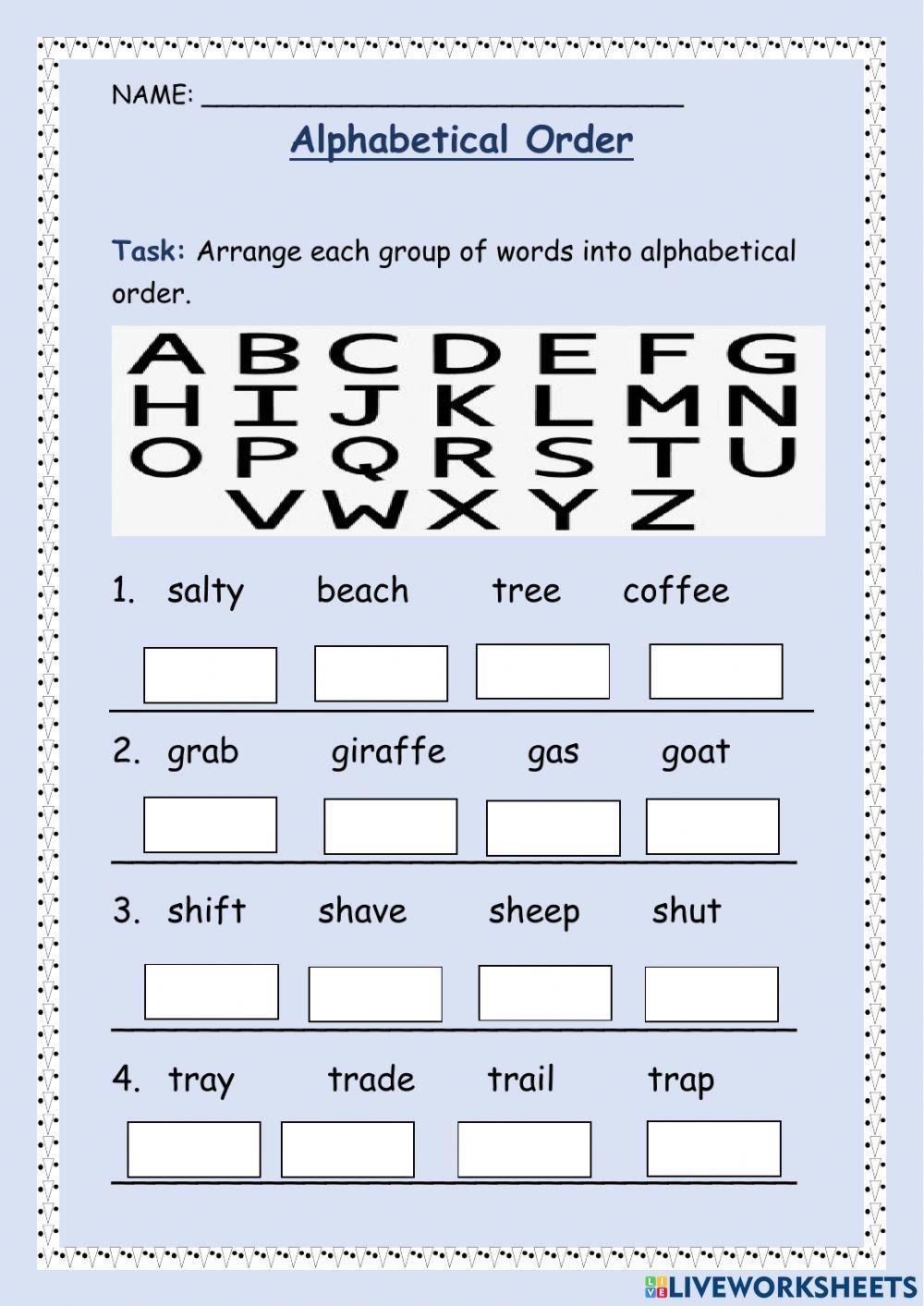
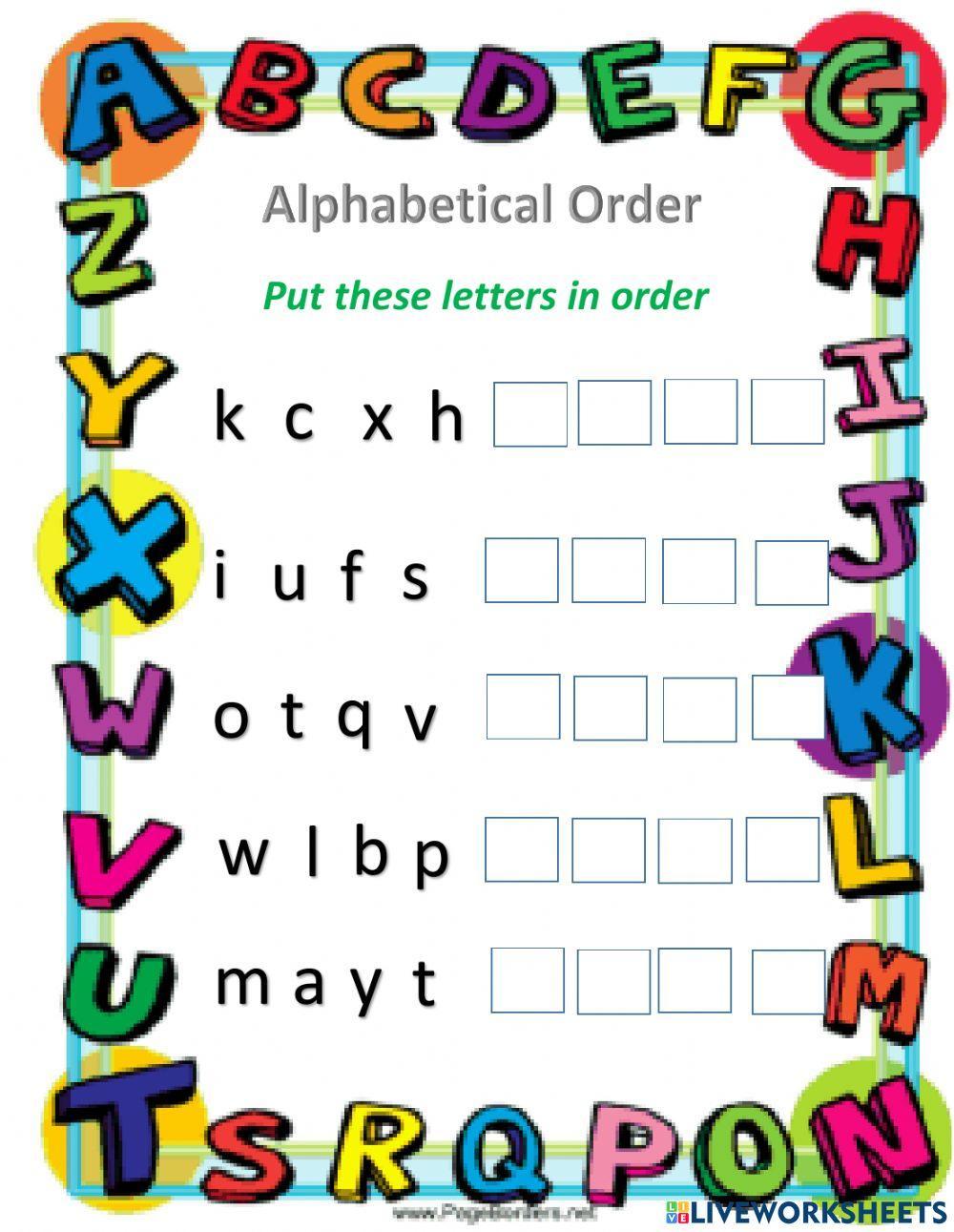
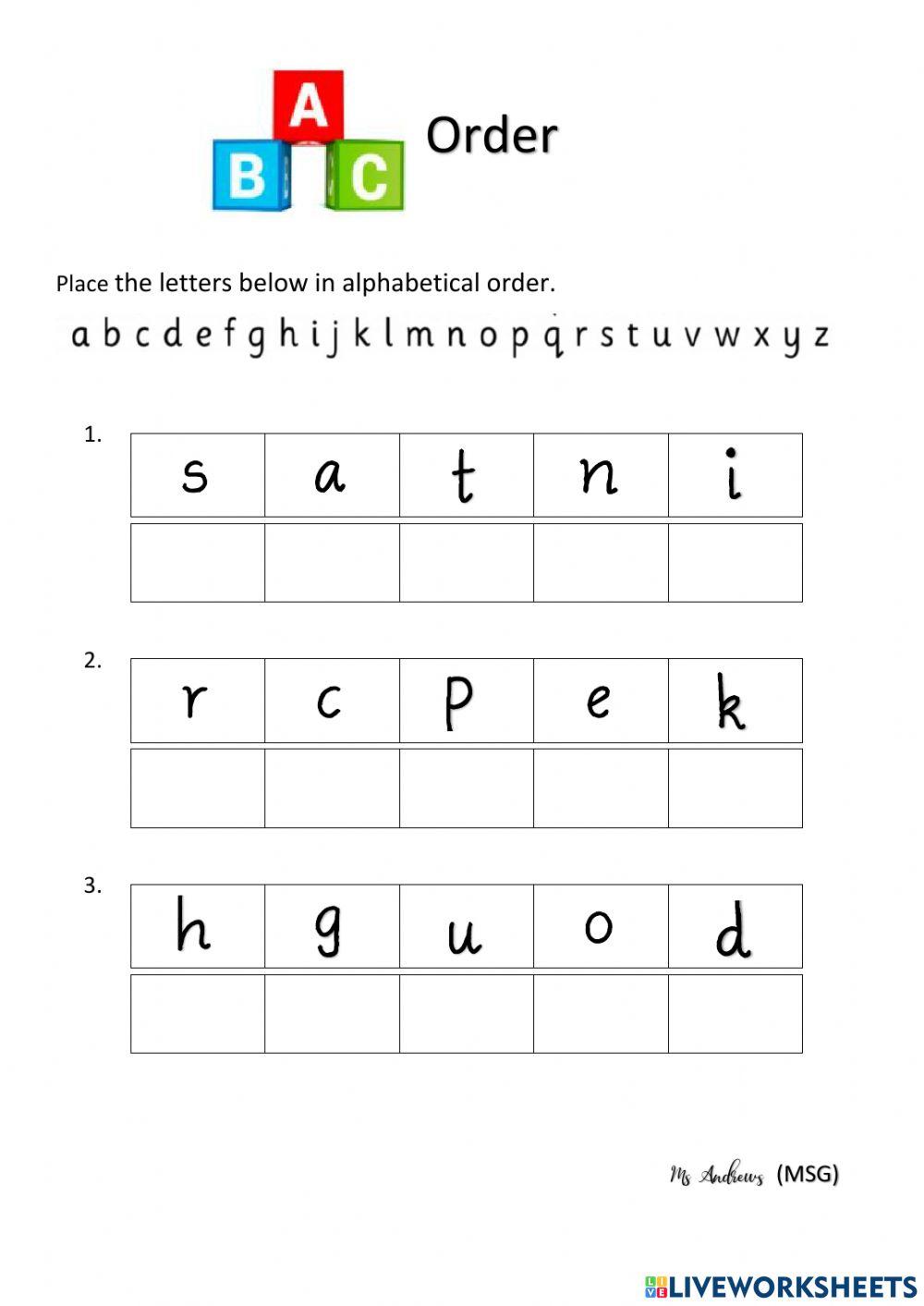
- Letter Sorting: Provide a list of mixed letters and ask the child to write them in alphabetical order. This activity reinforces recognition and sequence.
- Word Puzzles: Include words that the child is familiar with. Ask them to arrange these words alphabetically, which not only supports their understanding of order but also enhances vocabulary.
- Fill-in-the-Blank: Create sentences with missing words that the child must fill in using a word bank. These words should be sorted alphabetically, reinforcing the concept in context.
Incorporating the Worksheet Into Daily Routines
Integrating the Arranging Letters In Alphabetical Order Worksheet into a child’s routine can enhance the learning experience. Here are some ways to do this:
- Daily Practice: Set aside a specific time each day for practicing alphabetical order. Consistency helps reinforce the skill.
- Combine with Other Subjects: Pair the worksheet with other subjects, such as reading or spelling. This cross-curricular approach can make learning more holistic.
- Incentivize Learning: Create a reward system where children earn points or stickers for completing worksheets. Positive reinforcement can motivate them to engage with the material.
Evaluating Progress and Understanding
After using the Arranging Letters In Alphabetical Order Worksheet, it’s important to assess the child’s understanding. Here are some methods to evaluate progress:
- Review Completed Worksheets: Go through the child’s completed worksheets together. Discuss any mistakes to clarify misunderstandings.
- Oral Quizzes: Ask the child to verbally arrange a set of letters or words. This can reinforce their learning and give you insight into their understanding.
- Encourage Independent Practice: As the child becomes more confident, encourage them to sort letters or words independently. This builds their self-reliance and reinforces their skills.
Adapting the Worksheet for Different Learners
Every child learns differently, so it’s important to adapt the Arranging Letters In Alphabetical Order Worksheet according to individual needs. Here are some tips:
- For Struggling Learners: Provide extra support by using fewer letters or words. Gradually increase the complexity as their skills improve.
- For Advanced Learners: Challenge them with more complex words or phrases to arrange. You can also introduce concepts like reverse alphabetical order for added difficulty.
- Use Technology: Incorporate digital resources if available. There are various educational apps and websites that offer interactive games focused on alphabetical order.
By thoughtfully incorporating the Arranging Letters In Alphabetical Order Worksheet into learning routines, children can master this essential skill in a fun and engaging way. Remember, practice makes perfect, and consistent reinforcement will lead to greater proficiency.
To get started, download a worksheet today and watch as your child discovers the joy of organizing letters!