
In a cozy corner of a brightly colored classroom, a little girl named Emma sits at a small table, her face filled with concentration as she grips a crayon. Before her lies a stack of Alphabet Free Printable Preschool Worksheets Tracing Letters, each adorned with cheerful illustrations and dotted lines ready for her tiny fingers to follow. These worksheets aren’t just fun; they’re a practical tool to help preschoolers like Emma learn to write their letters with confidence and ease.
Using tracing worksheets is a fantastic way to introduce young learners to the world of letters. This method allows children to develop fine motor skills while familiarizing themselves with the shapes and sounds of the alphabet. In this article, we’ll explore how to effectively incorporate these worksheets into your teaching routine, ensuring that your students get the most out of their learning experience.
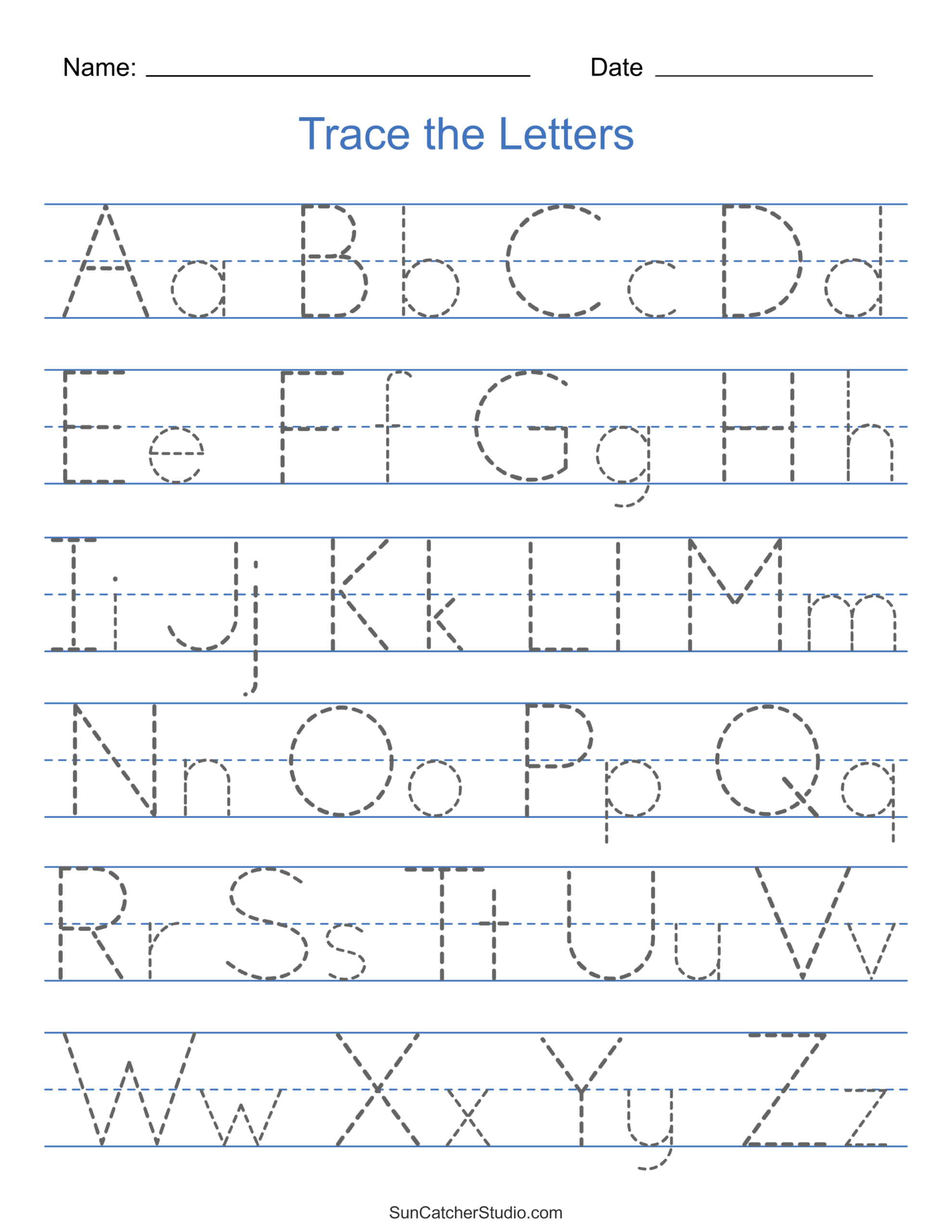
Understanding the Importance of Tracing Letters
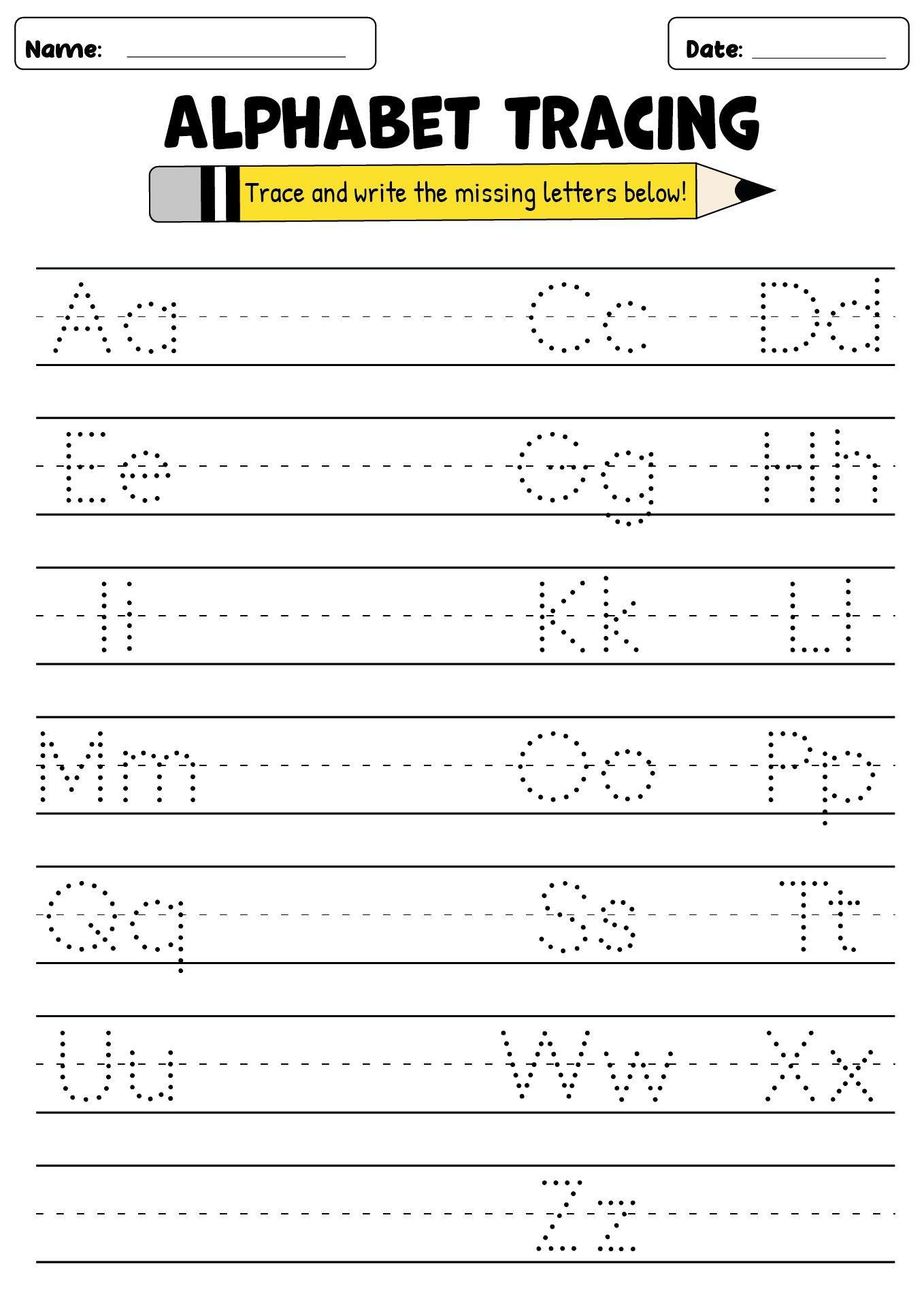
Tracing letters is more than just a fun activity; it’s an essential building block for literacy. When children trace letters, they engage in muscle memory, which helps them recall the shape of letters when they begin to write independently. This practice is especially beneficial for preschoolers who are just starting their writing journey.
The act of tracing requires coordination and control, which are crucial skills for young learners. As they practice, they also gain confidence in their ability to express themselves through writing. The more they engage with the letters, the more comfortable they will become, paving the way for future reading and writing success.
Setting Up for Success: A Classroom or Home Environment
Creating the right environment for using Alphabet Free Printable Preschool Worksheets Tracing Letters can make all the difference. Here are some practical tips for setting up your space:
- Designate a Tracing Area: Have a specific table or corner where children can work on their worksheets. This helps create a routine and establishes a focused learning zone.
- Use the Right Materials: Provide a variety of writing tools, such as crayons, colored pencils, and markers. Each tool offers a different tactile experience, which can be beneficial for fine motor skill development.
- Consider Paper Options: While standard printer paper works fine, using heavier cardstock can withstand repeated tracing, especially if you plan to laminate the worksheets for durability.
By preparing the space and materials thoughtfully, you’ll help foster a positive learning atmosphere where children feel excited to practice their letters.
Incorporating Tracing Worksheets Into Your Weekly Routine
One of the best ways to ensure consistent practice is to integrate tracing worksheets into your weekly schedule. Instead of cramming all the learning into one session, spacing it out allows children to absorb the information better. Here’s a simple week-long plan:
- Day 1: Introduce the letter of the week. Use the tracing worksheet to familiarize children with its shape and sound. Discuss words that begin with that letter.
- Day 2: Have children trace the letter using their fingers on a textured surface (like sandpaper or a sensory bin) before going back to the worksheet.
- Day 3: Encourage children to practice tracing the letter while saying its sound aloud. This reinforces the connection between the letter’s shape and its phonetic sound.
- Day 4: Use the tracing worksheet to create a simple craft, like a letter collage, where children can cut out pictures of items that start with the letter.
- Day 5: Review the week’s letter by having children trace it in the air, on each other’s backs, or with their eyes closed. This fun activity reinforces their learning in a playful way.
By breaking down the learning process, children can build confidence and reinforce their understanding of each letter.
Engaging Activities to Complement Tracing Worksheets
While tracing worksheets are invaluable, supplementing them with engaging activities can enrich the learning experience. Here are a few ideas to consider:
- Letter Scavenger Hunt: Create a scavenger hunt in the classroom or home where children find items that begin with the letter of the week. This reinforces letter recognition and phonics in a fun, interactive way.
- Story Time Connection: Choose books that feature the letter of the week prominently. As you read, pause to point out the letter and encourage children to trace it in the air or on the page.
- Art Integration: Have children draw or color pictures that represent words starting with the letter. This creative approach allows them to express their understanding visually.
These additional activities not only make learning more dynamic but also cater to different learning styles, ensuring that all children can engage with the material meaningfully.
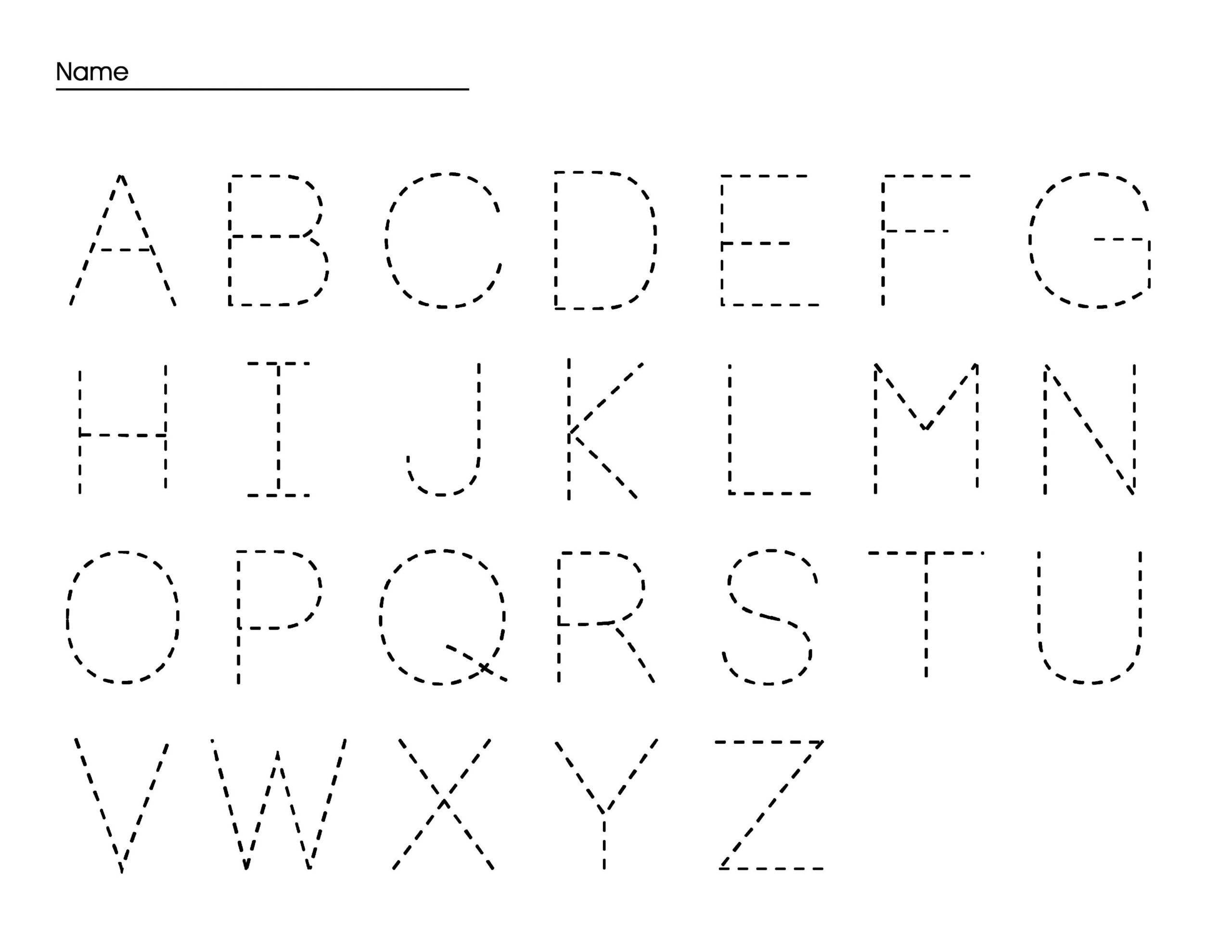
Evaluating Progress and Encouraging Independence
As children work through the Alphabet Free Printable Preschool Worksheets Tracing Letters, it’s essential to monitor their progress and encourage independence. Here are some strategies:
- Provide Feedback: Offer positive reinforcement as children trace their letters. Celebrate their successes and gently guide them when they struggle. A simple “Great job on that letter!” can motivate them to keep trying.
- Encourage Self-Assessment: Teach children to recognize when they’ve traced a letter correctly. You can use a smiley face sticker for correct attempts, fostering a sense of achievement.
- Gradually Reduce Support: As children become more confident in their abilities, gradually reduce the amount of guidance you provide. Encourage them to try writing the letters independently, using the traced letters as a reference.
By fostering a sense of independence, you’ll help children transition from tracing to writing with confidence.
Using Alphabet Free Printable Preschool Worksheets Tracing Letters is an effective way to support preschoolers in their writing development. By thoughtfully introducing these worksheets, creating an engaging environment, and incorporating diverse activities, you’ll create a holistic learning experience that nurtures young writers. As your students progress, you’ll witness their growth and newfound enthusiasm for learning, laying a strong foundation for their future educational journey.
With so many ways to use these resources, you can choose the approach that best suits your teaching style and the needs of your students. Whether you opt for daily tracing sessions or integrate them into fun activities, the key is to keep the experience enjoyable and engaging.