
Phonics is a foundational skill that sets the stage for reading success. When introducing young learners to the world of letters and sounds, using effective resources is crucial. Alphabet Beginner Phonics Worksheets For Kindergarten provide a hands-on approach to help children recognize letters and their corresponding sounds. These worksheets can be a game-changer in the classroom or at home, offering a structured way to practice essential phonics skills.
Understanding Phonics and Its Importance in Early Learning
Phonics instruction teaches children the relationships between letters and sounds, which is essential for decoding words. By mastering phonics, children can read more fluently and confidently. In kindergarten, students are typically ready to begin this journey, as they have developed a basic understanding of letters and sounds through prior exposure and play.
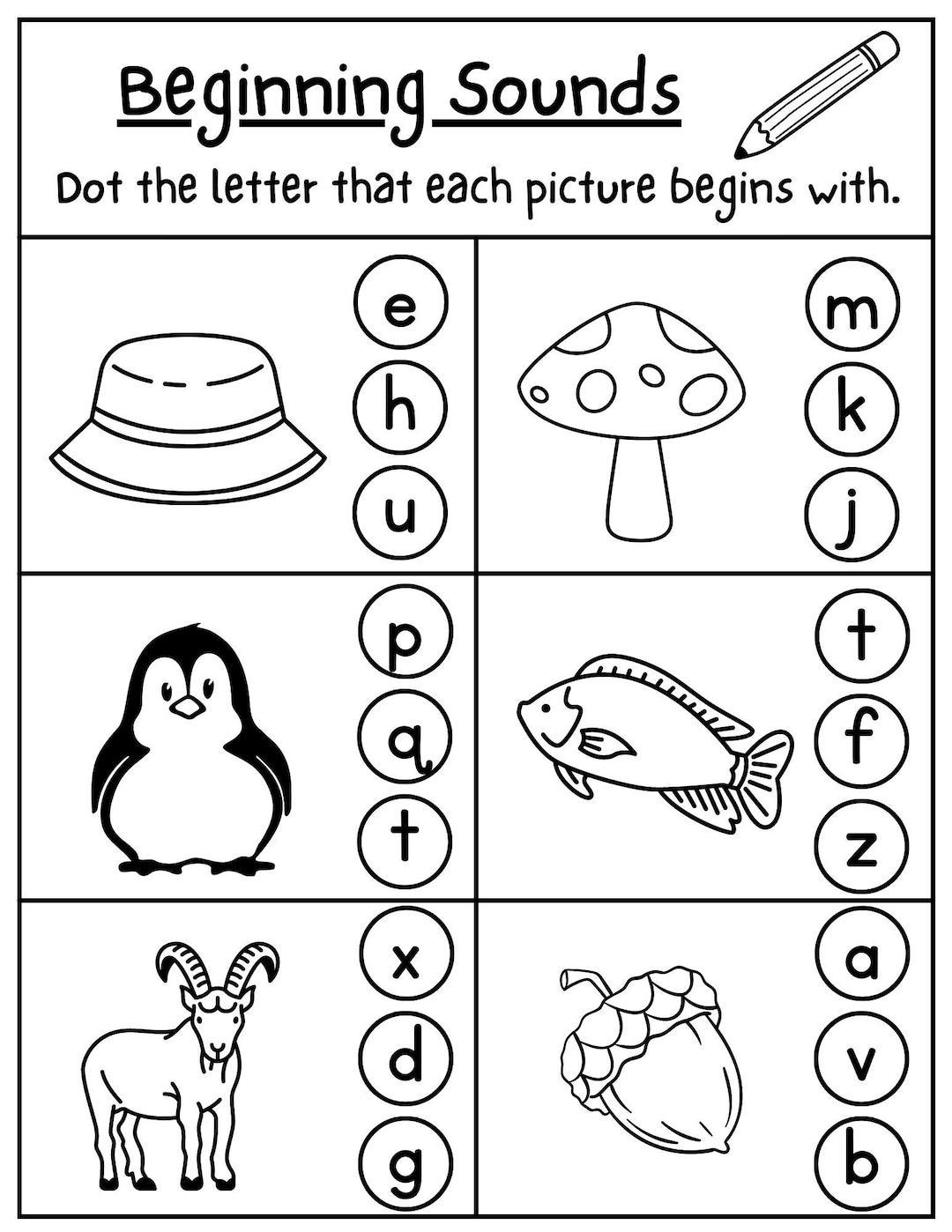
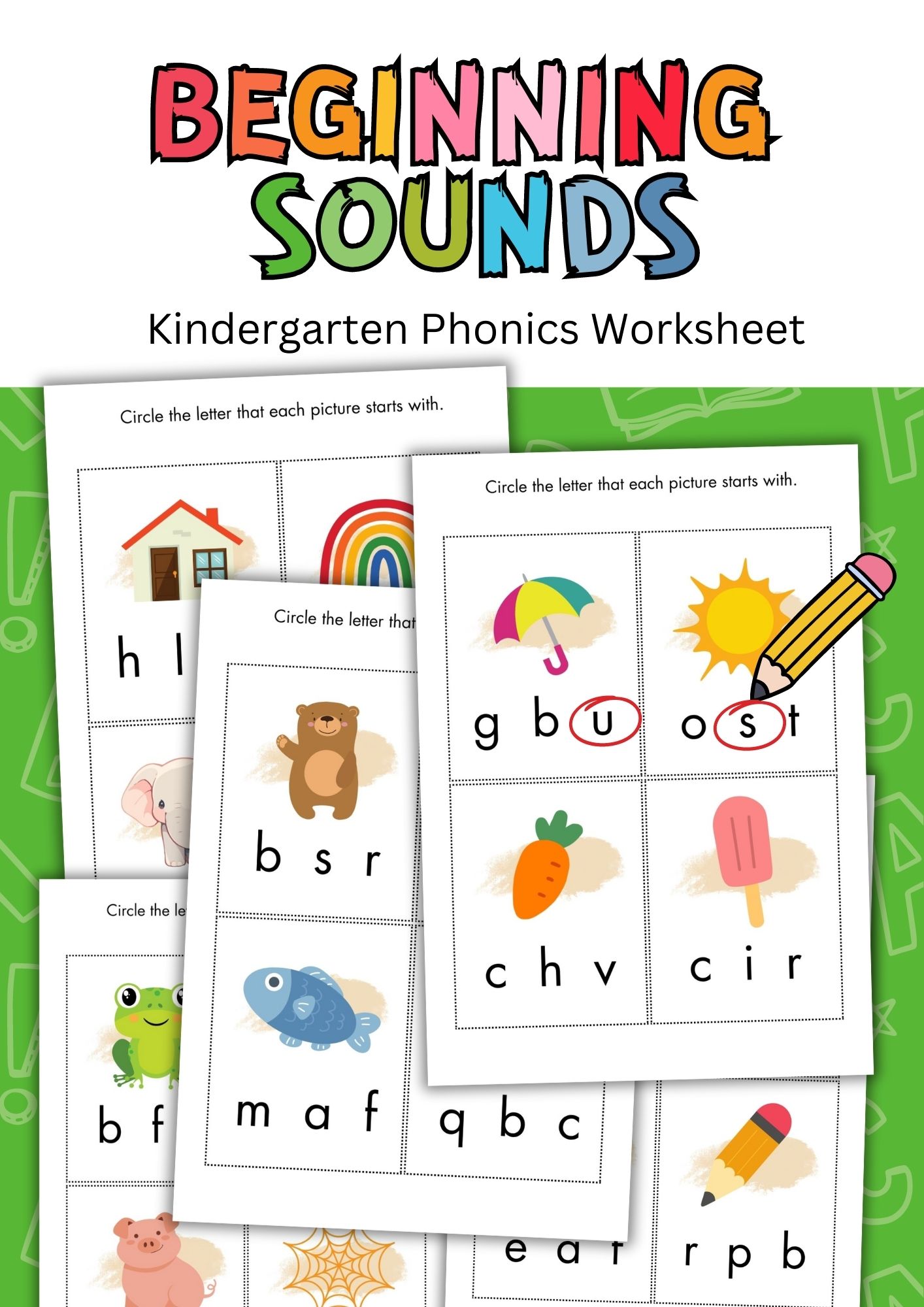
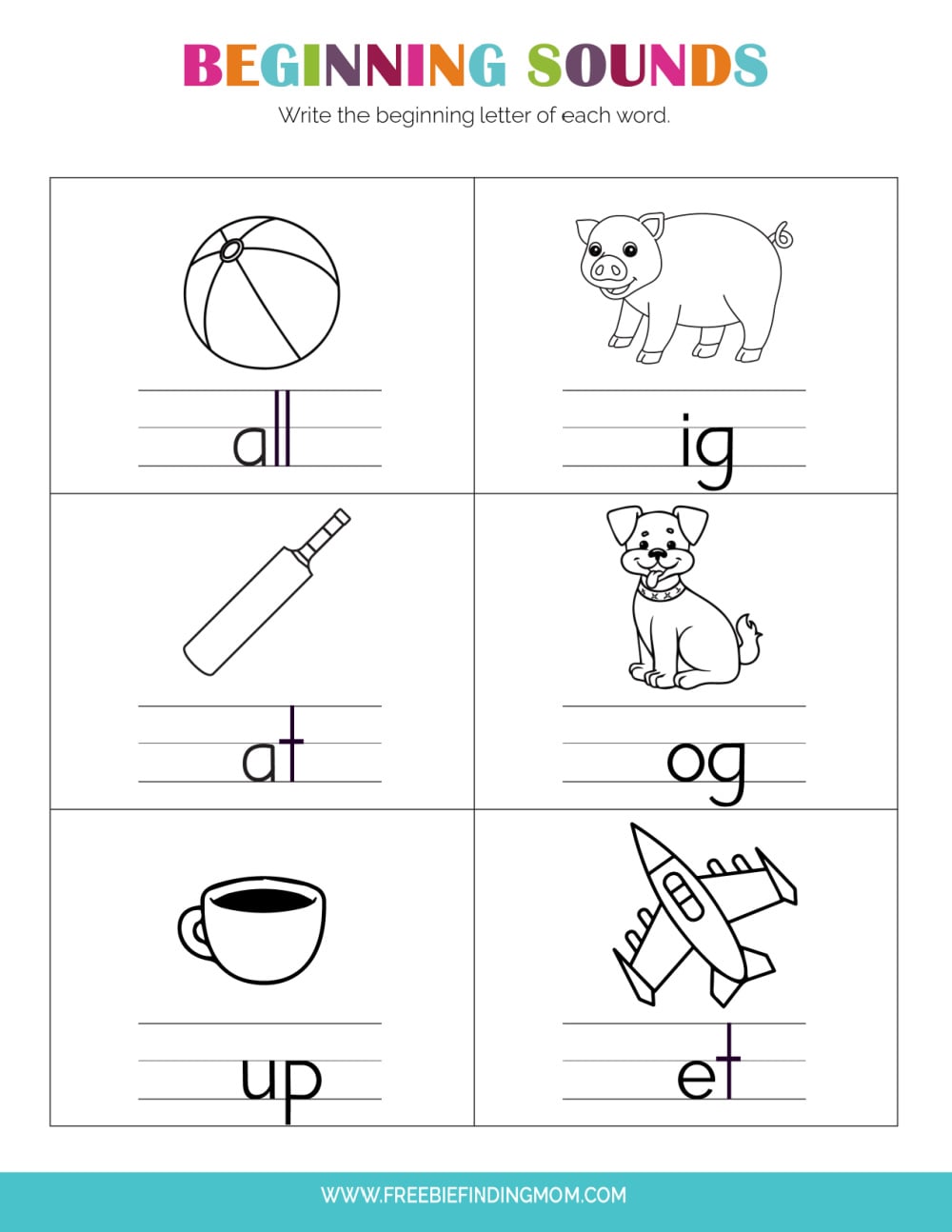
Using Alphabet Beginner Phonics Worksheets For Kindergarten, you can create engaging lessons that reinforce these concepts. These worksheets often include activities like matching letters to pictures, tracing letters, and identifying initial sounds in words. This variety keeps children engaged and caters to different learning styles.
Selecting the Right Worksheets
When choosing Alphabet Beginner Phonics Worksheets For Kindergarten, consider the following factors:
- Content Variety: Look for worksheets that include a mix of activities such as tracing, coloring, and matching. This variety helps maintain student interest and reinforces learning through different modalities.
- Visual Appeal: Worksheets should be colorful and engaging. Visual stimuli can help capture young learners’ attention and make the learning experience enjoyable.
- Skill Level: Ensure the worksheets are appropriate for kindergarteners. They should be challenging enough to promote growth but not so difficult that they become frustrated.
Many printable-resource websites offer free or low-cost worksheets that meet these criteria. Take the time to explore options and find resources that align with your teaching style and your students’ needs.
How to Use the Worksheets Effectively
Once you have selected your Alphabet Beginner Phonics Worksheets For Kindergarten, it’s important to implement them in a way that maximizes their effectiveness. Here are some strategies:
- Integrate with Daily Lessons: Start each day with a phonics warm-up using the worksheets. This could involve a quick tracing activity or a letter-sound review.
- Pair with Hands-On Activities: Reinforce the worksheet concepts with hands-on activities. For example, after completing a tracing worksheet, have students find objects in the classroom that start with the same letter.
- Group Work: Encourage collaboration by having students work in pairs or small groups to complete the worksheets. This can foster discussion about letters and sounds, enhancing their learning experience.
- Use as Assessment Tools: The worksheets can also serve as informal assessments. Review completed worksheets to gauge each student’s understanding and identify areas needing additional support.
Creating a Phonics Learning Environment
To enhance the effectiveness of Alphabet Beginner Phonics Worksheets For Kindergarten, create a phonics-rich environment in your classroom or home. Here’s how:
- Label Objects: Label common items in your classroom or home with their names, emphasizing the initial sound of each word. This reinforces phonics learning in a practical context.
- Phonics Centers: Set up a phonics center with various activities, including the worksheets, letter tiles, and phonics games. Rotate activities regularly to keep students engaged.
- Story Time: Incorporate story time with books that emphasize phonetic patterns. Choose stories that highlight the letters and sounds your students are learning.
Adapting Worksheets for Different Learning Styles
Every child learns differently, so it’s beneficial to adapt Alphabet Beginner Phonics Worksheets For Kindergarten to meet diverse needs. Here are some ideas:
- Visual Learners: Use worksheets that incorporate images alongside letters. For instance, a worksheet might have a picture of an apple next to the letter “A.”
- Kinesthetic Learners: For students who learn best through movement, consider activities that involve physically writing letters in sand or using finger paints. You can follow up with a worksheet that aligns with these activities.
- Auditory Learners: Incorporate songs or rhymes that emphasize letter sounds before completing the worksheets. This can help reinforce what they will practice.
Finding and Downloading Resources
Finding the right worksheets is easier than ever, thanks to numerous online resources. Many websites offer free printable Alphabet Beginner Phonics Worksheets For Kindergarten. Here’s how to make the most of these resources:
- Search for Specific Needs: Use specific keywords like “phonics worksheets,” “alphabet practice,” or “kindergarten tracing sheets” to find targeted resources.
- Check Print Quality: Ensure that the worksheets are available in PDF format for consistent quality when printing. This avoids issues like reformatting that can occur with image files.
- Read Reviews: If available, check reviews or ratings of the worksheets. This can provide insight into their effectiveness and appeal to young learners.
By utilizing these practical steps and resources, you can create a dynamic and engaging phonics learning experience for your kindergarten students. The goal is to make learning to read fun and exciting, laying a solid foundation for their future educational journey.
One last detail to remember is that using cardstock for printing these worksheets can enhance their durability, especially in a classroom setting where they may be reused or handled frequently.