
Tracing letters can be a challenging yet rewarding experience for young learners. Tracing Alphabet Worksheets A To Z provide an engaging way for children to practice their letter writing skills. These worksheets are designed for preschool and early elementary students, making them ideal for teachers and parents looking for effective educational resources. guide you through the benefits of these worksheets, how to implement them in your lessons, and tips for maximizing their effectiveness.
Understanding the Importance of Tracing Alphabet Worksheets
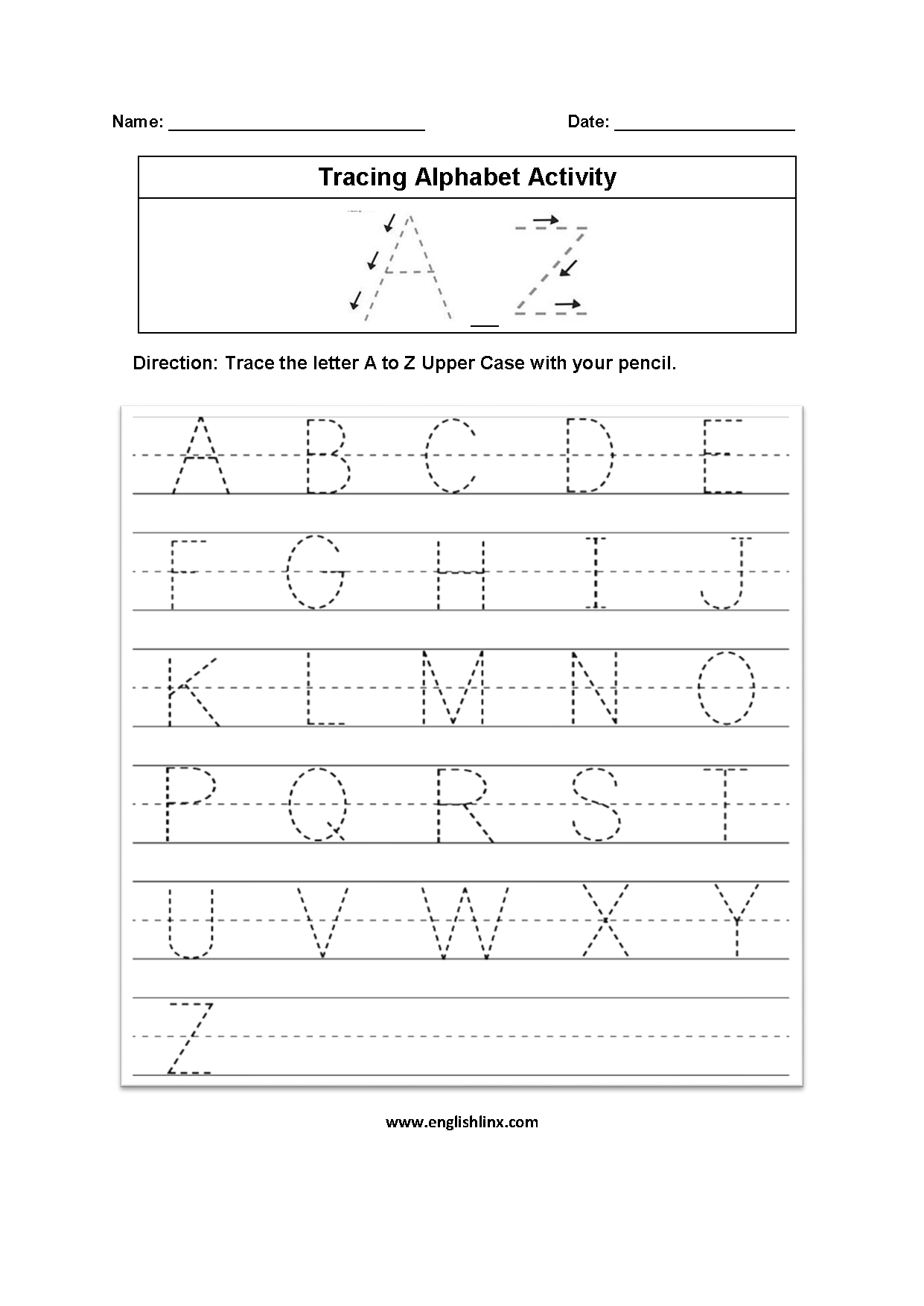
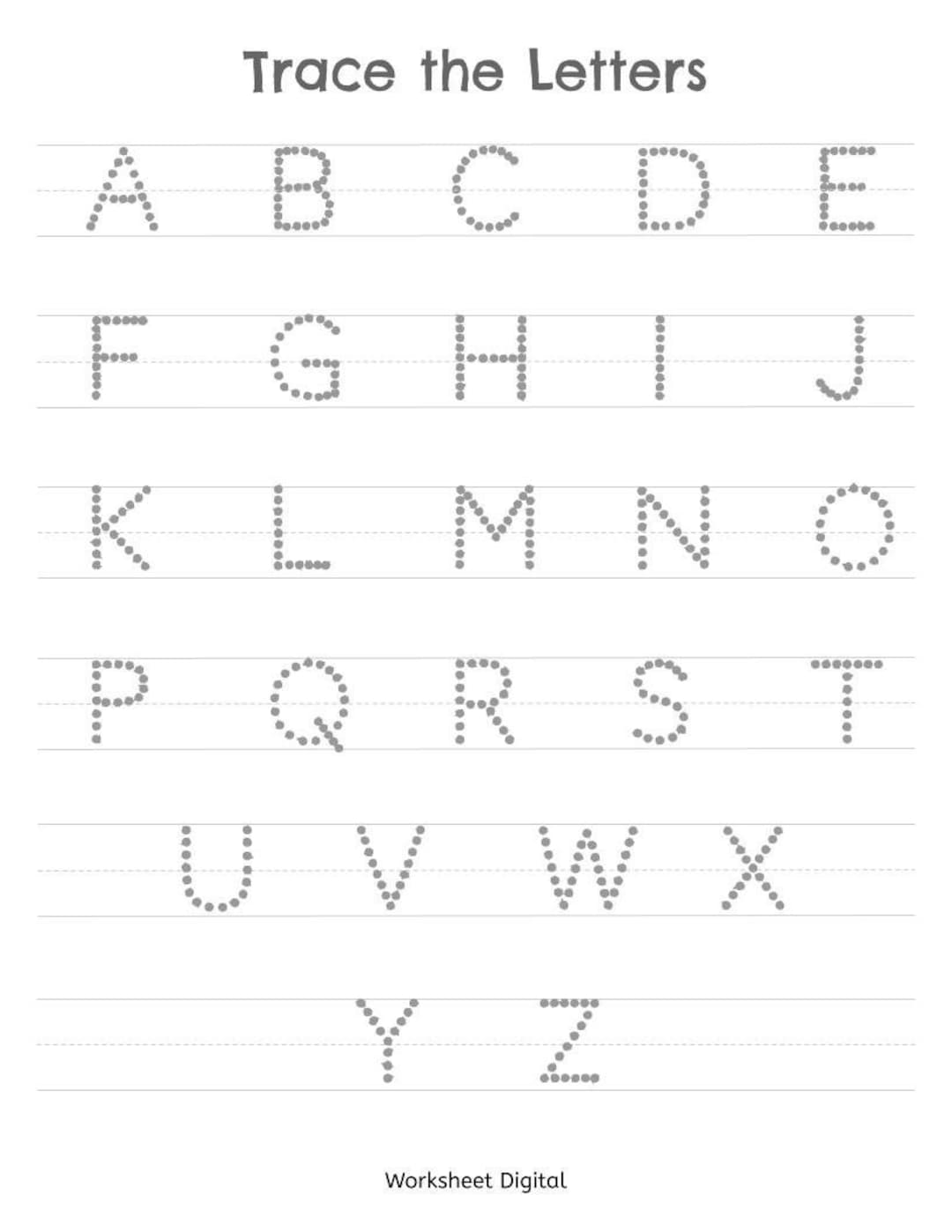
Tracing is a fundamental skill that helps children develop their handwriting and fine motor abilities. Tracing Alphabet Worksheets A To Z focus on both uppercase and lowercase letters, giving students the opportunity to learn proper letter formation. These worksheets typically include dotted lines for children to follow, allowing them to gain confidence as they practice.
Using these worksheets not only enhances writing skills but also reinforces letter recognition. As children trace each letter, they become more familiar with the shapes and sounds associated with them. This dual focus on motor skills and literacy makes tracing worksheets an essential resource in early childhood education.
How to Incorporate Tracing Worksheets Into Lessons
When it comes to using Tracing Alphabet Worksheets A To Z in a classroom or homeschool setting, flexibility is key. These worksheets can be integrated into various lesson plans or used as standalone activities. Here are some practical ways to incorporate them:
- Daily Practice: Set aside a few minutes each day for tracing practice. Consistency helps reinforce learning and builds muscle memory.
- Thematic Learning: Incorporate tracing worksheets into thematic units. For example, during a letter “B” week, provide worksheets that feature words starting with “B” to create context.
- Cross-Curricular Connections: Combine tracing with other subjects, such as art. After tracing letters, children can draw pictures that start with the corresponding letter, enhancing creativity while solidifying their learning.
- Group Activities: Use the worksheets in small groups to encourage collaboration. Children can help each other with tricky letters, fostering a supportive learning environment.
Selecting the Right Tracing Worksheets
With various Tracing Alphabet Worksheets A To Z available, choosing the right ones is crucial for effective learning. Consider the following factors:
- Age Appropriateness: Ensure the worksheets are suitable for the child’s developmental level. Look for worksheets designed specifically for preschool or kindergarten students, as these typically have simpler designs.
- Visual Appeal: Children are more likely to engage with worksheets that are colorful and visually stimulating. Choose resources that incorporate fun images or themes to keep their interest.
- Variety in Practice: Look for worksheets that offer different types of tracing activities. Some may focus solely on letters, while others incorporate words or sentences, providing a broader practice range.
- Durability: If the worksheets are to be reused, consider printing them on cardstock or laminating them. This not only prolongs their life but also allows for dry-erase markers to be used, making cleanup easy.
Tips for Maximizing the Effectiveness of Tracing Worksheets
To get the most out of Tracing Alphabet Worksheets A To Z, keep these tips in mind:
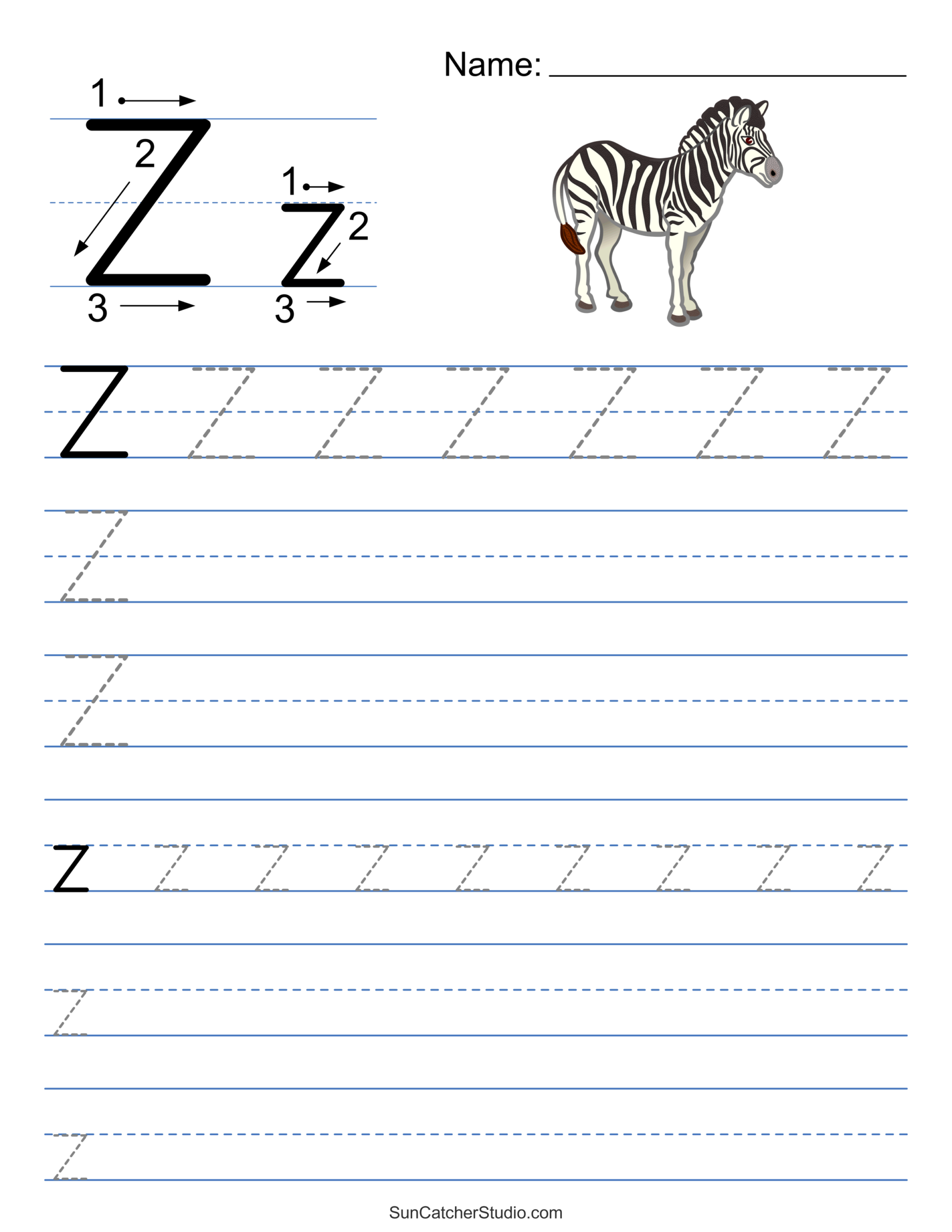
- Model Letter Formation: Before children start tracing, demonstrate how to write each letter correctly. Use a whiteboard or large paper to show the strokes involved in each letter.
- Use Positive Reinforcement: Celebrate small successes to keep children motivated. Stickers or verbal praise can go a long way in encouraging perseverance.
- Incorporate Movement: For kinesthetic learners, incorporate physical activities related to the letters. For example, have children form letters with their bodies or use sand trays for tracing.
- Monitor Progress: Regularly review the worksheets to assess each child’s progress. This helps identify areas where they may need more practice and allows for tailored instruction.
- Encourage Independent Practice: As children become more comfortable, encourage them to attempt writing letters without tracing. This transition builds confidence and reinforces their learning.
By implementing these strategies, Tracing Alphabet Worksheets A To Z can become a powerful tool in developing young learners’ writing skills. They not only serve as a foundation for literacy but also foster a love for learning that can last a lifetime.
In summary, utilizing Tracing Alphabet Worksheets A To Z effectively requires thoughtful planning and execution. By selecting appropriate worksheets, incorporating them into daily routines, and using practical tips to enhance learning, teachers and parents can provide a rich educational experience that supports children’s development.
For immediate use, consider printing a few worksheets for your next lesson. This simple action can set the stage for engaging and productive learning experiences.