
Cut And Paste Alphabet Worksheets are an invaluable tool for early literacy instruction, particularly for children in preschool and kindergarten. These worksheets typically come in standard letter-sized (8.5” x 11”) format, making them easy to print and use in various settings. They provide a hands-on approach to learning the alphabet, allowing children to engage with letters actively and creatively.
What Are Cut And Paste Alphabet Worksheets?
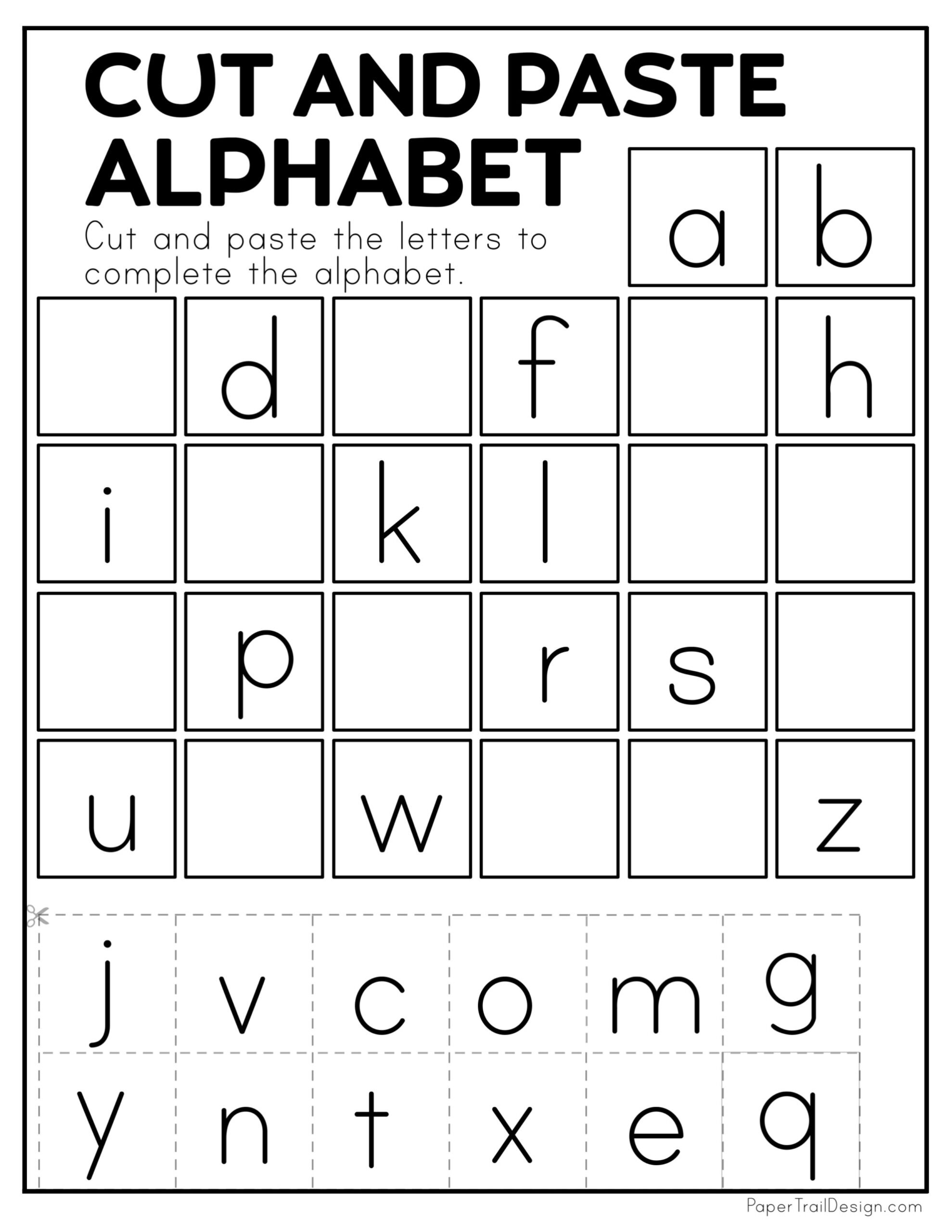
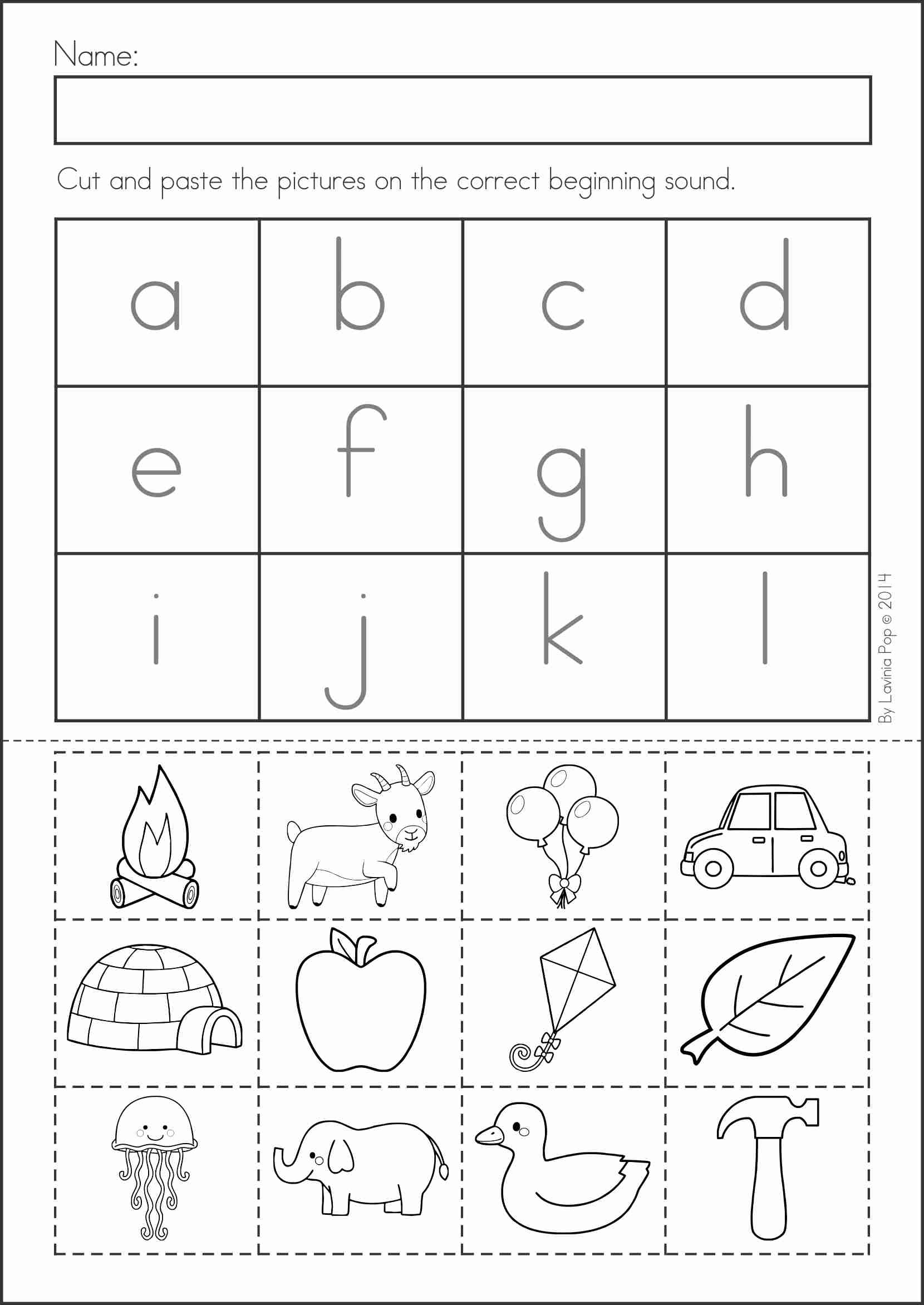
These worksheets consist of various activities where children can cut out letters and paste them onto corresponding spaces or images. This method not only reinforces letter recognition but also develops fine motor skills as children practice using scissors and glue. The worksheets usually include colorful images and prompts, making them visually appealing and engaging for young learners.
Key Features of Cut And Paste Alphabet Worksheets
When you look at Cut And Paste Alphabet Worksheets, you’ll notice several distinct features that enhance the learning experience:
- Visual Aids: Each worksheet often includes images that correspond to the letters, helping children associate sounds with visuals.
- Clear Layout: Worksheets are designed with a clear structure, usually featuring a designated area for cutting and pasting, making it easy for children to follow instructions.
- Targeted Skills: Activities within the worksheets are designed to focus on specific skills, such as letter recognition, phonemic awareness, and vocabulary building.
- Variety of Activities: These worksheets may include matching letters to pictures, creating words, or sorting uppercase and lowercase letters, providing a diverse range of learning opportunities.
How to Use Cut And Paste Alphabet Worksheets Effectively
Incorporating Cut And Paste Alphabet Worksheets into your teaching routine can be straightforward and effective. Here are some practical tips to maximize their use:
- Daily Practice: Spread the worksheets over a week to allow for repeated exposure to the alphabet. For example, assign a worksheet each day, focusing on a specific letter or group of letters. This repetition helps reinforce learning and aids memory retention.
- Group Activities: Use the worksheets in small groups or pairs. This encourages collaboration and allows children to learn from each other, enhancing the social aspect of learning.
- Integration with Other Subjects: Combine the worksheets with other subjects, such as art or storytelling. For instance, after completing a worksheet, children can draw their favorite objects that start with the letters they’ve learned.
- Assessment and Progress Tracking: Use the worksheets as informal assessments. Observe how well each child cuts, pastes, and identifies letters. This can guide your future instruction and help track progress over time.
Ideal Age and Learning Levels for Cut And Paste Alphabet Worksheets
Cut And Paste Alphabet Worksheets are primarily designed for children aged 4 to 6 years old. However, they can also be beneficial for older children who may need additional support in letter recognition and fine motor skills. When using these worksheets, consider the following age-specific adaptations:
- Preschool (Ages 4-5): Focus on basic letter recognition and simple matching activities. Use larger letters and images to accommodate developing motor skills.
- Kindergarten (Ages 5-6): Introduce more complex activities, such as forming simple words or categorizing letters. Incorporate both uppercase and lowercase letters to enhance their understanding of the alphabet.
Downloading and Printing Cut And Paste Alphabet Worksheets
When you’re ready to use Cut And Paste Alphabet Worksheets, consider the following practical tips for printing and preparation:
- Paper Type: For durability, print the worksheets on heavier paper, such as cardstock. This holds up better during cutting and pasting activities and can withstand repeated use.
- Portrait vs. Landscape Layout: Most worksheets are designed in portrait orientation, which typically works best for standard home printers. Ensure your settings are adjusted accordingly to avoid any formatting issues.
- Color Printing: If possible, use a color printer to enhance the visual appeal of the worksheets. Bright colors can keep children engaged and make learning more enjoyable.
Creating a Routine With Cut And Paste Alphabet Worksheets
To make the most out of Cut And Paste Alphabet Worksheets, establish a routine that incorporates them into your daily schedule. Here’s a simple plan:
- Morning Activity: Start the day with a worksheet that focuses on the letter of the week. This serves as a warm-up activity to get children thinking about letters right from the start.
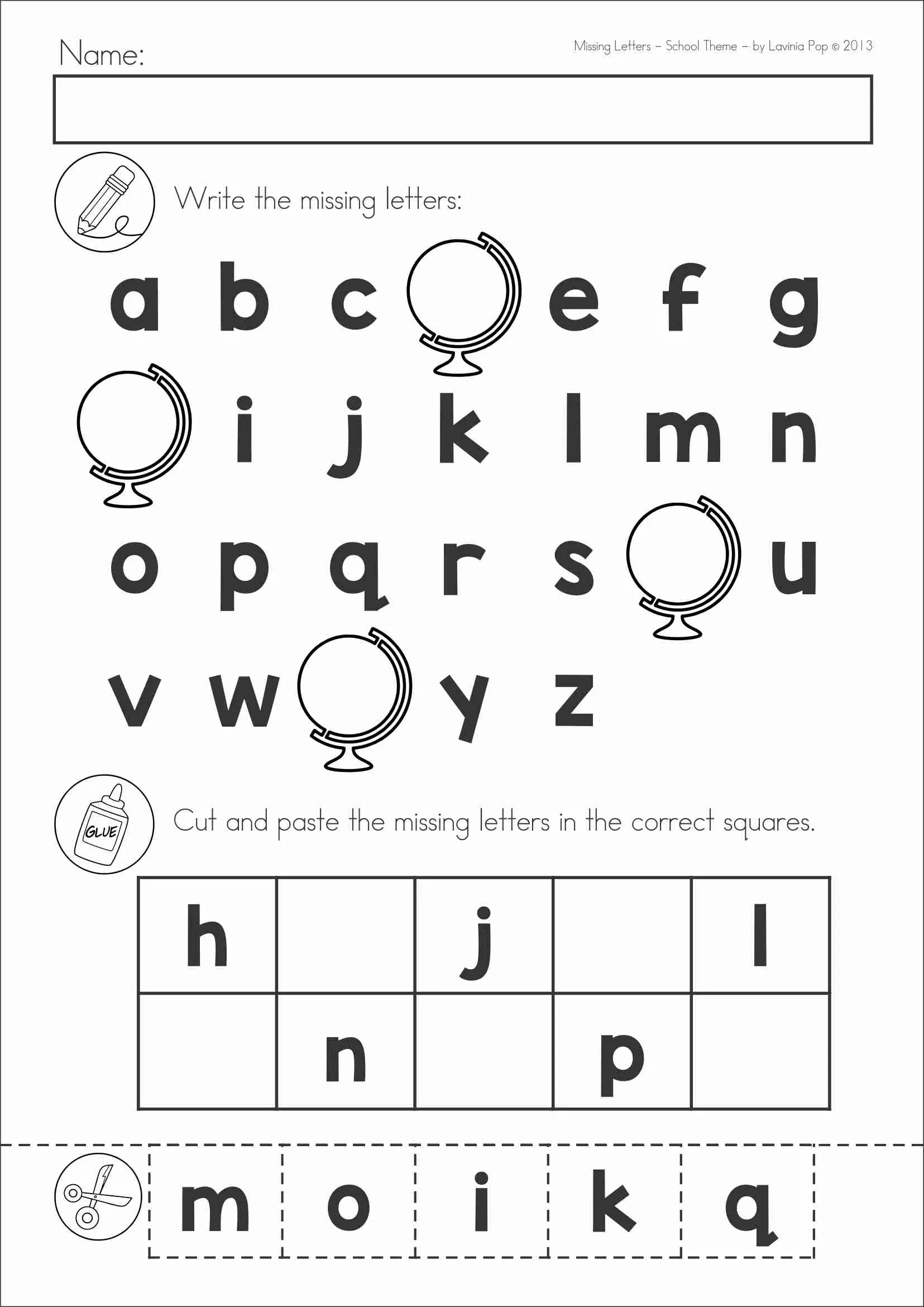
- Hands-On Learning: Allocate time for hands-on activities, allowing children to cut, paste, and create. This can be done during centers or as part of a larger literacy block.
- Review Sessions: At the end of the week, review the letters learned through fun games or songs. This solidifies their understanding and makes learning memorable.