
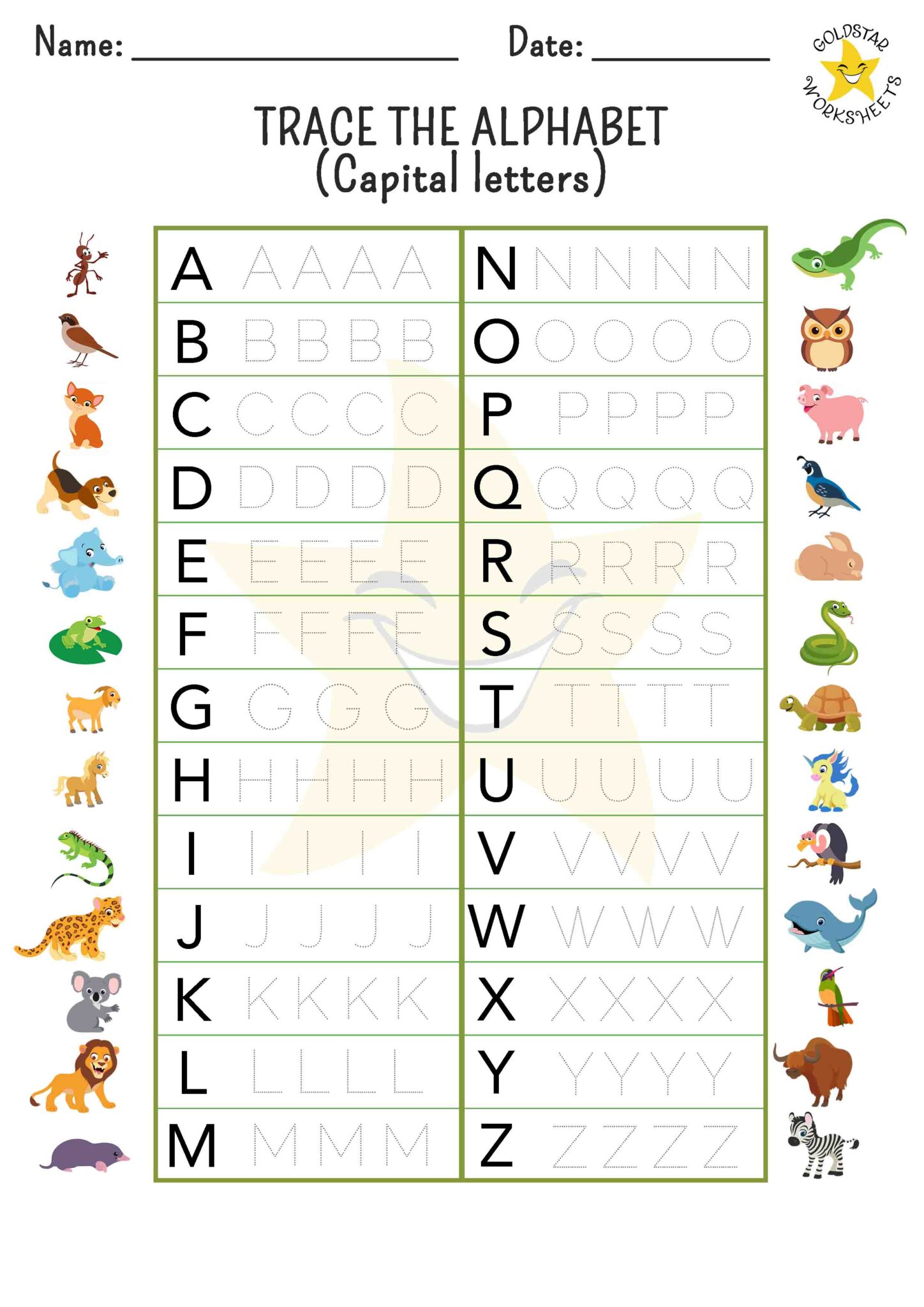
The Trace The Letters Of The Alphabet Worksheet stands out from the many resources available because it combines structured practice with engaging designs that keep young learners motivated. This worksheet is specifically crafted for preschool and early elementary students who are just beginning their journey into writing. By providing a clear and engaging layout, it helps children develop their fine motor skills and letter recognition, essential for their literacy development.
Understanding the Layout of the Worksheet
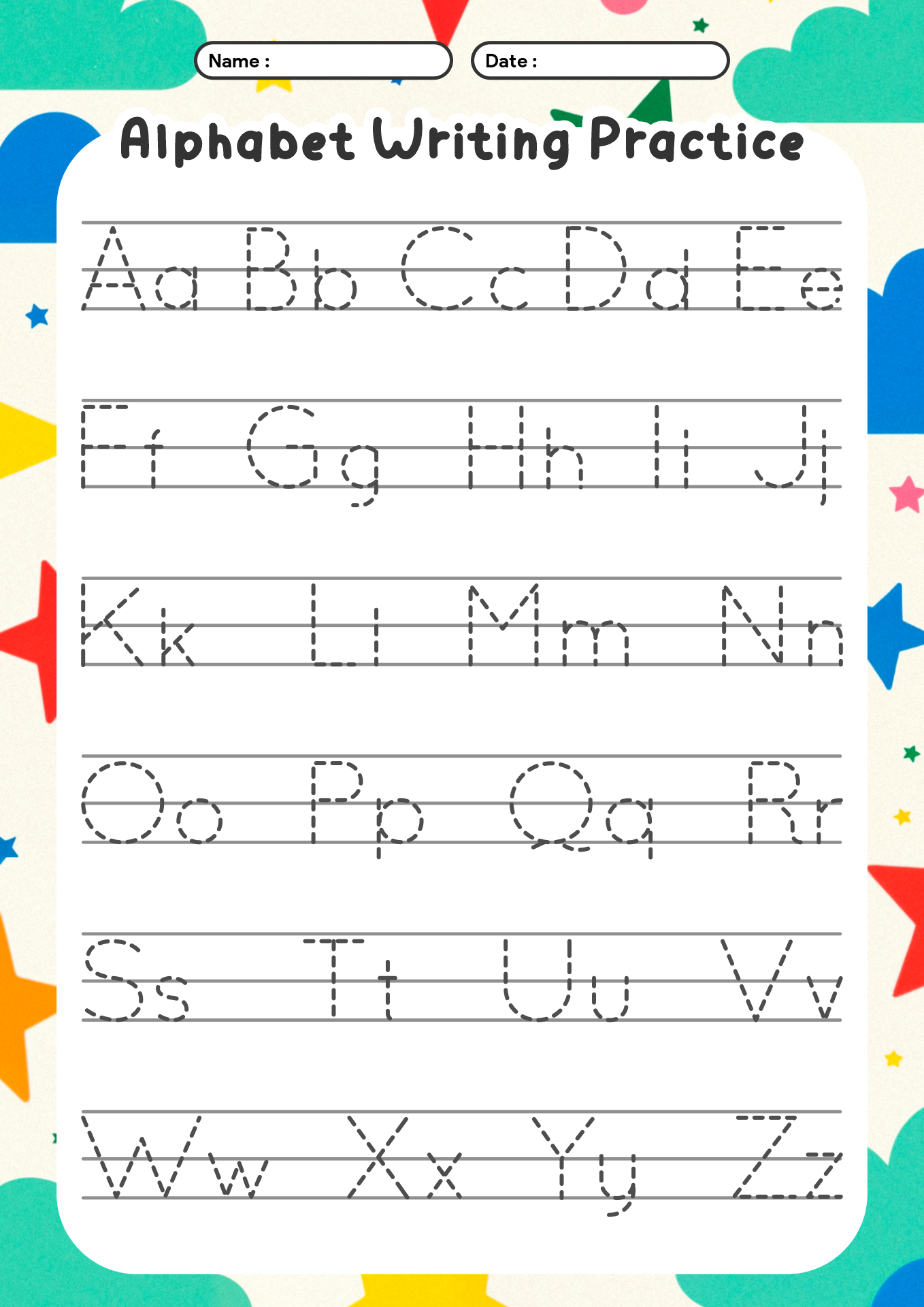
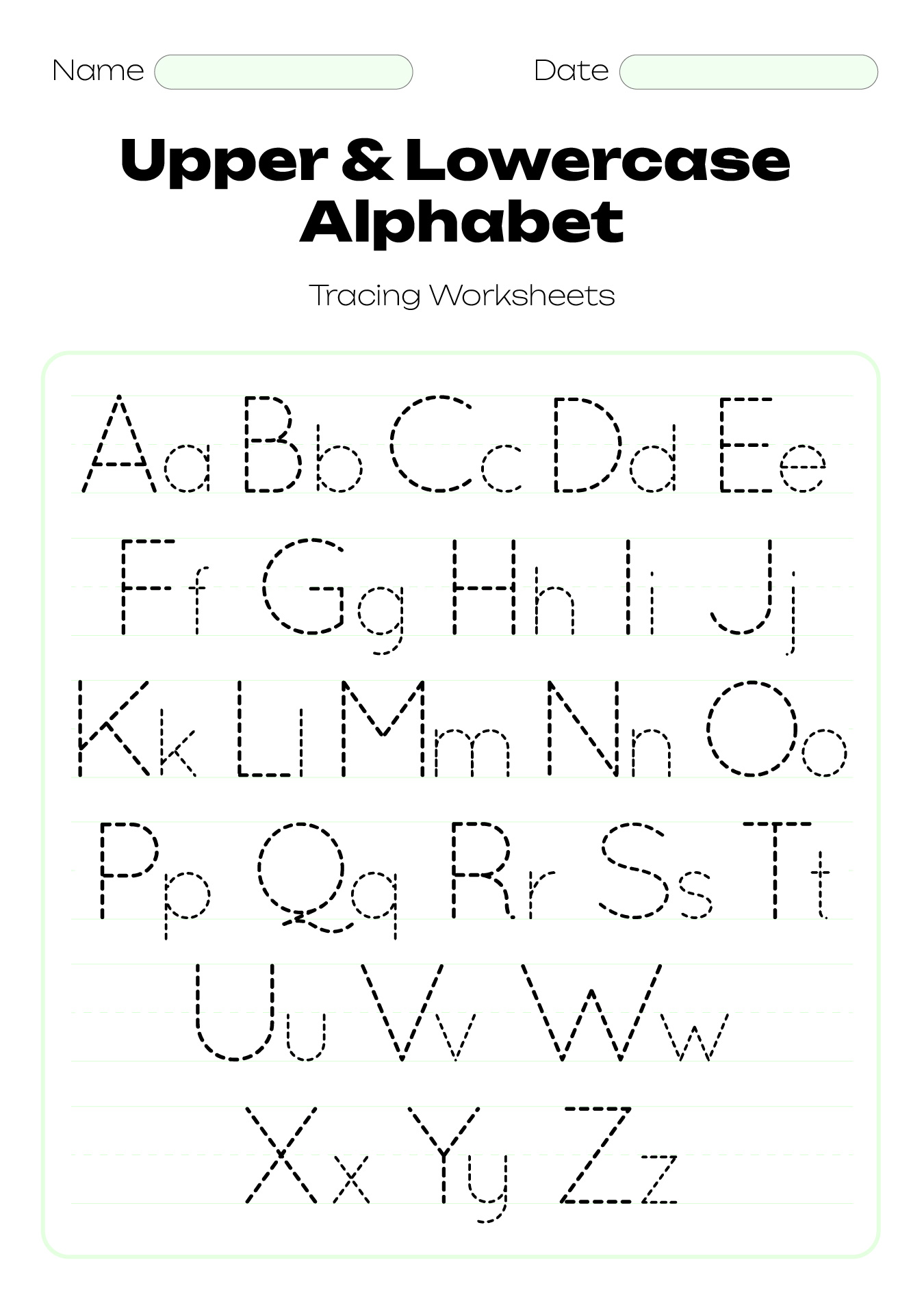
The worksheet is designed with a user-friendly layout that includes both upper and lowercase letters. Each letter is presented in a large, bold font, making it easy for children to see and trace. The design typically features arrows indicating the correct starting and ending points for each letter, which is crucial for teaching proper letter formation.
You’ll usually find a dedicated space for each letter, allowing children to focus on one character at a time. This segmented approach helps prevent overwhelm, enabling them to build confidence as they master each letter.
In addition, many worksheets include a small illustration related to the letter being traced. For instance, the letter ‘A’ might be accompanied by an image of an apple. This visual connection reinforces learning, making it easier for children to remember the letters and their corresponding sounds.
Practical Classroom Applications
When you’re preparing to use the Trace The Letters Of The Alphabet Worksheet in your classroom or homeschool, consider how to best print and distribute it. If you’re working with a large class, printing on standard letter-size paper (8.5 x 11 inches) will be the most efficient. This size is compatible with most home printers and is easy for students to handle.
You might want to print multiple copies of the worksheet for each student, especially if you’re planning to have them practice tracing letters multiple times. Additionally, using cardstock rather than regular paper can enhance durability, especially if the worksheets will be reused or if you plan to laminate them for dry-erase use.
For grading or review, these worksheets typically offer straightforward evaluation criteria: you can check for accuracy in tracing and letter formation. Observing how well students adhere to the guidelines can give you insight into their understanding of letter shapes and their writing skills.
Engaging Students With Interactive Activities
To further engage students, consider incorporating interactive activities alongside the worksheet. For example, after tracing the letters, encourage students to practice writing them in the air or on a whiteboard. This kinesthetic approach reinforces their learning and helps develop muscle memory.
Another fun idea is to have students use colored pencils or markers to trace the letters. This not only makes the activity more enjoyable but also allows for creativity. You might even consider a “letter of the day” theme, where students learn a new letter each day and create a mini-poster that includes their traced letter, illustrations, and any words that start with that letter.
If you’re using this worksheet in a homeschool setting, you can easily adapt these activities to fit your child’s interests. For instance, if your child loves animals, you could focus on animal names that start with each letter, integrating both tracing and vocabulary development.
Addressing Different Learning Styles
The Trace The Letters Of The Alphabet Worksheet is versatile enough to accommodate various learning styles. Visual learners benefit from the clear letter displays and accompanying images, while kinesthetic learners can thrive through the tracing and writing activities.
For auditory learners, you could incorporate songs or rhymes that correspond with the letters. For instance, singing an alphabet song while pointing out each letter can reinforce their learning in a fun and memorable way.
It’s also beneficial to provide feedback during the tracing activity. Encourage students by praising their efforts, and gently correct their techniques when necessary. This feedback loop will help them feel supported and motivated to improve.
Making It Accessible for All Students
When using the Trace The Letters Of The Alphabet Worksheet, consider accessibility for all students. Some children may struggle with fine motor skills, making tracing challenging. To support them, you might provide additional tools like pencil grips or larger writing utensils designed for young children.
You can also modify the worksheet by providing a dotted or dashed outline of the letters for those who need extra guidance. This way, students can trace the letters with more confidence.
Additionally, if you have students who require more advanced challenges, you can encourage them to write words that begin with each letter once they feel comfortable with tracing. This not only reinforces their letter knowledge but also begins to build their vocabulary.
In a digital age, offering printable resources like the Trace The Letters Of The Alphabet Worksheet is invaluable. It allows for immediate access, making it easy for teachers and parents to download and utilize. You can find various styles and designs online, catering to different learning preferences and age groups.
These worksheets can often be formatted as PDFs, ensuring that the layout remains intact when printed. This eliminates any reformatting issues that might arise with image files.
Lastly, remember that the most effective learning happens in a supportive environment. Encourage students to take pride in their work and celebrate their progress, no matter how small.
The single most useful detail to remember is that incorporating visuals alongside tracing activities can significantly enhance letter recognition and retention, making the learning experience both effective and enjoyable.