
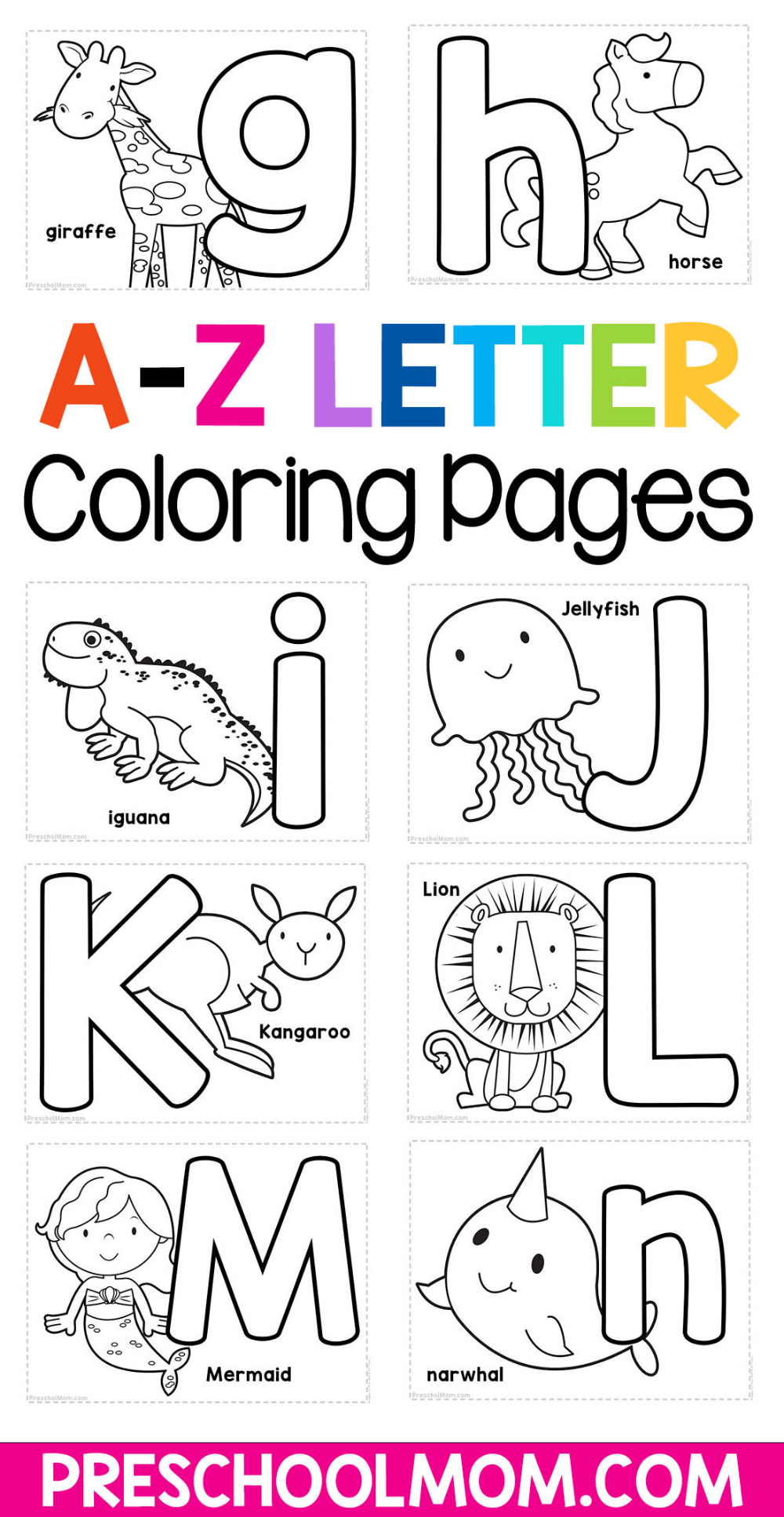
The quest for engaging educational resources often leads teachers and parents to seek out creative tools that can make learning fun. Free colouring pages of alphabets serve as an excellent resource for helping young children learn their letters while indulging their artistic side. These printable sheets not only foster creativity but also reinforce letter recognition and phonetic sounds, which are crucial for early literacy development.
Why Use Colouring Pages for Alphabet Learning?
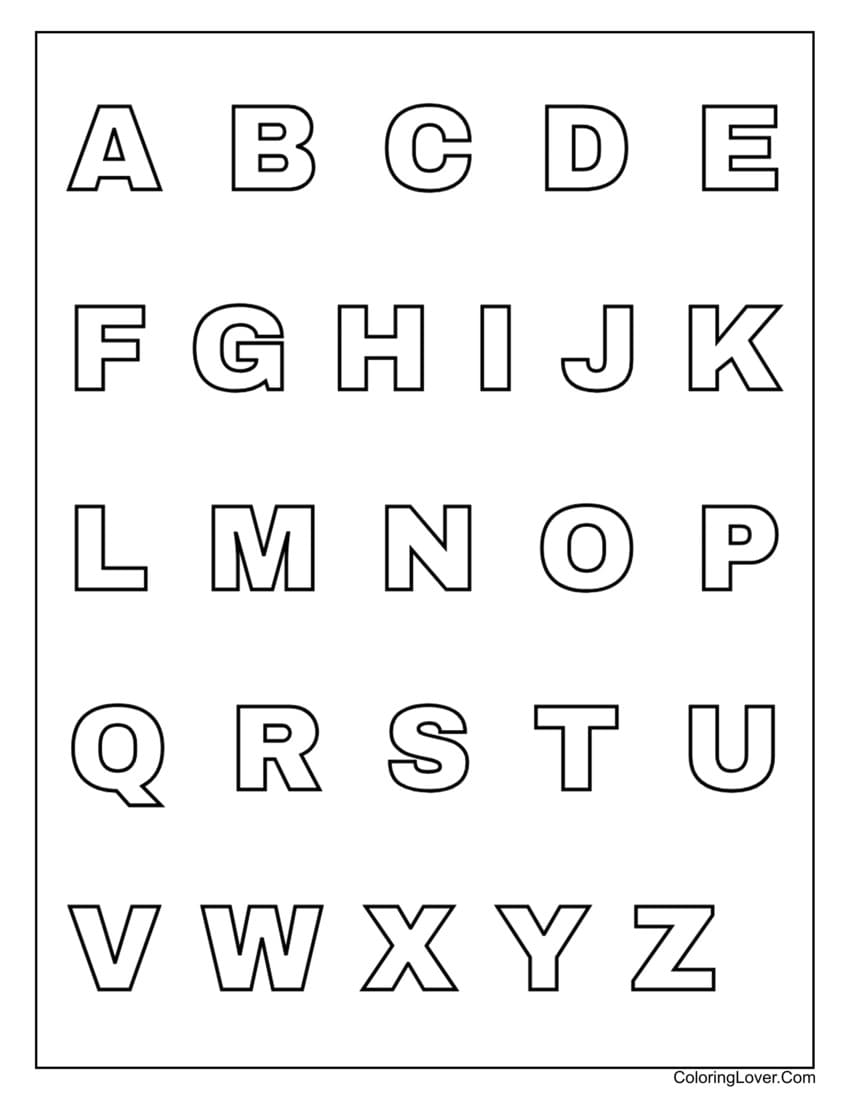
Colouring pages are more than just a fun activity; they provide a hands-on approach to learning. Children can grasp letters’ shapes and forms while engaging in a creative task. This dual approach—artistic expression alongside cognitive learning—helps solidify their understanding of the alphabet.
When they colour in letters, they also build fine motor skills, which are essential for writing. You’ll notice that children often express excitement when given the freedom to colour, making it a wonderful way to keep them engaged.
Target Audience and Age Range
Free colouring pages of alphabets are ideal for preschool and kindergarten-aged children, typically between 3 to 6 years old. At this stage, children are often beginning to learn letters and sounds, and these colouring pages can act as a bridge to more formal learning. They can be used in various settings, including:
- Classrooms: Perfect for group activities or individual work.
- Homeschooling: An excellent addition to a literacy curriculum.
- At home: Great for parents looking to supplement learning during playtime.
Downloading and Printing Tips
When it comes to downloading and printing these resources, it’s vital to consider a few practical aspects:
- Format: Most colouring pages come in PDF format, which preserves the layout and quality. This is essential for printing.
- Paper Size: Standard A4 or letter size (8.5 x 11 inches) works well for most home printers. Ensure your printer settings match the paper size to avoid any cropping.
- Print Quality: For the best results, choose a high-quality print setting. This ensures that the outlines are crisp and clear, which is particularly important for young children who may struggle with intricate designs.
- Use of Cardstock: If you plan to laminate the colouring pages for reuse, consider printing on cardstock. This heavier paper holds up better and is perfect for repeated use.
Engaging Children With Colouring Pages
To maximize the educational benefits of free colouring pages of alphabets, consider these strategies:
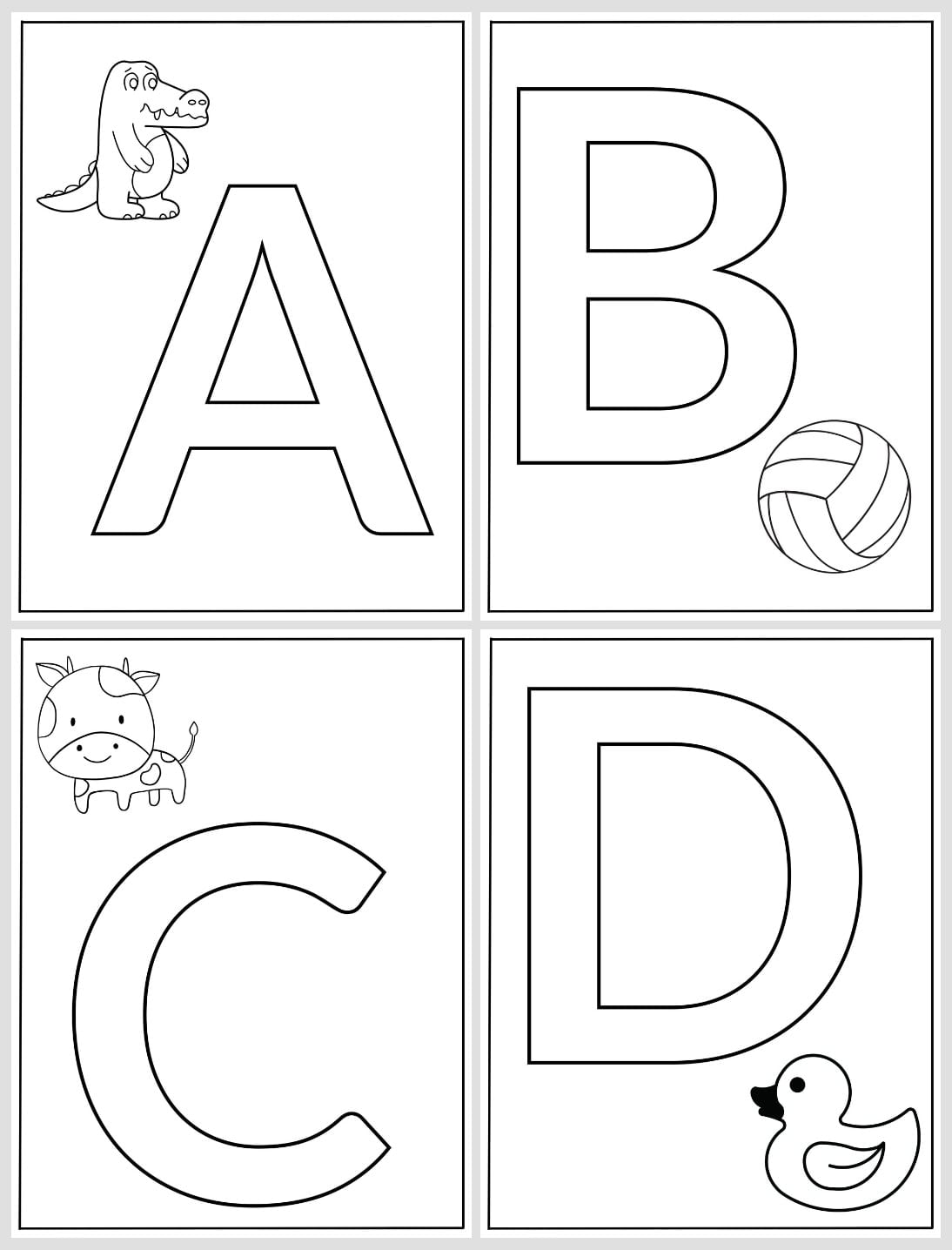
- Thematic Learning: Pair colouring activities with specific themes, such as animals or objects that start with each letter. For example, use an ‘A’ page featuring an apple and an ‘B’ page with a butterfly. This helps reinforce vocabulary.
- Interactive Sessions: Turn colouring into a group activity where children can share their work and discuss the letters they are learning. This social aspect encourages communication and reinforces their understanding.
- Incorporate Phonics: As children colour, you can introduce phonetic sounds associated with each letter. For instance, say, “A is for Apple” while they colour the letter A. This reinforces sound-letter associations.
Assessing Progress and Mastery
It’s essential to gauge how well children understand the alphabet through their activities. Here’s what to look for:
- Letter Recognition: After completing several colouring pages, ask children to identify letters without prompts. This helps you see if they can recognize the letters independently.
- Sound Association: Test their ability to connect letters with their sounds. Ask questions like, “What sound does the letter B make?” This checking helps identify areas needing reinforcement.
- Fine Motor Skills Development: Observe their grip and control while colouring. If they struggle, you may need to provide additional activities focusing on fine motor skills before revisiting letters.
Where to Find Free Colouring Pages of Alphabets
There are numerous online resources where you can find free colouring pages of alphabets. Here are a few reliable sources:
- Educational Websites: Sites like Education.com and Teachers Pay Teachers often have free resources available.
- Printables Blogs: Many teaching blogs offer free downloads, typically categorized for easy access.
- Community Forums: Platforms like Pinterest can lead you to various sites with free printable resources.
Creative Uses Beyond Colouring
While the primary focus of these pages is colouring, there are other creative ways to utilize them:
- Collage Projects: After colouring, children can cut out their letters and create collages, combining their artistic work with other materials.
- Storytelling: Encourage children to create short stories or sentences using the letters they’ve coloured. This not only reinforces reading skills but also sparks imagination.
- Decorations: Finished colouring pages can be displayed in the classroom or at home, fostering a sense of pride in their work and creating an engaging learning environment.
Final Tip for Immediate Use
To get started right away, find a few free colouring pages of alphabets online and print them out. Set aside time for a fun colouring session, and remember to talk about the letters and their sounds while your children colour. This simple act can significantly enhance their learning experience and make mastering the alphabet an enjoyable adventure.