
As Sophie sat at the kitchen table, her young son, Max, struggled to spell his name. She remembered a resource she had come across: Free Coloured Letters To Print. This simple tool could transform their learning experience into a fun activity, allowing Max to visually connect with the letters that formed his name. Such resources are invaluable for parents and teachers looking to reinforce literacy skills in a playful manner.
Understanding the Importance of Coloured Letters
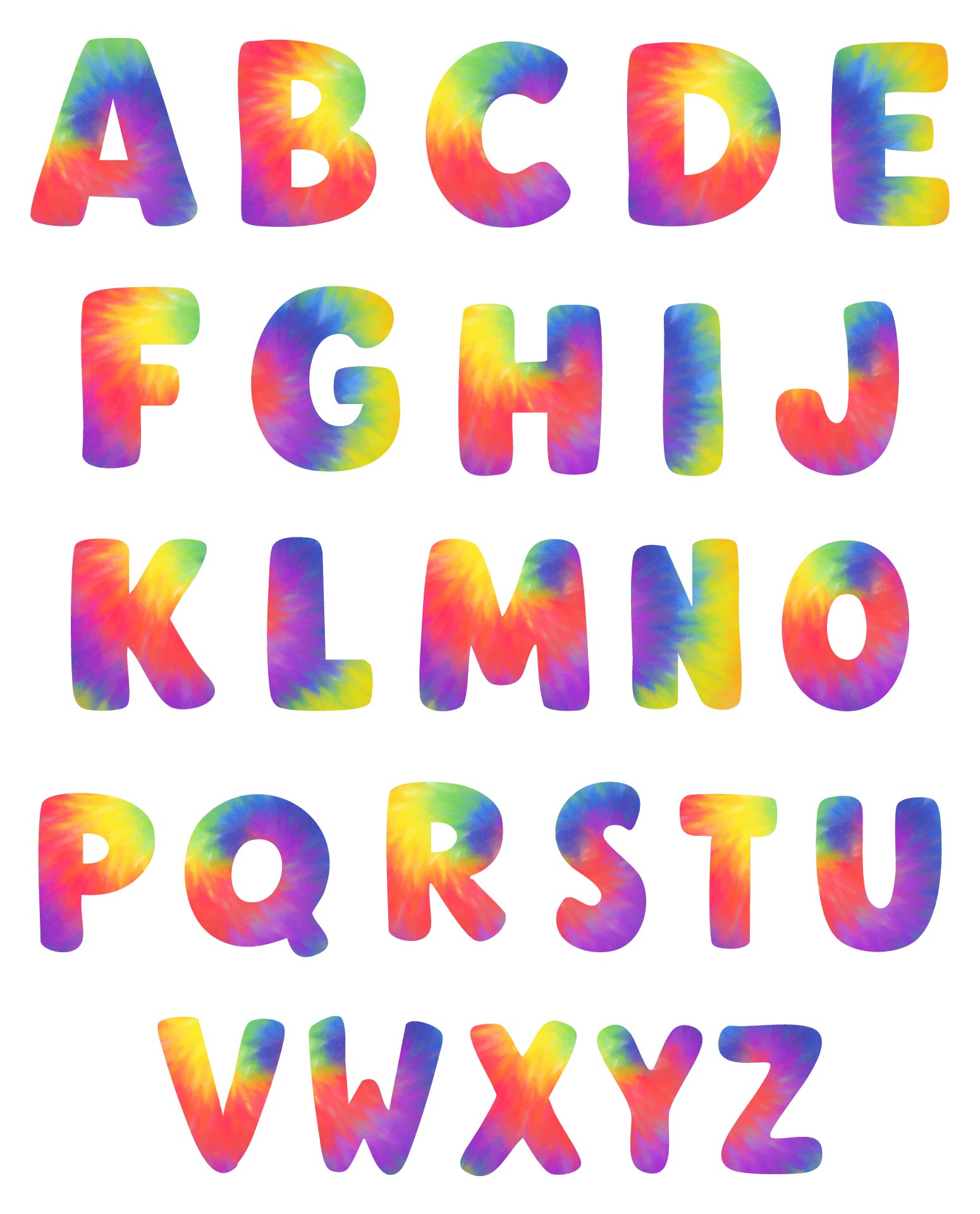
Using colours in educational resources can significantly enhance a child’s ability to learn. Studies show that colour can improve memory retention and make learning more enjoyable. Free coloured letters to print provide a vibrant way for children to engage with the alphabet, helping them recognize letters and associate them with sounds. This visual stimulation can be particularly effective for younger students or those who may struggle with traditional learning methods.
How to Use Coloured Letters Effectively
Crafting Activities
One of the best ways to utilize free coloured letters is through creative crafting. You can print the letters on cardstock for sturdiness and cut them out. Here are a few ideas:
- Name Tags: Children can create name tags for themselves or for stuffed animals, reinforcing letter recognition.
- Alphabet Collages: Have children cut out different letters and glue them onto a larger sheet to form words or their names.
- Decorative Banners: Use letters to spell out phrases or words and hang them around the room for visual reinforcement.
Learning Games
Incorporating games can make learning exciting. Here are some suggestions:
- Letter Matching: Print out two sets of letters and have children match uppercase to lowercase letters.
- Alphabet Bingo: Create bingo cards with letters and call out the letters for children to mark.
- Scavenger Hunts: Hide letters around the home or classroom and have children find them, calling out the letter as they discover it.
Printable Formats and Features
When searching for free coloured letters to print, you may find various formats available. Here’s what to consider:
- PDF vs. Image Files: PDF files typically retain formatting better when printed. If you have a home printer, ensure you select the right settings for quality prints.
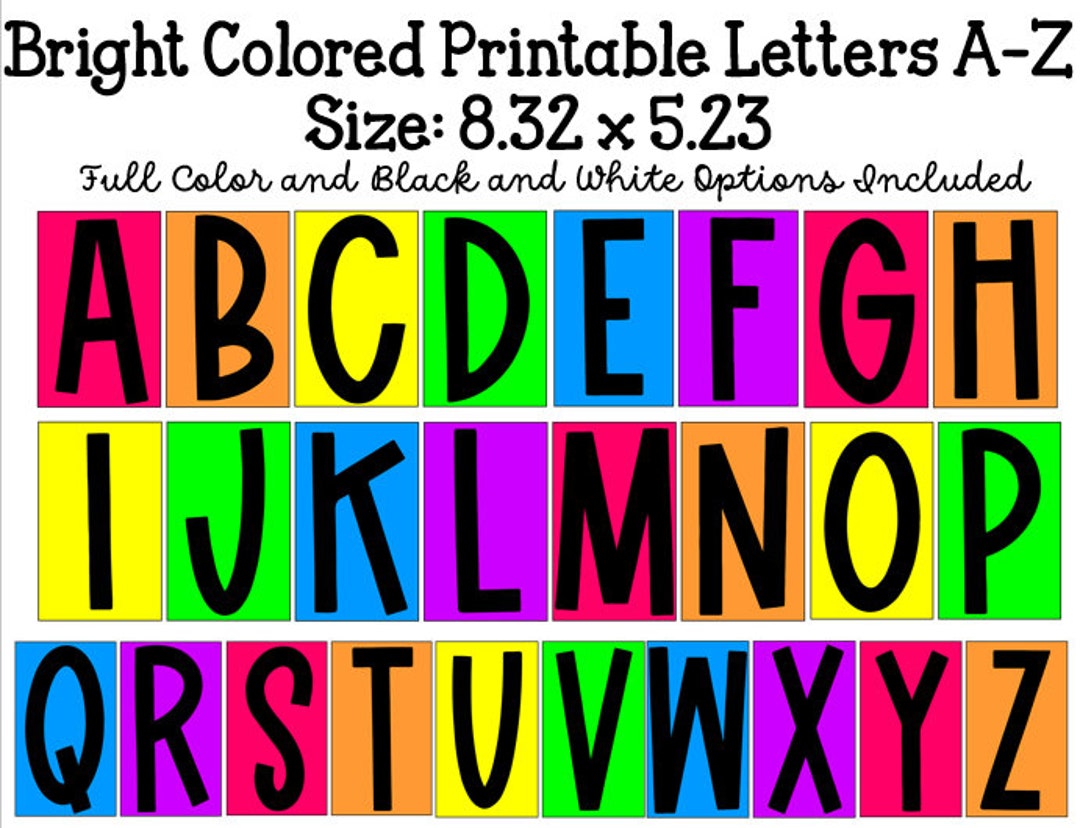
- Letter Sizes: Look for options that include both large and small letters. Large letters can be great for younger children, while smaller letters can be used for more advanced activities.
- Customizable Options: Some resources may allow you to customize colours or fonts, enabling you to tailor materials to your child’s preferences or needs.
Best Practices for Printing
To make the most out of your free coloured letters to print, keep these tips in mind:
- Paper Choice: Use cardstock if you plan to laminate the letters for durability. Regular printer paper is sufficient for one-time use but may not hold up as well.
- Printer Settings: For the best results, use the highest quality print settings available on your printer. This will ensure the colours are vibrant and the letters are clear.
- Lamination: If you want to reuse the letters, consider laminating them. This will protect them from wear and tear and allow for dry-erase markers to be used for interactive activities.
Integrating Letters Into Daily Routine
Incorporating coloured letters into your daily routine can be seamless and beneficial. Here are ways to seamlessly integrate them into everyday learning:
- Morning Routine: Encourage children to spell out their names or simple words using the letters while they wait for breakfast.
- Reading Time: Use the letters during reading sessions, having children point out and identify letters in the books they are reading.
- Homework Help: When assisting with homework, have coloured letters available to help visualize spelling and phonetics.
Max found it much easier to spell his name when he could physically manipulate the letters while his mom guided him. It became a fun game rather than a chore.
Additional Resources and Variations
If you’re looking for more resources, consider exploring:
- Themed Letters: Look for letters that match specific themes, such as holidays or seasons, to keep things fresh and engaging.
- Interactive Worksheets: Pair the coloured letters with worksheets that challenge children to fill in blanks with the correct letters or create their own words.
- Digital Letter Games: There are also digital platforms offering animated letters and games that can complement the physical printed letters.
By using these free coloured letters to print, you not only provide a visual aid for letter recognition but also foster a creative learning environment. Remember, the key is to keep activities light and fun, turning learning into an enjoyable experience for your child.
To get started right away, print a set of coloured letters today and explore the various activities you can create around them. This simple addition to your educational toolkit can make a big difference in how your child interacts with language and literacy.