
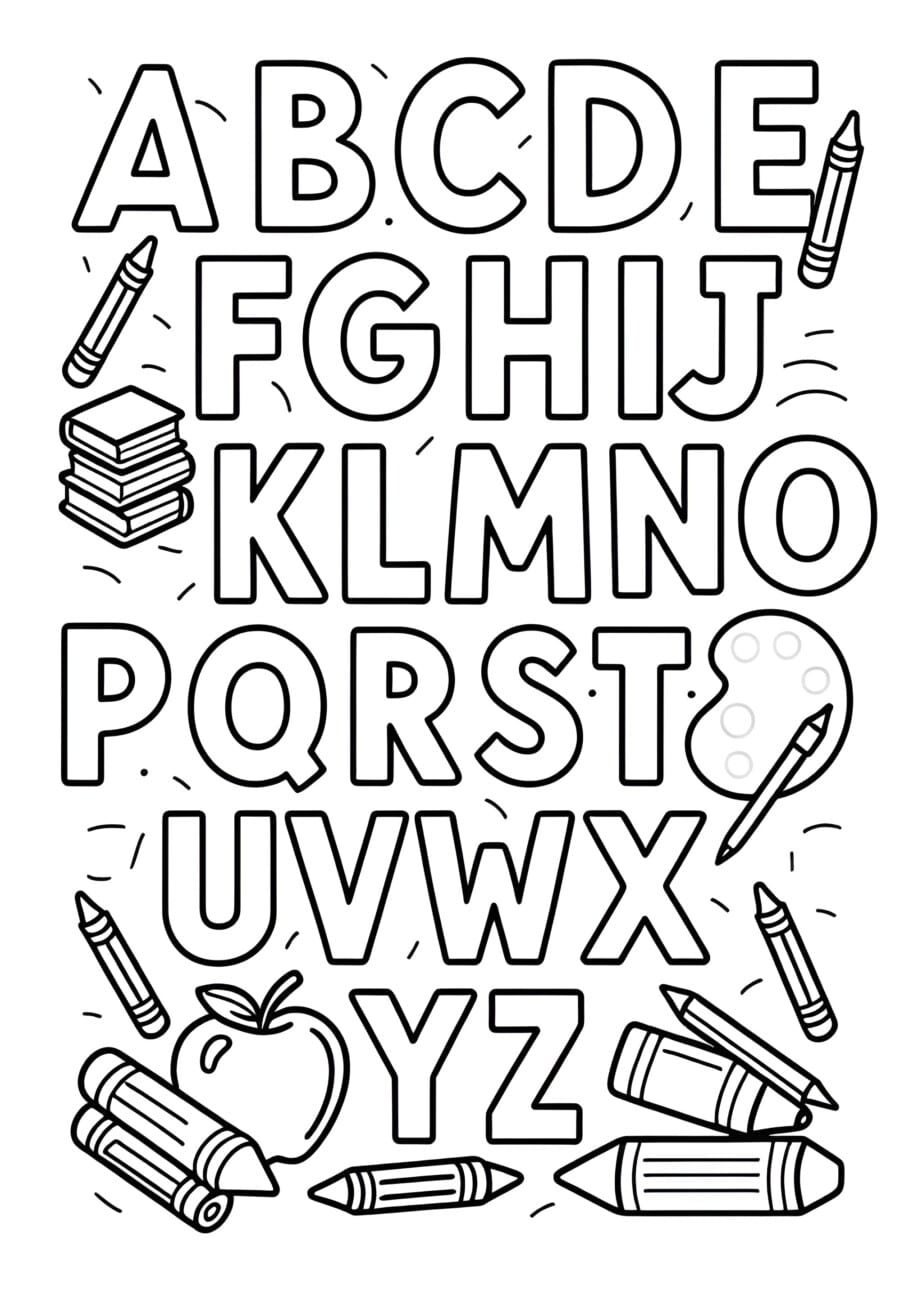
As the afternoon sun streams through the window, Sarah sits at the kitchen table with her five-year-old son, Tommy. He’s excitedly flipping through a stack of colorful printouts, his face lighting up when he discovers the Free Coloring Of The Letters sheets. This resource not only promises a fun activity but also encourages Tommy to practice his letters while expressing his creativity. Let’s explore how you can use these coloring pages effectively in a classroom or home setting.
Understanding the Importance of Letter Recognition
Letter recognition is a vital skill for early learners, paving the way for reading and writing. Engaging children in activities like coloring can help reinforce this skill in a playful manner. The Free Coloring Of The Letters templates are designed to captivate young minds, making the learning process enjoyable.
Using coloring pages allows children to familiarize themselves with the shapes and sounds of letters. As they color, they can also practice saying the letter names aloud, enhancing both their verbal and motor skills. This multi-sensory approach helps solidify their understanding and retention of letter recognition.
How to Use Free Coloring Of The Letters Resources
Integrating the Free Coloring Of The Letters into your routine is straightforward and requires minimal preparation. Here are some practical ways to use these resources effectively:
- Daily Coloring Time: Set aside a specific time each day for coloring activities. This can be a calming routine after lunch or a creative break during study sessions.
- Themed Learning Days: Pair the coloring pages with specific themes. For instance, if you are focusing on animals, have the children color the letters while discussing animal names that start with those letters.
- Group Activities: In a classroom or homeschool setting, gather a small group of children and let them work on different letters. This encourages collaboration and discussion as they share their coloring techniques and ideas.
- Letter of the Week: Choose a letter each week to focus on. Use the coloring sheets as part of the overall lesson plan, incorporating stories, songs, and other activities that relate to that letter.
- Creative Extensions: After coloring, encourage children to create words using the letters they’ve colored. This could be a fun way to transition from coloring to writing.
Tips for Printing and Preparing the Coloring Pages
When preparing the Free Coloring Of The Letters resources, consider the following tips to ensure the best experience for your children:
- Choose the Right Paper: Use standard printer paper for easy printing. If you want the pages to withstand more wear and tear, consider using cardstock, which holds up better to coloring and can be laminated for repeated use.
- Print Settings: Make sure your printer settings are adjusted to print in color for vibrant pages. Check the orientation; portrait layout is often best for these types of resources.
- Coloring Supplies: Stock up on various coloring supplies. Crayons, colored pencils, and markers all provide different effects and can enhance the coloring experience.
- Organized Printouts: Keep the coloring sheets organized in a binder or folder. This makes it easier for children to choose their next coloring project without getting overwhelmed.
Engaging Activities to Pair With Coloring
To make the most of the Free Coloring Of The Letters, you can incorporate several engaging activities that complement the coloring experience:
Letter Sounds and Words
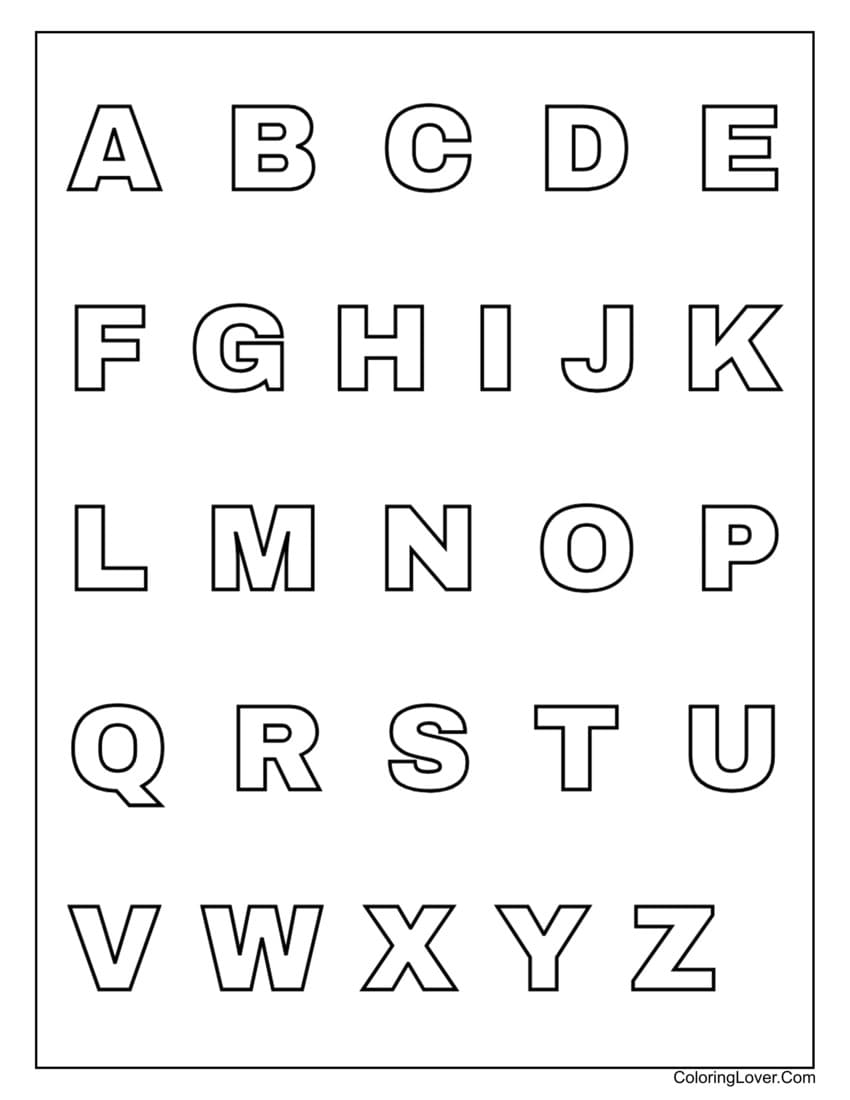
As children color each letter, take the opportunity to discuss its corresponding sounds. For example, when coloring the letter “B,” ask them to name words that start with that letter, such as “ball” or “bird.” This reinforces phonemic awareness, which is crucial for reading development.
Story Time Connections
After coloring, read a story that features words starting with the letter they just colored. This can help create a connection between the visual representation of the letter and its use in language.
Art Display
Create an art wall in your home or classroom where children can display their colored letters. This not only boosts their confidence but also serves as a visual aid for letter recognition as they see their work regularly.
The Benefits of Using Free Coloring Of The Letters in Learning
Using the Free Coloring Of The Letters worksheets provides several benefits beyond just coloring. Here’s what you can expect:
- Fine Motor Skill Development: Coloring helps improve hand-eye coordination and fine motor skills. These skills are essential for writing and other classroom tasks.
- Creativity and Expression: Allowing children to choose colors and designs fosters creativity. Each child will bring their unique style to the letters, making the experience personal and enjoyable.
- Focus and Concentration: Coloring can be a meditative activity, helping children develop focus and concentration. This skill is beneficial not only for learning letters but for all academic endeavors.
- Positive Reinforcement: Completing a coloring page can provide a sense of accomplishment. This positive reinforcement encourages children to tackle more challenging tasks in the future.