
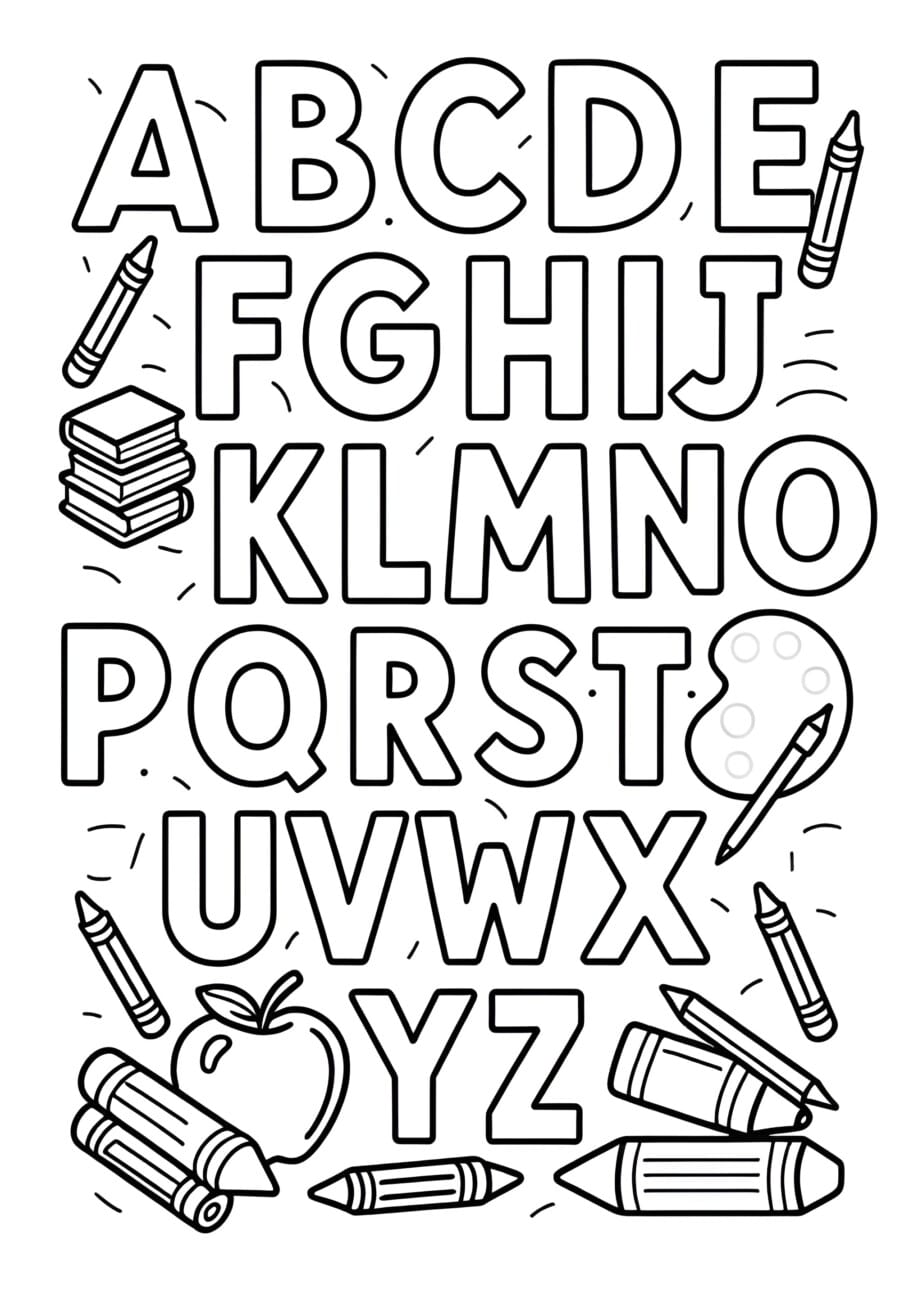
Engaging young learners through interactive activities is crucial in early childhood education. One effective resource that stands out is the Free Coloring Letters Of The Alphabet. This printable resource not only allows children to explore each letter creatively but also reinforces their understanding of letter shapes and sounds in a fun way.
The Importance of Coloring Activities in Learning
Coloring activities are more than just a creative outlet for kids; they play a significant role in their development. For preschool and kindergarten students, coloring letters helps improve fine motor skills, hand-eye coordination, and concentration. As they color in the letters, children practice holding and controlling crayons or markers, which are essential skills for writing later on.
Using coloring pages also enhances cognitive development. While coloring, students learn to recognize letters and their corresponding sounds, which builds the foundation for reading skills. This resource can be seamlessly integrated into your classroom or homeschooling curriculum, making learning enjoyable for children.
Overview of the Free Coloring Letters Resource
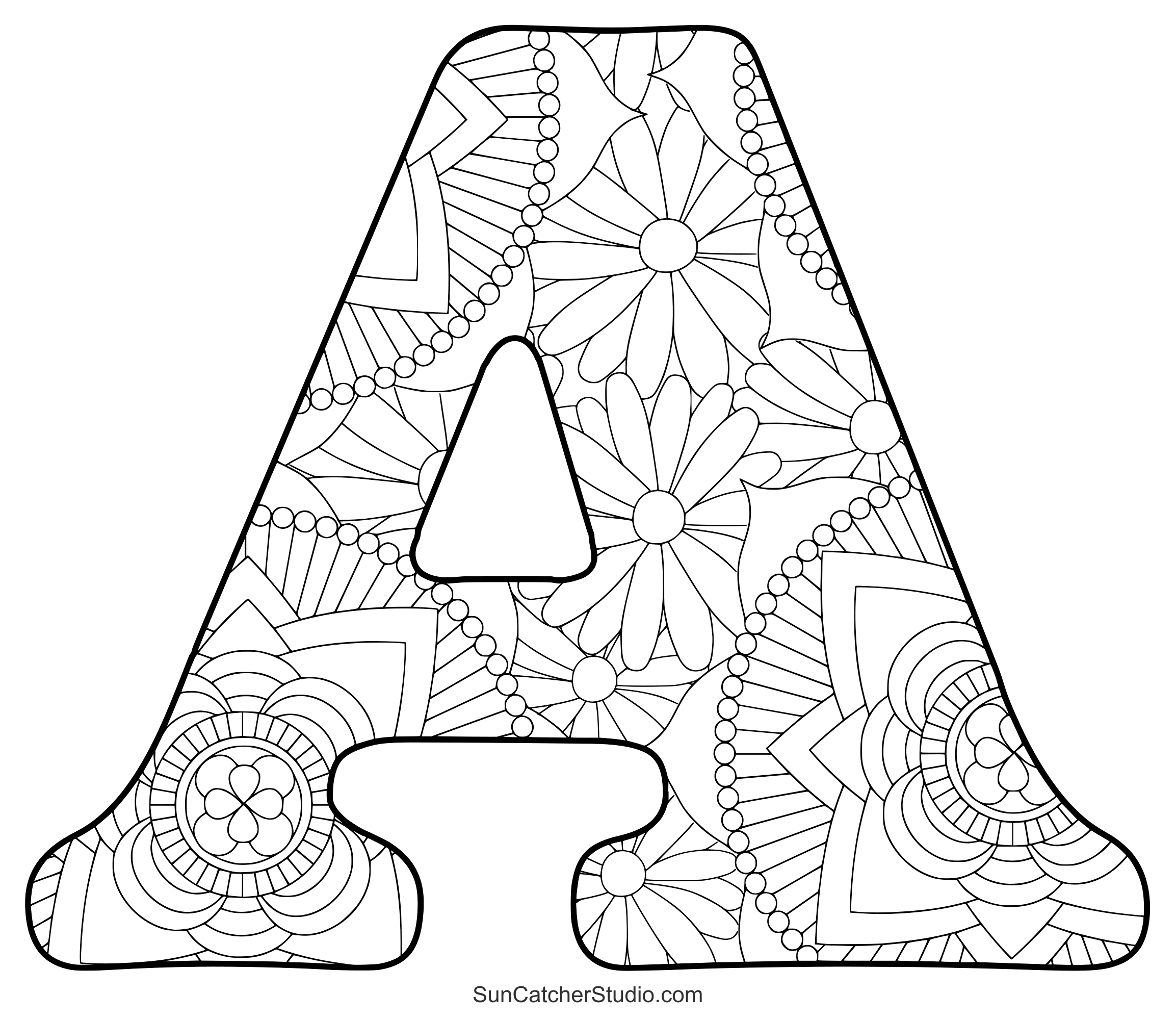
The Free Coloring Letters Of The Alphabet resource typically includes all 26 letters, each presented in a bold, clear font that’s easy for kids to color. The letters are often designed with playful themes that can capture children’s imaginations, making the activity more engaging.
Layout and Design Choices
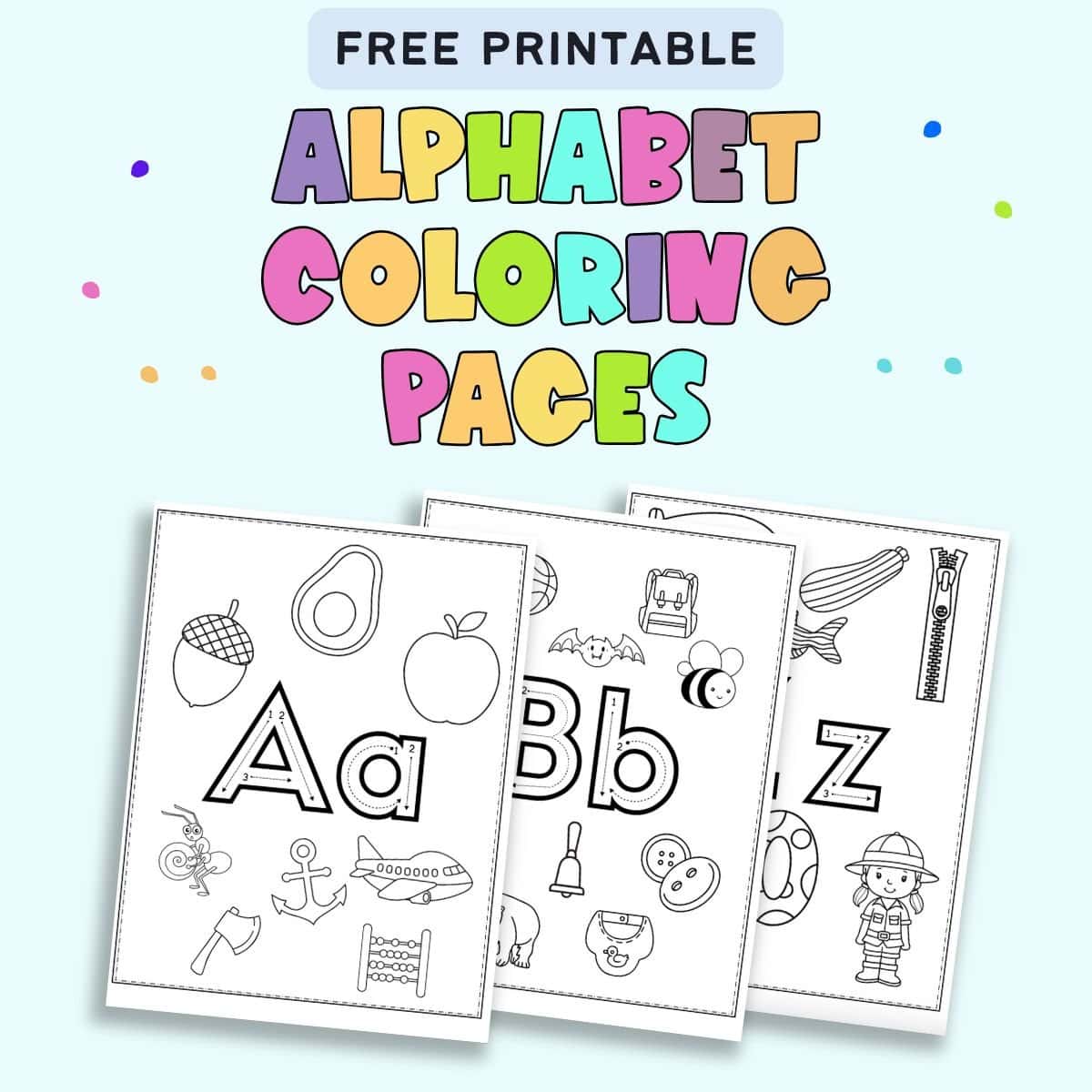
The layout is usually portrait-oriented, which is ideal for most home printers. Each letter occupies a single page, allowing children to focus on one letter at a time. This separation helps prevent overwhelm and encourages them to take their time with each letter.
In addition to the letters themselves, some versions might include additional elements like illustrations of objects that start with the corresponding letter. For example, the letter “A” may have an apple, helping kids make connections between letters and their sounds.
How to Use the Coloring Letters Effectively
There are multiple ways to incorporate these coloring pages into your teaching strategy. Here are some practical suggestions:
- Daily Letter Practice: Introduce one letter each day, allowing students to color it while discussing the letter’s sound and words that start with it. This daily exposure can help reinforce their learning.
- Thematic Units: Integrate the coloring letters into thematic units. For instance, if you’re focusing on animals, the letter “D” could be associated with “Dog,” and students can color in the letter while discussing dog-related vocabulary.
- Group Activities: Use the coloring letters in group settings where students can share their colored letters and talk about what they learned. This discussion fosters communication skills and reinforces their understanding.
- Home Learning: Send these coloring letters home with students for parents to engage with their children. It can be a fun family activity that promotes learning outside the classroom.
Pacing and Grade-Level Suitability
The Free Coloring Letters Of The Alphabet is suitable for preschoolers and kindergarteners, typically around ages 3 to 6. When using these coloring pages, consider pacing the lessons based on the children’s grasp of the material.
- Preschoolers: For younger students, focus on just a few letters each week. Keep the sessions short, around 15-20 minutes, to maintain their attention and enthusiasm.
- Kindergarteners: As children grow, you can increase the pace, introducing more letters each week and encouraging them to write the letters themselves after coloring.
Printing Tips for Best Results
To ensure the best experience with your Free Coloring Letters Of The Alphabet, here are some printing tips:
- Paper Type: Use cardstock for durability, especially if you plan to laminate the pages for repeated use. Regular printer paper can also work but may not hold up as well with coloring supplies.
- Printer Settings: Adjust your printer settings to choose the best quality print. Most home printers handle standard A4 or letter-sized paper without issues, but always check that the scaling is set to 100% to avoid any resizing.
- Coloring Supplies: Encourage students to use a variety of coloring tools, such as crayons, markers, or colored pencils. Each medium provides a different experience and can help develop their artistic skills.