
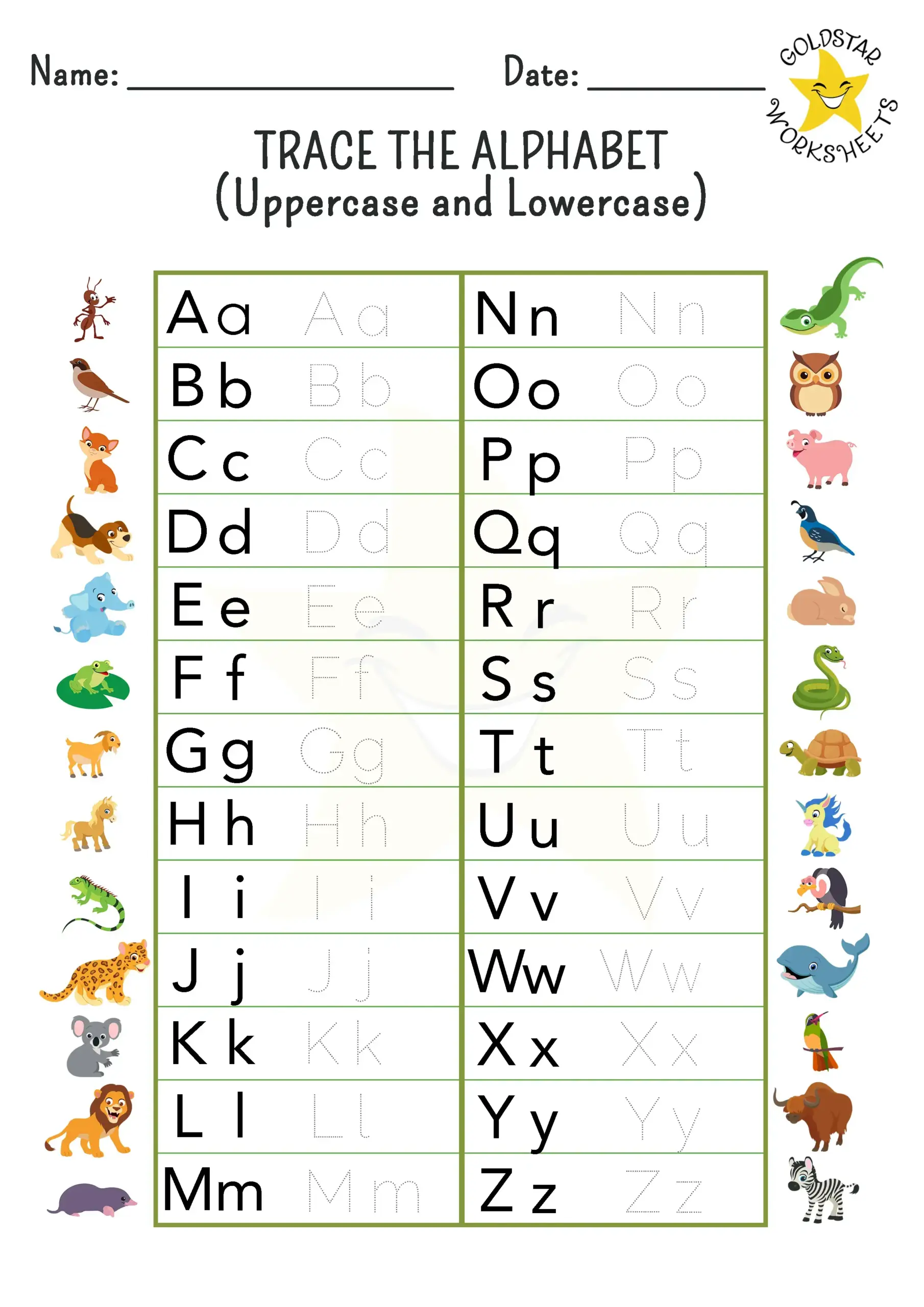
Teaching young children the alphabet is a foundational skill that sets the stage for their reading and writing journey. Free Alphabet Worksheets For Nursery are an excellent resource for educators and parents alike, providing engaging activities that help little ones recognize letters and associate them with sounds. These worksheets can be easily downloaded, printed, and tailored to meet the diverse needs of your students.
Understanding the Importance of Alphabet Recognition
Alphabet recognition is crucial for early literacy development. Children who can identify letters are more likely to develop strong reading skills later on. Worksheets designed for nursery-aged children focus on making this learning process fun and interactive. These resources often include colorful designs, engaging activities, and opportunities for hands-on learning.
In the nursery classroom or at home, you can utilize these worksheets to foster a positive learning environment. Activities may involve tracing letters, matching letters to pictures, or coloring activities that reinforce letter recognition. By using these methods, you can help children develop a solid understanding of the alphabet while keeping them engaged.
Types of Free Alphabet Worksheets Available
When searching for free alphabet worksheets, you’ll find a variety of formats and activities. Understanding the different types can help you select the best resources for your teaching needs.
Tracing Worksheets
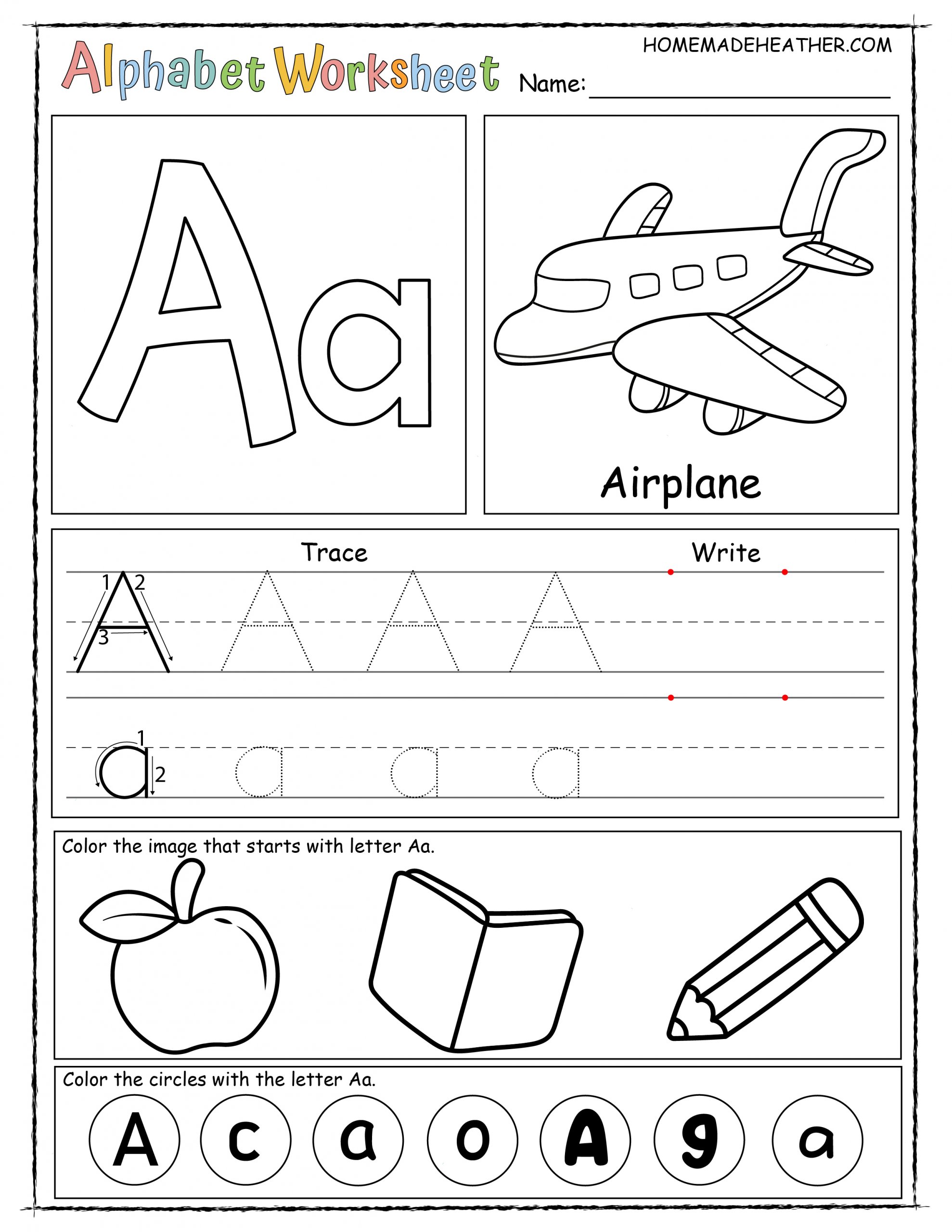
Tracing worksheets allow children to practice writing letters by following dotted lines. These worksheets typically feature both uppercase and lowercase letters, providing a comprehensive approach to letter formation. Tracing helps improve fine motor skills, which are essential for writing.
Coloring Worksheets
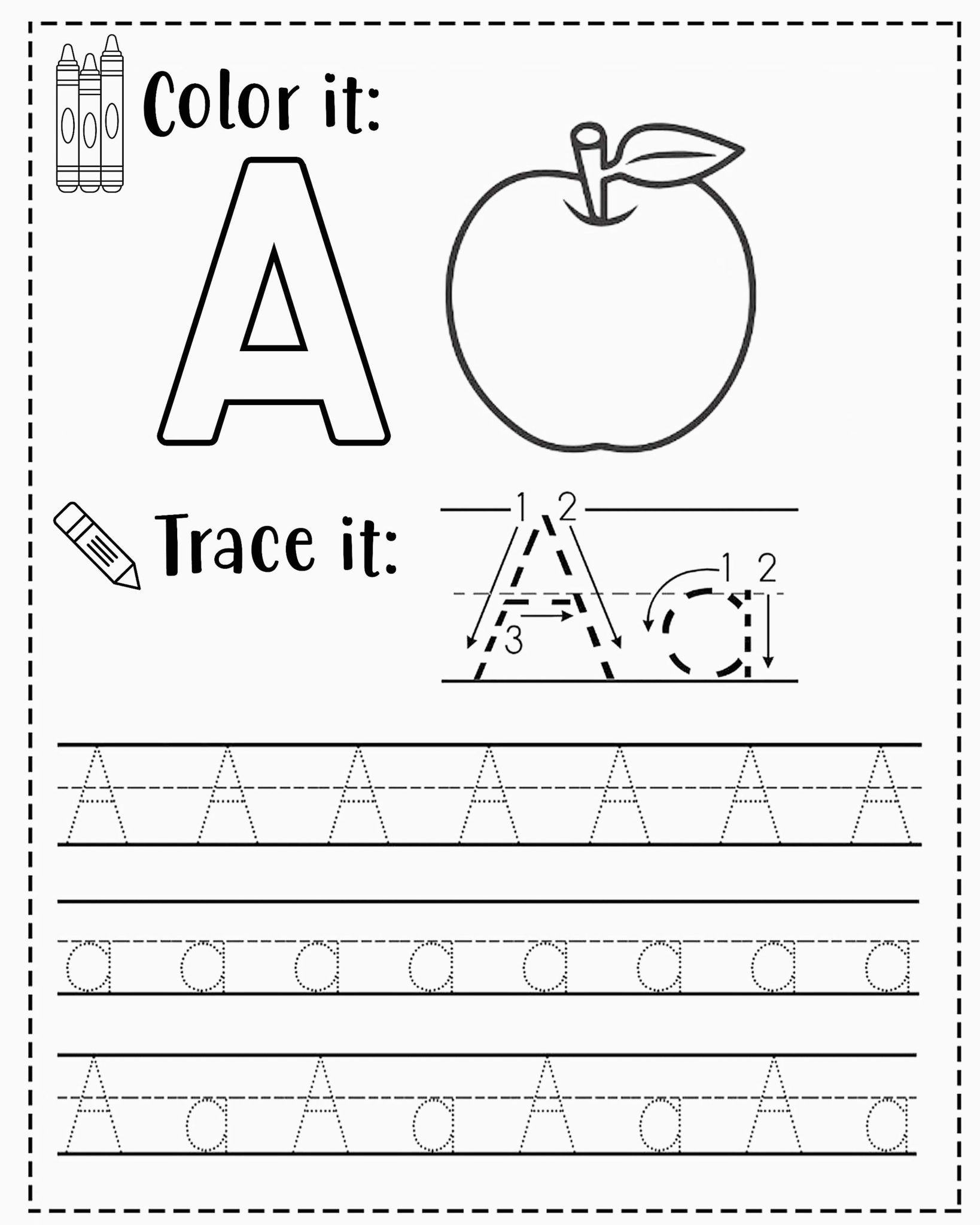
Coloring worksheets combine creativity with learning. These worksheets often feature letters accompanied by images that start with that letter. For example, an “A” worksheet might include an apple to color. This not only reinforces letter recognition but also helps children associate letters with words.
Matching Worksheets
Matching worksheets provide an interactive way for children to connect letters with corresponding images or words. For instance, a worksheet may have a column of letters and a column of pictures, prompting children to draw lines connecting the letter to the correct image. This activity enhances cognitive skills and reinforces learning through play.
Cut-and-Paste Worksheets
Cut-and-paste worksheets engage children in hands-on learning. These worksheets typically involve cutting out letters or images and pasting them in the correct order or location. This activity helps develop fine motor skills and encourages active participation in learning.
How to Use Free Alphabet Worksheets Effectively
To maximize the impact of free alphabet worksheets, consider the following practical tips:
- Choose Age-Appropriate Worksheets: Ensure the worksheets match the developmental level of your students. Nursery-aged children benefit from simple, colorful worksheets that hold their attention.
- Incorporate a Variety of Activities: Use a mix of tracing, coloring, matching, and cut-and-paste worksheets. This variety keeps children engaged and caters to different learning styles.
- Set Clear Learning Objectives: Before starting an activity, explain what the children will learn. For instance, if they are tracing letters, emphasize that they will practice writing and recognizing letters.
- Provide Guidance and Support: While children work on their worksheets, offer assistance when needed. Encourage them to sound out letters or words as they work through the activities.
- Monitor Progress: As children complete their worksheets, take note of their progress. You can assess their understanding of letter recognition and writing skills by observing how they engage with the materials.
Downloading and Printing Tips for Worksheets
Once you’ve chosen the worksheets that best fit your needs, it’s time to download and print them. Here are some practical tips to ensure a smooth process:
- Check File Format: Most worksheets will be available in PDF format. PDFs are ideal for printing as they maintain formatting. Ensure you have a PDF reader installed.
- Select the Right Paper Size: Standard letter size (8.5 x 11 inches) is commonly used, but if you have a different paper size, make sure to adjust the print settings accordingly.
- Use Quality Paper: For durability, especially if the worksheets will be reused, consider printing on cardstock. This thicker paper holds up better to coloring and cutting activities.
- Adjust Printer Settings: Before printing, double-check the printer settings. Ensure it’s set to print in portrait mode for most worksheets, and adjust the quality settings for clearer images.
Assessing Mastery of the Alphabet
As children work through the free alphabet worksheets, it’s essential to assess their understanding of each letter. Mastery can be observed in several ways:
- Letter Recognition: Can the child identify the letters when prompted? This can be assessed informally during activities.
- Letter Formation: Look for proper letter formation in tracing worksheets. Are the letters legible and correctly shaped?
- Sound Association: For worksheets that include pictures, check if the child can associate the letter with the correct sound. For example, when showing the letter “B,” do they recognize it corresponds with a “ball”?
- Engagement Level: Observe how engaged the child is during the activities. Are they excited to participate, or do they seem disinterested? Engagement often indicates a positive learning experience.
Additional Resources for Alphabet Learning
In addition to free alphabet worksheets, consider incorporating other resources to enhance letter learning:
- Alphabet Books: Reading books that focus on the alphabet can reinforce recognition and phonetic sounds. Look for interactive books that invite children to participate.
- Educational Apps: Many apps focus on letter recognition through games and activities. These can be a fun way to reinforce learning at home or in the classroom.
- Alphabet Songs: Singing the alphabet song is a classic way to help children remember the order of letters. Incorporate movement or hand gestures to make it more engaging.
- Flashcards: Using flashcards can help reinforce both letter recognition and phonetic sounds. You can create your own or find printable versions online.
By blending worksheets with these additional resources, you create a rich learning environment that caters to various learning styles and keeps children engaged in their alphabet journey.
To ensure your teaching is effective and your students thrive, consider incorporating a mix of activities and resources. Start by downloading some free alphabet worksheets today, and watch your young learners grow more confident with each letter they master.