
One of the best resources you can provide for young learners is a Free Alphabet To Print Out. This printable resource can serve multiple educational purposes, making it a versatile tool for any classroom or home learning environment. In this article, I will explore the different ways you can use these alphabet printouts, the layout features you should look for, and how to effectively incorporate them into lesson plans for various age groups.
Understanding the Layout and Design
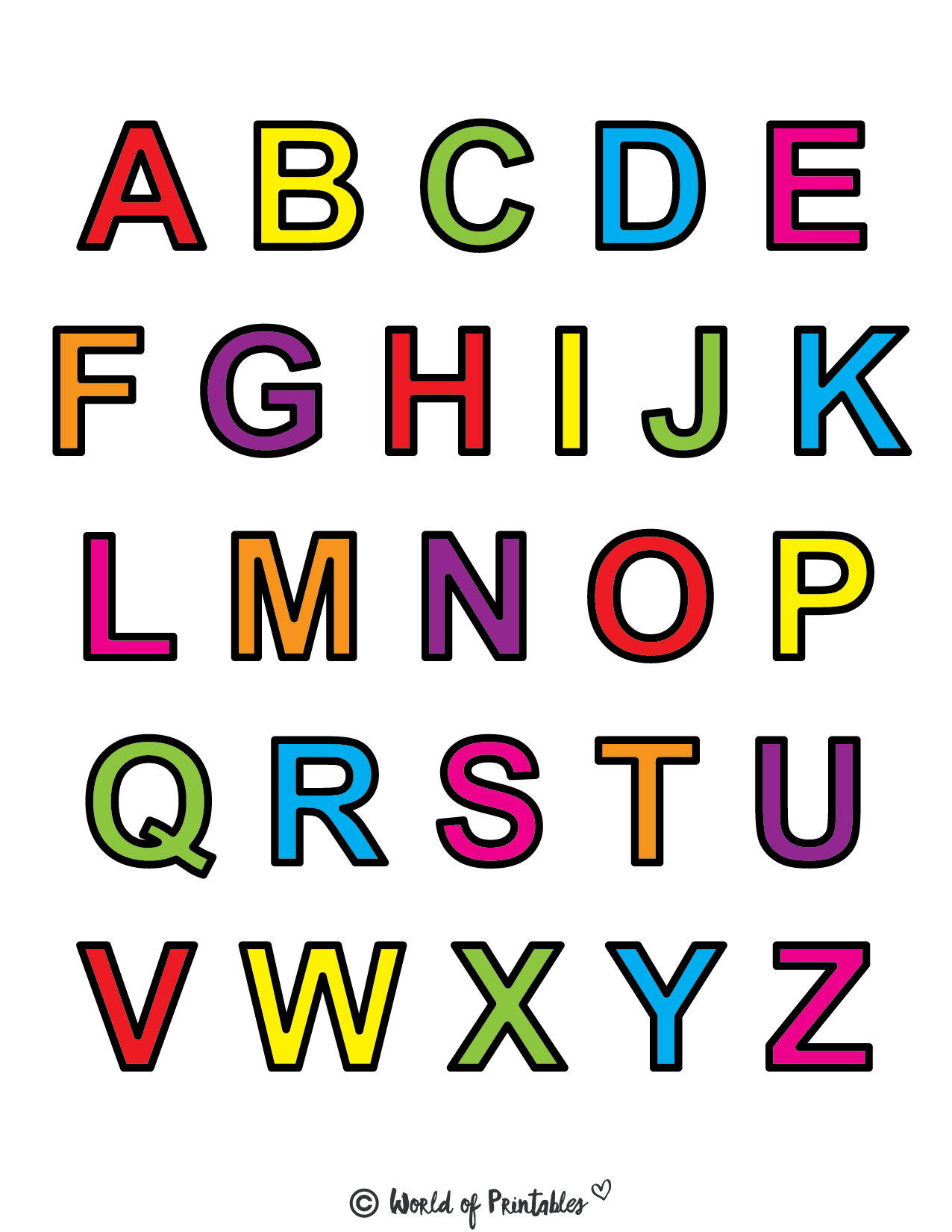
When selecting a printable alphabet resource, pay close attention to the layout and design. A well-structured alphabet printout typically includes clear, large letters that are easy for children to recognize. Here are a few features to consider:
- Font Style: Look for a font that is easy to read, such as sans-serif fonts. Cursive or overly decorative fonts can confuse early learners.
- Letter Size: Ensure that the letters are large enough to be visible from a distance. This is especially important if you plan to display them in a classroom setting.
- Color Coding: Some printouts use different colors for vowels and consonants, which can help children differentiate between the two.
- Illustrations: Including images that correspond to each letter can enhance learning. For instance, an apple for “A” or a cat for “C” can create a visual association that aids memory retention.
Choosing a printout with these features can significantly enhance the learning experience, making the alphabet more engaging for students.
Practical Uses in the Classroom
Incorporating the Free Alphabet To Print Out into your teaching can take many forms. Here are some practical ways to use them:
Alphabet Wall Displays
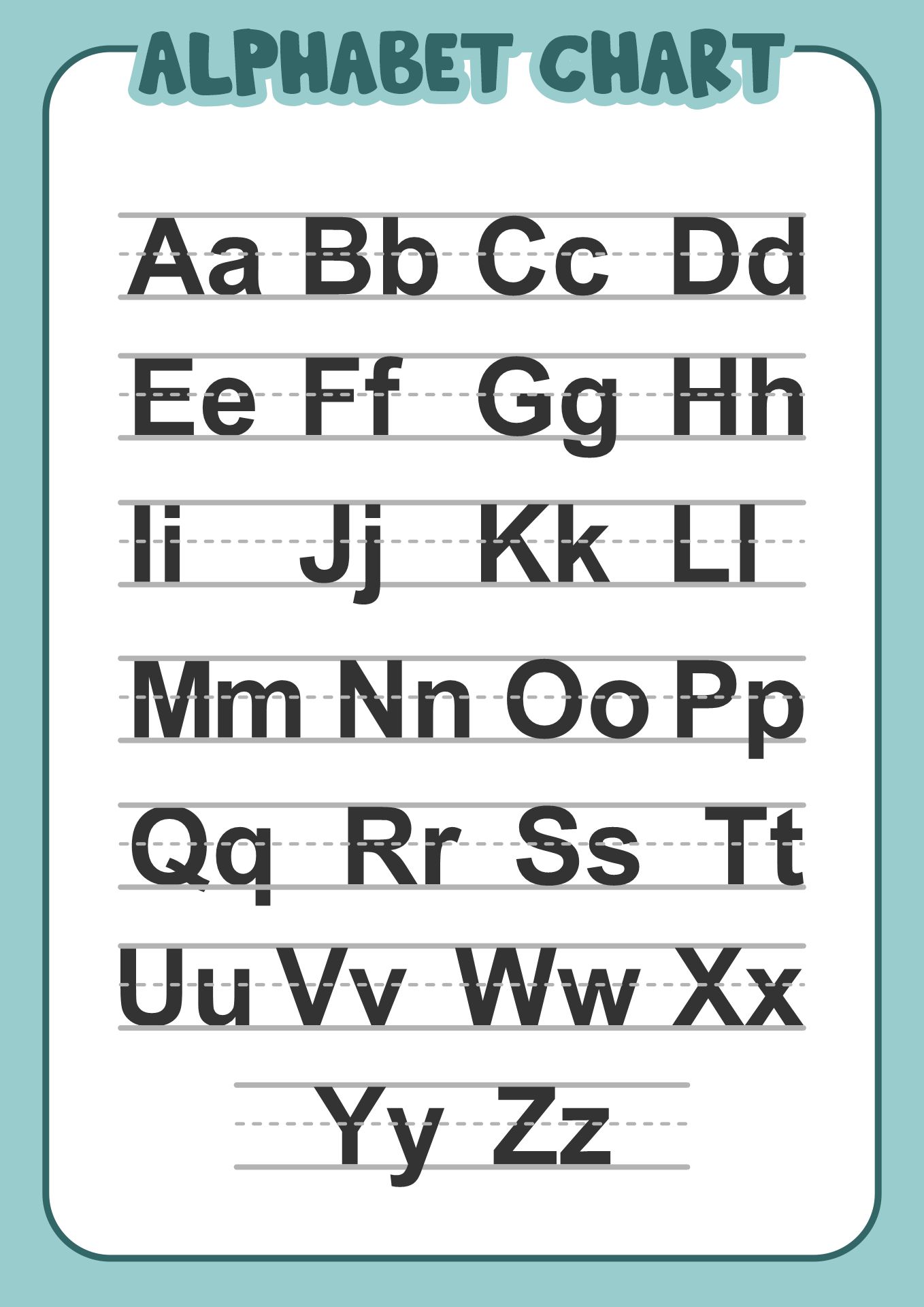
Create an alphabet wall in your classroom using these printouts. This visual aid is perfect for young learners who are just beginning to recognize letters. You can laminate the sheets for durability, allowing them to be reused year after year. Encourage students to point to letters as you go through the alphabet, reinforcing their learning visually and audibly.
Interactive Learning Activities
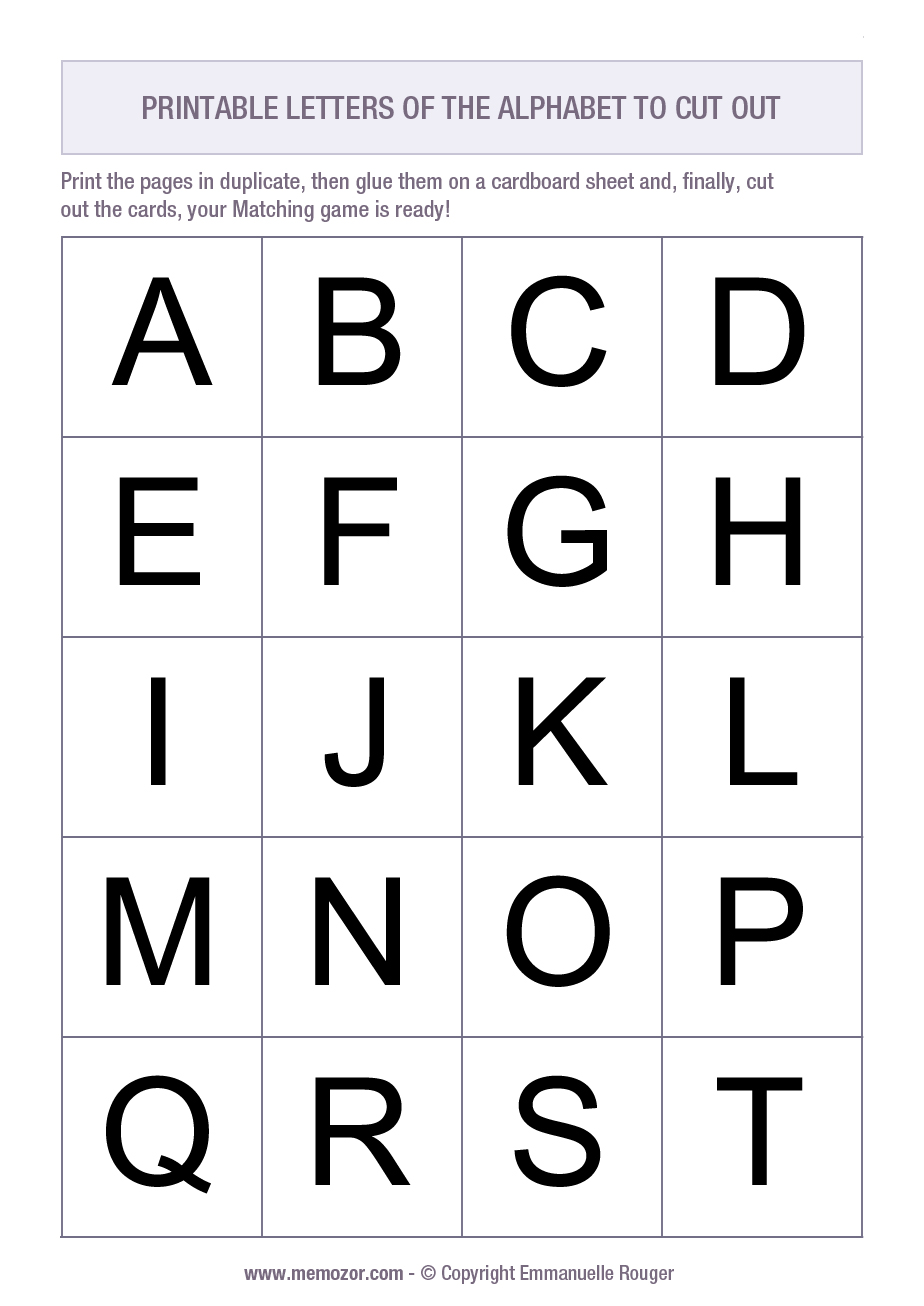
Transform the printouts into interactive activities. For example, you can cut out each letter and have students match them with corresponding objects or pictures around the classroom. This hands-on approach can help solidify their understanding of each letter’s sound and shape.
Letter Tracing Worksheets
Another effective way to use the alphabet printouts is to create tracing worksheets. Print the letters in a light grey or dotted format, allowing children to trace over them. This not only helps with letter recognition but also improves fine motor skills. You can incorporate this activity into your lesson plans for preschool and kindergarten students, ensuring they develop essential writing skills early on.
Home Learning Ideas
For parents looking to support their child’s learning at home, the Free Alphabet To Print Out can be an invaluable resource. Here are some ways to use them effectively:
Daily Alphabet Practice
Encourage your child to practice writing the letters every day. You can set aside a specific time for this activity, making it a part of their daily routine. Use a clipboard and some blank paper, placing the printout next to it as a reference. This consistent practice will help reinforce their learning.
Alphabet Games
Turn learning into play by creating alphabet games. You can use the printouts to play “Alphabet Bingo” or “Letter Scavenger Hunt.” For Bingo, create cards with different letters and call out letters for your child to mark. In a scavenger hunt, ask your child to find items around the house that begin with each letter.
Storytime Connections
Incorporate the alphabet printouts into your storytime routine. As you read books to your child, pause to point out letters that appear in the text. This connection between print and spoken language is crucial for literacy development.
Adjusting for Different Age Groups
While the Free Alphabet To Print Out is primarily aimed at early learners, its applications can extend to older children as well. Here’s how to adjust the resource for different age groups:
Preschool and Kindergarten
For the youngest learners, focus on basic letter recognition and sounds. Use colorful printouts with illustrations, as mentioned earlier. Activities should be hands-on and engaging, like crafts involving letters or simple matching games.
First and Second Grade
As students progress, you can introduce more complex activities. Encourage them to write words using the letters. You could also have them create sentences or short stories that incorporate their newly learned vocabulary. This bridges the gap between letter recognition and actual reading and writing skills.
Special Education Considerations
For students with special needs, adapt the printouts to suit individual learning styles. Use larger fonts or tactile materials for students who benefit from sensory experiences. Simplifying activities to focus on one letter at a time can also help maintain attention and interest.
Printing and Paper Options
When it comes to printing your alphabet resources, consider the following options for the best results:
- Paper Type: Using cardstock can provide durability, especially if you plan to laminate the printouts. Regular printer paper is fine for short-term use, but cardstock holds up better.
- Size Options: Standard letter size (8.5 x 11 inches) works well for most printing needs. If you want larger displays, consider printing on tabloid size (11 x 17 inches) for visibility in a classroom setting.
- Color vs. Black and White: While color printouts are visually appealing, black and white can be sufficient for tracing activities. You may also encourage kids to color in the letters themselves for an added creative touch.
By taking these factors into account, you’ll ensure that your alphabet printouts are not only functional but also visually appealing and engaging for students.