
As the sun streams through the classroom window, Ms. Johnson sets up an activity that excites her kindergarten students. Today, they’ll be using free alphabet stencils to print and color. This engaging exercise not only helps reinforce letter recognition but also sparks creativity as the children personalize each letter with their own designs. If you’re a teacher or a parent looking for a fun and educational resource, you’re in the right place.
What Are Alphabet Stencils?
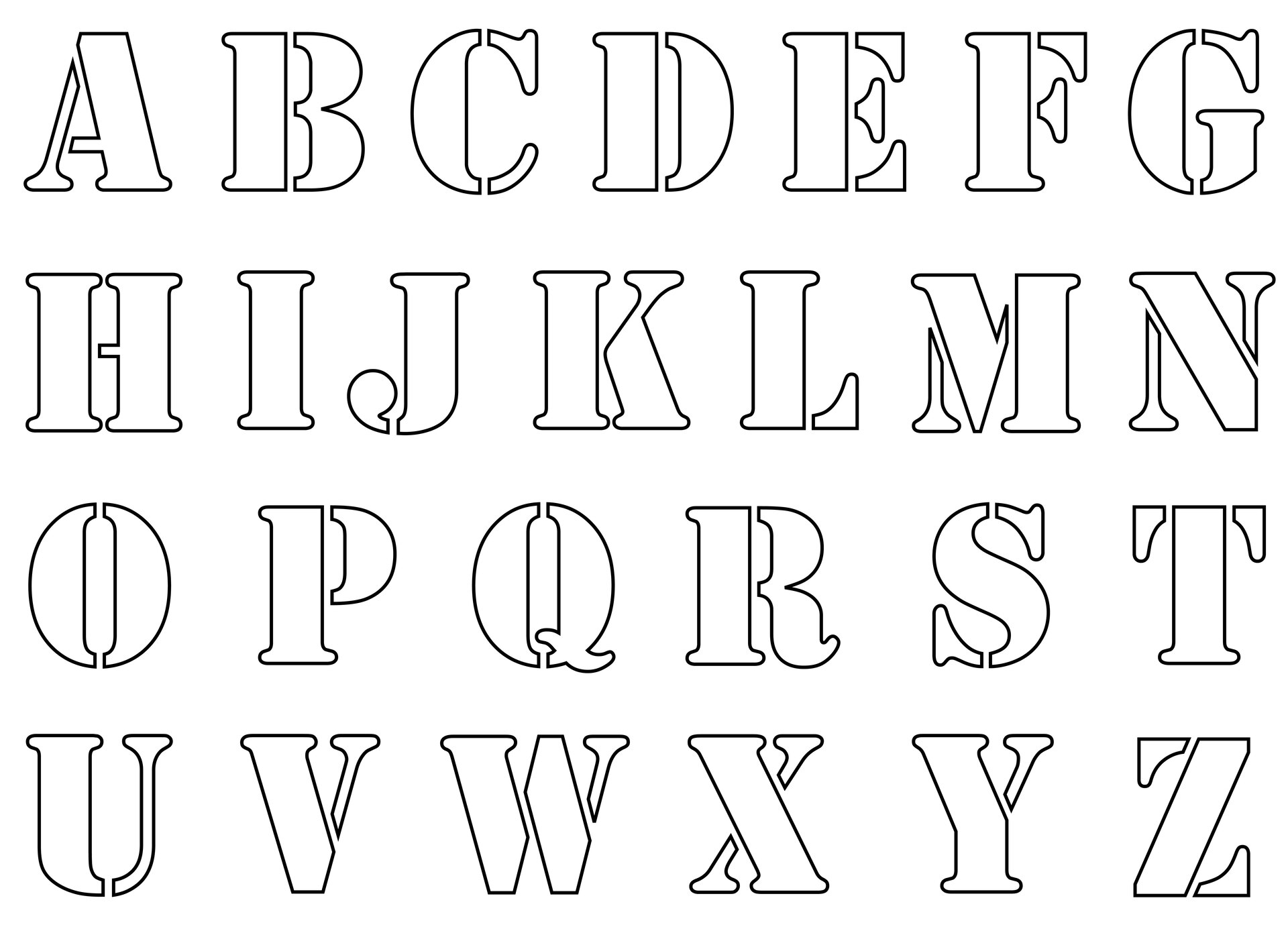
Alphabet stencils are templates that outline each letter of the alphabet, allowing kids to trace and color them. These stencils provide a fun way for children to practice writing letters while also enhancing their fine motor skills. They are especially beneficial in early childhood education, where letter recognition is vital for literacy development.
When using free alphabet stencils to print and color, children can engage in activities that blend learning and creativity. The tactile experience of coloring and tracing helps reinforce letter shapes and sounds, making it easier for kids to remember them.
Benefits of Using Free Alphabet Stencils
Incorporating alphabet stencils into your teaching or home activities has numerous benefits:
- Enhances Fine Motor Skills: Tracing and coloring within the lines helps develop hand-eye coordination and dexterity.
- Supports Letter Recognition: Children become familiar with both uppercase and lowercase letters, which is crucial for reading and writing.
- Encourages Creativity: Kids can personalize their letters with colors and designs, fostering a sense of ownership and creativity.
- Provides Independent Practice: Once the stencils are printed, children can work on them independently, allowing for self-paced learning.
These benefits make free alphabet stencils an excellent resource for teachers and parents alike.
How to Use Alphabet Stencils in the Classroom
Integrating alphabet stencils into your classroom activities can be straightforward and effective. Here are some practical ways to utilize them:
1. Letter Tracing
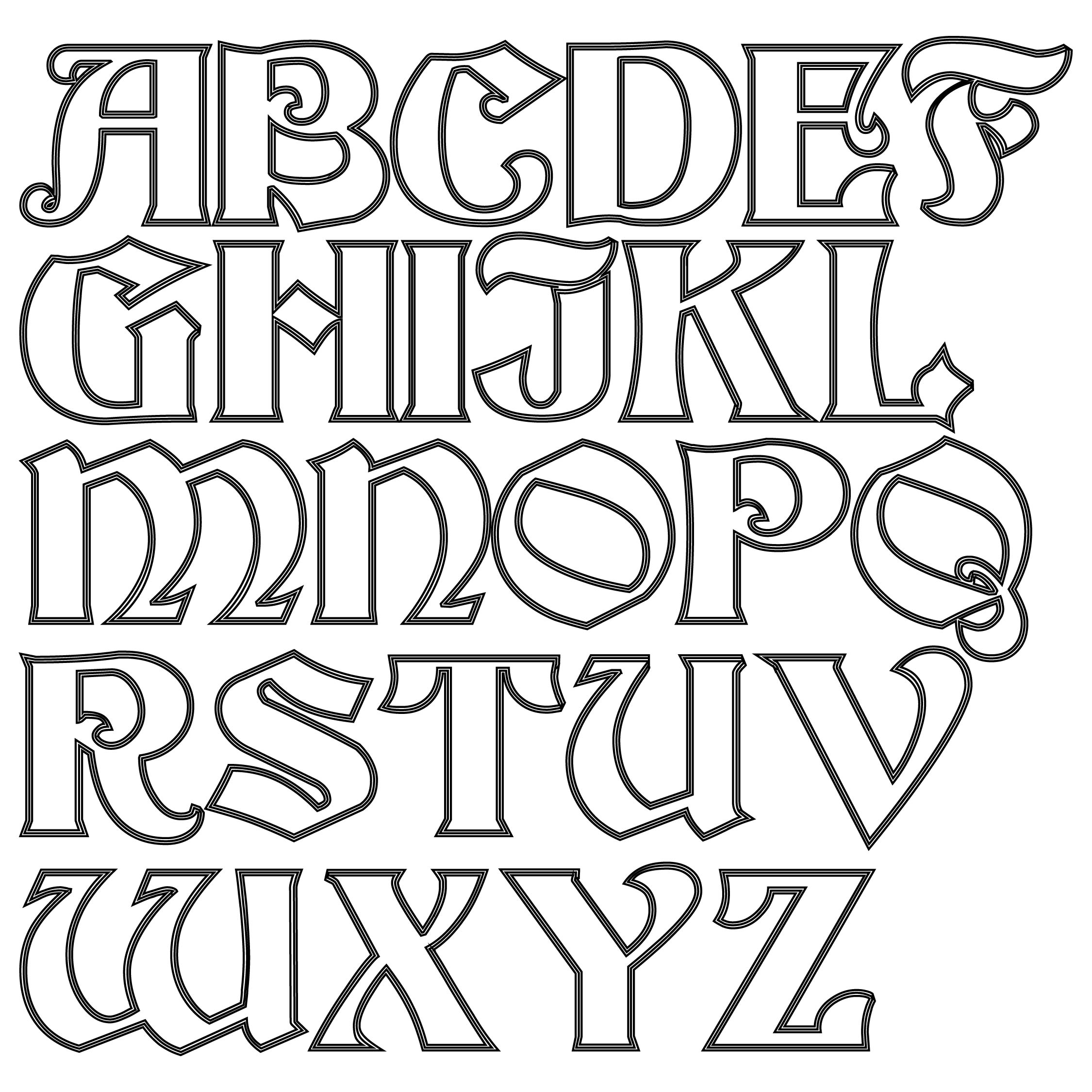
Print out the stencils and have students trace each letter with a pencil or crayon. This activity reinforces letter shapes and allows children to practice their writing skills. You can also encourage them to say the letter sound as they trace to build phonemic awareness.
2. Coloring Activities
After tracing, let the students color in the letters. Use various coloring materials, such as crayons, markers, or colored pencils. Consider providing themed coloring supplies (like holiday colors or seasonal hues) to make the activity more exciting.
3. Create a Letter Book
Compile the colored letters into a personalized alphabet book. Students can decorate each page with their designs or images that represent words starting with that letter. This project can serve as a great keepsake and a useful tool for reinforcing letter recognition at home.
4. Incorporate Into Themed Units
If you’re focusing on a specific theme (like animals or food), pair the stencils with vocabulary words related to that theme. For example, using the letter “A” stencil, students can draw an apple or an alligator, linking letters with sounds and concepts.
Tips for Effective Use of Stencils
To ensure that your experience with free alphabet stencils is successful and enjoyable, consider these tips:
- Choose the Right Paper: Using heavier paper or cardstock can be beneficial, especially if you plan to laminate the stencils for durability. Standard printer paper can work, but it may tear more easily with repeated use.
- Adjust Print Settings: Ensure your printer settings are adjusted to print in portrait mode, which often gives the best results for letter stencils. Check the scale settings to ensure the letters are large enough for tracing.
- Provide Clear Instructions: If you’re facilitating this in a classroom, give clear instructions on how to use the stencils. Demonstrate how to hold the pencil and trace the letters properly.
Where to Find Free Alphabet Stencils
There are many places online where you can find free alphabet stencils to print and color. Websites that focus on educational resources often have a variety of templates available:
- Printable Resource Websites: Many sites offer a range of free printable stencils in various styles, from block letters to cursive.
- Educational Blogs: Some teachers share their templates online, providing unique designs and ideas for using stencils in the classroom.
- Crafting Sites: Websites dedicated to crafting often have letters available for download, which can be great for more artistic projects.
When searching for these resources, ensure that they are free to use and appropriate for your students’ age group.
Creative Extensions for Alphabet Stencil Activities
Once your students have grasped the basics of using alphabet stencils, consider these creative extensions to deepen their learning:
1. Word Building
After children have colored their letters, challenge them to spell simple words using the stencils. For example, you can provide them with the letters to spell “cat” and encourage them to color and decorate those letters.
2. Sensory Play
Incorporate sensory materials like sand or rice to create a tactile experience. Kids can trace over stencils with their fingers in these materials, reinforcing letter shapes in a fun and engaging way.
3. Alphabet Games
Turn the activity into a game. Have students race to see who can color a letter the fastest or make it a group activity where they pass a letter around and each child colors a part of it before moving on to the next letter.
Final Tips for Using Alphabet Stencils
To maximize the effectiveness of your alphabet stencil activities, remember to keep the environment fun and encouraging. Here’s a tip to consider:
- Make It Interactive: Pair the stencil activities with songs or rhymes that correspond to each letter. This adds an auditory element to the visual and tactile experiences, helping children retain information better.
By introducing free alphabet stencils to print and color into your curriculum or home activities, you can create a dynamic and enjoyable learning environment that nurtures early literacy skills while allowing children to express their creativity.