
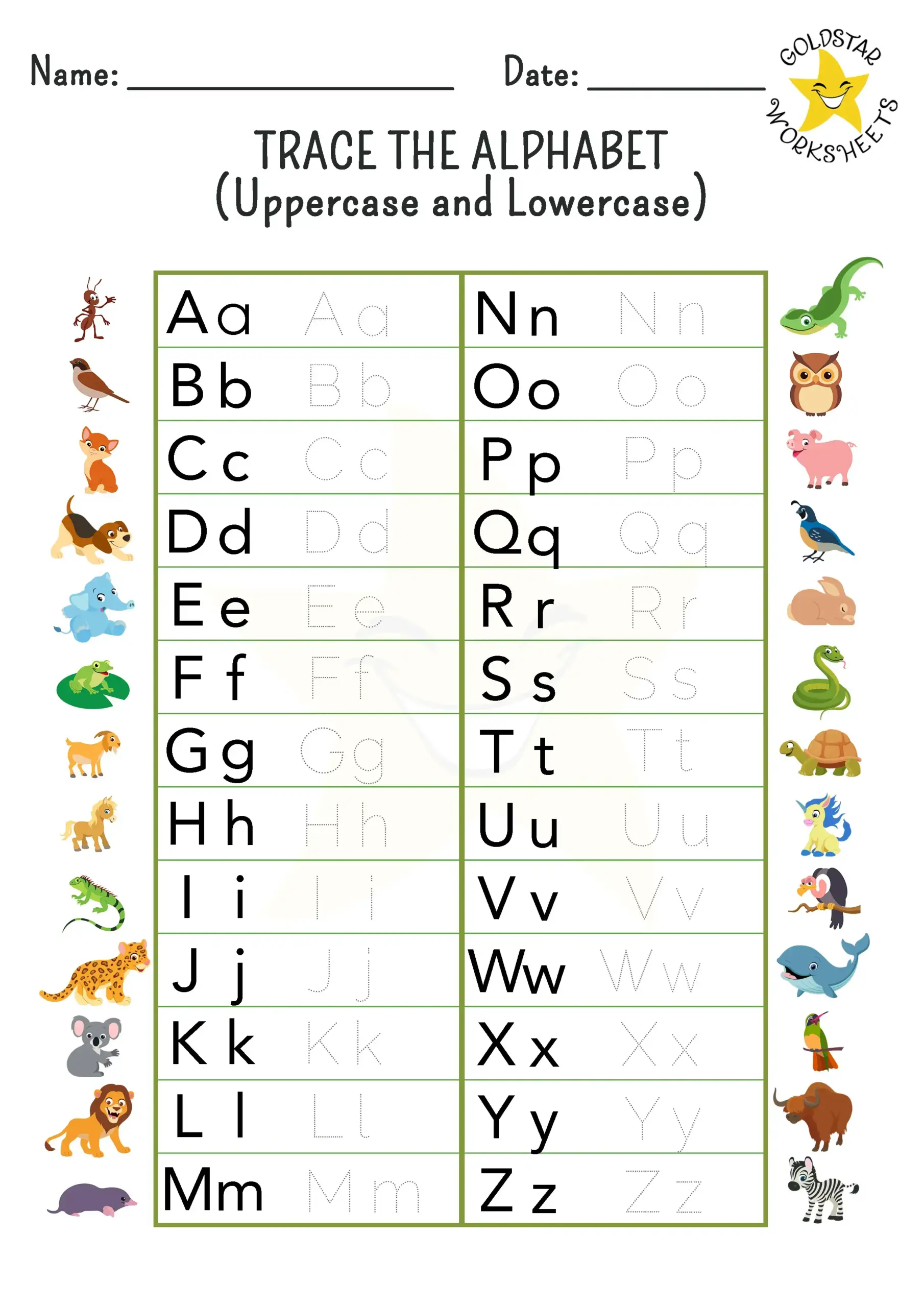
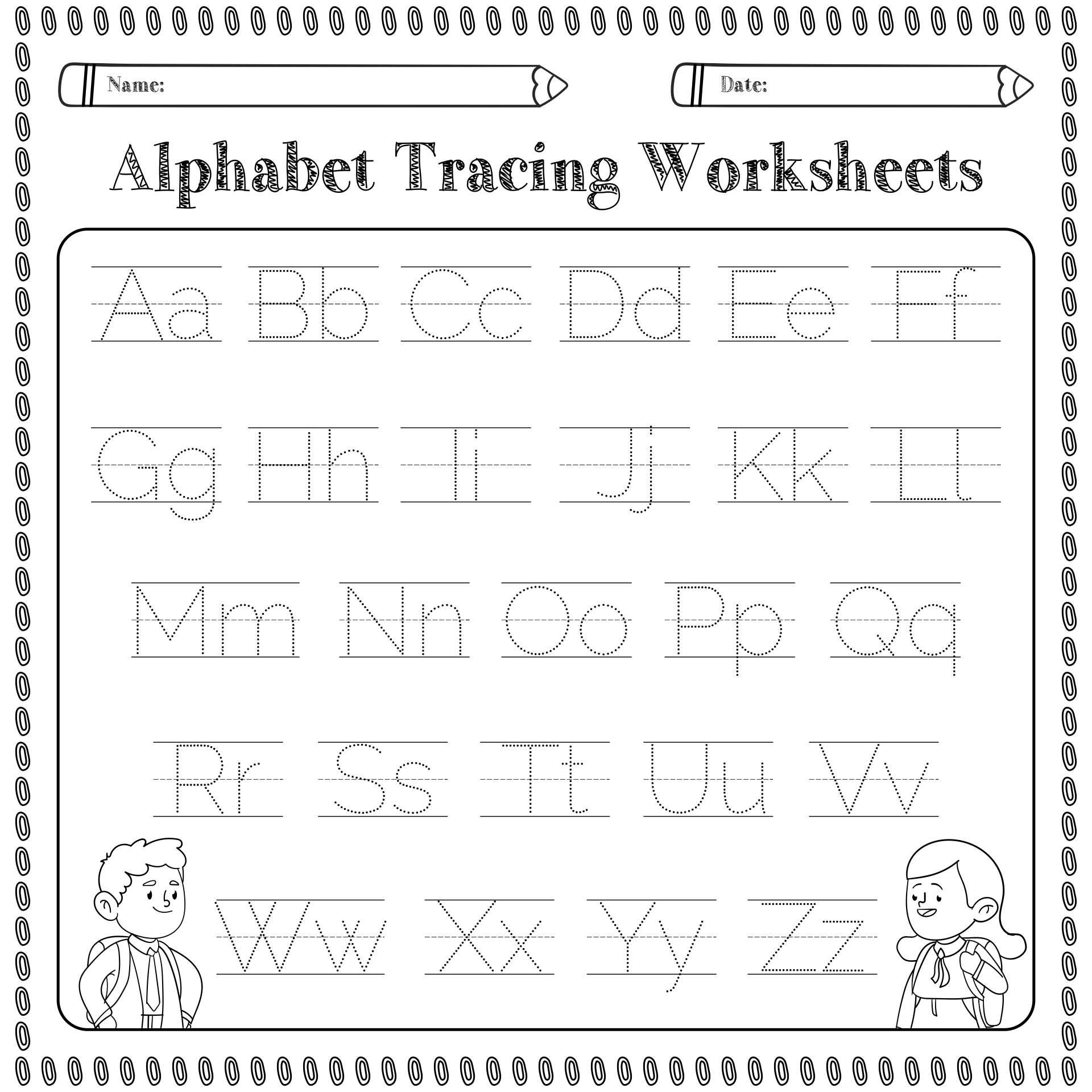
The best way to introduce young children to the alphabet is through engaging and varied activities. Free Alphabet Sheets For Kindergarten provide an excellent resource for teachers and parents looking to support early literacy skills. These printable sheets typically include activities that focus on letter recognition, phonemic awareness, and writing practice, making them a versatile tool for any classroom or home learning environment.
Understanding the Importance of Alphabet Learning
Before diving into how to effectively use these sheets, let’s discuss why learning the alphabet is foundational for young children. Mastery of the alphabet is crucial for developing reading and writing skills. Recognizing letters and their sounds helps children decode words, which is essential for literacy. By using alphabet sheets, you can create a structured approach that helps children practice these skills consistently.
Selecting the Right Alphabet Sheets
When it comes to free alphabet sheets, you’ll find a variety of options available. Here are some key features to look for:
- Variety of Activities: Choose sheets that offer a mix of tracing, coloring, and identifying letters. This variety keeps children engaged and caters to different learning styles.
- Age Appropriateness: Ensure the sheets are designed for kindergarten-level learners. They should be colorful and visually appealing to capture young learners’ attention.
- Printable Format: Look for sheets available in PDF format for easy printing, ensuring they maintain quality and layout when printed.
Downloading and Printing Your Alphabet Sheets
Once you’ve selected the right alphabet sheets, the next step is to download and print them. Here’s how to do it effectively:
- Choose Your Sheets: Select the alphabet sheets that best fit your teaching goals.
- Download the Files: Click the download link to save the PDF files to your computer. Make sure to check for any specific instructions provided.
- Print Settings:
- Use a standard letter-sized paper (8.5 x 11 inches) for most sheets.
- Adjust your printer settings to print in portrait orientation, which is usually the best layout for worksheets.
- If possible, use cardstock for durability, especially if you plan to laminate the sheets for repeated use.
Setting Up a Learning Schedule
To maximize the effectiveness of the alphabet sheets, consider spacing out the learning activities over the week. This repetition is essential for retention. Here’s a simple schedule you might follow:
- Day 1: Introduce letters A through D. Use tracing sheets for letter formation.
- Day 2: Focus on letters E through H. Incorporate coloring activities.
- Day 3: Review letters A through H with a fun matching game.
- Day 4: Introduce letters I through L with tracing and identifying activities.
- Day 5: Review letters A through L using a fun alphabet song or video.
This approach allows children to absorb the material without feeling overwhelmed. Repetition is key; practicing the same letters multiple times will help reinforce their learning.
Engaging Activities to Complement the Sheets
To further enhance the learning experience, consider incorporating additional activities alongside the alphabet sheets. Here are a few ideas:
- Letter Scavenger Hunt: Ask children to find objects around the house or classroom that start with each letter they are learning.
- Flashcards: Create flashcards using the letters from the alphabet sheets. This can be a fun way to practice letter sounds and recognition.
- Storytime: Read books that emphasize the letters of the week. This reinforces letter sounds in a context that children understand.
Monitoring Progress
As children work through the alphabet sheets, it’s essential to monitor their progress. Here are some tips for assessing their understanding:
- Observe Letter Recognition: Regularly quiz them on letter names and sounds.
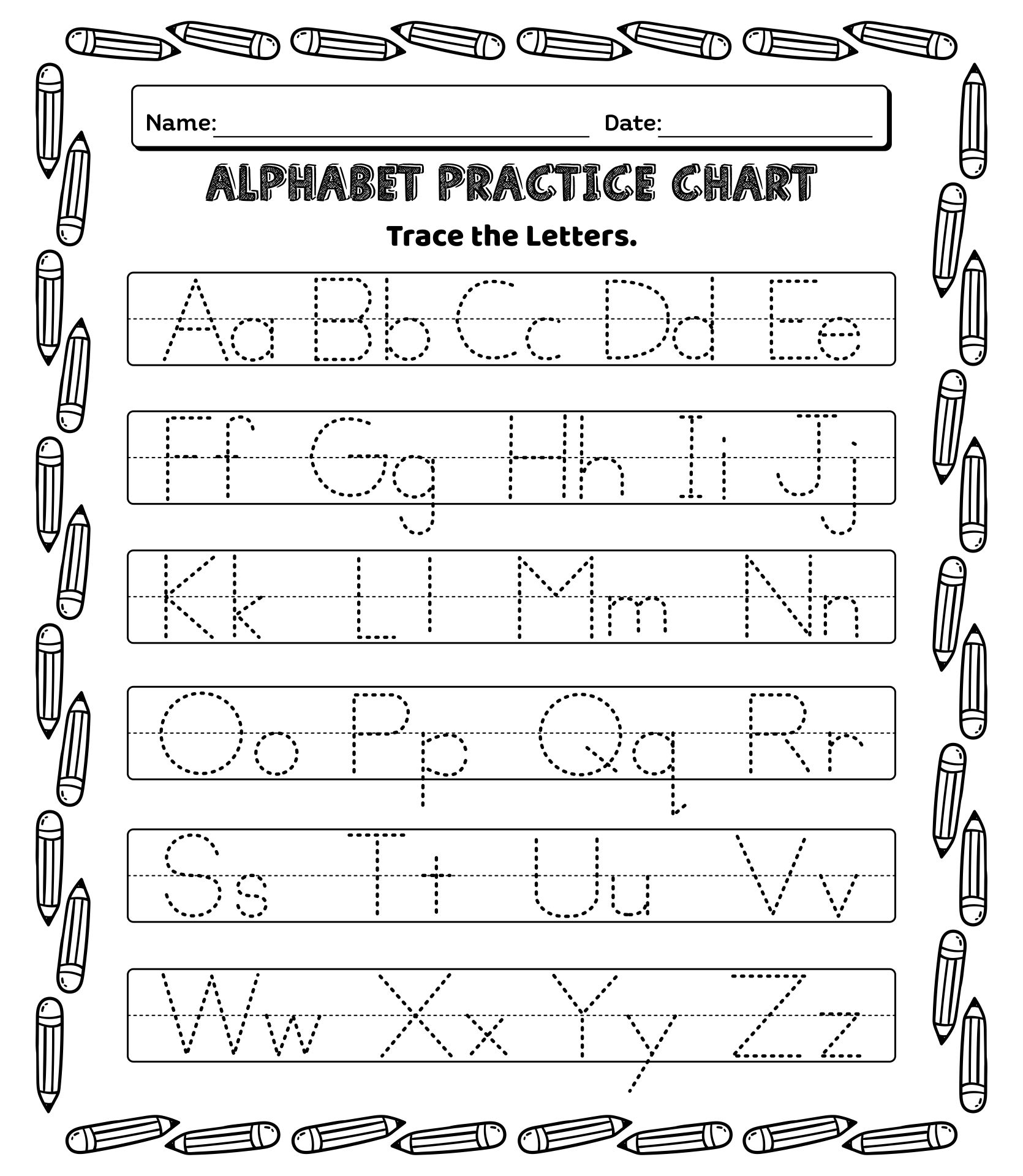
- Check Tracing Work: Review their tracing sheets for proper letter formation.
- Celebrate Milestones: Acknowledge their achievements, whether it’s completing a sheet or mastering a set of letters. Positive reinforcement encourages continued learning.