
Children often struggle with letter recognition and fine motor skills. A fun and effective way to support this learning is through coloring activities that engage young learners. Free Alphabet Letters To Colour In provide an exciting opportunity for children to familiarize themselves with the alphabet while developing their creativity and motor skills. These printable resources are not only enjoyable but also educational, making them ideal for classrooms and home-schooling environments.
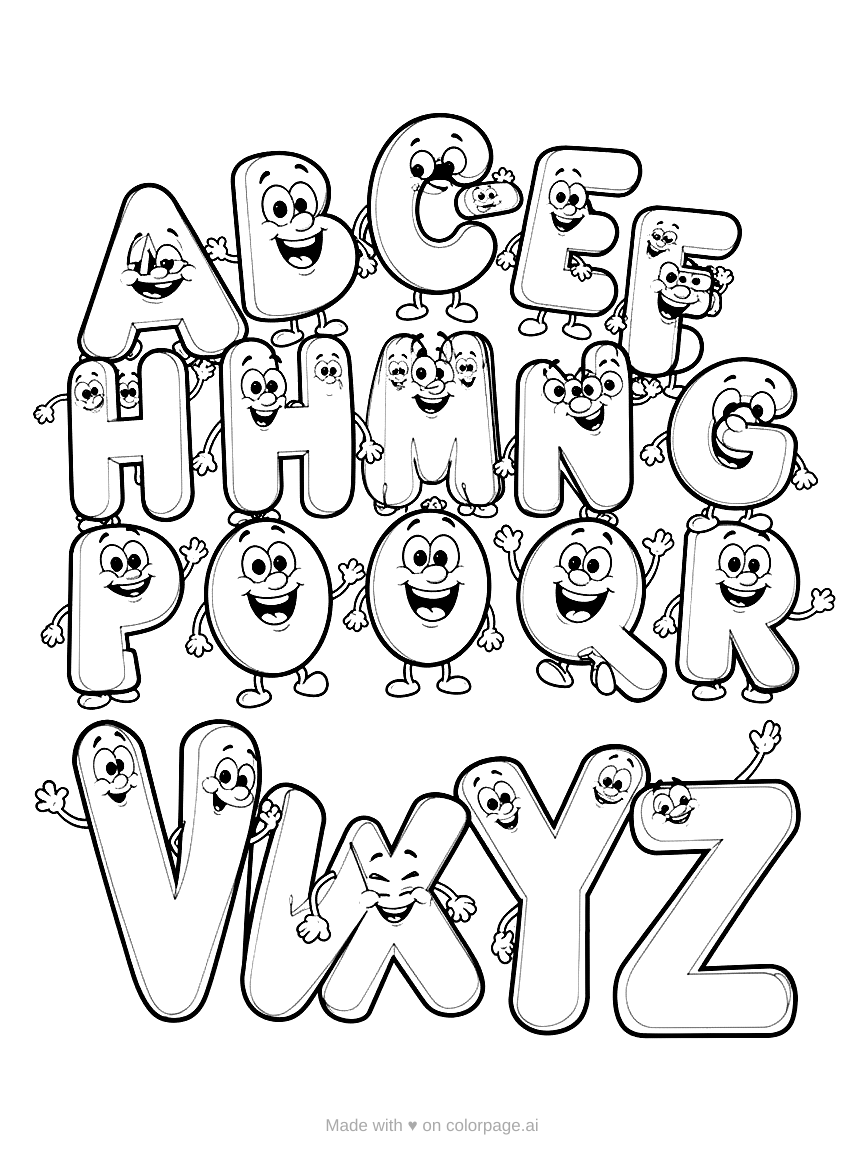
Understanding the Benefits of Coloring Alphabet Letters
Coloring is more than just a fun activity; it serves multiple developmental purposes. When children color letters, they improve their hand-eye coordination and fine motor skills, which are crucial for writing. This activity also allows for cognitive engagement as they identify letters and associate them with sounds and words. By using Free Alphabet Letters To Colour In, educators and parents can create a rich learning experience that reinforces literacy skills.
Enhancing Letter Recognition
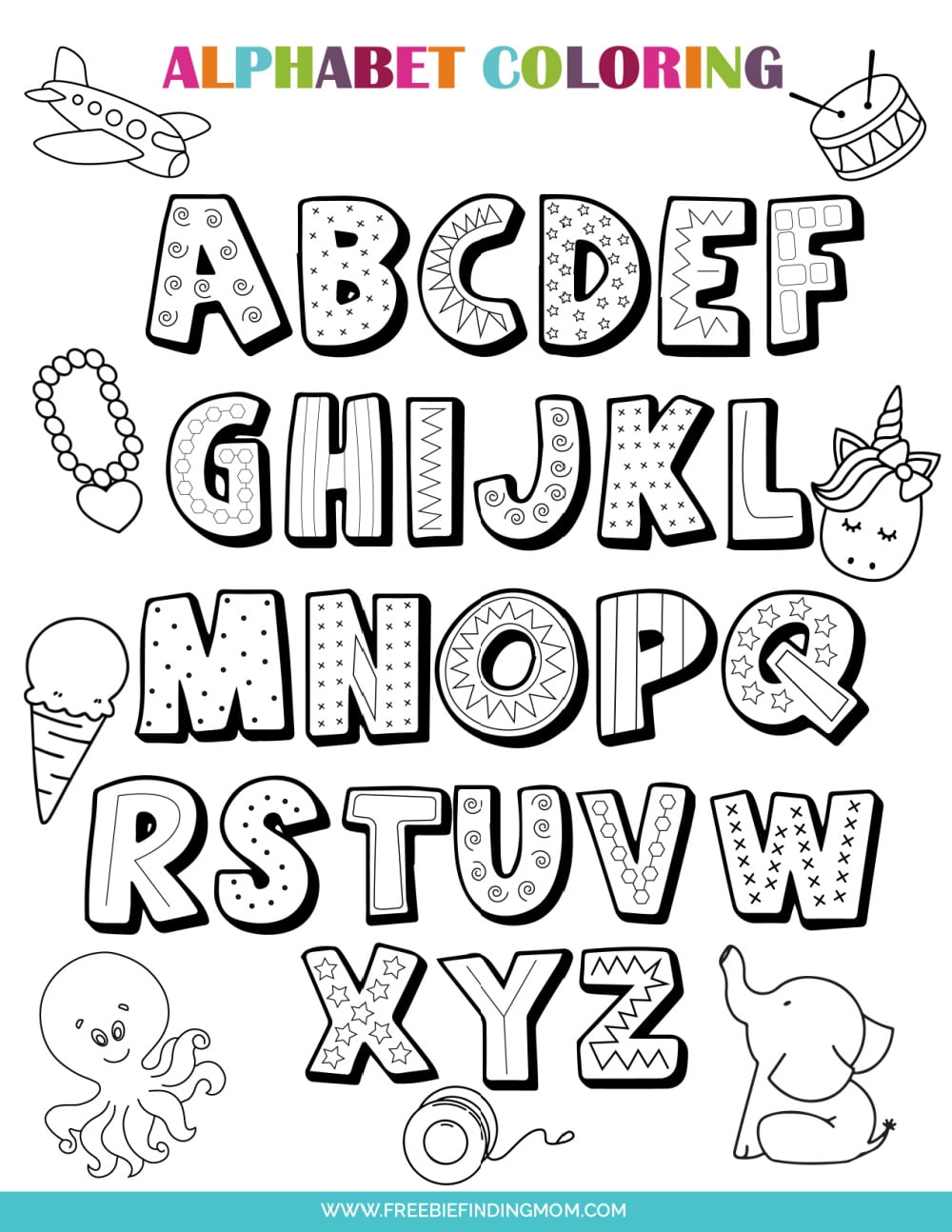
Coloring letters helps children recognize and remember the shapes of each letter. When they actively engage with the letters, they are more likely to recall them later. Incorporating these coloring pages into lessons can enhance phonemic awareness, as children can say the letter sounds aloud while coloring. This multisensory approach—seeing, saying, and doing—solidifies their understanding of the alphabet.
Fostering Creativity
Using Free Alphabet Letters To Colour In allows children to express their creativity. They can choose colors, patterns, and even add designs to the letters, making the activity personal and enjoyable. This creative freedom can increase their interest in literacy and help them associate positive feelings with learning.
Choosing the Right Resources
When selecting printable alphabet coloring resources, consider the following:
- Age Appropriateness: Ensure the designs are suitable for the age group. Simple letters with larger spaces are better for younger children, while more intricate designs can challenge older kids.
- Format: Look for PDF formats that maintain quality when printed. This avoids any distortion that can occur with image files.
- Coloring Options: Some resources may offer outlines for coloring, while others might include additional elements like pictures or themes that can enhance the learning experience.
Downloading and Printing Your Alphabet Coloring Pages
Once the right resource is selected, the next steps involve downloading and printing. Here’s how to do it effectively:
- Download the Resource: Click on the link to access the Free Alphabet Letters To Colour In. Ensure that the PDF file is downloaded to your device.
- Check Printer Settings: Before printing, check the printer settings to ensure the correct paper size (typically A4 or letter size) is selected. Portrait layout is usually best for alphabet coloring pages.
- Print a Test Page: Print one page initially to check the quality and make any necessary adjustments. This helps avoid wasted paper and ink.
- Bulk Printing: If using these resources in a classroom, consider printing multiple copies of each letter. This ensures that every child has access to the same materials.
Setting Up the Activity
Once the pages are printed, setting up the coloring activity is straightforward. Here’s a simple process:
- Gather Supplies: Provide crayons, colored pencils, or markers. Ensure that all materials are non-toxic and appropriate for the age group.
- Create an Engaging Environment: Set up a colorful workspace where children can comfortably sit and color. Consider playing soft music or reading a story related to the alphabet to further engage them.
- Introduce the Activity: Explain the purpose of coloring the letters. Encourage children to say the letter sounds as they color. This reinforces their learning and makes the activity interactive.
- Monitor Engagement: Walk around to observe the children as they work. Offer encouragement and assistance when needed. This not only fosters a supportive environment but also provides opportunities for individualized learning.
Reviewing and Grading
After the coloring activity is complete, there are several ways to review the children’s work:
- Discussion: Have children share their colored letters with the class. This promotes verbal skills and reinforces letter recognition.
- Display the Work: Create a bulletin board featuring their colored letters. This not only decorates the classroom but also builds pride in their work.
- Assess Understanding: Use their completed coloring pages to assess their understanding of letter shapes and sounds. You can ask questions about specific letters and how they relate to words.
Tips for Maximizing the Activity’s Effectiveness
To enhance the learning experience further, consider these additional tips:
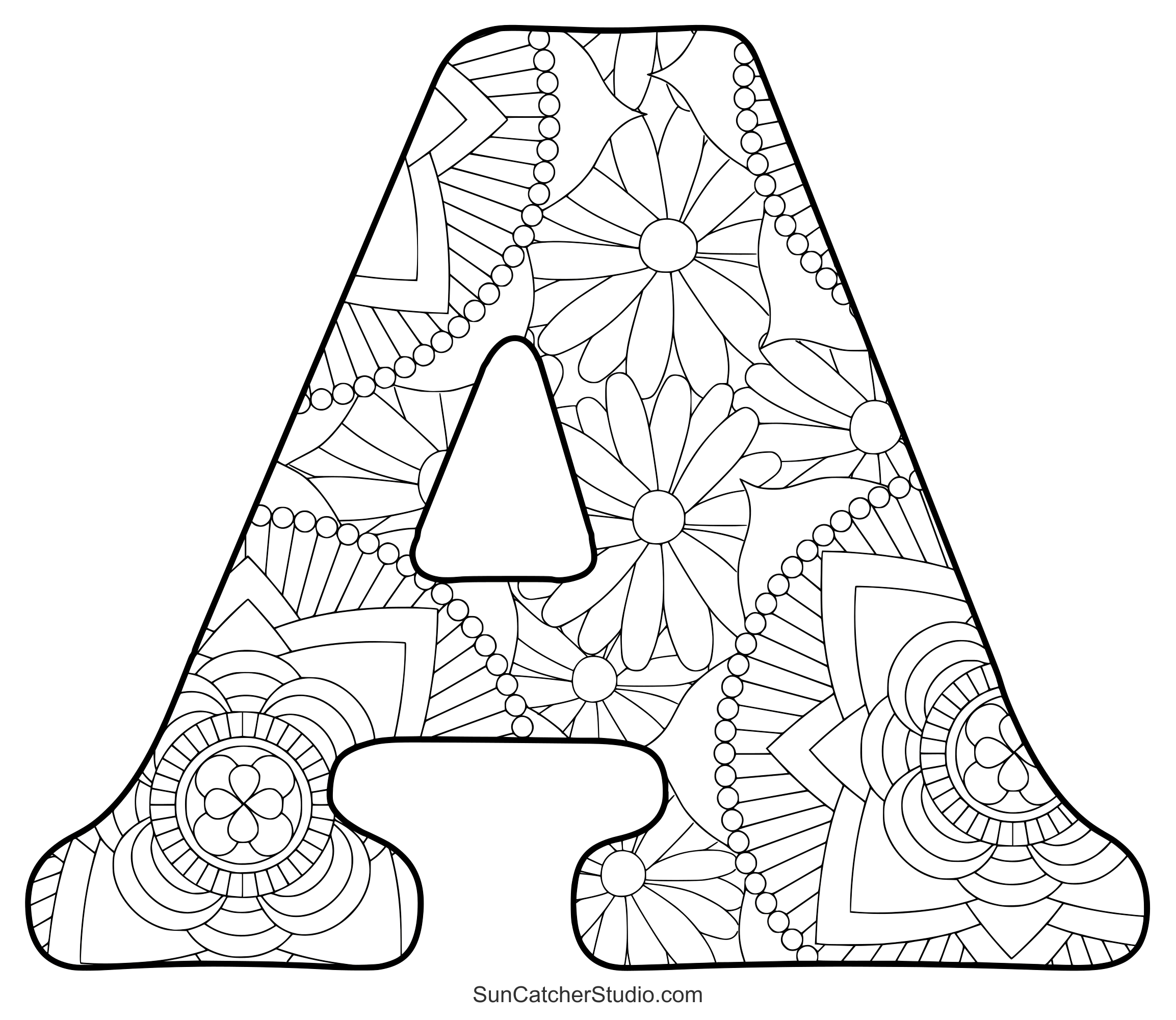
- Incorporate Themes: Tie the coloring activity to a theme, such as animals or seasons. For instance, have children color the letter “A” with an image of an apple or an alligator to create connections.
- Cross-Curricular Integration: Use the colored letters in other subjects. For example, they can be used in a spelling lesson where children spell simple words using their colored letters.
- Encourage Peer Learning: Pair children to work together on the coloring pages. This can foster teamwork and allow them to learn from one another.
By integrating Free Alphabet Letters To Colour In into the learning routine, teachers and parents can create a multifaceted educational experience that is both enjoyable and effective. The combination of coloring, letter recognition, and creativity not only engages children but also lays a solid foundation for their literacy development.
For immediate action, download a set of Free Alphabet Letters To Colour In today and prepare for a fun and educational coloring session that your students or children will love!