
Free Alphabet And Number Printables are invaluable resources for parents and teachers who want to support early literacy and numeracy skills in children. These printables can be easily downloaded, printed, and used in various activities that make learning engaging and fun. Whether you’re looking to reinforce letter recognition, counting skills, or even basic writing, these resources are designed to help children practice and master essential skills without the need for a structured lesson plan.
Types of Free Alphabet And Number Printables
When searching for free alphabet and number printables, you’ll find several types that cater to different learning needs and preferences. Here are some common formats:
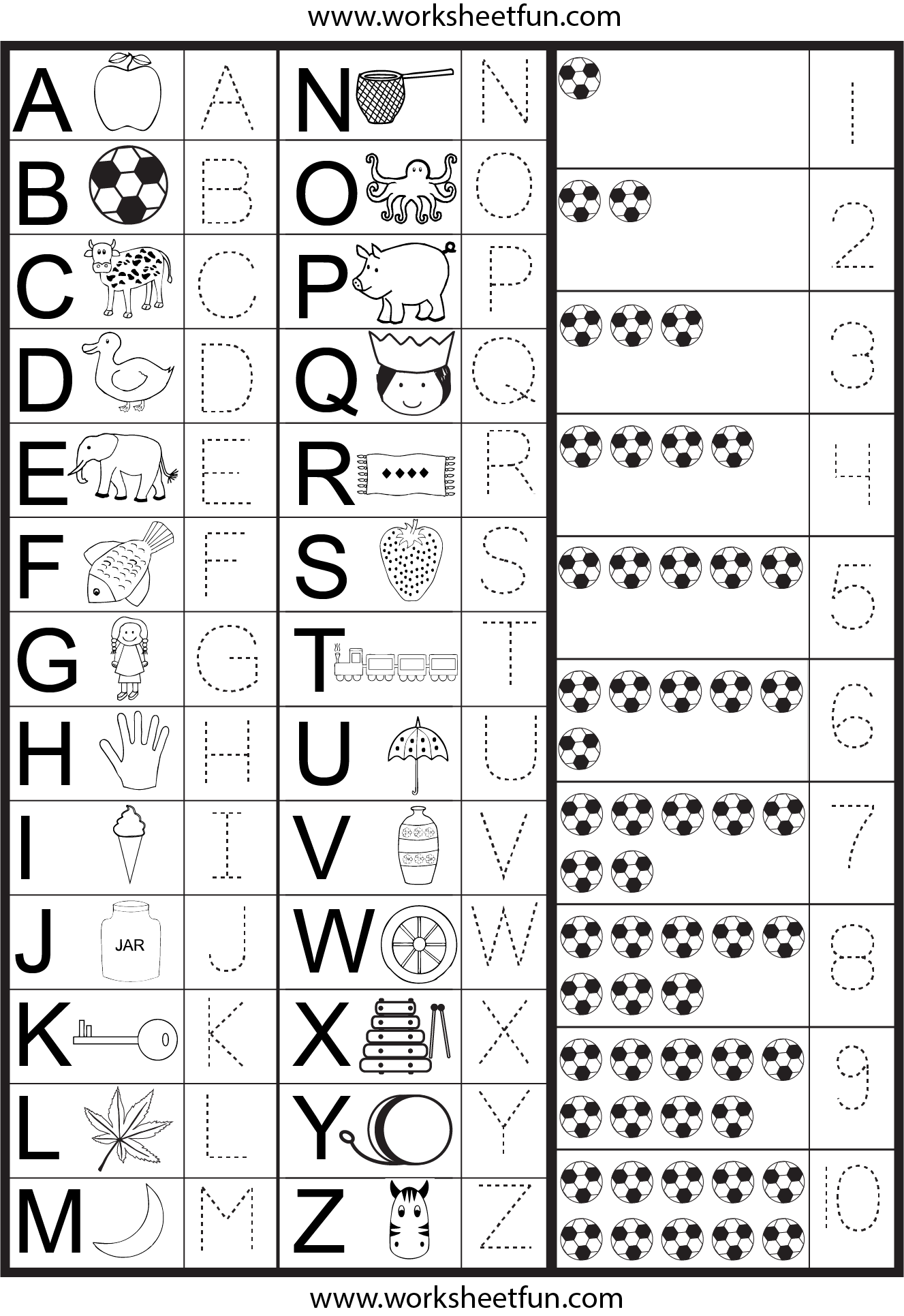
- Worksheets: These often include activities like tracing letters and numbers, matching games, or fill-in-the-blank exercises.
- Flashcards: Helpful for quick reviews or games, flashcards can reinforce recognition of letters and numbers.
- Coloring Pages: These pages often feature letters or numbers alongside fun illustrations, making them perfect for creative learning.
- Posters: Displaying the alphabet or numbers in a colorful poster form can enhance visual learning in a child’s environment.
Each type of printable serves a unique purpose, so consider what will best support your child’s learning objectives.
Choosing the Right Printables for Your Needs
Selecting the right free alphabet and number printables involves considering the age and skill level of the child, as well as the learning goals you wish to achieve.
Age Appropriateness
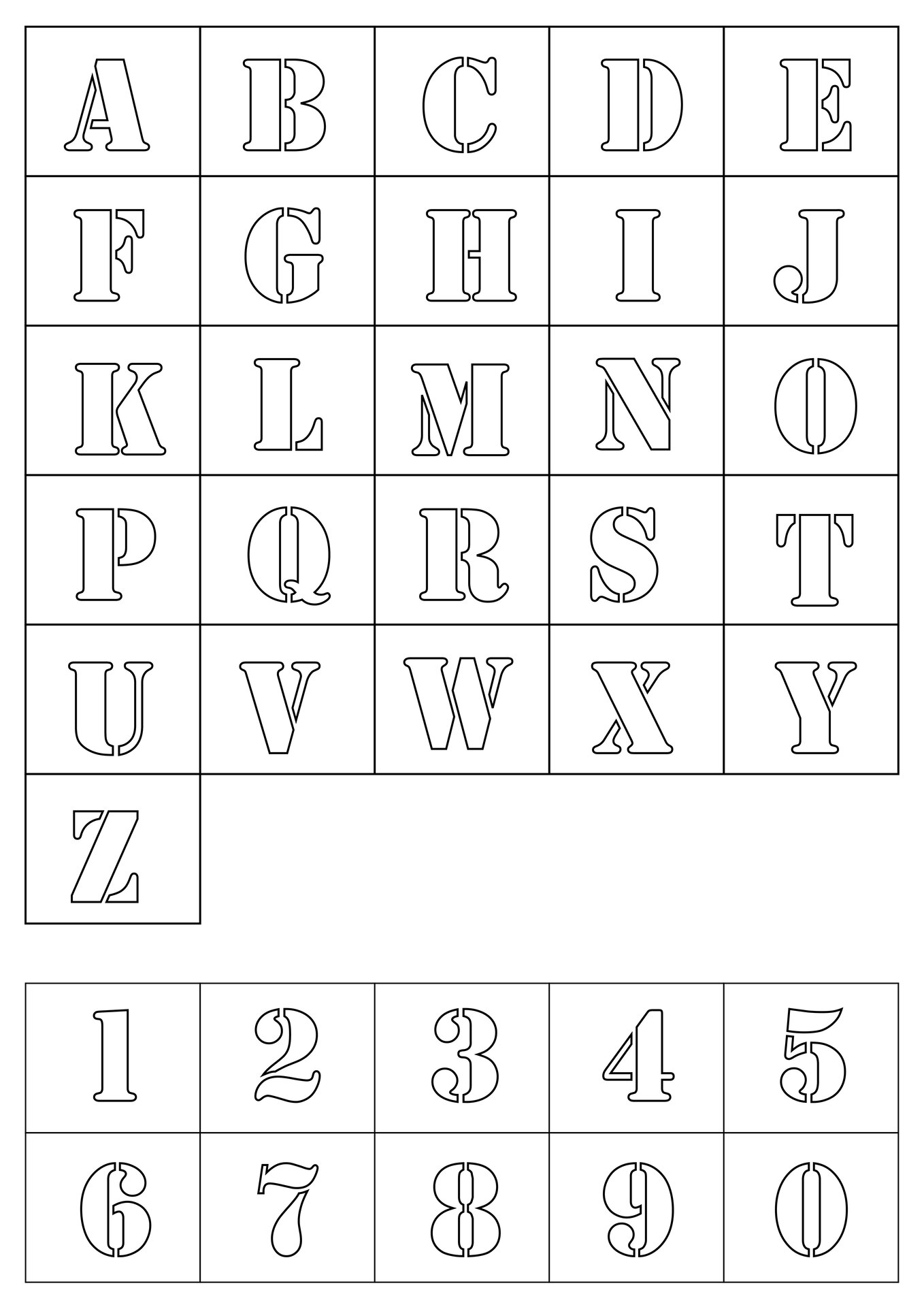
- Preschool (Ages 3-5): Focus on printables that emphasize letter and number recognition. Activities like coloring or simple tracing can be very effective.
- Kindergarten (Ages 5-6): Look for printables that incorporate basic writing skills, such as tracing letters and numbers or simple word formation.
- Early Elementary (Ages 6-8): Choose more complex worksheets that include addition or subtraction with numbers, as well as reading simple words or sentences.
Skill Levels
Consider whether the child is just beginning to learn letters and numbers or if they need reinforcement of skills they’ve already started to develop. For instance, beginners may benefit from more visual aids like flashcards, while those with some experience might engage better with worksheets that challenge them.
How to Use Free Alphabet And Number Printables Effectively
Once you’ve selected your printables, it’s time to think about how to incorporate them into your daily routine. Here are some practical tips:
- Integrate into Daily Activities: Use printables during designated learning times or incorporate them into daily routines, such as meal times or playtime. For example, you could use letter flashcards during snack time to reinforce letter recognition.
- Create a Learning Station: Set up a specific area in your home with printed resources, where children can engage in activities independently or with supervision. This can include a mix of printables, books, and other learning materials.
- Incorporate Games: Turn learning into a fun activity. Use flashcards for a memory game or create a scavenger hunt where children find objects that start with specific letters.
These strategies can help make learning more interactive and enjoyable, fostering a positive attitude towards education.
Printing and Preparing Your Resources
Getting the most out of your Free Alphabet And Number Printables requires some preparation. Here’s how to ensure they look great and are ready for use:
- Choose the Right Paper: Standard printer paper works well for most printables, but if you plan to laminate them for durability, consider using cardstock. This thicker paper can withstand repeated use and is less likely to tear.
- Check Printer Settings: For optimal results, adjust your printer settings based on the resource type. Most printables look best in portrait orientation, but some may require landscape. Always preview before printing to avoid wasting paper.
- Laminating: If you want printables to last longer, consider laminating them. This is especially useful for flashcards or worksheets that will be used multiple times. You can use dry-erase markers on laminated sheets for repeated practice.
Engaging Activities With Printables
To maximize the educational value of Free Alphabet And Number Printables, here are some engaging activities you can incorporate:
- Alphabet Bingo: Create a bingo game using letters from the alphabet. Provide each child with a bingo card filled with letters and call out letters randomly. Kids can mark them as they hear them, reinforcing recognition in a fun way.
- Number Line Games: Use number printables to create a number line on the floor. Children can jump to the correct number when called out, combining physical activity with learning.
- Letter Crafts: Combine creativity with learning by having children create crafts based on letters. For example, if they’re learning about the letter “A,” they could make an apple craft or draw something that starts with “A.”
These activities not only reinforce learning but also encourage creativity and physical involvement, making them memorable.
Finding Quality Printables Online
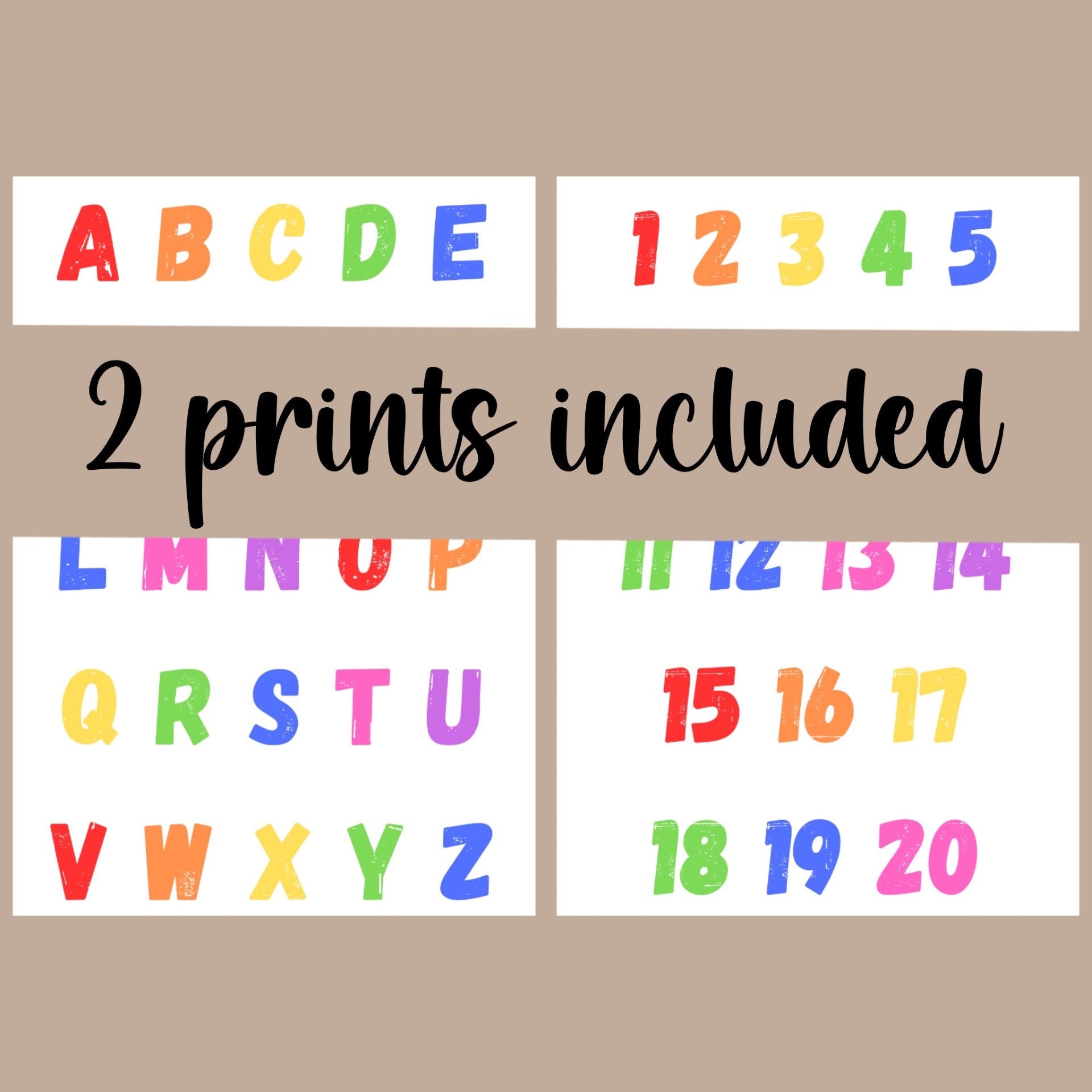
When searching for Free Alphabet And Number Printables, consider reputable sources. Many educational websites offer high-quality resources that are easy to download and print. Here are a few tips for finding the best printables:
- Check Reviews: Look for sites that have positive feedback from other parents or educators. User reviews can help gauge the quality and effectiveness of the printables.
- Look for Variety: A good resource will provide a range of printables that cater to different ages and skills. This ensures you have options as your child progresses.
- Easy Accessibility: Ensure the printables are easy to find and download. Websites that require complicated sign-ups or downloads may not be worth the hassle.
By considering these factors, you can find resources that will best support your child’s learning journey.