
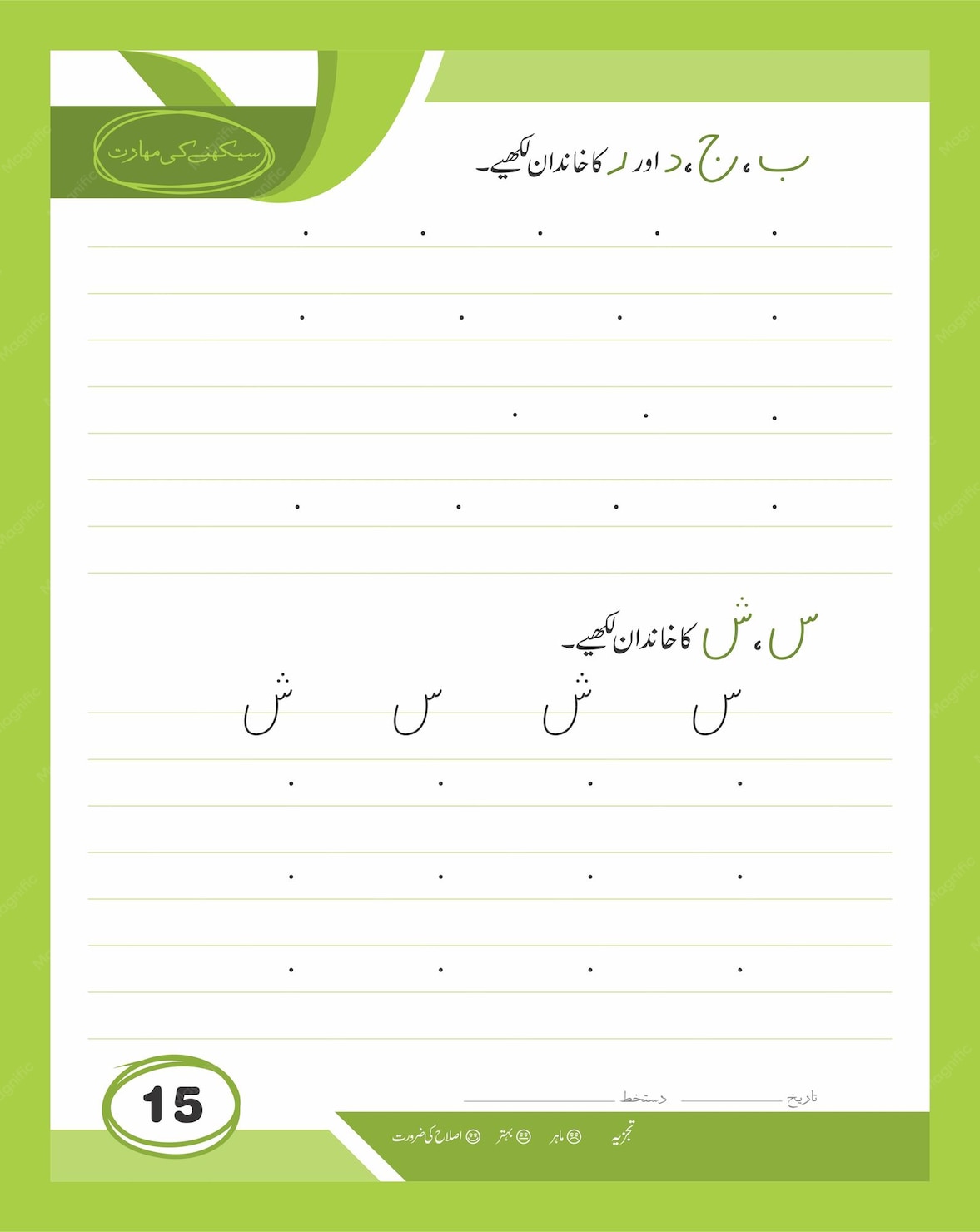
The First School Alphabet Letter Worksheets are designed specifically for young learners, typically in preschool or kindergarten. These worksheets serve as an excellent tool for introducing the alphabet in a structured, engaging way. Each worksheet focuses on a specific letter, helping children recognize letters through various activities that promote both letter identification and phonetic awareness.
Understanding the Importance of Alphabet Worksheets
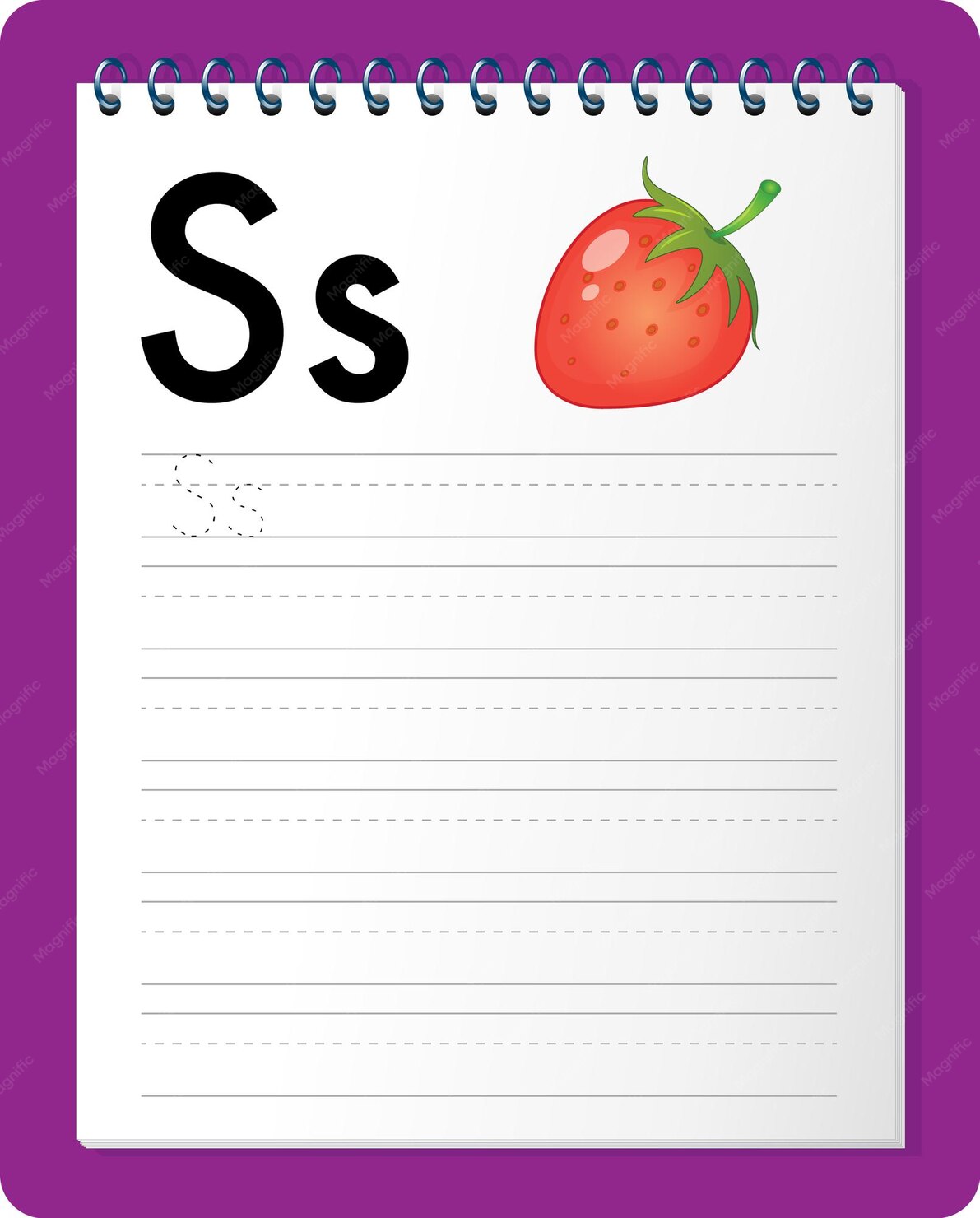
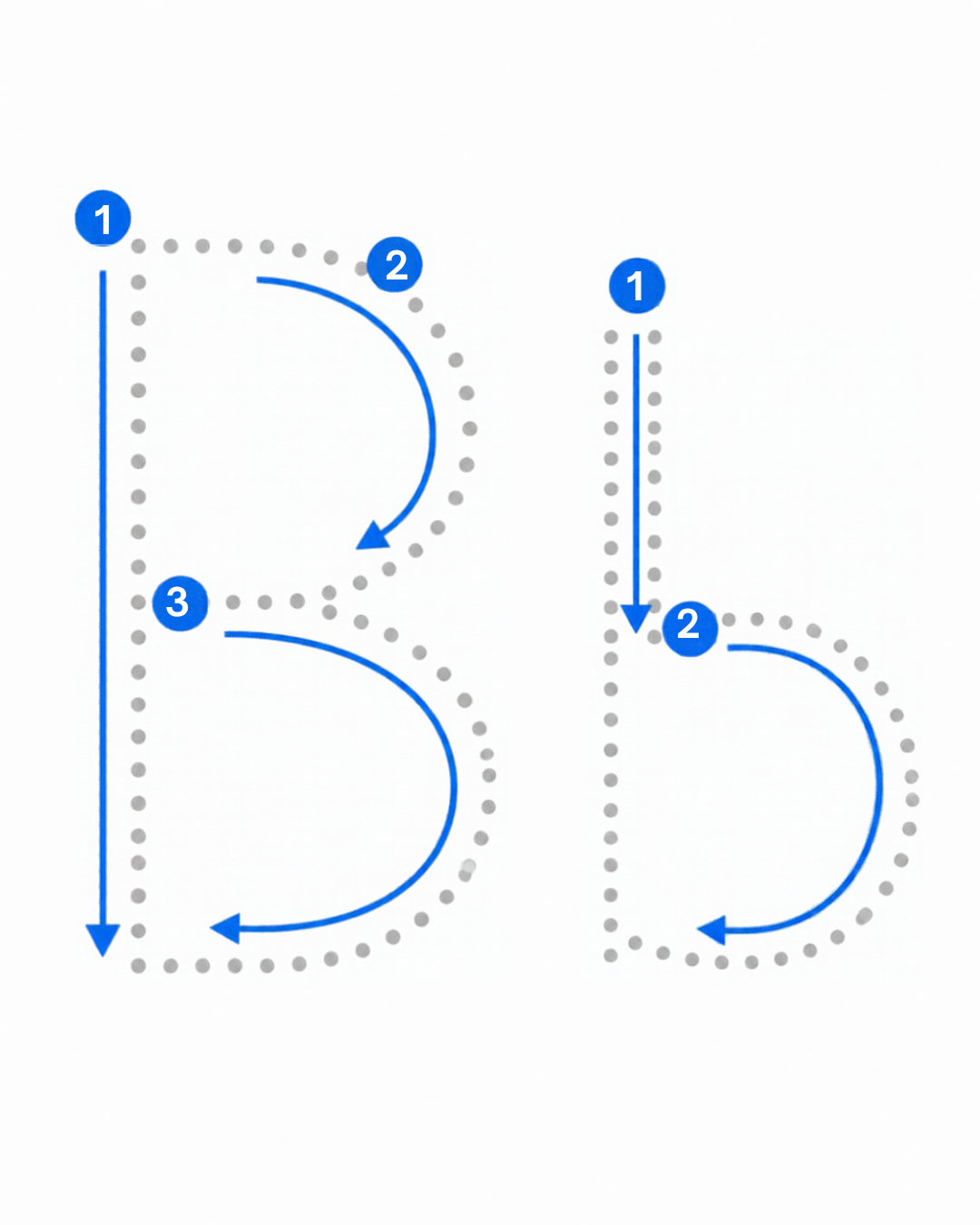
Alphabet worksheets play a crucial role in early childhood education. They provide a hands-on approach to learning that can cater to different learning styles. When children engage with worksheets, they not only learn to identify letters but also start developing important skills such as fine motor control. Tracing letters and coloring can enhance their writing abilities, which is essential for their overall educational journey.
Using the First School Alphabet Letter Worksheets in your teaching can facilitate a well-rounded understanding of the alphabet. These resources can be incorporated into daily lesson plans, used as homework assignments, or even employed during free playtime, allowing for flexible learning opportunities.
Choosing the Right Worksheets
When selecting First School Alphabet Letter Worksheets, consider the following factors:
- Age Appropriateness: Ensure that the worksheets are suitable for your learners. For preschool and kindergarten students, look for worksheets that have simple designs and clear instructions.
- Variety of Activities: Choose worksheets that offer a mix of writing, coloring, and matching activities. This variety keeps children engaged and helps reinforce their learning.
- Visual Appeal: Worksheets that incorporate colorful images and fun themes can capture children’s attention and make learning enjoyable.
By choosing the right worksheets, you can create a positive learning environment that encourages children to explore the alphabet with enthusiasm.
Downloading and Printing Your Worksheets
Once you’ve selected the appropriate First School Alphabet Letter Worksheets, the next step is to download and print them. Here are some tips to ensure a smooth process:
- File Format: Most worksheets are available in PDF format, which is ideal for printing. PDFs maintain formatting, ensuring that your worksheets look as intended.
- Printer Settings: Set your printer to print in portrait orientation, as this is usually the best layout for worksheets. If you have the option, choose a high-quality setting to ensure the text and images are clear.
- Paper Type: For durability, consider using cardstock instead of regular printer paper. Cardstock is thicker and can withstand the wear and tear of little hands, especially if you plan to reuse the worksheets.
After printing, you may want to laminate the worksheets for repeated use, allowing children to practice their skills multiple times with dry-erase markers.
Structuring Your Lesson Plans
Integrating First School Alphabet Letter Worksheets into your lesson plans can maximize their effectiveness. Here’s a suggested weekly structure that spaces out learning:
- Day 1: Introduction to the Letter
Introduce a new letter with a fun story or song. Hand out the corresponding worksheet for children to trace and color.
- Day 2: Writing Practice
Use the worksheet again, focusing on writing the letter independently. Encourage children to say the letter’s sound as they write.
- Day 3: Interactive Activities
Incorporate games that relate to the letter, such as a scavenger hunt for items that start with that letter. This helps reinforce learning through play.
- Day 4: Review
Go over the letter and its sound. Hand out the worksheet for children to complete as a review, solidifying their understanding.
- Day 5: Assessment
Use the worksheets as a form of informal assessment. Observe how well each child recognizes and writes the letter.
This structured approach emphasizes repetition, which is key for young learners to retain information. By revisiting each letter throughout the week, you reinforce their learning while keeping the content fresh and engaging.
Engaging Families in Learning
Encouraging families to participate in their children’s learning can enhance the effectiveness of the First School Alphabet Letter Worksheets. Here are some ways to involve parents:
- Send Home Worksheets: Provide copies of the worksheets for parents to work on with their children at home. This can help reinforce what was learned in class.
- Create a Reading Corner: Suggest that parents set up a designated space at home where children can practice reading and writing. Having a cozy area can encourage a love for learning.
- Share Progress: Regularly communicate with parents about their child’s progress. This can motivate families to engage more with the materials and support learning at home.
By fostering a collaborative environment, you create a supportive network that encourages children to thrive in their learning journey.
Additional Resources for Alphabet Learning
In addition to the First School Alphabet Letter Worksheets, consider incorporating other resources to enhance learning:
- Alphabet Songs: Utilize catchy songs that introduce the alphabet and its sounds. Music can aid memorization and make learning fun.
- Flashcards: Create flashcards featuring letters and corresponding images. Flashcards promote quick recognition and can be used in various games.
- Storybooks: Include storybooks that focus on the alphabet. Reading aloud can improve vocabulary and phonemic awareness.
Combining multiple resources allows for a comprehensive approach to teaching the alphabet, catering to different learning styles and preferences.
By implementing the First School Alphabet Letter Worksheets thoughtfully, you can create a rich learning environment that supports young children’s literacy development. Remember, the key is to make learning enjoyable and engaging, ensuring that children build a strong foundation for their future education.