
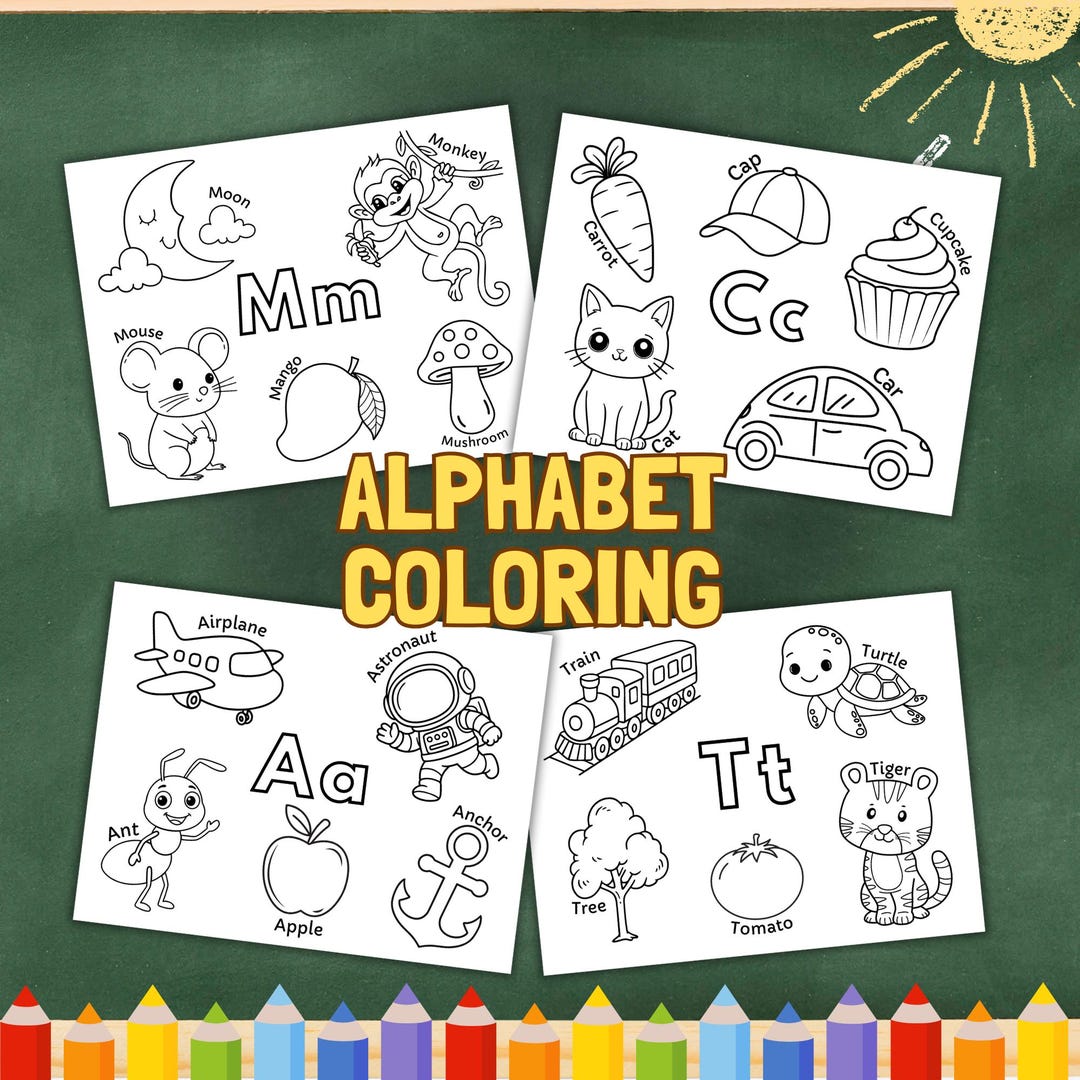
When it comes to teaching young children the alphabet, incorporating a creative approach can make all the difference. First School Alphabet Coloring Pages not only engage students but also help reinforce their letter recognition skills in a fun and interactive way. These coloring pages provide an excellent resource for teachers, parents, and caregivers looking to enhance early literacy skills while keeping young learners entertained.
The Importance of Alphabet Recognition
Alphabet recognition is a fundamental skill that lays the foundation for reading and writing. Children typically begin learning the alphabet around preschool or kindergarten, usually between the ages of 4 to 6. As they explore letter shapes and sounds, they become more familiar with the building blocks of language. Using coloring pages can support this learning process by making it enjoyable.
By coloring letters, children develop fine motor skills, hand-eye coordination, and creativity. They also have the opportunity to associate each letter with a word or image, reinforcing their understanding. For instance, coloring an “A” next to an apple helps them remember both the letter and its phonetic sound.
How to Use First School Alphabet Coloring Pages
Implementing First School Alphabet Coloring Pages into your teaching routine is straightforward and flexible. Here are a few practical ideas to help integrate these resources into your classroom or home learning environment:
1. Individual or Group Activities
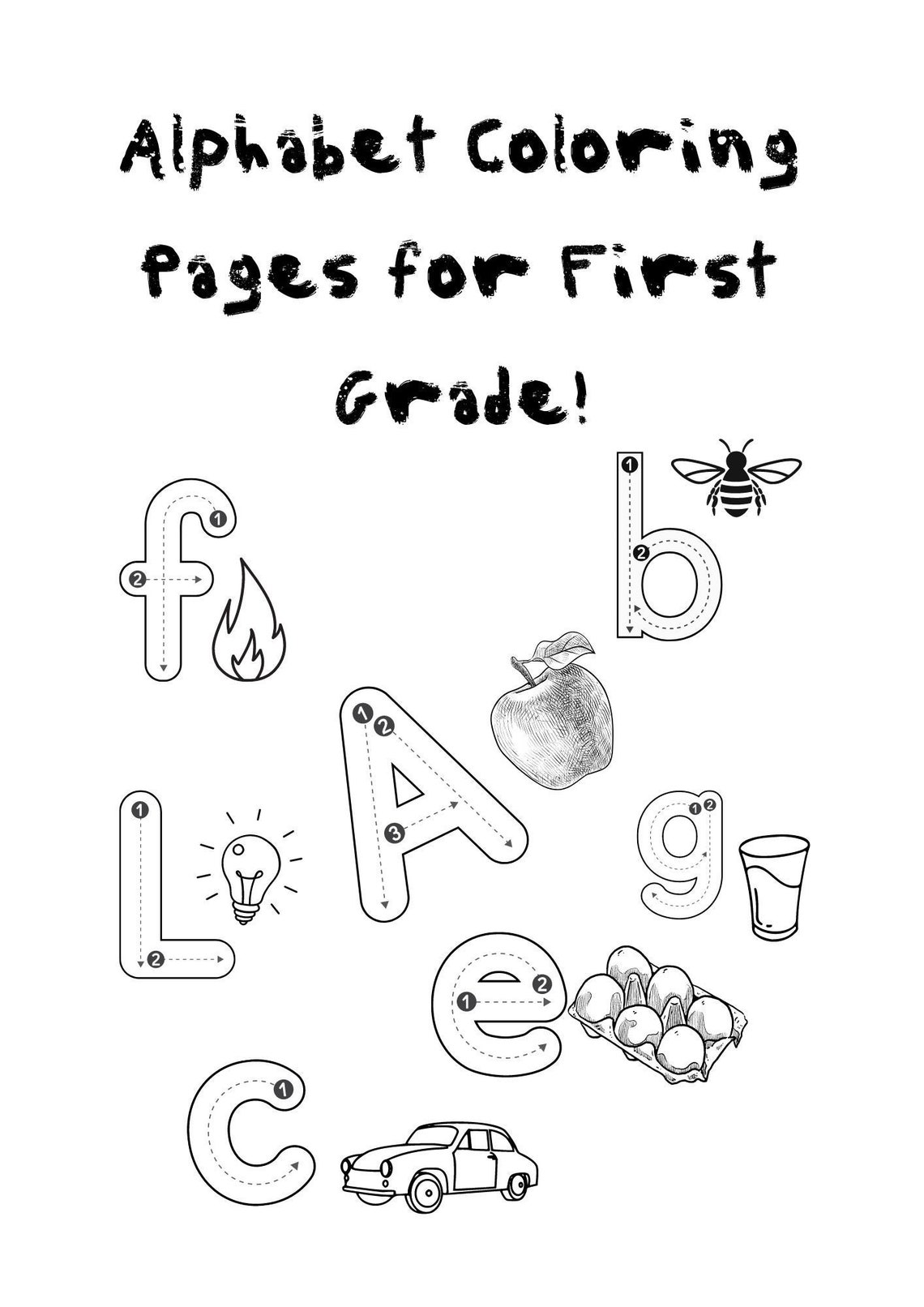
You can use these coloring pages as individual activities for students who need extra practice or as group projects during art time. If you have a diverse classroom, consider providing different sets of coloring pages that cater to various skill levels. This approach can accommodate varying abilities, ensuring every child is engaged.
2. Themed Learning Stations
Set up themed learning stations in your classroom, where students rotate between different activities. One station can feature First School Alphabet Coloring Pages alongside related phonics games or letter puzzles. This setup keeps students active and enhances their learning experience by connecting different forms of engagement.
3. Homework Assignments
Assign coloring pages as homework to encourage practice outside the classroom. Sending home First School Alphabet Coloring Pages allows students to share what they’ve learned with their families, promoting collaboration and discussion about letters and words at home.
4. Seasonal or Holiday Themes
Incorporate seasonal or holiday themes into your coloring pages. For example, a Halloween-themed alphabet coloring page could feature a “B” for bat or a “C” for cat. This not only makes learning exciting but also ties in cultural and seasonal knowledge with letter recognition.
Practical Tips for Printing and Using Coloring Pages
When using First School Alphabet Coloring Pages, consider these practical tips to ensure a smooth experience:
- Paper Quality: Use heavier cardstock for coloring pages if you plan to laminate them for repeated use. This will make them more durable and allow for dry erase markers for easy cleanup.
- Printing Settings: Set your printer to portrait layout, which works best for most coloring pages. Make sure to adjust the quality settings to ensure clear, vibrant images for coloring.
- Coloring Supplies: Provide a variety of coloring materials, such as crayons, colored pencils, and markers. This variety can cater to different preferences and help enhance creativity.
- Answer Key: If applicable, consider providing a simple answer key for parents or caregivers. This will help them support their children as they work through the coloring pages.
Enhancing Learning With Additional Resources
While First School Alphabet Coloring Pages are a fantastic resource, consider supplementing them with other educational materials. Here are a few suggestions to enhance the learning experience:
1. Alphabet Songs and Rhymes
Incorporate songs and rhymes that focus on the alphabet. These auditory resources can help reinforce letter sounds and improve retention. Singing songs while coloring can create a multi-sensory experience that benefits young learners.
2. Story Time
Reading books that emphasize letters and words can complement the coloring activity. Choose books that relate to the letters on the coloring pages, allowing children to see letters in different contexts.
3. Interactive Games
Introduce interactive games that promote letter recognition. For instance, use letter flashcards or online resources that include engaging activities for children to practice their skills.
Encouraging Creativity and Personal Expression
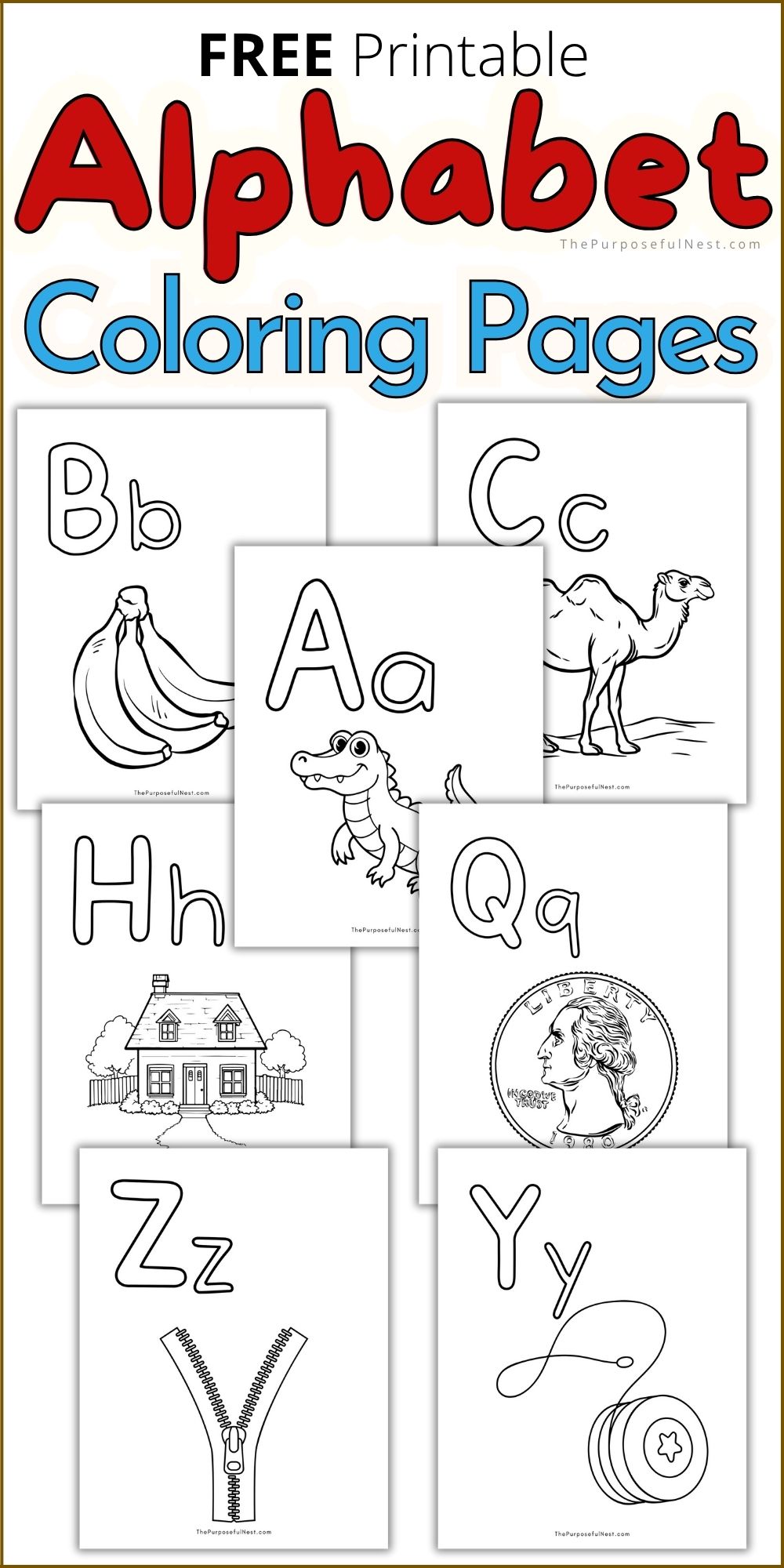
Coloring is an excellent way for children to express themselves and explore their creativity. Encourage students to personalize their First School Alphabet Coloring Pages by adding their own illustrations or designs. This could include drawing objects that start with the featured letter or decorating the page with stickers.
Engaging children in this way not only reinforces their learning but also boosts their confidence. They’ll take pride in their work, making the educational process more meaningful.