
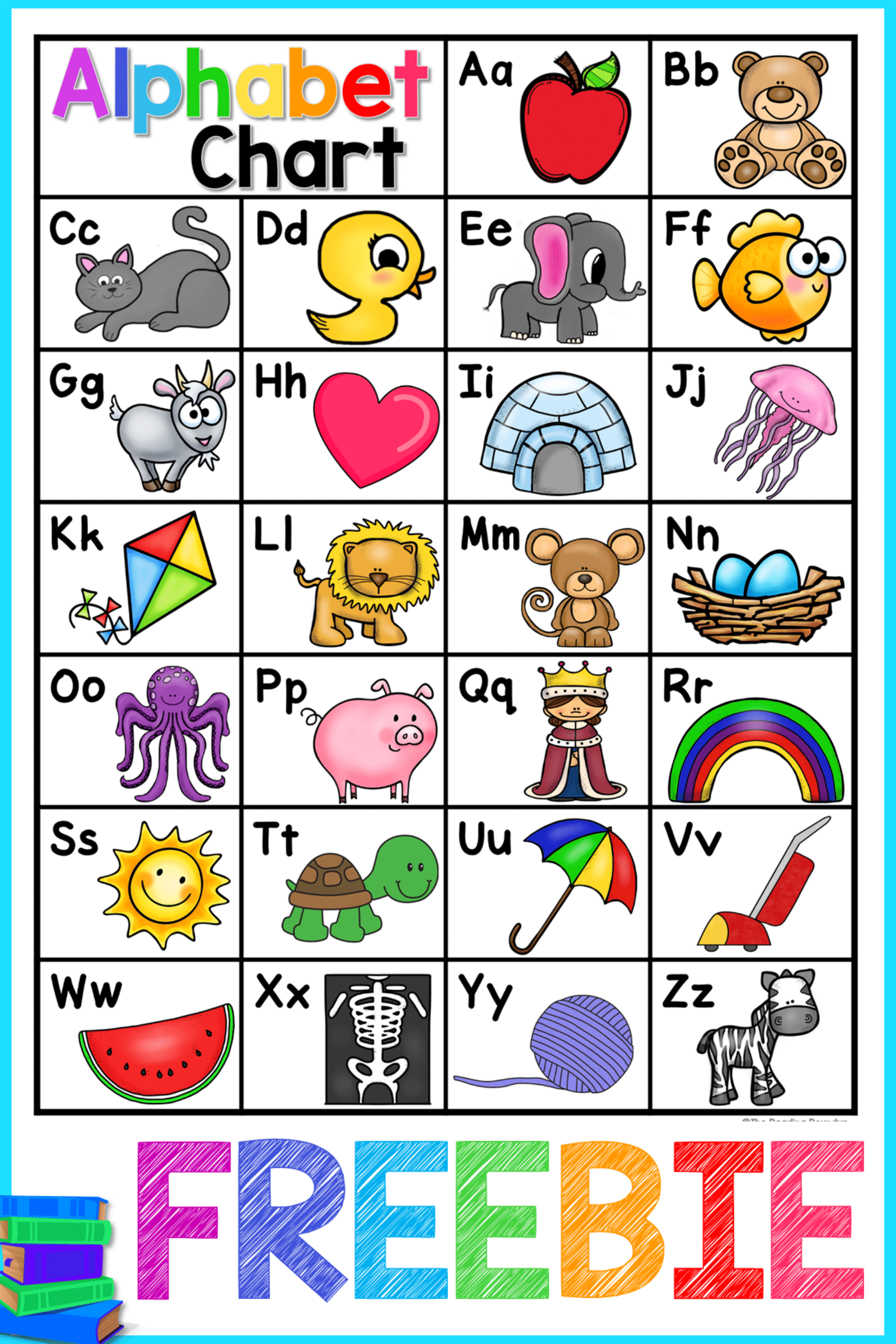
Using printables can significantly enhance the learning experience for young children, especially when it comes to mastering the alphabet. The Entire Alphabet With Pictures Printables is a fantastic resource designed to support early literacy skills through visual aids. These printables are not only effective in helping children recognize letters but also in associating them with corresponding images, making learning both fun and memorable.
Understanding the Resource
The Entire Alphabet With Pictures Printables typically include a full set of letters from A to Z, with each letter accompanied by a relevant image. For instance, the letter “A” might be paired with an apple, while “B” could feature a ball. This visual representation aids in letter recognition and phonetic understanding. These resources are suitable for preschool and kindergarten levels, typically aimed at children ages 3 to 6.
Benefits of Using Picture Printables
Integrating the Entire Alphabet With Pictures Printables into your teaching can provide numerous benefits:
- Visual Learning: Children often learn better when they can relate letters to objects or concepts. The images help solidify their understanding of each letter’s shape and sound.
- Engagement: Bright and colorful printables capture children’s attention, making them more likely to participate in activities.
- Versatile Usage: These printables can be used for various activities, from flashcards to wall displays or interactive games.
- Independent Practice: Kids can work on these printables independently, allowing for self-paced learning and reinforcing their skills without requiring constant adult supervision.
How to Download and Print
Downloading and printing the Entire Alphabet With Pictures Printables is a straightforward process:
- Find a Reliable Source: Look for reputable websites that offer educational printables. Ensure that the site provides resources that are free or reasonably priced and easy to download.
- Choose the Right Format: Most printables are available in PDF format, which preserves formatting and quality. PDFs are also easier to print without issues related to scaling.
- Download the Printables: Click the download link and save the file to your device.
- Print Settings: When printing, it’s best to use a standard letter size (8.5 x 11 inches) for easy handling. If your printer allows, opt for high-quality printing to ensure the images are clear and vibrant.
- Paper Choice: Use cardstock if you want the printables to be more durable, especially if they will be used repeatedly. For a temporary use, standard printer paper will suffice.
Creative Ways to Use the Printables
Once you have the Entire Alphabet With Pictures Printables, consider these engaging activities:
Alphabet Flashcards
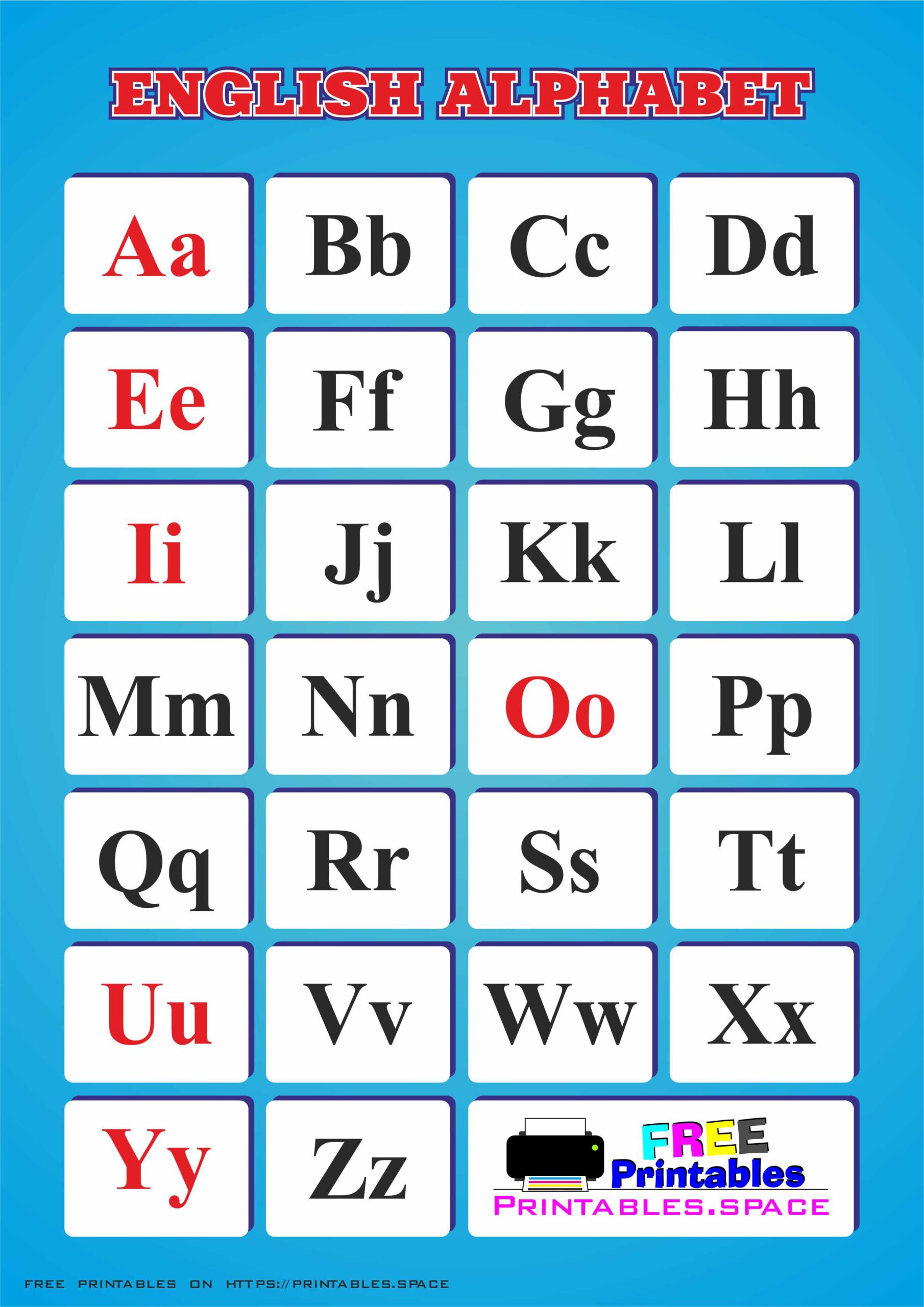
Cut out each letter and image to create flashcards. You can use these for various games, such as matching letters with their corresponding images or quizzing children on letter sounds.
Wall Displays
Create a colorful alphabet wall in your classroom or home. Hang the printables at eye level for children, encouraging them to interact with the letters every day.
Coloring Activities
If the printables include black-and-white versions of the images, children can color them in. This adds a creative element to their learning and helps with fine motor skills.
Interactive Games
Incorporate the printables into games. For example, you can play “I Spy,” where you describe an object, and children have to find the corresponding letter.
Letter of the Day
Choose one letter each day to focus on. Use the printables to guide discussions, activities, and stories centered around that letter.
Tips for Effective Use
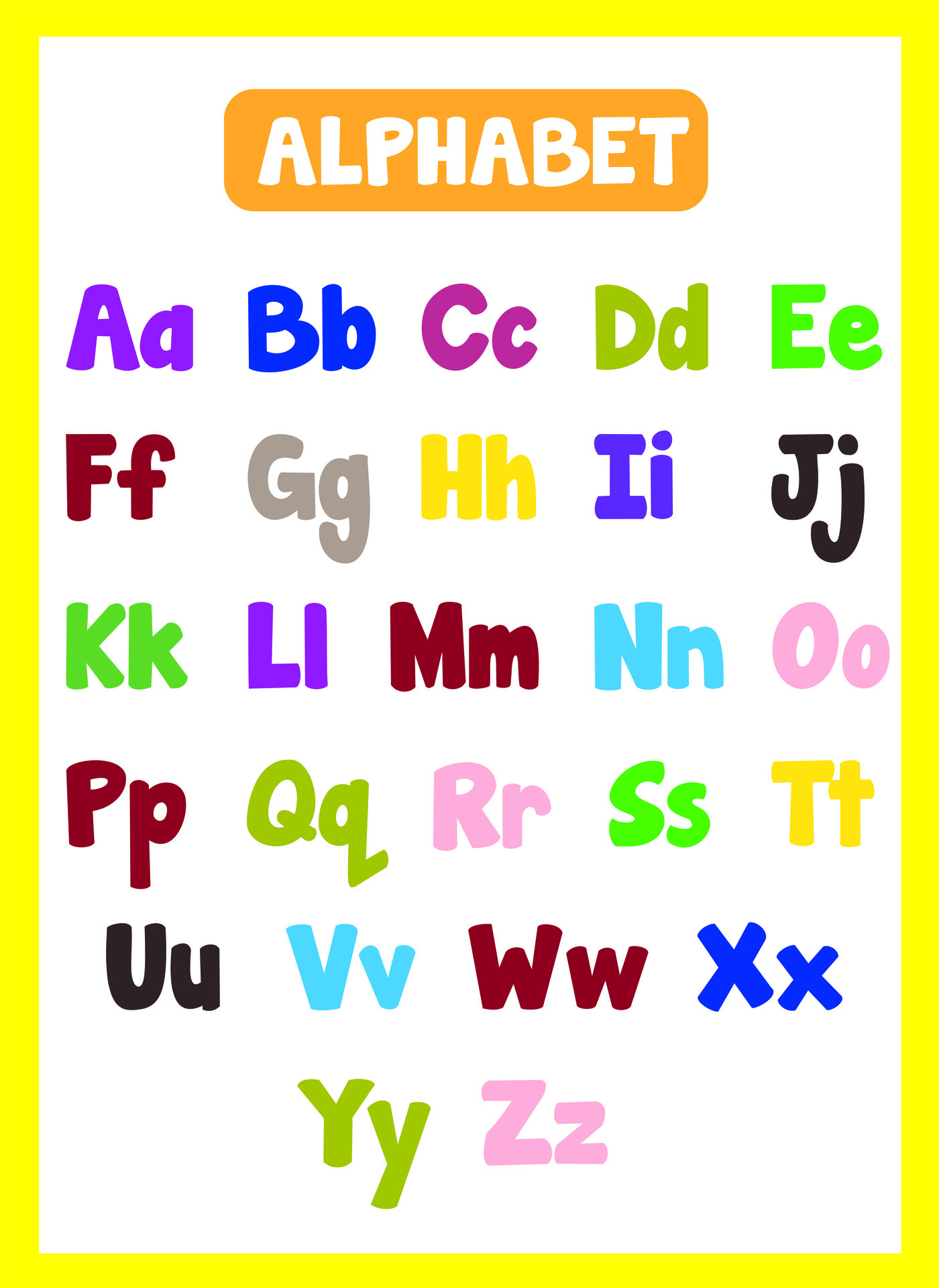
To maximize the effectiveness of the Entire Alphabet With Pictures Printables, consider the following tips:
- Repetition is Key: Regularly revisit the letters and images to reinforce learning. Repetition helps solidify knowledge in young children.
- Use Multi-Sensory Approaches: Combine visual learning with auditory (songs, rhymes) and tactile activities (tracing letters in sand or using playdough).
- Encourage Interaction: Ask questions and encourage children to describe the images. This promotes language development alongside letter recognition.
- Incorporate Technology: If available, pair the printables with educational apps that reinforce letter recognition and sounds.