
Teaching young children the English alphabets can be a delightful experience, especially when you incorporate visual elements into the learning process. Using resources like English Alphabets With Pictures For Colouring makes the task engaging and educational. These coloring pages not only help kids familiarize themselves with letters but also encourage creativity and fine motor skills.
Understanding the Resource
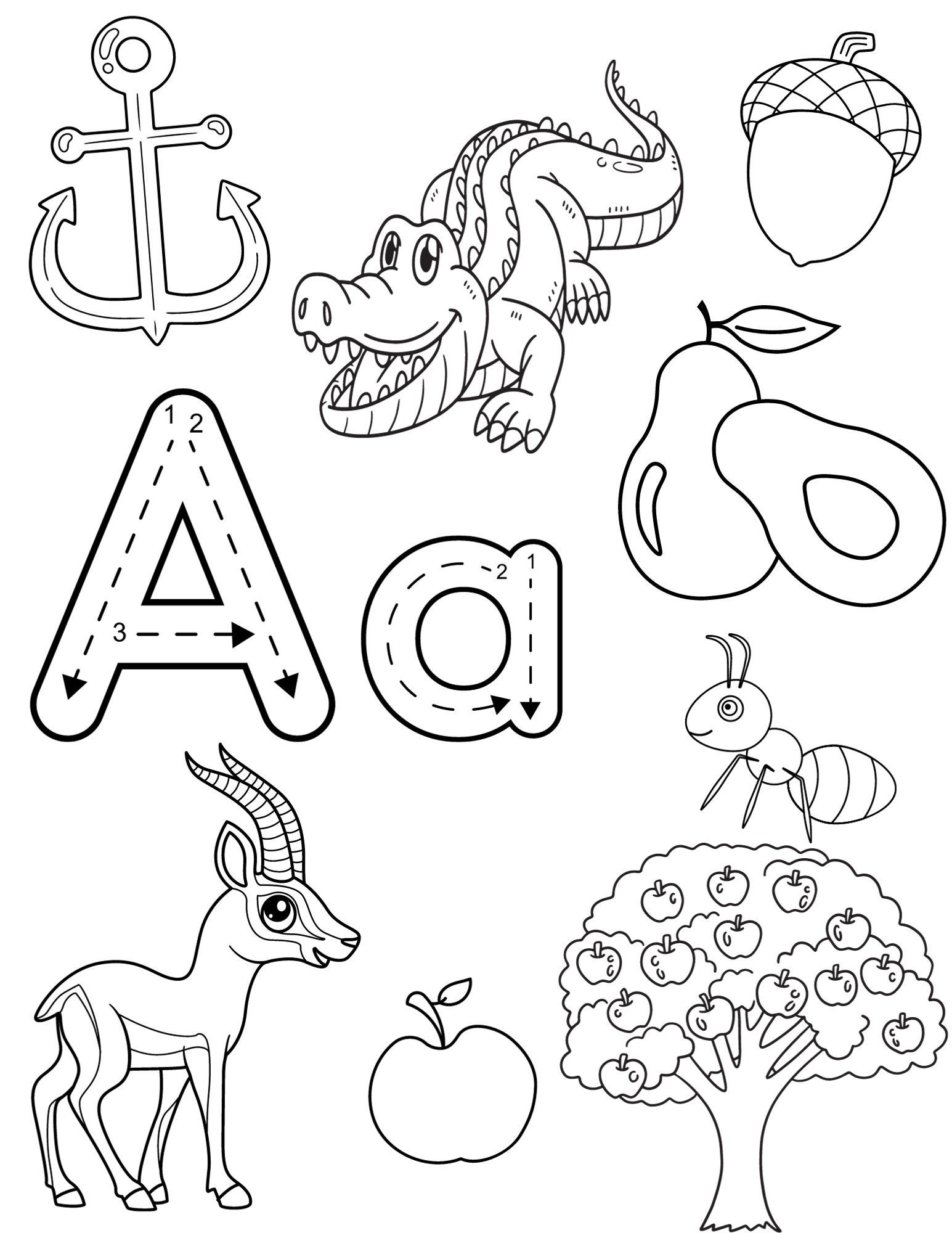
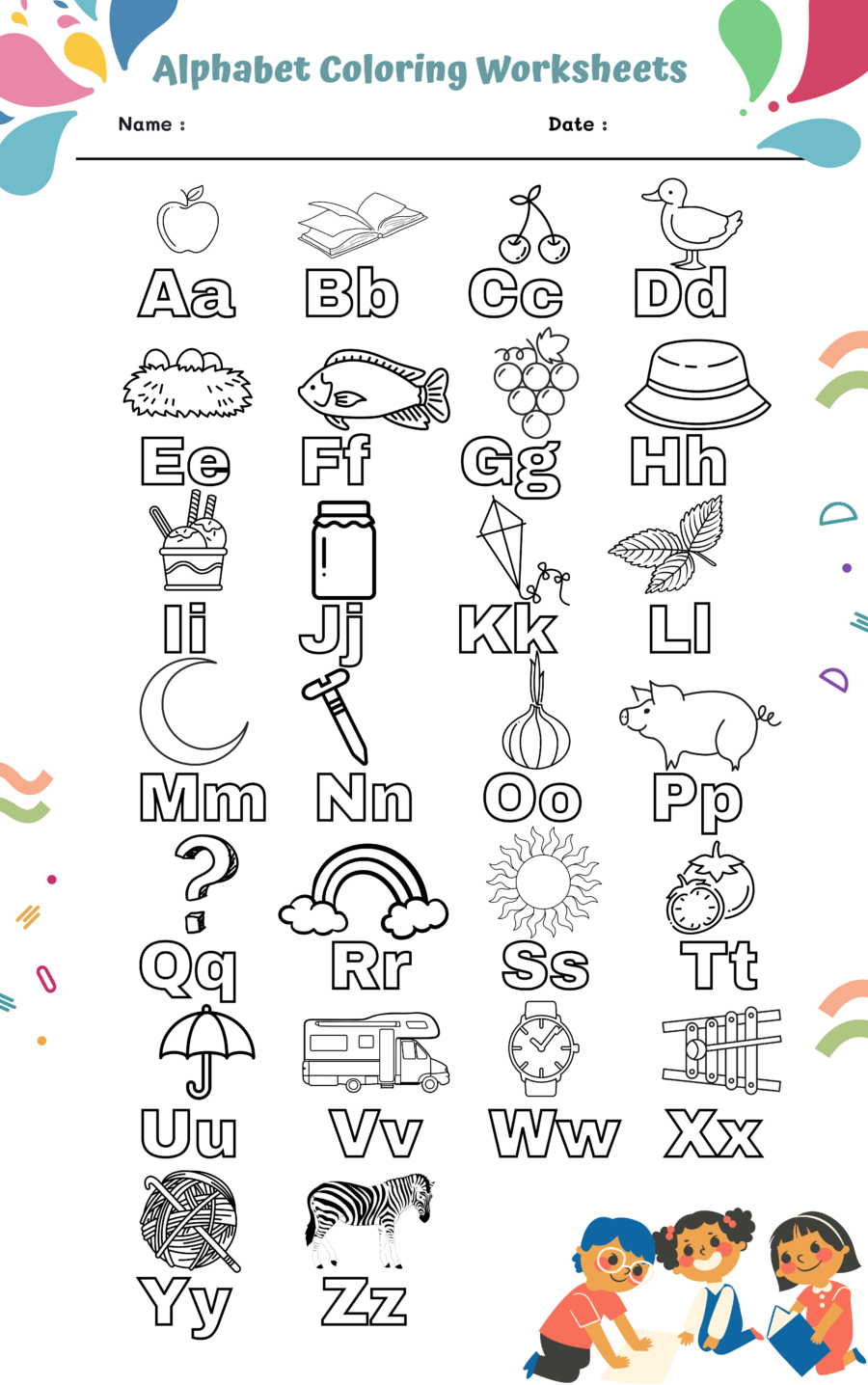
English Alphabets With Pictures For Colouring typically includes each letter of the alphabet alongside relevant images. For instance, the letter “A” might be accompanied by an apple, while “B” features a butterfly. This association helps children remember the letters through visual cues, making learning more effective.
When choosing these resources, look for printable templates that are clear and visually appealing. You want images that are simple enough for young children to color without becoming frustrated. A well-designed template will have bold outlines and enough space for little hands to fill in with crayons or markers.
Age Appropriateness
This resource is particularly suitable for preschool and kindergarten children, typically ages 3 to 6. At this stage, kids are developing their motor skills and cognitive abilities, making it an ideal time to introduce them to the alphabet. Teachers and parents can use these coloring pages as part of a broader curriculum that includes phonics, vocabulary, and basic writing skills.
Using the Coloring Pages in the Classroom
In a classroom setting, these coloring pages can serve multiple purposes. Here are some practical ways to incorporate them into your lesson plans:
- Introduction to Letters: Start with one letter a week. Use the coloring page to introduce the letter and its corresponding image. For example, after coloring the “C” page with a cat, discuss words that start with the letter “C”.
- Group Activities: Print enough copies for all students and allow them to color together. This can foster collaboration and social skills as they share crayons and discuss their work.
- Art Projects: Use the coloring pages as a springboard for art projects. After coloring, students can cut out their letters and images to create a collage or display on a classroom bulletin board.
- Assessment Tool: Once students have colored the pages, you can assess their understanding by asking them to identify the letters and the corresponding images. This also provides a fun way to review before a quiz.
Home Use and Homeschooling
For parents and homeschoolers, English Alphabets With Pictures For Colouring can be a fantastic addition to your teaching toolkit. Here are some ideas for using these resources at home:
- Daily Coloring Routine: Set aside a specific time each day for coloring. This can help establish a routine and make learning feel like a fun activity rather than a chore.
- Family Learning Time: Involve siblings in the activity. Older children can help younger siblings with their coloring, reinforcing their own understanding of the letters while teaching others.
- Creation of a Learning Book: Compile the completed coloring pages into a personalized alphabet book. This not only serves as a keepsake but also as a handy reference for letter recognition.
- Themed Learning Days: Dedicate certain days to specific letters and incorporate themed activities. For instance, on “B” day, you might read books about butterflies and bake banana bread together.
Practical Tips for Printing and Usage
When preparing to use English Alphabets With Pictures For Colouring, consider the following practical tips:
- Paper Choice: Use heavier paper or cardstock if you plan to laminate the pages for durability. This is especially useful in a classroom setting where multiple children will handle the pages.
- Print Settings: Ensure your printer settings are adjusted for best quality. Color prints tend to look better with higher quality settings, which can enhance the visual appeal of the coloring pages.
- Accessibility: If you’re printing in bulk for a classroom, consider using a color printer for the best results. However, black and white prints can also work if you’re using colored pencils or crayons.
- Storage: Keep the coloring pages organized in a binder or folder so that they are easy to access and distribute during lessons.
Enhancing the Coloring Experience
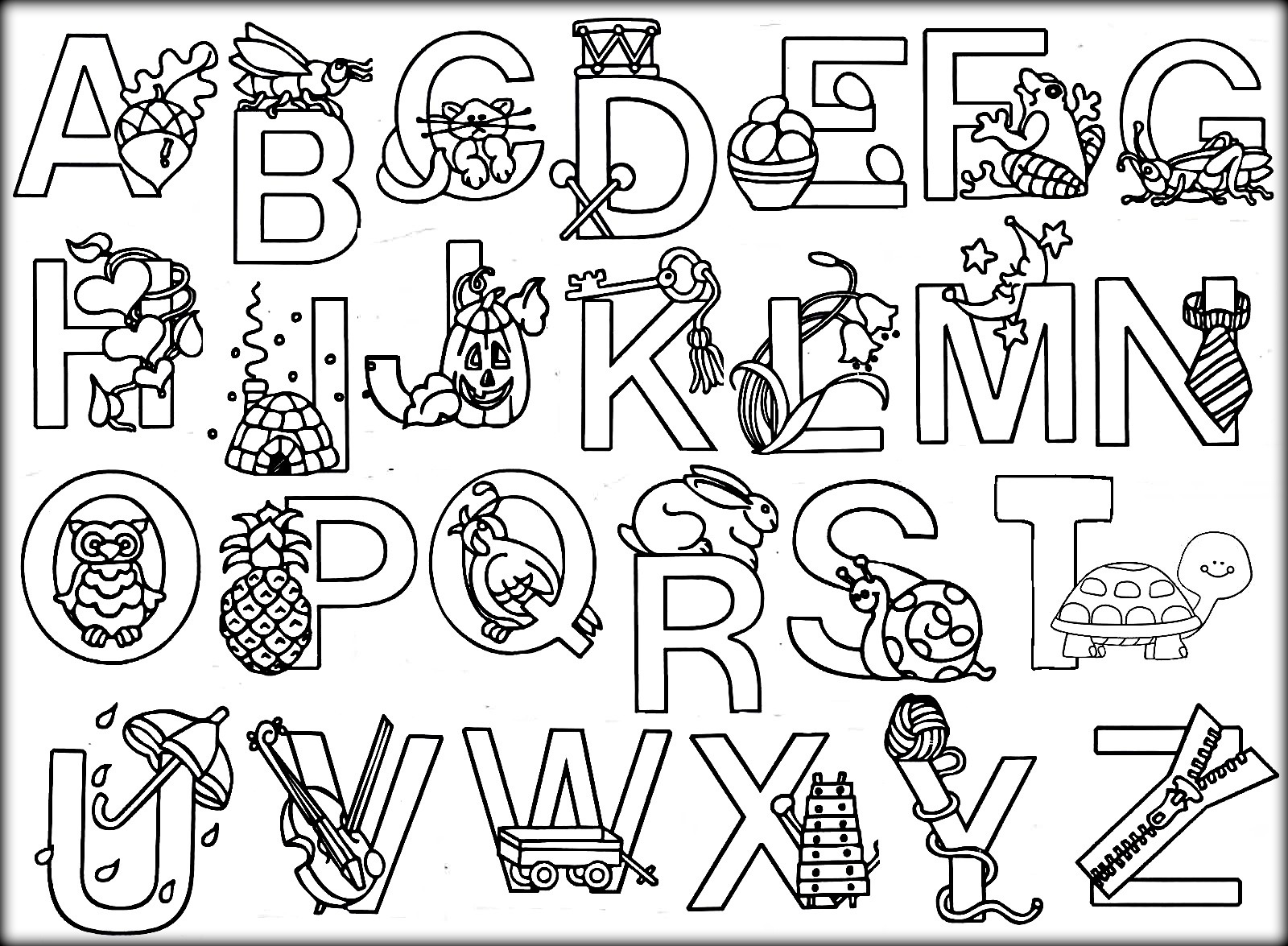
To make the coloring experience even more enriching, you can pair the pages with additional activities. Here are some complementary ideas:
- Story Time: After completing a coloring page, read a short story that includes words starting with that letter. This can help reinforce their understanding and connection to the alphabet.
- Songs and Rhymes: Incorporate songs that emphasize the letters. Singing the alphabet song while pointing to the letters can create a multi-sensory learning experience.
- Interactive Games: Create games where children have to find objects around the house or classroom that start with the letters they are learning. This adds a fun, physical element to the learning process.
- Letter Recognition Activities: Use the colored pages to play games like “I Spy,” where children have to find the letter in different contexts, enhancing their recognition skills.
By using English Alphabets With Pictures For Colouring effectively, you can provide a rich, engaging experience that not only teaches young learners about letters but also fosters creativity and fine motor skills. Whether in a classroom or at home, these resources can be a vital part of early literacy education.