
Teaching young children the English alphabet can be a rewarding yet challenging process. To assist in this important learning journey, English Alphabet Worksheets For Kids can serve as an invaluable resource. These worksheets not only help children recognize letters but also encourage them to develop their writing skills and understand the sounds associated with each letter. A well-structured worksheet can make all the difference, whether you’re teaching in a classroom or at home.
Understanding the Layout of English Alphabet Worksheets
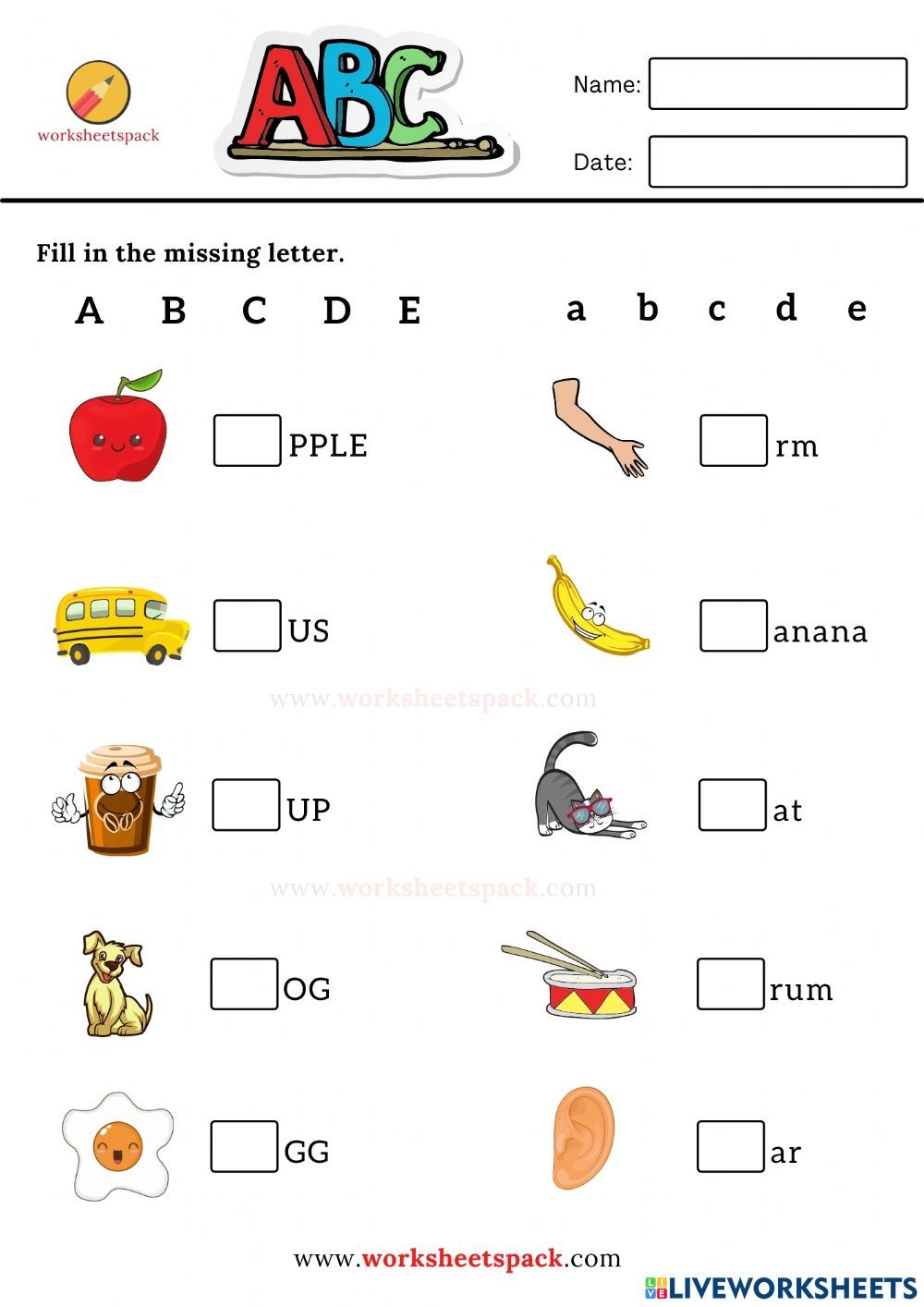
When you first look at English Alphabet Worksheets For Kids, you’ll notice that they typically feature a clean and simple layout. This design is intentional, so young learners aren’t overwhelmed. Most worksheets include individual sections for each letter, often accompanied by images or words that start with that letter. For example, the letter “A” may have an apple illustration, reinforcing both the visual and auditory aspects of the learning process.
Sections to Expect
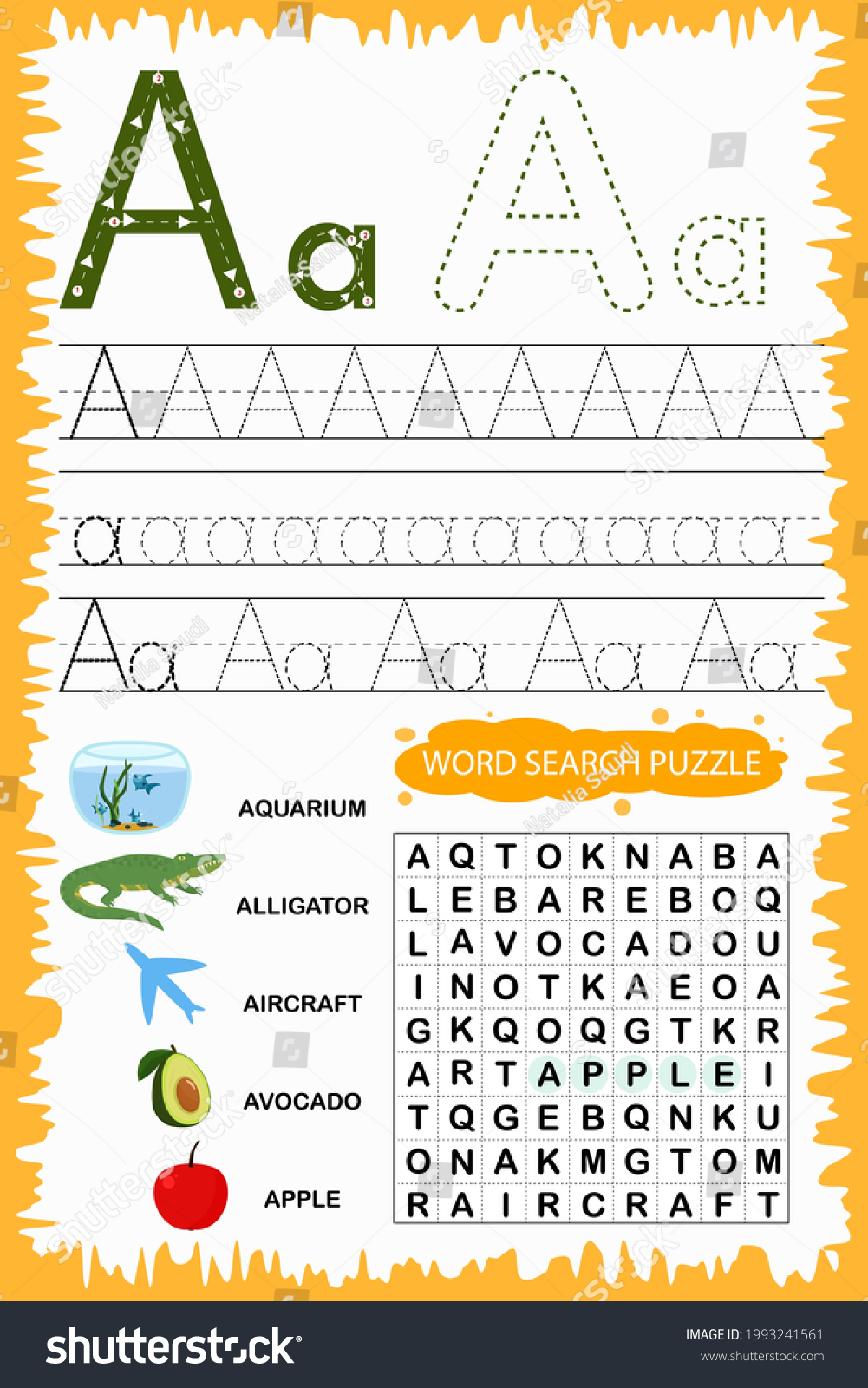
- Letter Recognition: Each worksheet generally starts with a clear display of the uppercase and lowercase version of the letter. This helps children recognize the different forms the letter can take.
- Tracing Activities: Most worksheets include tracing sections where kids can practice writing the letter. This section often features dashed lines that guide children in forming the letters correctly.
- Coloring Sections: Engaging children through coloring is another common feature. These sections may have images that correspond to the letter, encouraging creativity while reinforcing letter recognition.
- Sound Association: Some worksheets include activities that prompt children to think of words that start with the letter. This can be through fill-in-the-blank exercises or matching games.
- Review and Assessment: Many worksheets conclude with a short review section, which might include questions or prompts that test the child’s knowledge of the letter learned.
Practical Uses in the Classroom
When using these worksheets in the classroom, consider printing in bulk to accommodate all students. Standard letter-sized paper (8.5 x 11 inches) works best for most printers. Using a portrait layout is advisable, as it typically fits well in folders and binders, making organization easier for both teachers and students.
Grading and Feedback
After students complete the worksheets, providing constructive feedback is crucial. You might spend a few minutes per student, focusing on their letter formation and sound recognition. An answer key can be very helpful here, allowing you to quickly assess their understanding without getting bogged down in grading.
If you’re looking for a more interactive approach, group activities can also be beneficial. For instance, you can pair students and have them quiz each other on the letters or words that begin with those letters. This not only reinforces their learning but also encourages social interaction.
At-Home Learning and Homeschooling
For parents homeschooling their children, English Alphabet Worksheets For Kids can be a fantastic tool for structured learning. You can easily download and print these worksheets, making them readily available whenever needed.
Creating a Routine
Establishing a routine around these worksheets can help your child develop consistency in learning. For example, dedicating 15-20 minutes each day to alphabet practice can lead to significant progress over time. Mixing in different types of worksheets keeps the learning experience fresh and engaging.
Customizing for Your Child
Every child learns differently, so feel free to customize the worksheets to suit your child’s needs. If your child struggles with writing, focus more on the tracing activities. If they thrive with visual aids, emphasize the coloring sections. Tailoring the worksheets to your child’s learning style can enhance their engagement and retention.
Where to Find Quality Worksheets
There are numerous resources online where you can find high-quality English Alphabet Worksheets For Kids. Some websites offer free downloads, while others may require a small fee. When searching, look for worksheets that are visually appealing and age-appropriate, typically aimed at preschool to early elementary school students.
Printable Formats
Make sure the worksheets are available in PDF format. This ensures that the layout remains intact when printed, avoiding any issues with reformatting that can occur with image files. Additionally, PDFs are often easier to download and print.
Enhancing Learning With Supplementary Materials
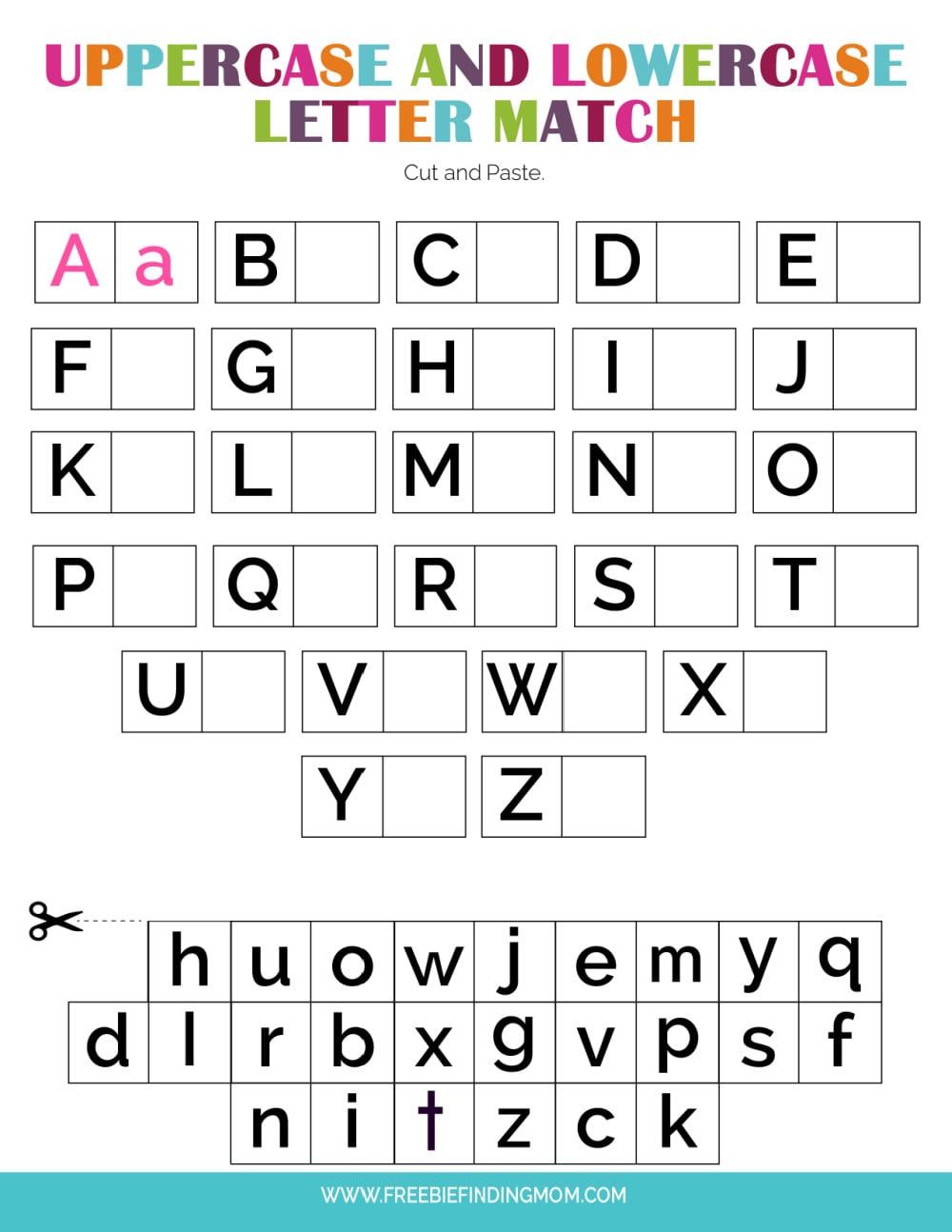
While worksheets are fantastic for practicing letter recognition and writing, consider integrating supplementary materials to enhance the learning experience. For example, alphabet flashcards can be a great way to reinforce what your child learns through the worksheets. You might also incorporate songs or videos that teach the alphabet, creating a multi-sensory learning environment.
Interactive Learning Apps
If you’re open to digital resources, various educational apps focus on letter recognition and phonics. These can complement the worksheets and provide a fun way for kids to learn. Many of these apps include games and quizzes that keep learning exciting and engaging.