
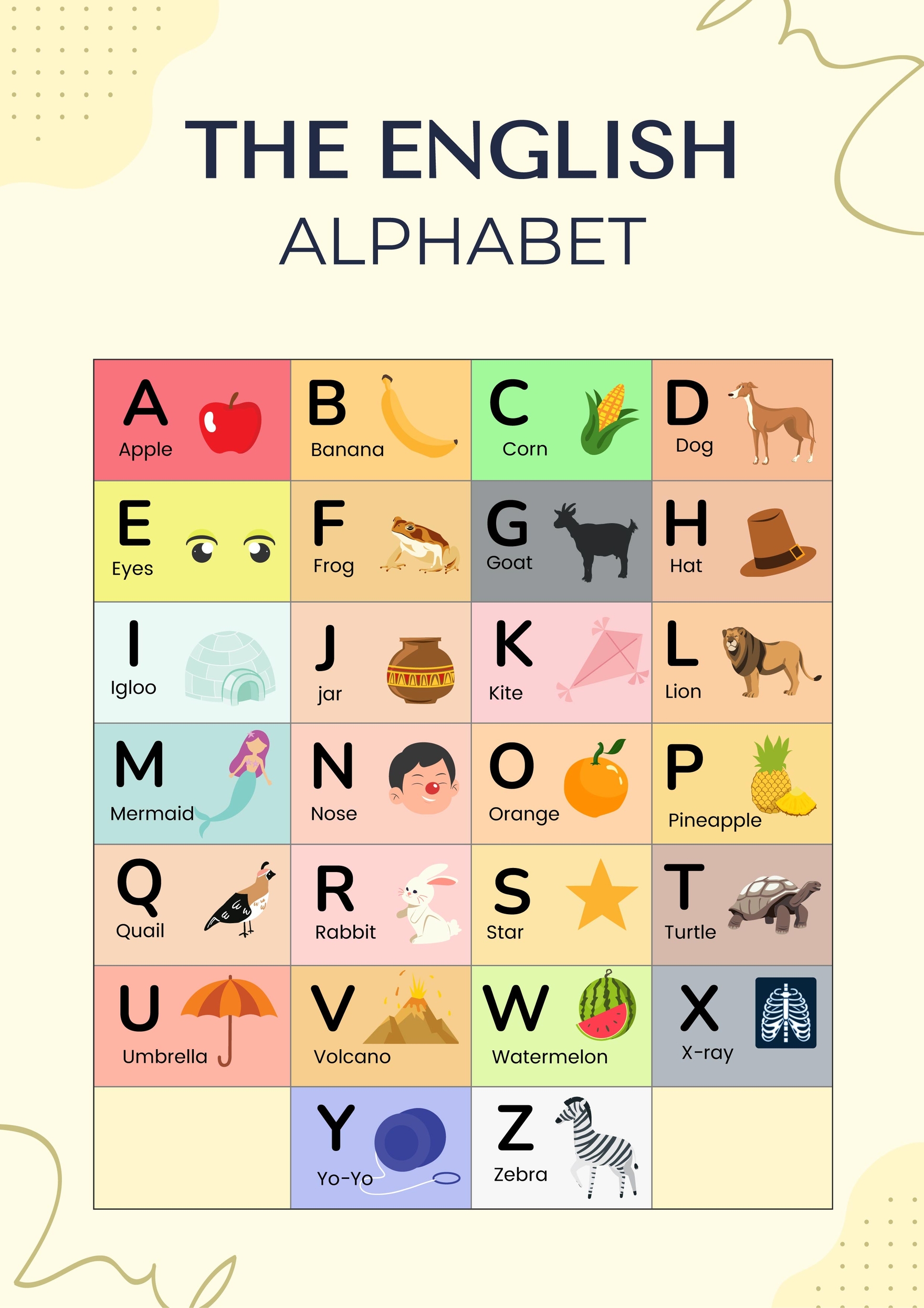
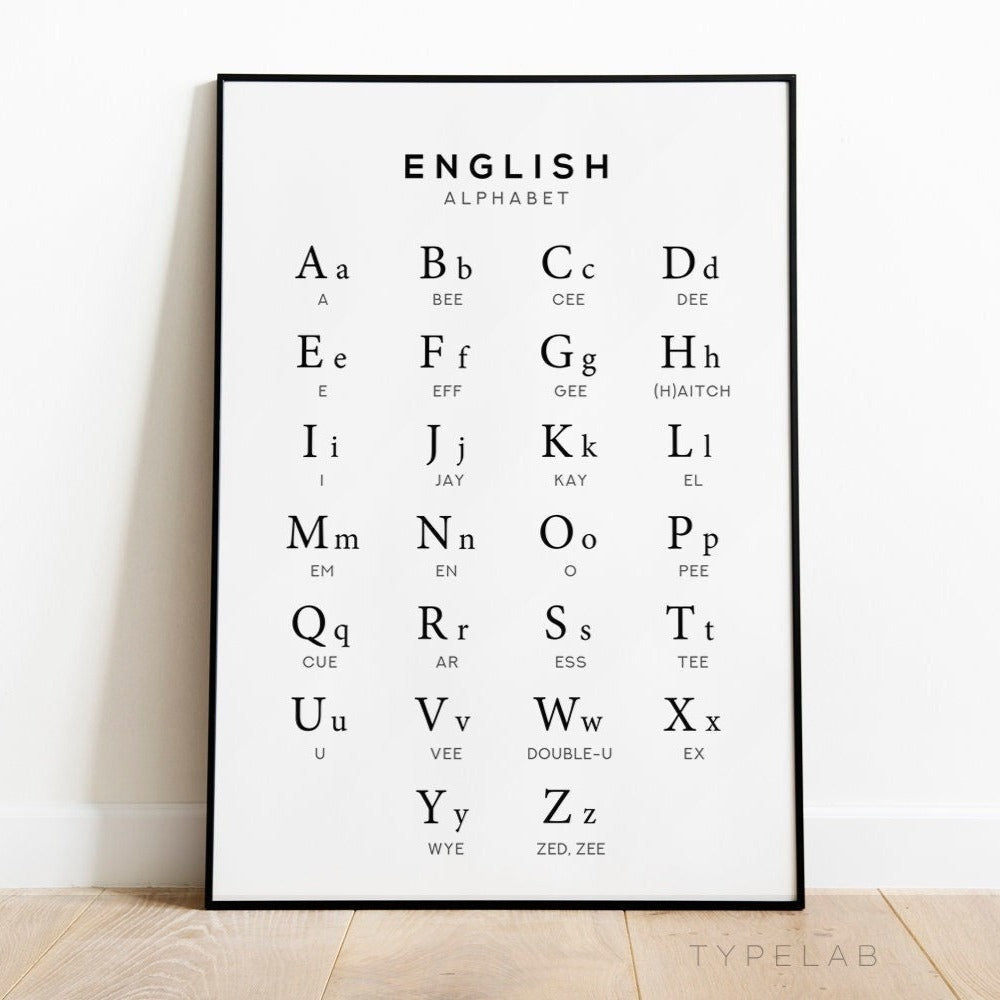
Learning the English alphabet is a foundational skill for young children, and using visual aids can enhance this process significantly. That’s where the English Alphabet With Pictures Printable comes into play. This resource not only provides a clear representation of each letter but also pairs it with corresponding images, making it easier for children to remember the letters and their sounds.
Benefits of Using Alphabet Printables
Using printables in the classroom or at home has numerous advantages. First, they are visually engaging, which helps capture children’s attention. When kids see a letter alongside an image, such as “A” for “apple,” it creates a mental connection that aids memorization. This is especially useful for visual learners who thrive on seeing rather than just hearing information.
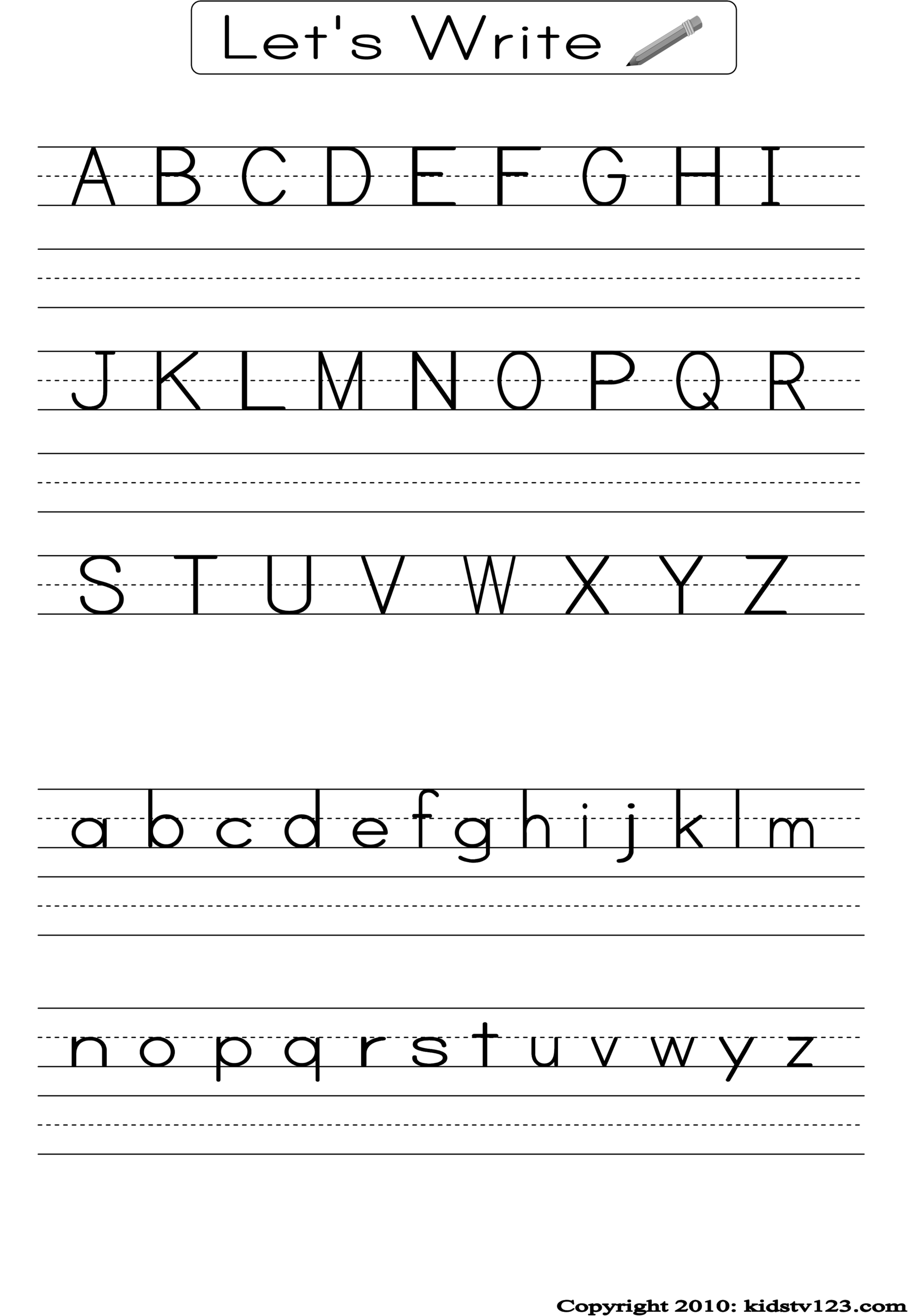
Moreover, printables are versatile. They can be used for various activities, including tracing, coloring, or even as flashcards. You can print them in bulk for a classroom setting or use them individually at home for homeschooling. This adaptability makes them a practical tool for diverse learning environments.
Choosing the Right Printable Format
When selecting an English Alphabet With Pictures Printable, consider the format that best suits your needs. Most resources are available in PDF format, which tends to be the most user-friendly. PDFs maintain the correct formatting across different devices and printers, ensuring that the images and letters appear as intended.
You may also find printables in image formats like JPEG or PNG. While these can work, they sometimes lead to issues with reformatting and resizing, which can affect the quality of the printed materials. If you plan to laminate the sheets for durability, using cardstock paper is advisable, as it holds up better than standard printer paper.
Age Appropriateness and Skill Level
The English Alphabet With Pictures Printable is suitable for preschool to early elementary students, typically ages 3-7. During these years, children are developing their phonetic awareness and beginning to connect letters with sounds. This resource supports that development by providing clear images that reinforce letter recognition.
For preschoolers, the focus can be on simple recognition and associating letters with familiar objects. In contrast, early elementary students can use these printables for more advanced activities, such as spelling simple words or even beginning to write sentences. Tailoring the use of these printables to the child’s development level can enhance their learning experience.
Practical Classroom Applications
Implementing English Alphabet With Pictures Printables in a classroom setting can be straightforward. Here are some practical applications:
- Letter of the Day: Introduce a new letter each day, displaying the corresponding printable on a bulletin board. This keeps the letter visible, reinforcing recognition.
- Interactive Activities: Use the printables for interactive games. For example, you can create a matching game where students must match letters to their corresponding pictures.
- Art Projects: Incorporate the printables into art activities. Children can color the images and decorate them, which can be a fun way to learn while being creative.
- Group Work: Print multiple copies for small group activities. Students can work together to identify letters and sounds, fostering collaboration and communication.
Printing Tips for Bulk Use
When you’re preparing these printables for a classroom full of students, printing in bulk can save you time and ensure every child has access to the same materials. Here are some tips to streamline the process:
- Check Printer Settings: Adjust your printer settings for high-quality output. Using the “Best” setting will ensure the images are clear and vibrant.
- Paper Size: Standard letter size (8.5 x 11 inches) is most common, but if your printer supports it, consider using A3 for larger visuals that can be viewed from a distance.
- Print a Test Page: Before printing multiple copies, print a single test page. This helps you verify that everything appears as intended and allows you to make any necessary adjustments.
- Consider Lamination: If you’re using these printables frequently, consider laminating them for durability. This allows them to withstand wear and tear, especially in a busy classroom setting.
Incorporating Technology
Today, you might also consider incorporating technology alongside your printables. There are various educational apps and websites that complement learning the alphabet. For example, you can use interactive games that focus on letter sounds and recognition, providing a multi-faceted approach to learning.
Additionally, you can create digital versions of your printables. Using software to design alphabet cards that can be shared electronically can be beneficial for remote learners or parents who want to print at home.
Adopting a blended approach by combining printables with technology can cater to different learning styles and keep children engaged.