
Using an English Alphabet For Kids Printable can significantly enhance the learning experience for young learners. These resources are designed to help children grasp the letters of the alphabet through engaging activities. By incorporating printable worksheets, coloring pages, and other downloadable materials, teachers and parents can create an interactive and enjoyable learning environment.
Understanding the Importance of Alphabet Recognition
Alphabet recognition is a foundational skill for early literacy. Children typically begin learning the alphabet between the ages of 3 and 5. Mastering this skill is crucial as it sets the stage for reading and writing. Printable resources can make the learning process fun and effective, allowing children to practice at their own pace.
Types of Printables for Learning the Alphabet
When selecting printables, it’s essential to choose materials that cater to different learning styles. Here are some effective types of printables you can find:
Worksheets
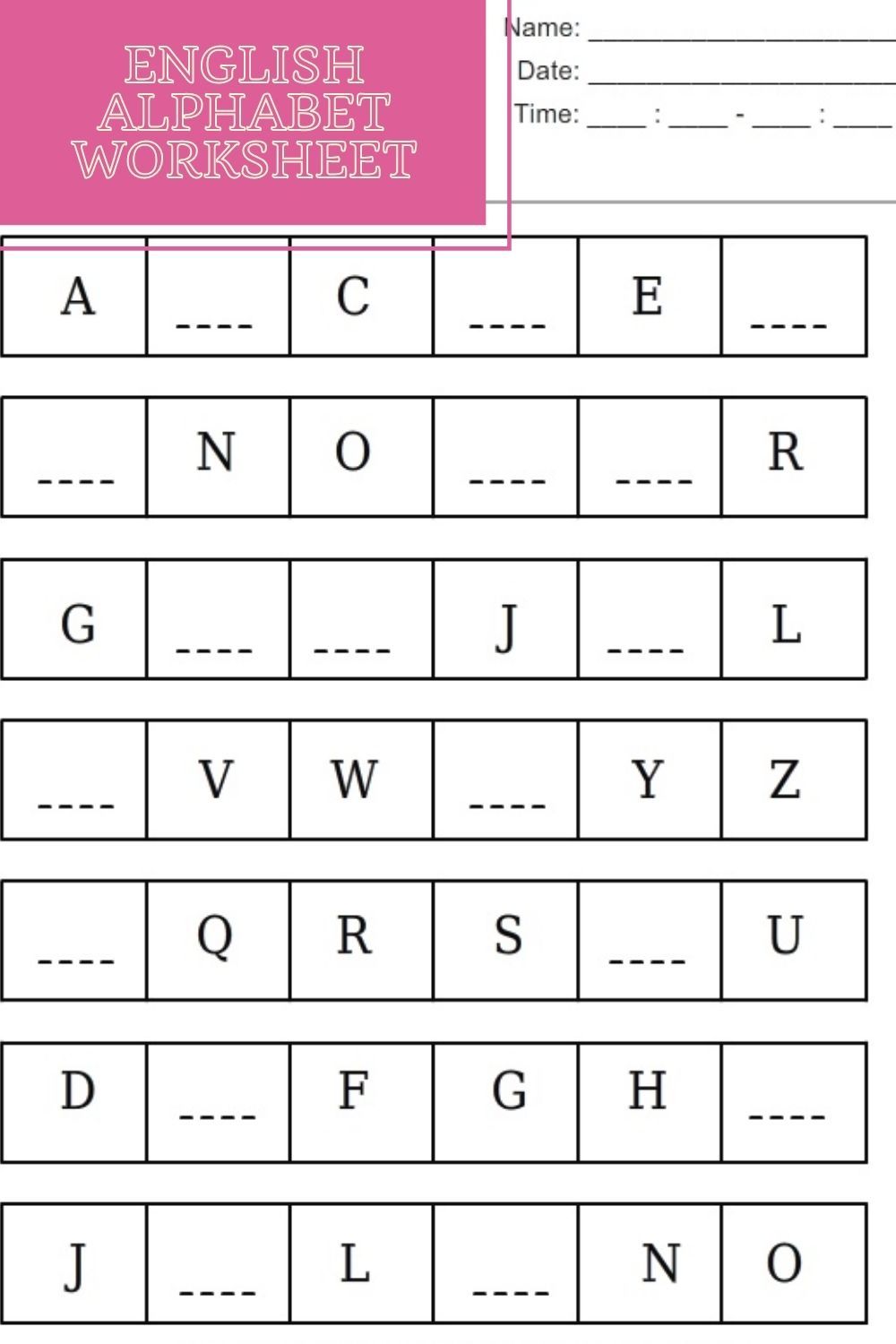
Worksheets are a staple in alphabet learning. They often include tracing, matching, and fill-in-the-blank activities. These exercises help children familiarize themselves with both uppercase and lowercase letters. Look for worksheets that include engaging visuals to maintain student interest.
Coloring Pages
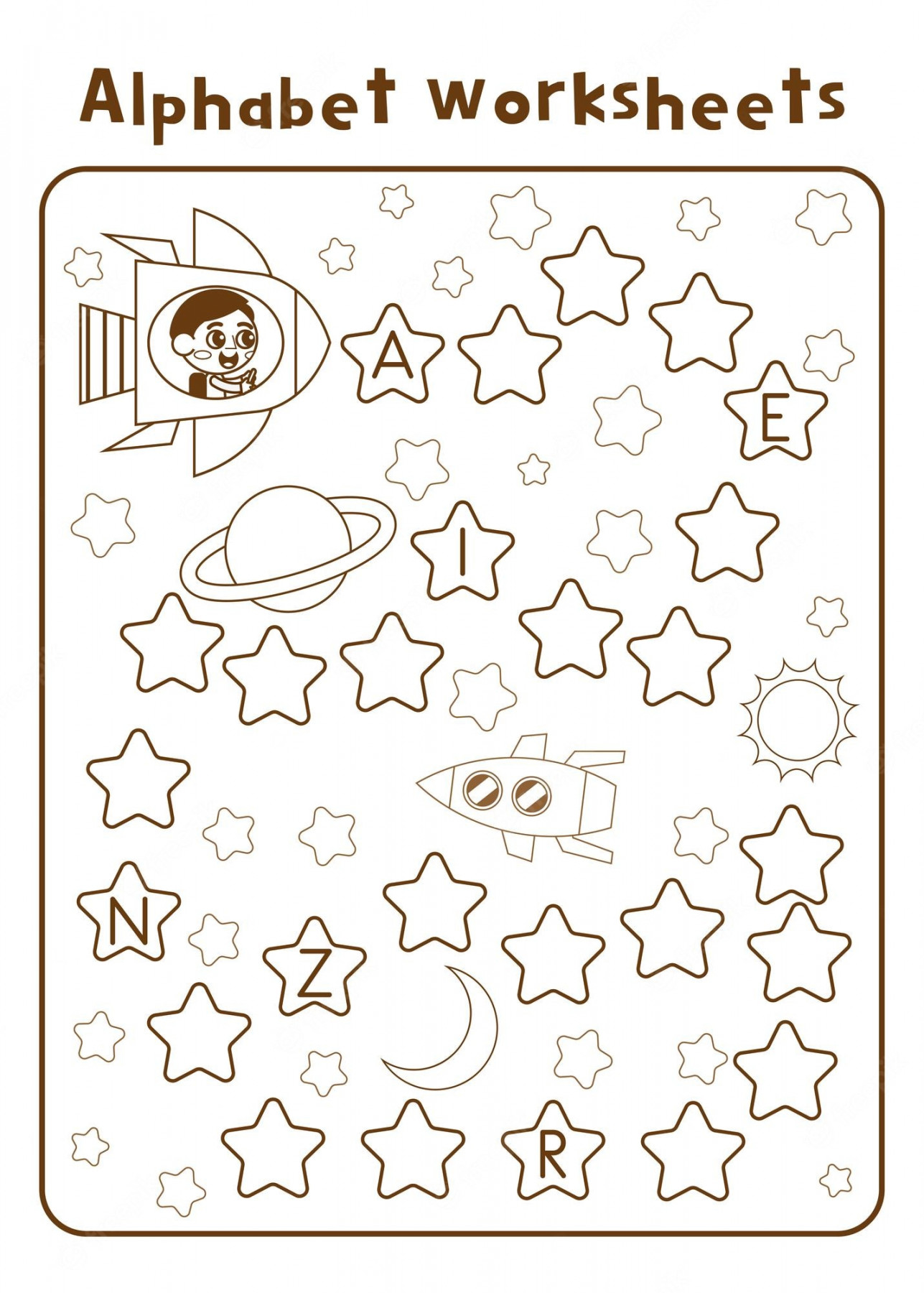
Coloring pages featuring letters of the alphabet can be a fun way for kids to learn. Children can color in each letter while simultaneously learning to recognize its shape and sound. This multi-sensory approach reinforces learning and keeps a child’s attention.
Flashcards
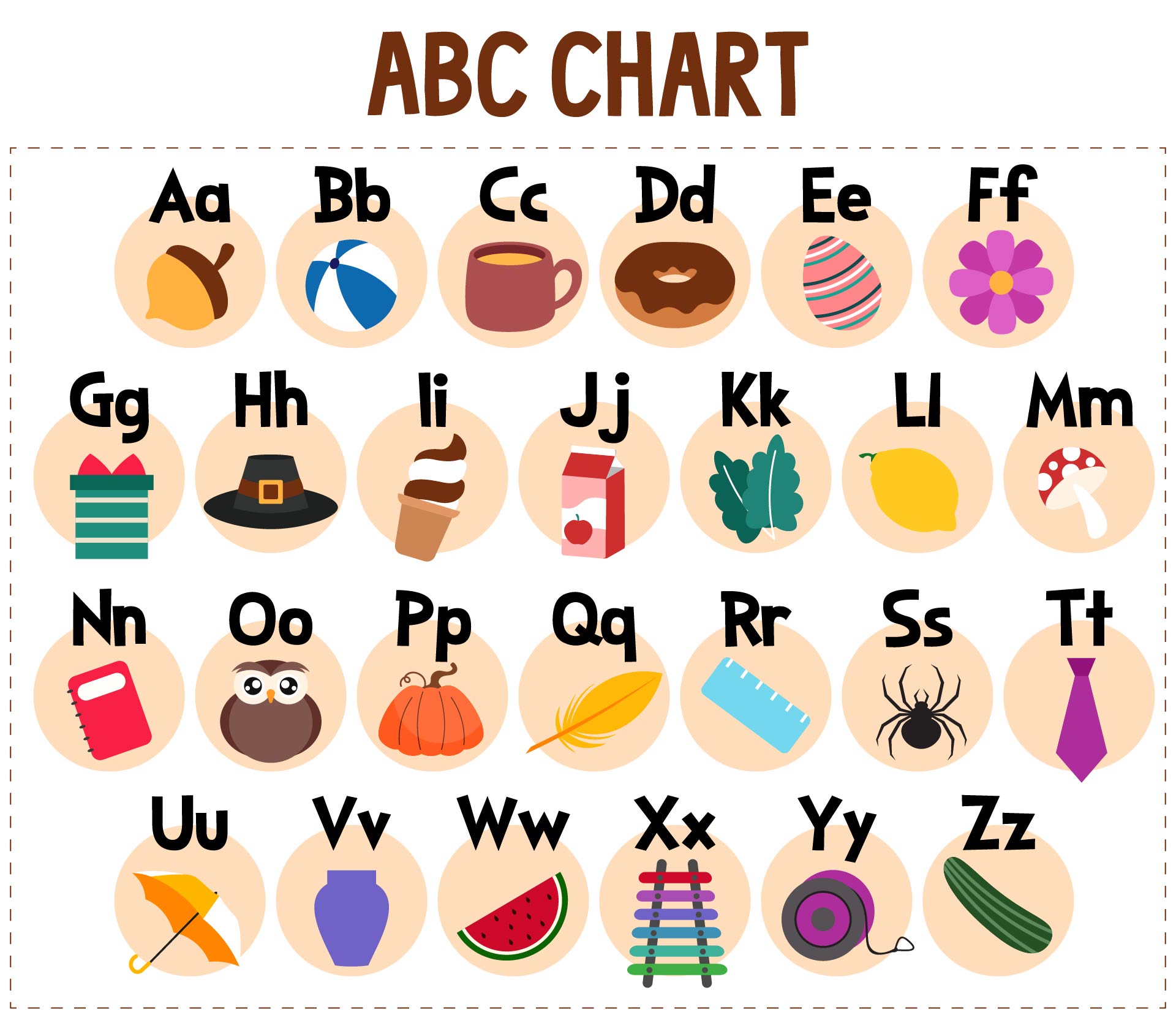
Flashcards are a quick and effective way to reinforce letter recognition. They can be used in various games to make learning interactive. You can find flashcards that feature letters alongside images of objects that start with each letter, enhancing vocabulary as well.
Letter Crafts
Crafts can transform the learning process into a hands-on activity. Providing templates for letter crafts allows children to create their own letters using materials like paper, scissors, and glue. This tactile experience can help solidify their understanding of each letter.
Interactive Activities
Look for printables that include interactive elements, such as puzzles or games. These resources can encourage cooperative learning and can be used in group settings, making them ideal for classrooms or playgroups.
How to Use Printables Effectively
Utilizing printables effectively in the classroom or at home requires some planning. Here are some tips:
Set Clear Objectives
Before introducing printables, determine what you want your child to achieve with each resource. Whether it’s improving letter recognition or enhancing fine motor skills, having a clear goal will guide your activities.
Create a Routine
Incorporate printables into a daily learning routine. Consistency helps reinforce skills, making it easier for children to retain what they learn. For instance, setting aside a specific time each day for alphabet practice can establish a productive habit.
Mix and Match Resources
Don’t hesitate to combine different types of printables. For example, you might start with a worksheet, follow it with a coloring page, and conclude with a flashcard game. This variety keeps children engaged and reinforces learning through different activities.
Encourage Independent Practice
While it’s essential to supervise younger children, encouraging independent practice can boost their confidence. Choose printables that allow kids to work on their own, fostering a sense of accomplishment when they complete an activity.
Monitor Progress
Tracking progress is vital to understanding how well a child is learning the alphabet. Keep completed worksheets and activities in a portfolio to review periodically. This can help identify areas that may need additional focus.
Where to Find English Alphabet For Kids Printable Resources
Several websites offer high-quality printable resources for teaching the alphabet. Here are a few places you can explore:
- Educational websites that specialize in early childhood education often have downloadable resources.
- Teacher resource blogs frequently share free printables created by educators.
- Online marketplaces for educational materials may offer unique printables that cater to specific needs.
Always ensure that the resources are appropriate for your child’s age and skill level. Look for materials that match your teaching style and educational goals.
Benefits of Using Printables for Alphabet Learning
Using printables has several advantages that make them a popular choice among educators and parents alike:
Engaging Format
Printables often incorporate colorful designs and fun themes that attract children’s attention. This engagement can lead to a more enjoyable learning experience.
Flexibility
With printable resources, you can easily adjust the difficulty level based on your child’s progress. You can choose simple worksheets for beginners or more challenging activities for advanced learners.
Cost-Effective
Many printable resources are available for free or at a low cost. This accessibility allows you to create a diverse range of learning experiences without breaking the bank.
Easy to Use
Printables are straightforward to implement. After downloading and printing, they’re ready to use immediately. This convenience is especially beneficial for busy teachers and parents.
Tips for Preparing Printables
When preparing your English Alphabet For Kids Printable resources, consider the following:
Paper Quality
For durability, use cardstock or high-quality paper, especially for activities that will be handled frequently. This prevents wear and tear, ensuring that your printables last longer.
Printer Settings
Adjust your printer settings to ensure high-quality prints. Using the correct color settings can bring out the vibrant colors in your printables, making them more appealing to children.
Lamination Options
If you plan to reuse certain printables, consider laminating them. This not only protects the materials but also allows for dry-erase markers to be used for interactive activities.
Organize Resources
Create a dedicated space to store your printables. A binder or folder can help keep them organized and accessible, making it easy to find the right resources when needed.