
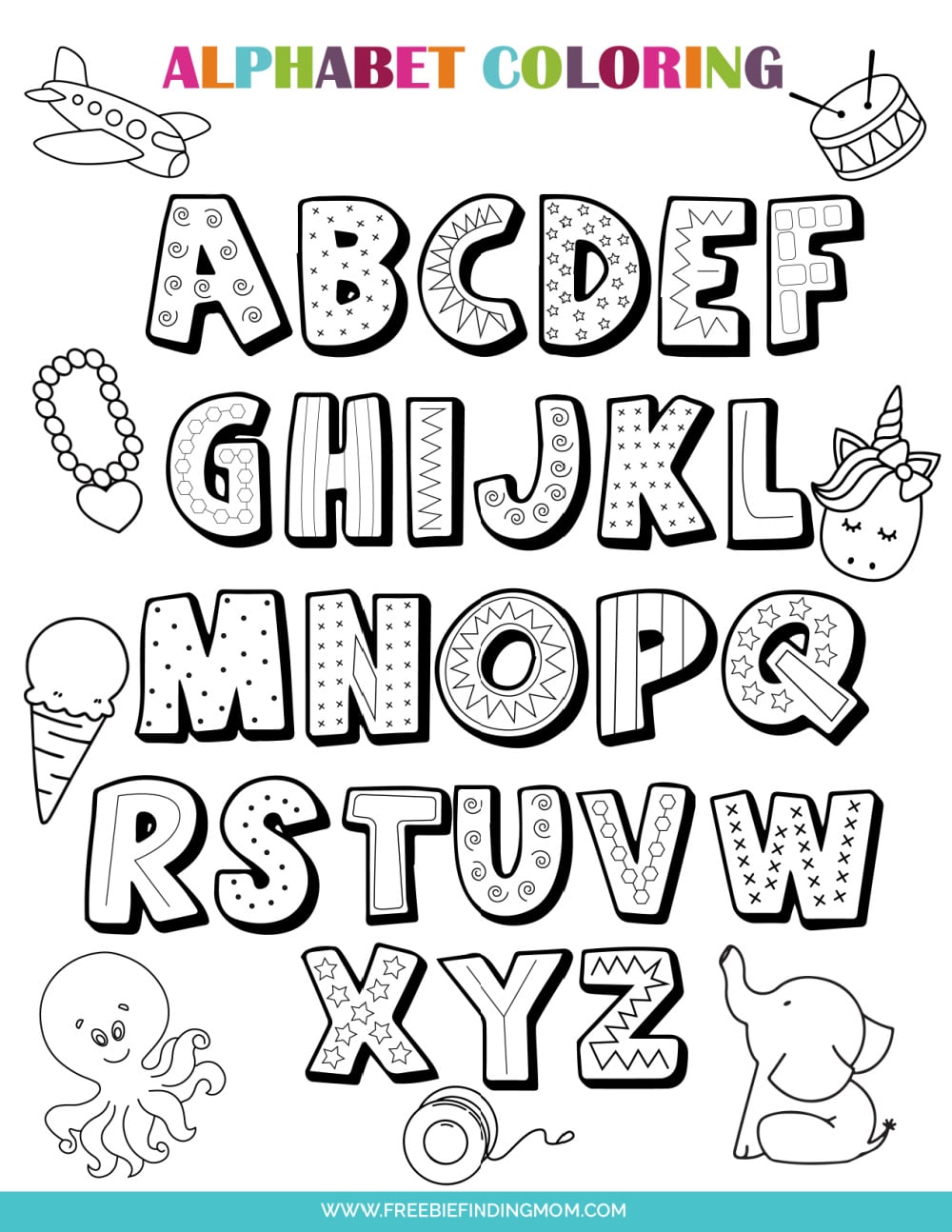
When Ava sat down at her kitchen table, she was excited about the new coloring activity her mom had printed for her. The bright letters filled with easy patterns for coloring in letters were perfect for a lazy afternoon. With a set of colored pencils at her side, she was ready to transform those letters into vibrant works of art. This simple activity not only kept her entertained but also helped her develop fine motor skills and creativity. For teachers and parents looking to incorporate similar activities, easy patterns for coloring in letters can be a fantastic resource.
Understanding the Value of Coloring Activities
Coloring is more than just a fun pastime; it serves a fundamental role in a child’s development. Engaging in coloring activities helps improve hand-eye coordination, enhances focus, and fosters creativity. Using templates with letters and patterns can guide children in learning the alphabet and developing their writing skills. Incorporating these easy patterns into everyday activities can make learning enjoyable and effective.
Benefits of Using Printable Letter Coloring Pages
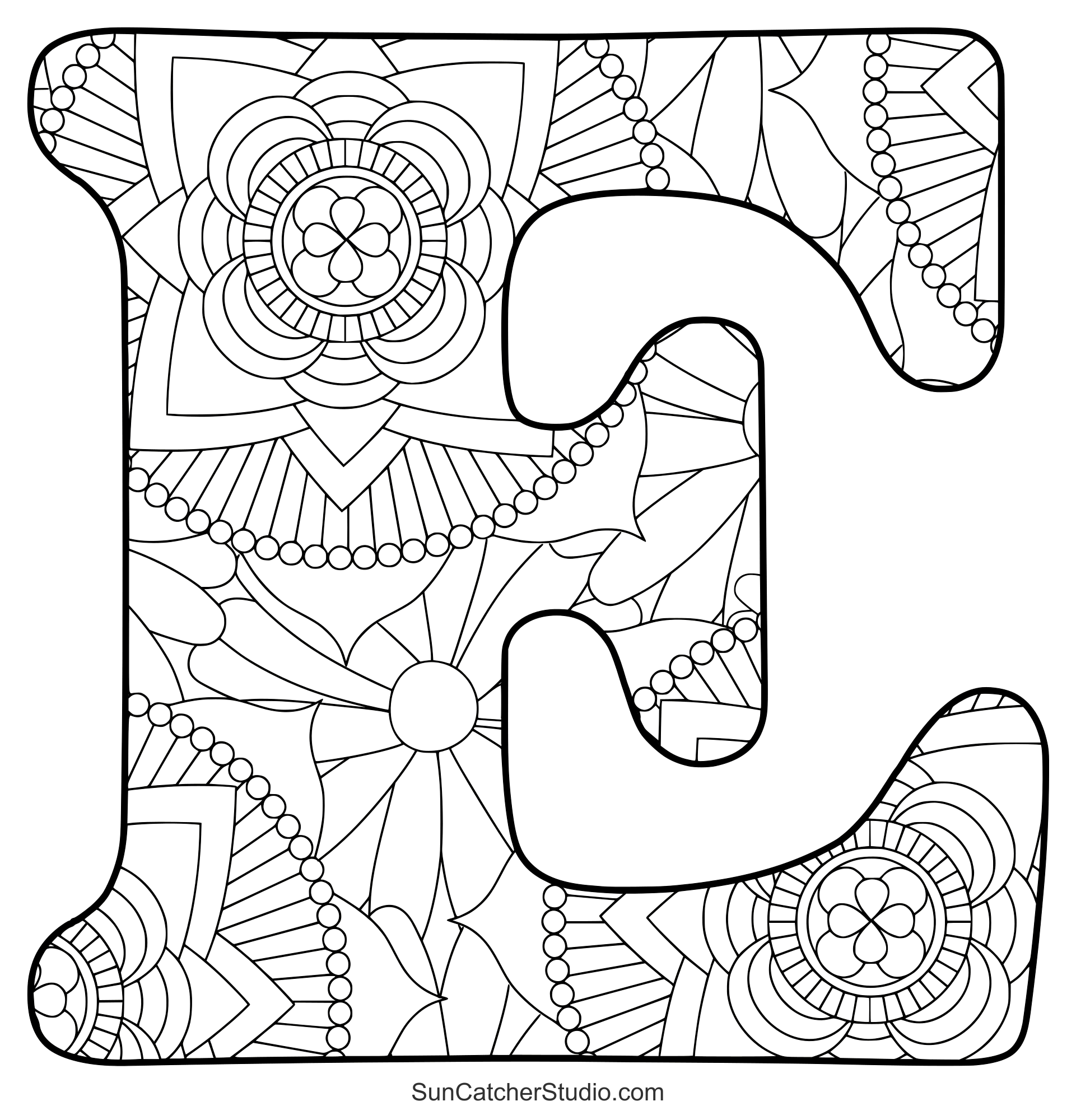
Printable letter coloring pages offer several advantages that can be beneficial in both classroom and home settings:
- Accessibility: These resources can be easily downloaded and printed, allowing for immediate use without the need for complicated setup or materials.
- Flexibility: They can fit into any daily routine, whether it’s a short afternoon activity or a part of a longer lesson plan.
- Variety: Different patterns can cater to various skill levels, ensuring that children of all ages can participate.
Choosing the Right Patterns for Different Ages
When selecting coloring pages, the age and skill level of the child should guide your choices. For younger children (ages 3-5), simple patterns with larger spaces to color are ideal. These can include basic shapes and bold letters that are easy to fill in.
As children grow (ages 6-8), they can handle more intricate designs. Patterns that include smaller sections and additional details can challenge their dexterity and patience. Consider using more complex letters embellished with themes, like animals or nature, to keep them engaged.
For older children (ages 9 and up), you might introduce patterns that encourage creative thinking, such as mandalas or abstract designs integrated into letter forms. This not only enhances their coloring skills but also encourages artistic expression.
Incorporating Coloring Into Learning Activities
Integrating coloring activities into learning can be seamless and rewarding. Here are some strategies that can be utilized in both classrooms and homeschooling environments:
- Alphabet Recognition: Use coloring pages that feature letters alongside corresponding images (e.g., A for Apple). As children color, they can say the letter and the word, reinforcing their learning.
- Creative Writing Prompts: After completing a coloring page, children can write a short story or a few sentences about the letter or the patterns they colored. This combines creativity with language skills.
- Artistic Expression: Encourage children to not only color within the lines but to add their own patterns and designs within the letters, fostering creativity and individuality.
Practical Tips for Printing and Using Coloring Pages
When preparing to print these resources, keep the following tips in mind to ensure the best results:
- Paper Type: Use thicker paper, like cardstock, for coloring pages to prevent bleed-through from markers or heavy coloring. This also makes it easier to display finished artwork.
- Printer Settings: Set your printer to the best quality to ensure sharp, clear images. If using color, ensure that the colors are vibrant by selecting the appropriate settings.
- Size Considerations: Standard letter size (8.5 x 11 inches) usually works well for most home printers. If you need larger pages, consider adjusting the print settings to scale the images appropriately.
Engaging With Children During Coloring Time
Coloring can be a wonderful opportunity for interaction and bonding. Here are some ways to enhance the experience:
- Color Together: Sit down with children and color alongside them. This not only fosters a sense of companionship but also allows for conversations about colors, shapes, and letters.
- Praise and Encourage: Offer positive reinforcement for efforts and creativity. Comment on their color choices and encourage experimentation with different patterns or styles.
- Create a Gallery: Once the coloring pages are complete, display them in a designated area at home or in the classroom. This adds value to their work and encourages pride in their accomplishments.
Finding the Right Resources
For those seeking easy patterns for coloring in letters, several online platforms offer a variety of printable options. Look for sites that provide:
- Quality Designs: Ensure the patterns are engaging and suitable for the age group you are targeting.
- Download Formats: PDF formats are preferred as they maintain the design integrity and are easy to print.
- Free and Paid Options: While many resources are free, some may offer premium designs that provide additional value through unique patterns or themes.
By carefully selecting resources, you can create a rich learning environment that incorporates fun and education seamlessly.
As you prepare to use easy patterns for coloring in letters, remember that the goal is to encourage creativity and learning simultaneously. By integrating these activities into daily routines, you can help foster a love for art and learning in young children. Consider setting aside a specific time each week for coloring activities to create a consistent and enjoyable experience.