
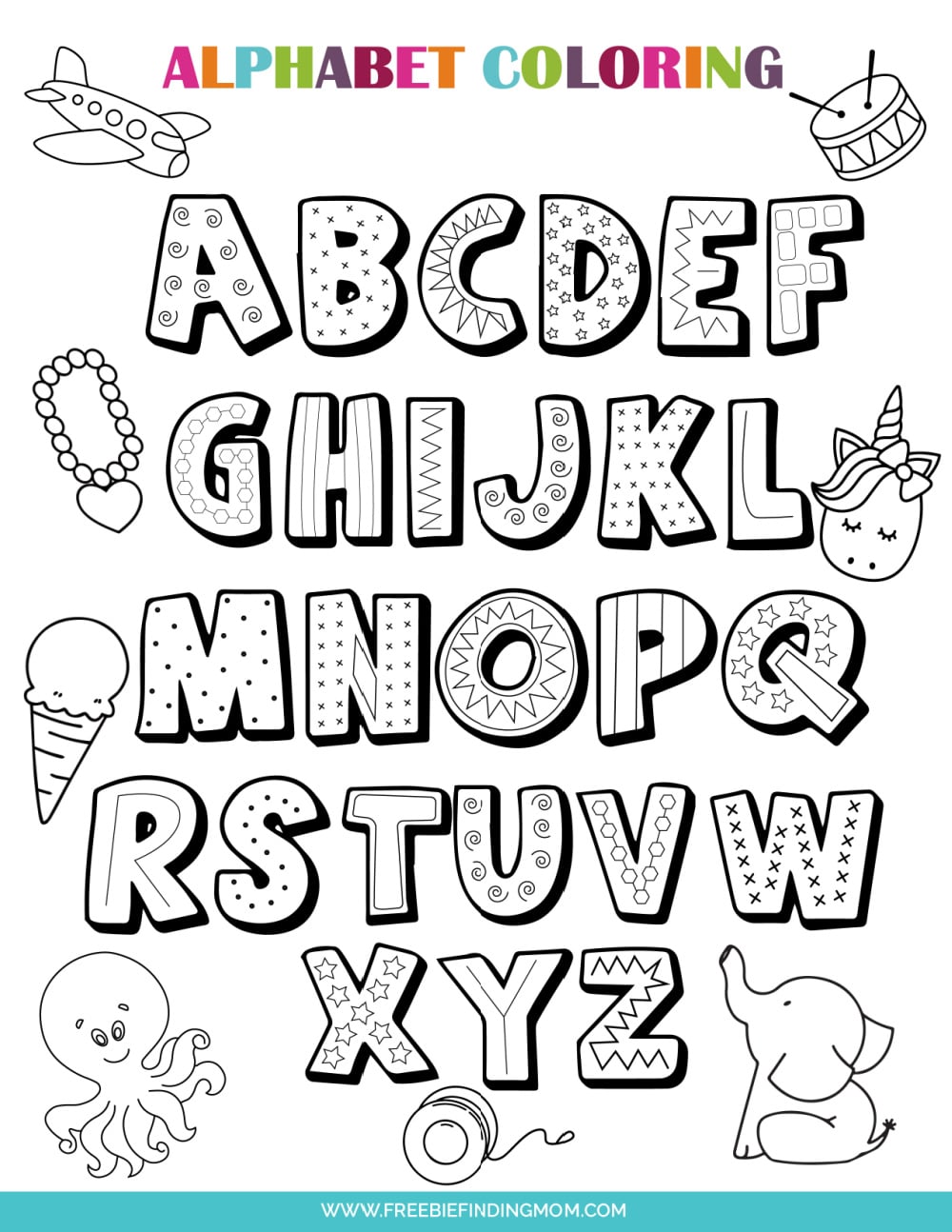
Creating an engaging learning environment is essential for teachers and caregivers. One effective tool for fostering creativity and reinforcing letter recognition is through the use of Designs To Color In Letters. These printable resources not only make learning fun but also help children develop fine motor skills, color recognition, and artistic expression. If you’re looking for a way to integrate this activity into your teaching or homeschooling routine, here’s how you can effectively utilize these designs.
Understanding the Benefits of Coloring Letters
Coloring is more than just a fun pastime; it plays a critical role in childhood development. When children color, they engage in several cognitive processes, including:
- Fine Motor Skill Development: Holding crayons or markers helps children strengthen their hand muscles and improve coordination.
- Color Recognition: As they choose colors, kids learn to identify and name different hues.
- Creativity and Imagination: Designing their own colors for letters encourages kids to think creatively and express themselves.
By incorporating Designs To Color In Letters into your activities, you create an opportunity for children to explore these skills in a structured yet enjoyable way.
Choosing the Right Designs
When selecting designs, consider the age and skill level of your students. Here are some tips for choosing effective coloring designs:
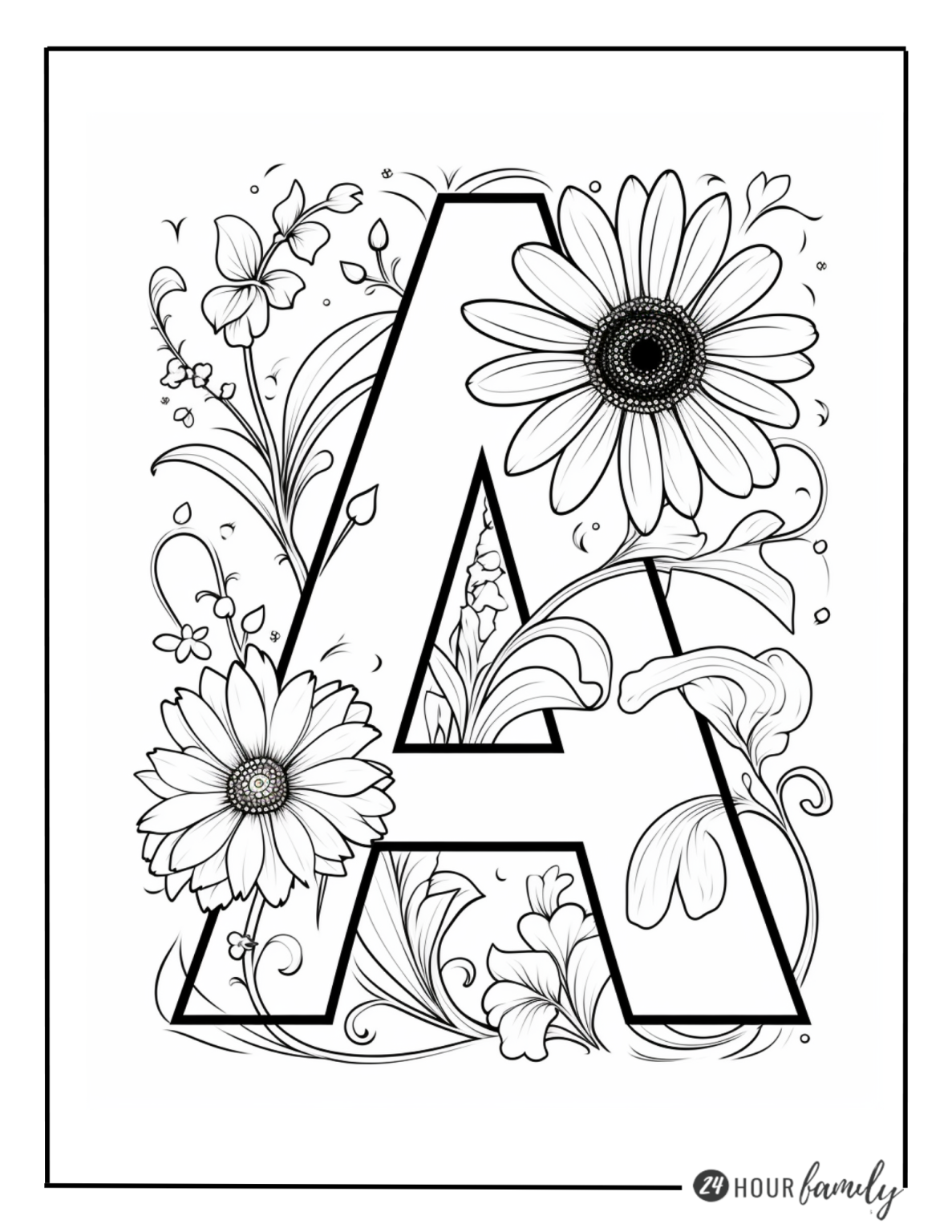
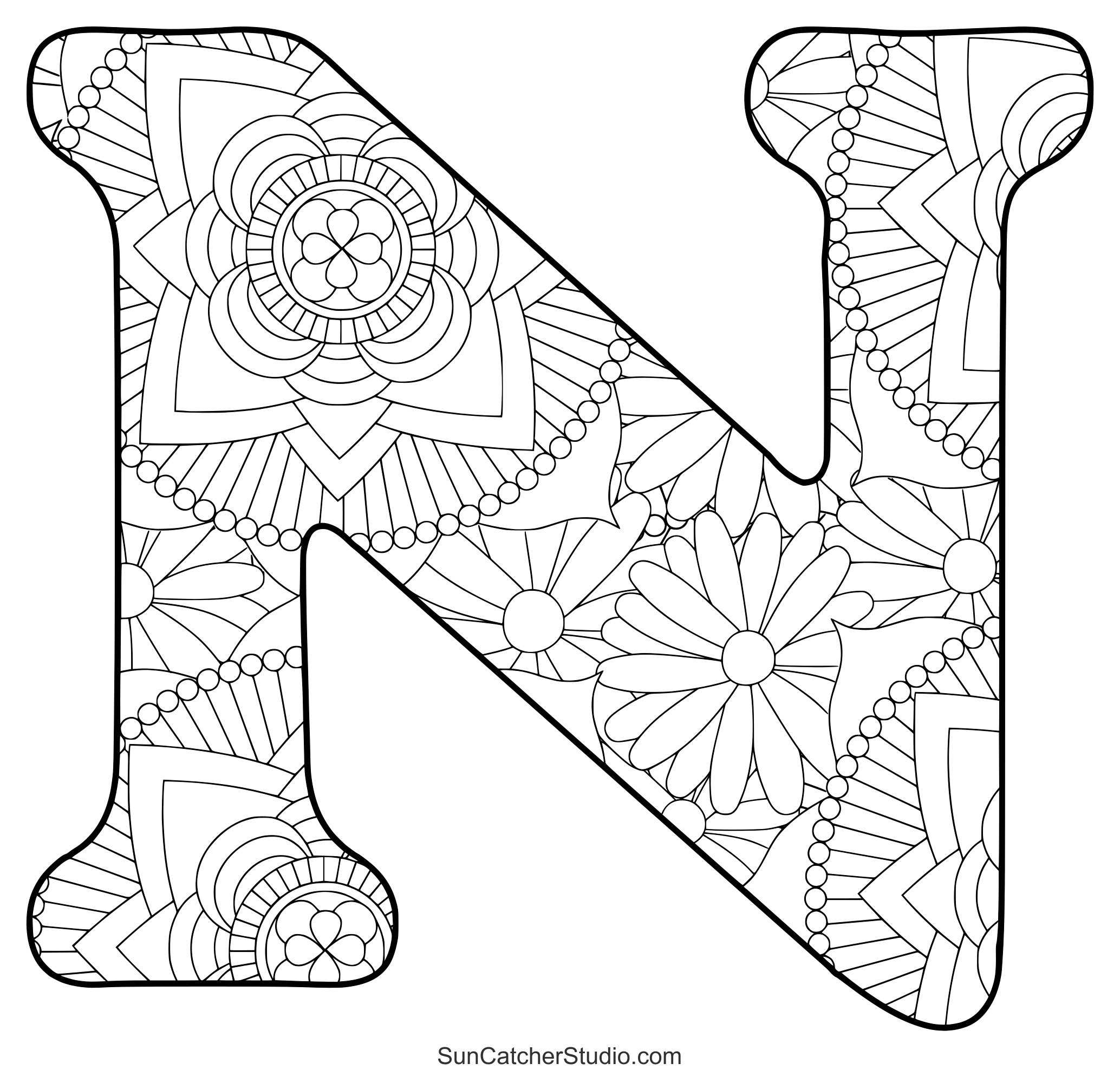
- Age Appropriateness: For younger children (ages 3-5), look for simple designs with large letters and minimal details. As they grow (ages 6-8), you can introduce more intricate designs that challenge their creativity.
- Theme Relevance: Consider integrating seasonal or holiday themes to keep the activity fresh and exciting. For instance, use designs featuring letters adorned with autumn leaves or snowflakes during winter.
- Variety of Styles: Kids have different tastes, so providing a mix of styles—playful, whimsical, or even educational—can cater to varied interests.
Implementing the Activity in the Classroom or at Home
To successfully implement coloring activities with Designs To Color In Letters, follow these practical steps:
Preparation
- Materials Needed: Gather a variety of coloring tools such as crayons, colored pencils, and markers. Ensure you have enough paper or printing supplies to accommodate all students.
- Print the Designs: Download the Designs To Color In Letters and print them on standard letter-size paper (8.5 x 11 inches) or cardstock for durability. If you plan to laminate them for reuse, cardstock is a better choice.
Step-by-Step Instructions
- Introduce the Activity: Explain to the children what they will be doing. Show them examples of the designs and discuss the letters they will be coloring.
- Demonstrate: Before letting them start, demonstrate how to color inside the lines and encourage them to experiment with different colors.
- Encourage Creativity: Allow children to express their creativity. They can create patterns, combine colors, or even add their own drawings around the letters.
- Monitor Progress: Walk around and observe their work. Check for mastery of fine motor skills and color recognition. If a child struggles with staying within the lines, gently guide them to practice more.
- Discuss the Letters: As they color, engage them in conversation about the letters they’re working on. Ask questions like, “What sound does this letter make?” or “Can you think of a word that starts with this letter?”
Assessing Mastery and Engagement
Measuring progress is crucial for understanding each child’s development. Here are some signs that a student has mastered the skills associated with this activity:
- Control and Precision: Children should show improvement in holding coloring tools and staying within the lines as they practice.
- Color Choices: Look for a variety of colors used creatively. This not only shows engagement but also indicates their ability to recognize and differentiate colors.
- Letter Recognition: When children can identify the letters they are coloring and relate them to words or sounds, it demonstrates their learning is taking hold.
Making It a Regular Activity
To maximize the benefits of Designs To Color In Letters, consider incorporating them into your regular teaching schedule. Here are a few suggestions for frequency and integration:
- Weekly Theme: Dedicate one day a week to coloring activities that align with your current lesson plans or themes. This repetition will reinforce letter recognition and creativity.
- Special Events: Use these designs during holidays, birthdays, or classroom parties as a fun and educational activity to keep kids engaged.
- Take-Home Projects: Send the designs home with students as part of a homework assignment. This allows parents to participate in their child’s learning and creativity.