
Daily Coloring Pages Alphabet Letters provide a unique way for young learners to engage with the alphabet while expressing their creativity. Unlike traditional worksheets, these coloring pages combine educational content with artistic activities, making learning enjoyable and effective. This resource is particularly beneficial for preschool and kindergarten teachers, as well as parents looking to supplement their home education efforts.
Understanding the Layout of Daily Coloring Pages
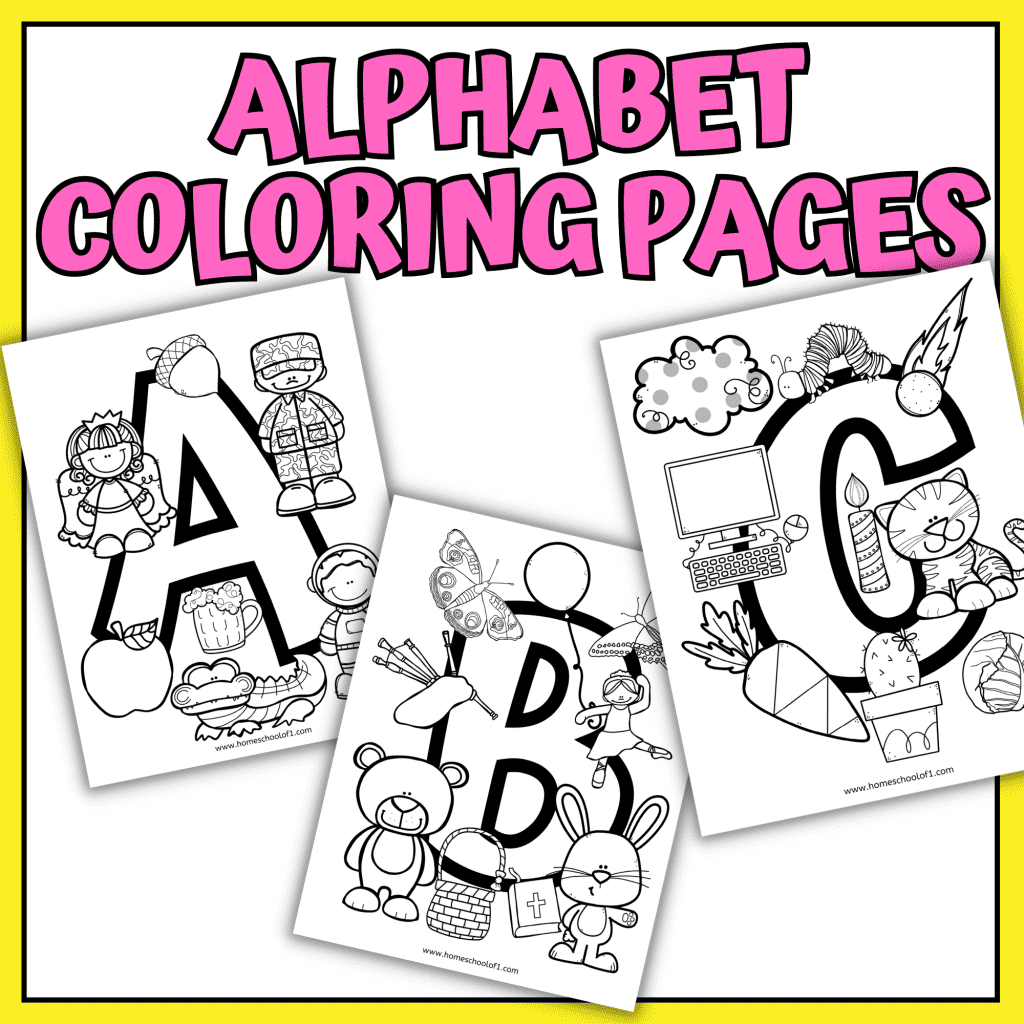
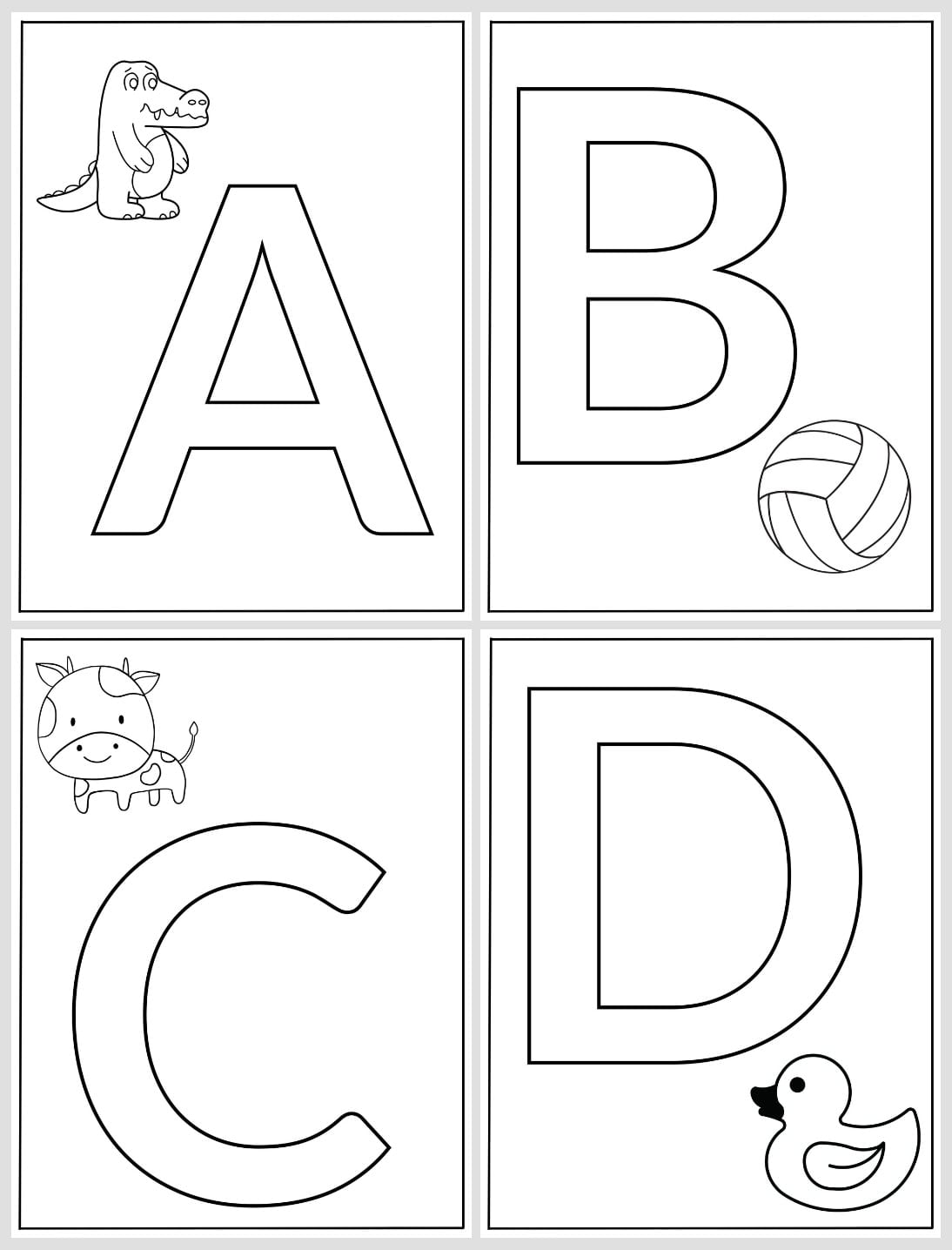
The design of Daily Coloring Pages Alphabet Letters is tailored to facilitate both learning and creativity. Each page typically features a large letter from the alphabet, often accompanied by relevant images or themes that correspond to that letter. For example, the letter “A” might be illustrated with an apple, while “B” could feature a butterfly. This not only helps children recognize letters but also connects them with words that begin with those letters.
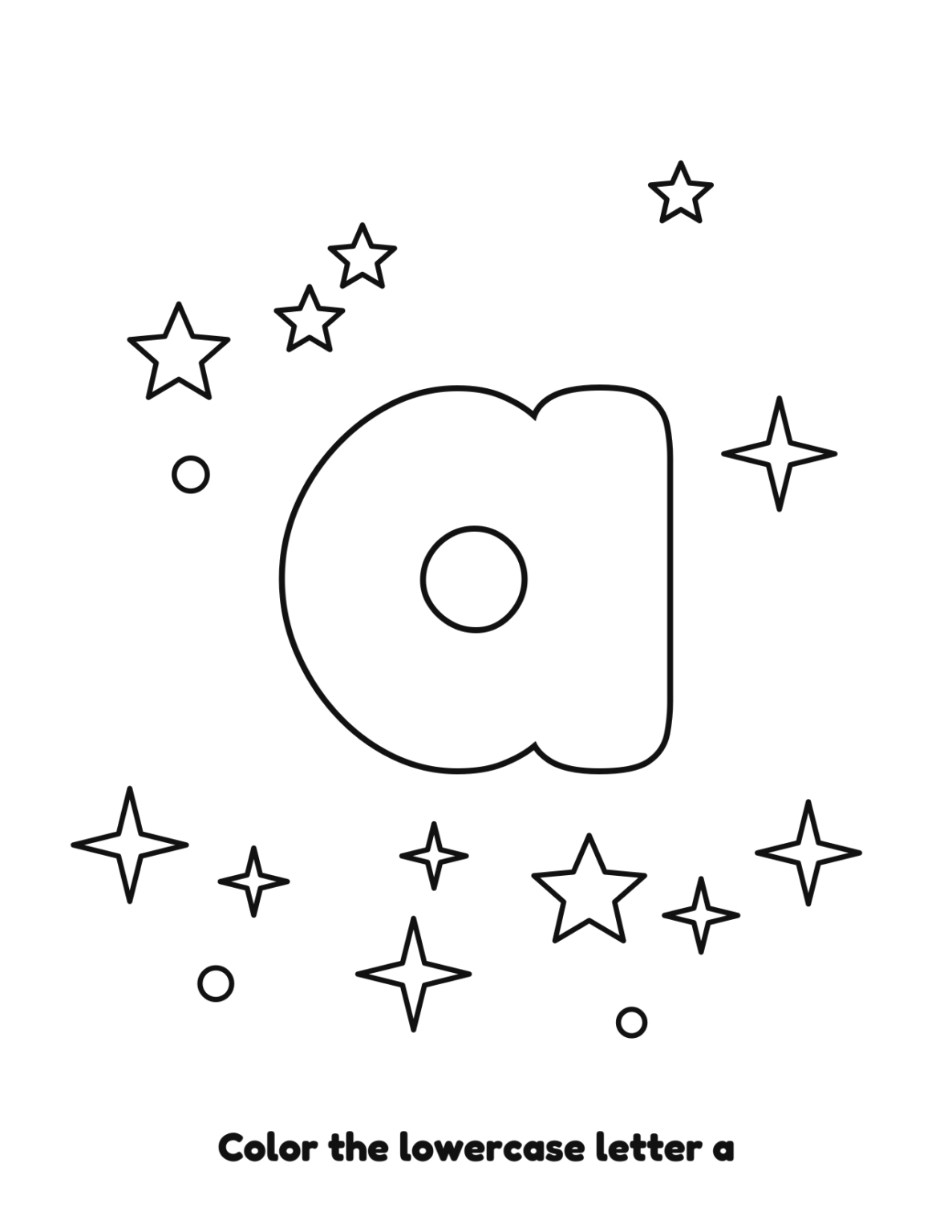
The layout is straightforward, allowing children to focus on one letter at a time. You’ll usually find a clear outline for coloring, with enough space for children to practice writing the letter both in uppercase and lowercase formats. This twofold approach reinforces letter recognition and writing skills simultaneously.
Age Appropriateness and Usage
These coloring pages are primarily designed for children aged 3 to 6, making them ideal for preschool and kindergarten settings. Teachers can use them as part of a larger lesson plan on phonics or the alphabet, or simply as a fun activity to break up more formal learning sessions.
At home, parents can incorporate Daily Coloring Pages Alphabet Letters into everyday learning routines. For instance, you could set aside a specific time each day for coloring, encouraging your child to associate letters with creativity, thus making learning a more enjoyable experience.
Mastering the Alphabet Through Coloring
As children color these pages, they engage multiple cognitive processes. Coloring helps improve fine motor skills, which are essential for writing. Additionally, as they color and recognize letters, children develop phonemic awareness, an important foundational skill for reading.
To assess progress, you can observe how confidently your child identifies letters and holds the coloring tools. Mastery looks like your child being able to both recognize the letter and articulate words that start with it. After several sessions, you can introduce simple words for them to color as well, further solidifying their understanding.
Practical Tips for Using Daily Coloring Pages
When using Daily Coloring Pages Alphabet Letters, consider these practical tips to maximize their effectiveness:
- Print Quality: Use high-quality paper for printing. Cardstock is a good option because it withstands coloring better and can be used with various media, like crayons, colored pencils, or markers.
- Coloring Tools: Provide a variety of coloring tools to keep the activity engaging. Crayons are great for younger children, while colored pencils can help older kids develop more precision.
- Time Management: Keep the coloring sessions short—around 15 to 20 minutes—to maintain focus and interest. You can gradually increase the time as children become more comfortable with the activity.
- Discussion: Use the coloring time to talk about the letter and related words. Ask questions like, “What color is the apple?” or “Can you think of another word that starts with ‘A’?” This dialogue reinforces learning.
Evaluating Progress and Mastery
To gauge how well your child is mastering the alphabet through these coloring pages, take note of the following:
- Recognizing Letters: Can your child identify the letters independently? This is a key indicator of learning.
- Writing Skills: As they practice writing letters on the pages, observe their grip and control over the writing instrument. Are they improving in their letter formation?
- Word Association: Can they name words that start with each letter? This connection is crucial for developing reading skills.
You can also create a simple tracking system, marking off letters as they are mastered. This visual representation can provide motivation and a sense of accomplishment.
Creative Extensions of Coloring Pages
Once your child becomes comfortable with the Daily Coloring Pages Alphabet Letters, consider extending the activity to deepen their learning experience:
- Alphabet Book: Encourage your child to create their own alphabet book. After coloring each page, they can staple them together, creating a personalized book that they can read and revisit.
- Story Time: Incorporate storytime with books that highlight the letters they’ve colored. This reinforces the connection between written and spoken language.
- Art Projects: Use the colored pages as a springboard for art projects. For instance, after coloring the letter “C,” you could do a craft related to cats or cars.
- Games: Turn learning into a game by asking your child to find objects around the house that start with the letter they just colored.
By creatively extending these activities, you can transform simple coloring into a comprehensive learning experience that nurtures a love for letters and words.
Daily Coloring Pages Alphabet Letters are not just about coloring; they are a gateway to foundational literacy skills. By incorporating these pages into your teaching or home learning routine, you’re setting the stage for a confident, enthusiastic reader. Whether you choose to print them on standard A4 paper or opt for a more durable cardstock, the key is to keep the activity engaging and interactive—because learning should always be fun!