
Cool Letters To Print And Color are an excellent resource for encouraging creativity and learning in children. These printable letters not only provide a fun coloring activity but also serve as a tool for educational purposes, such as letter recognition, phonics, and fine motor skills development.
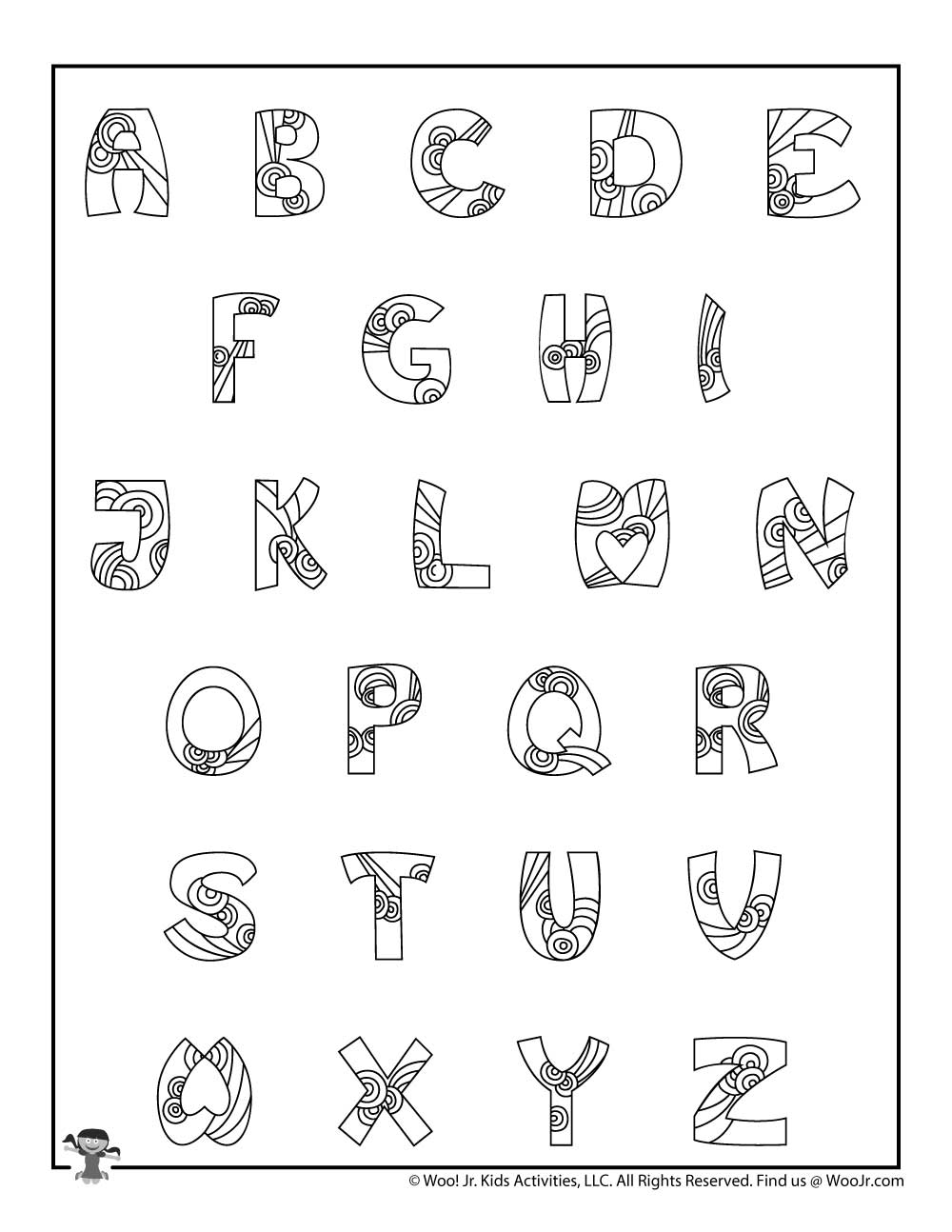
Benefits of Printable Coloring Letters
Using Cool Letters To Print And Color offers several benefits for children, particularly in a home or homeschool setting.
- Enhances Creativity: Kids can express their artistic flair by choosing their colors and designs.
- Supports Learning: Coloring helps reinforce letter recognition and phonics, making it easier for children to learn the alphabet.
- Fine Motor Skills Development: The act of coloring improves hand-eye coordination and fine motor skills, which are crucial for writing.
- Engagement: Fun and interactive, these letters can captivate children’s attention and encourage them to spend more time learning.
Choosing the Right Letters for Your Needs
When selecting Cool Letters To Print And Color, consider the following factors:
Age Appropriateness
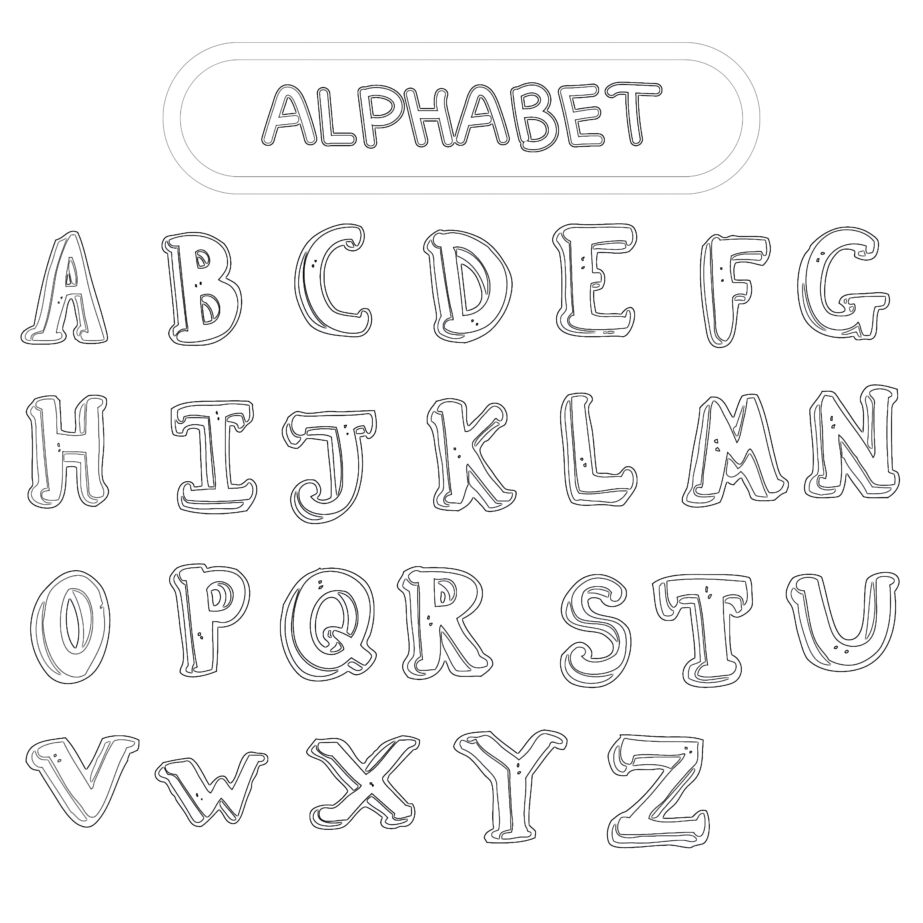
Different age groups will benefit from varying complexities in designs. For younger children (ages 3-5), simpler, bolder designs are ideal as they are easier to color within the lines. For older children (ages 6-10), more intricate designs can provide a greater challenge and allow for more creative expression.
Letter Styles
There are numerous styles available, including block letters, cursive, and decorative fonts. Block letters are straightforward and best for early learners, while cursive or stylized letters can be more visually stimulating for older kids. Choose a style that suits the learning objectives and the child’s interests.
Download Formats
Most printable letters come in PDF format, which is preferable for maintaining quality and ease of printing. PDFs usually ensure that the layout remains consistent across different devices and printers. Ensure that the chosen resource provides a PDF download option.
How to Use Coloring Letters Effectively
Integrating Cool Letters To Print And Color into your routine can be easy and fun. Here are some practical ideas:
Daily Coloring Time
Set aside a specific time each day for coloring activities. This can be a calming break during a busy afternoon or a structured part of the learning day.
Themed Activities
Incorporate the letters into themed learning sessions. For example, if the theme is animals, print letters that start with animal names (A for Alligator, B for Bear) and have children color those letters while discussing the animals.
Displaying Artwork
After the letters are colored, consider displaying them around the house or classroom. This not only boosts children’s confidence but also reinforces their learning as they see their work regularly.
Incorporating Other Subjects
Combine coloring with other subjects like science or math. For instance, while coloring the letter ‘M’, you could discuss mammals or even use it to practice simple math problems (like counting the number of ‘M’s in a word).
Recommended Resources for Printable Letters
Several websites offer high-quality Cool Letters To Print And Color. Here are a few trusted options:
- Teachers Pay Teachers: This platform has a variety of resources from different educators. You can find unique designs that may fit your specific needs.
- Education.com: Known for its educational resources, this site offers a great selection of printable letters with educational activities.
- Coloring Pages for Kids: This site specializes in printable coloring pages, including letters in various styles.
When choosing a resource, always check for reviews and print quality to ensure the best experience.
Tips for Printing and Coloring
To achieve the best results when printing and coloring, consider the following tips:
Paper Type
Using heavier paper, such as cardstock, can enhance the coloring experience. This type of paper holds up better against markers and watercolors, preventing bleed-through.
Printer Settings
For optimal results, adjust your printer settings to “Best Quality” when printing. This ensures that colors appear vibrant and that the lines are sharp, making it easier for children to color within the lines.
Coloring Tools
Provide a variety of coloring tools to keep the activity engaging. Crayons, colored pencils, markers, and even watercolors can be used to add depth and creativity to the letters.
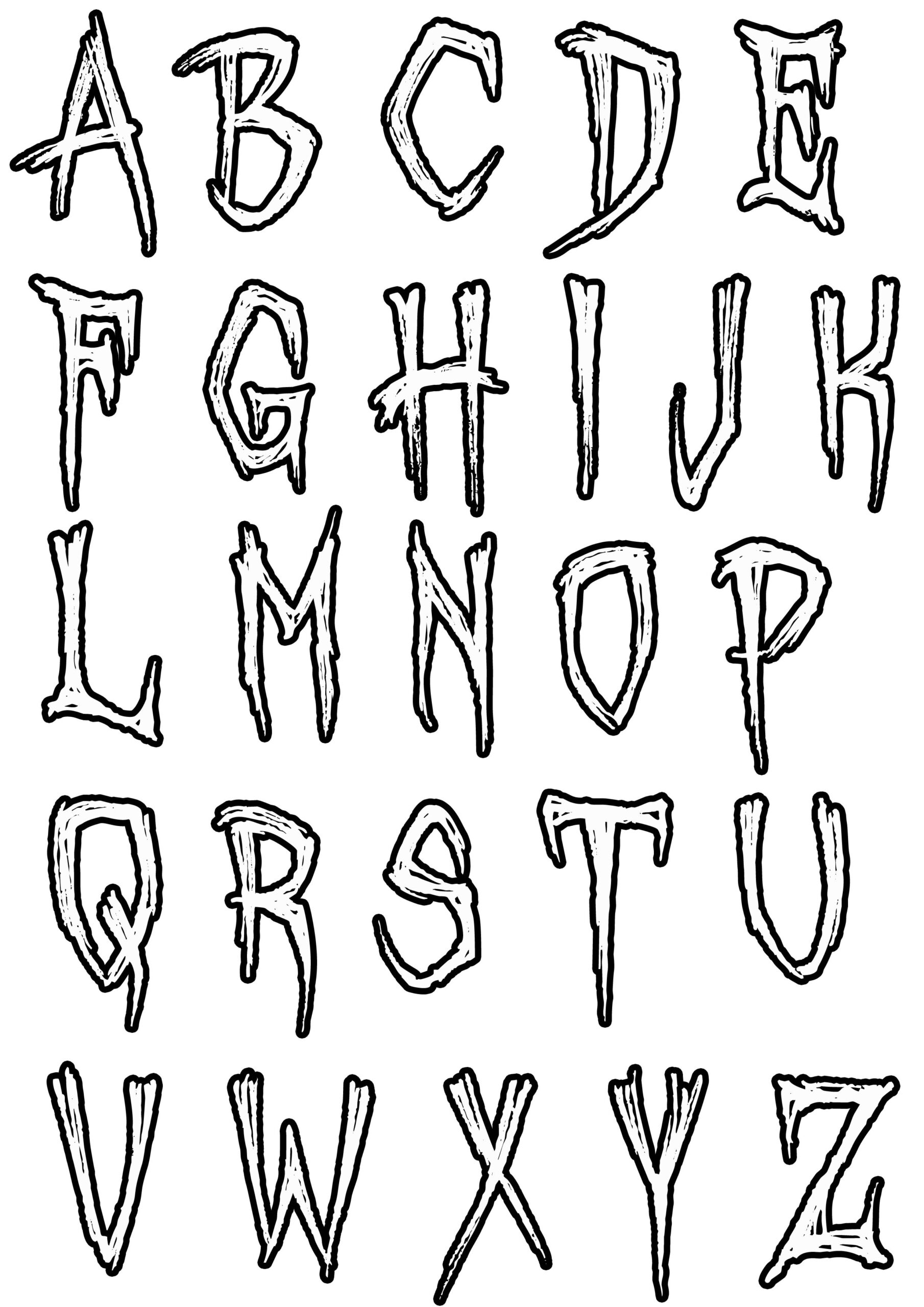
Encouraging Creativity Beyond Coloring
While coloring is a central activity, encourage children to explore their creativity in other ways using the printed letters:
Craft Projects
Transform colored letters into craft projects. For example, children can cut out the letters and glue them onto a poster board, creating a personalized name banner or an art collage.
Storytelling
After coloring, ask children to come up with a story that features the letter they colored. This activity promotes literacy and imaginative thinking, reinforcing the letter’s importance in language.
Games
Turn the letters into games. For instance, create a scavenger hunt where children find objects around the house that start with the letter they colored.