
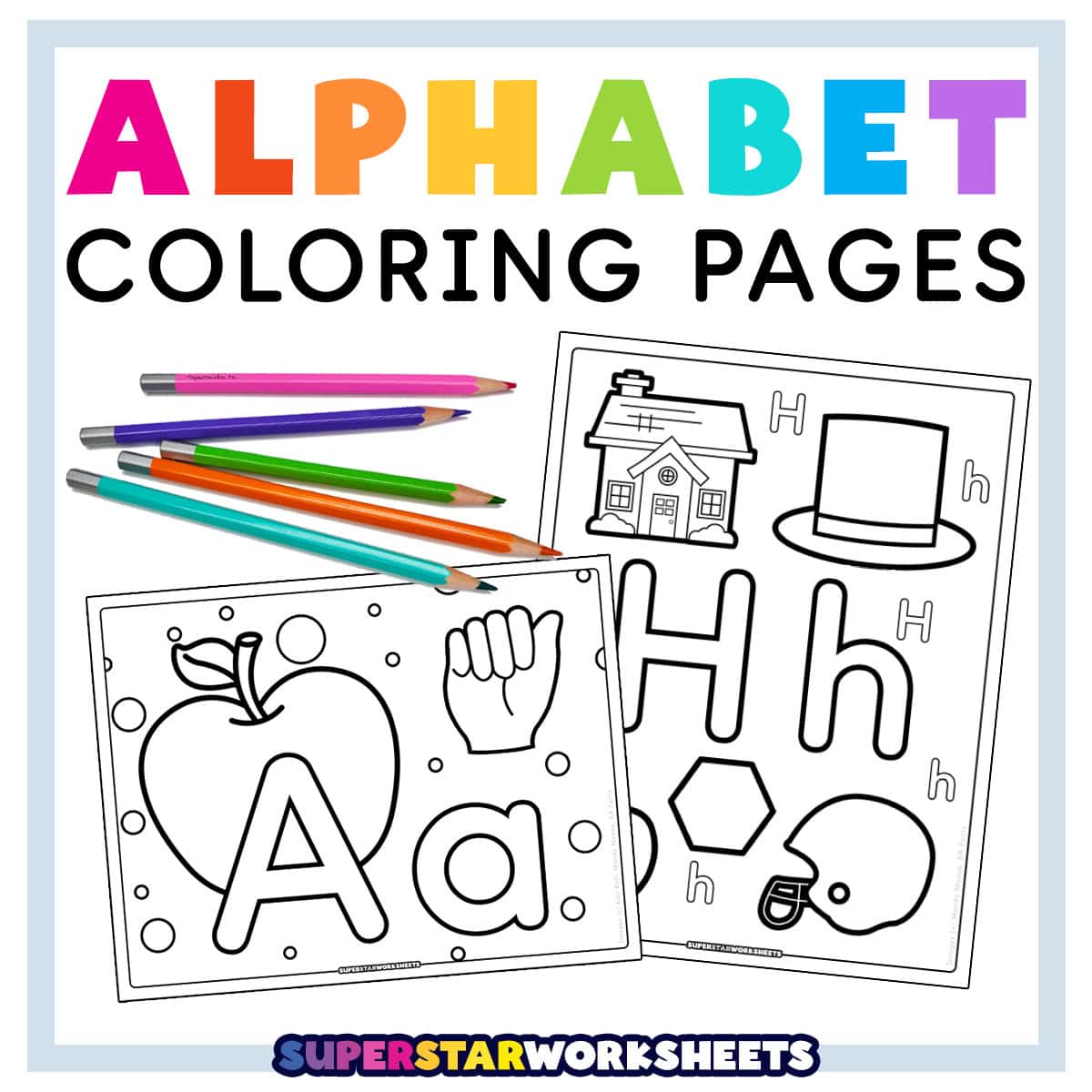
Colouring Pages For Kids Alphabet Letters are an exciting way to blend creativity with learning. These resources typically come in A4 size, making them easy to print at home or in the classroom. Designed primarily for preschool and early elementary students, these pages help reinforce letter recognition, phonetics, and fine motor skills as children color in the letters of the alphabet. With a variety of images related to each letter, these colouring pages encourage kids to connect letters with objects, enhancing both their vocabulary and understanding of the alphabet.
The Importance of Colouring Pages in Learning
Colouring pages serve more than just an artistic outlet; they are crucial tools in early childhood education. When children engage with Colouring Pages For Kids Alphabet Letters, they practice hand-eye coordination and develop their fine motor skills. Holding crayons or markers helps strengthen the muscles in their hands, which is essential for writing later on. Moreover, these pages can spark discussions about the letters and the words they represent, merging art with literacy.
Using these pages in the classroom can also foster a calm, focused environment. As children concentrate on their colouring, they often find a sense of peace that can enhance their overall learning experience. Teachers can encourage students to share what they’ve learned about each letter or word as they complete their artwork, promoting both verbal skills and confidence.
How to Use Colouring Pages for Maximum Impact
Integrating Colouring Pages For Kids Alphabet Letters into your lessons can be simple and effective. Here are some practical tips on how to make the most of these resources:
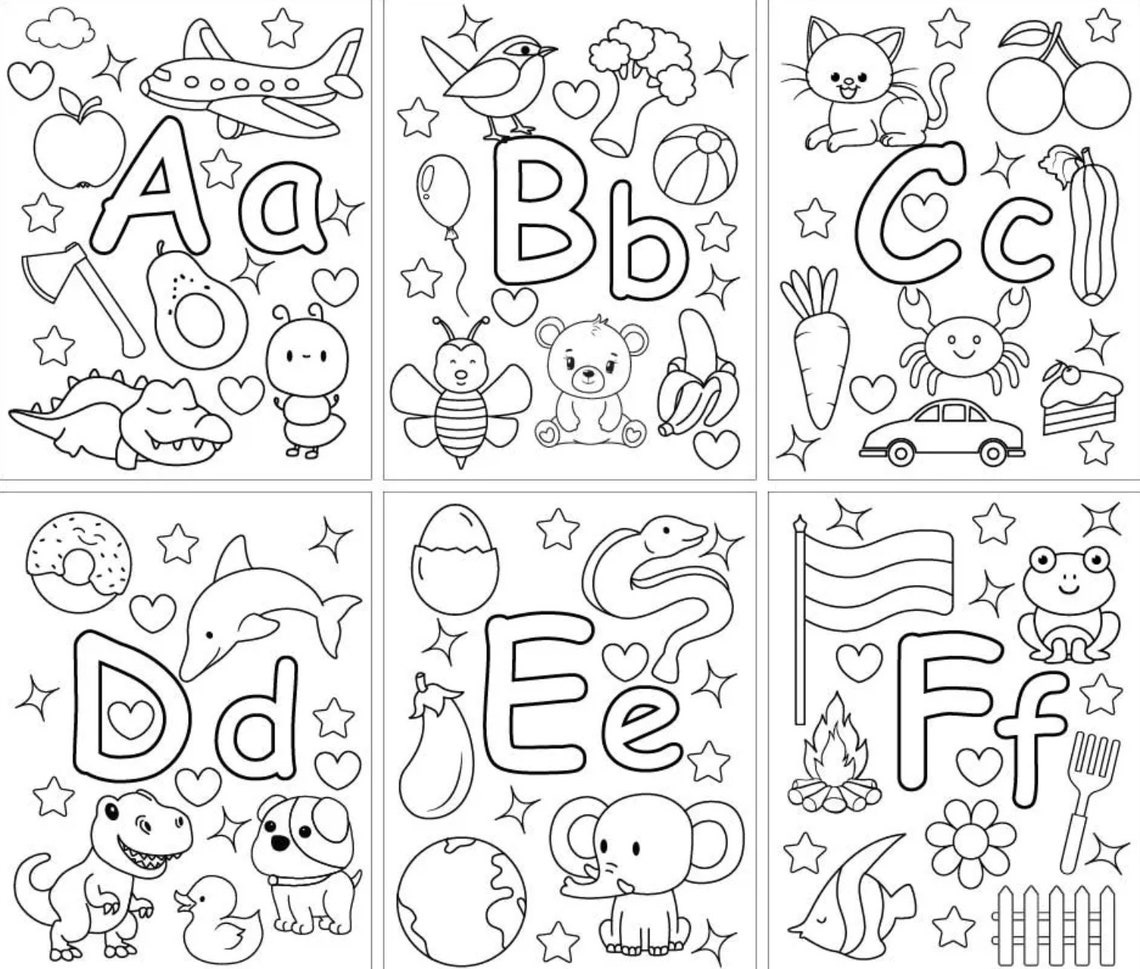
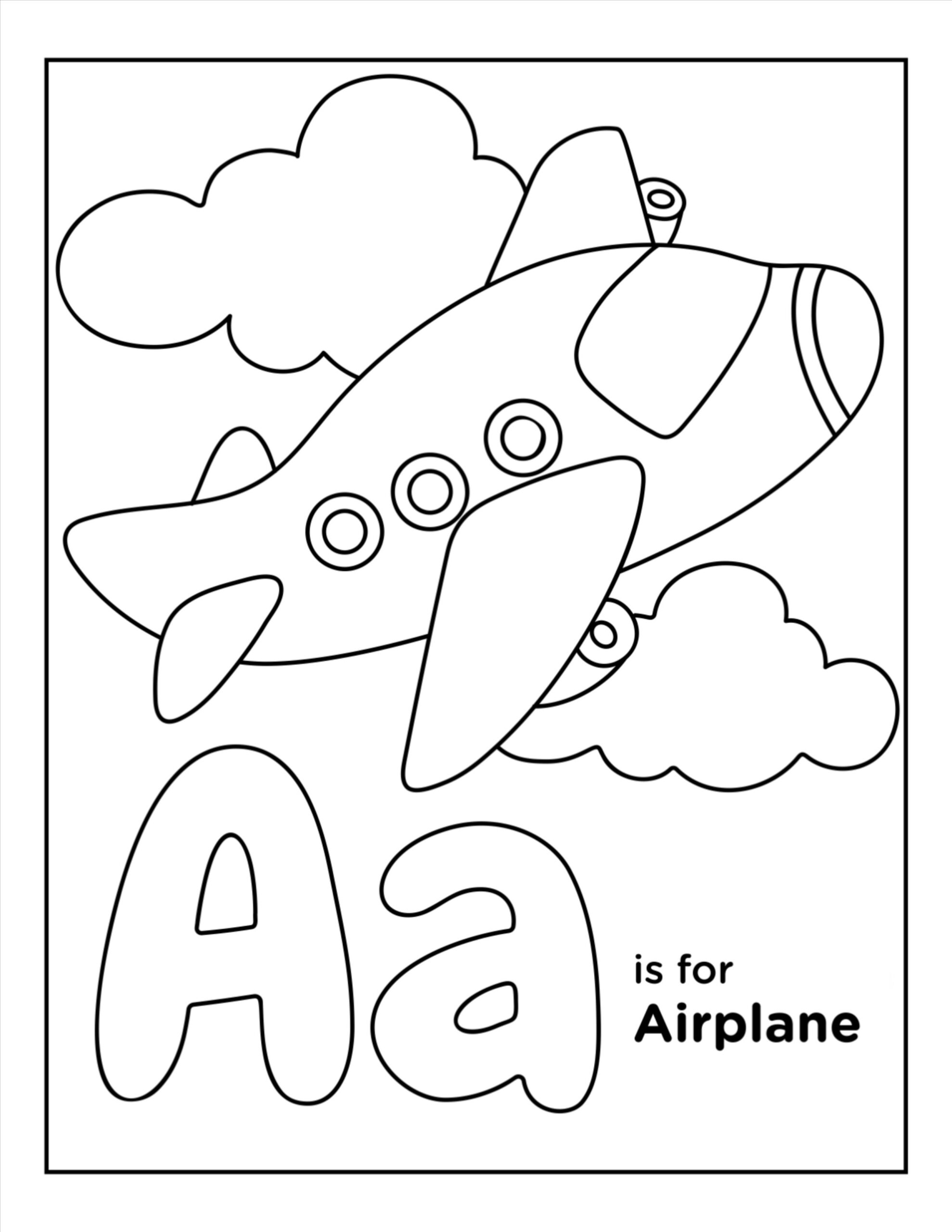
- Introduce Letters with Themes: Use the colouring pages to introduce letters alongside themed lessons. For example, if focusing on the letter ‘A’, you might include an apple and an alligator on the page. This not only reinforces the letter but also introduces relevant vocabulary.
- Pair with Phonics Activities: After colouring, have students practice the sounds associated with each letter. This reinforces their understanding and helps with phonetic recognition.
- Create a Letter of the Week: Dedicate each week to a different letter, allowing students to complete a colouring page for that letter. You can incorporate songs, stories, and games that also focus on that letter, creating a comprehensive learning experience.
- Display Their Work: Once completed, display the colouring pages around the classroom. This not only boosts confidence but also creates a visually stimulating environment that celebrates their efforts in learning.
- Encourage Storytelling: After colouring, ask students to create a short story using words that start with the letter they just coloured. This can be a fun way to enhance their vocabulary and storytelling skills.
Features of Ideal Colouring Pages
When choosing Colouring Pages For Kids Alphabet Letters, consider the following features to ensure they are engaging and educational:
- Clear, Bold Lines: The outlines should be easy to follow, allowing children to colour inside the lines without frustration. This helps build confidence in their colouring abilities.
- Relevant Illustrations: Each letter should be accompanied by illustrations that are not only fun but also educational. For example, ‘B’ could feature a bear, a ball, and a butterfly.
- Age-Appropriate Complexity: Ensure that the designs are suitable for the age group you are targeting. Simpler designs are better for younger children, while slightly more complex illustrations can be suitable for older preschoolers.
- Variety in Design: Offering a range of designs for each letter can keep children engaged. Some might enjoy cartoonish styles, while others may prefer more realistic illustrations.
Printing and Preparation Tips
To ensure a smooth experience when using Colouring Pages For Kids Alphabet Letters, here are some practical printing and preparation tips:
- Print on Quality Paper: Using thicker paper, such as cardstock, can prevent bleed-through from markers and allow for better colouring. This is particularly important if you plan to use watercolours or gel pens.
- Choose Portrait or Landscape Orientation: Portrait orientation usually works best for most home printers and is easier for children to handle. However, if your designs are wider, landscape may be preferable.
- Use Standard Sizes: Stick to standard sizes like A4 or Letter for ease of printing and storage. This makes it simple for teachers to keep the pages organized.
- Test Print Settings: Before printing a large batch, do a test print to ensure that the colours and details appear as intended. Adjust settings if necessary to achieve the best results.
Engaging Activities Beyond Colouring
While colouring is the primary activity, there are various ways to expand the learning experience with Colouring Pages For Kids Alphabet Letters:
- Cut and Paste Projects: After colouring, children can cut out their letters and paste them onto a larger poster board. This can be decorated with other items or words that start with the same letter.
- Alphabet Books: Create a classroom or home alphabet book where each child contributes a page. This can be a fun collaborative project that reinforces their learning.
- Interactive Games: Turn the letters into a game by having children find objects around the classroom that start with the same letters. This encourages movement and reinforces their learning in a playful way.
- Digital Versions: If you have access to tablets or computers, consider using digital colouring pages. This can be an engaging alternative for tech-savvy kids and allows for a different kind of creative expression.
Using Colouring Pages For Kids Alphabet Letters can significantly enhance children’s learning experiences. By combining creativity with education, these resources not only make learning fun but also lay the foundation for essential literacy skills. Make sure to explore various designs and teaching methods to find what best suits your classroom or home environment.