
Using coloured alphabet letters to print and cut out can be an engaging and effective tool for enhancing literacy skills in young learners. If you are a teacher in a classroom or a parent at home, these colorful letters can serve multiple purposes, from crafting to educational games. This article explores practical ways to incorporate these printable resources into your teaching or homeschooling routine.
Understanding the Resource
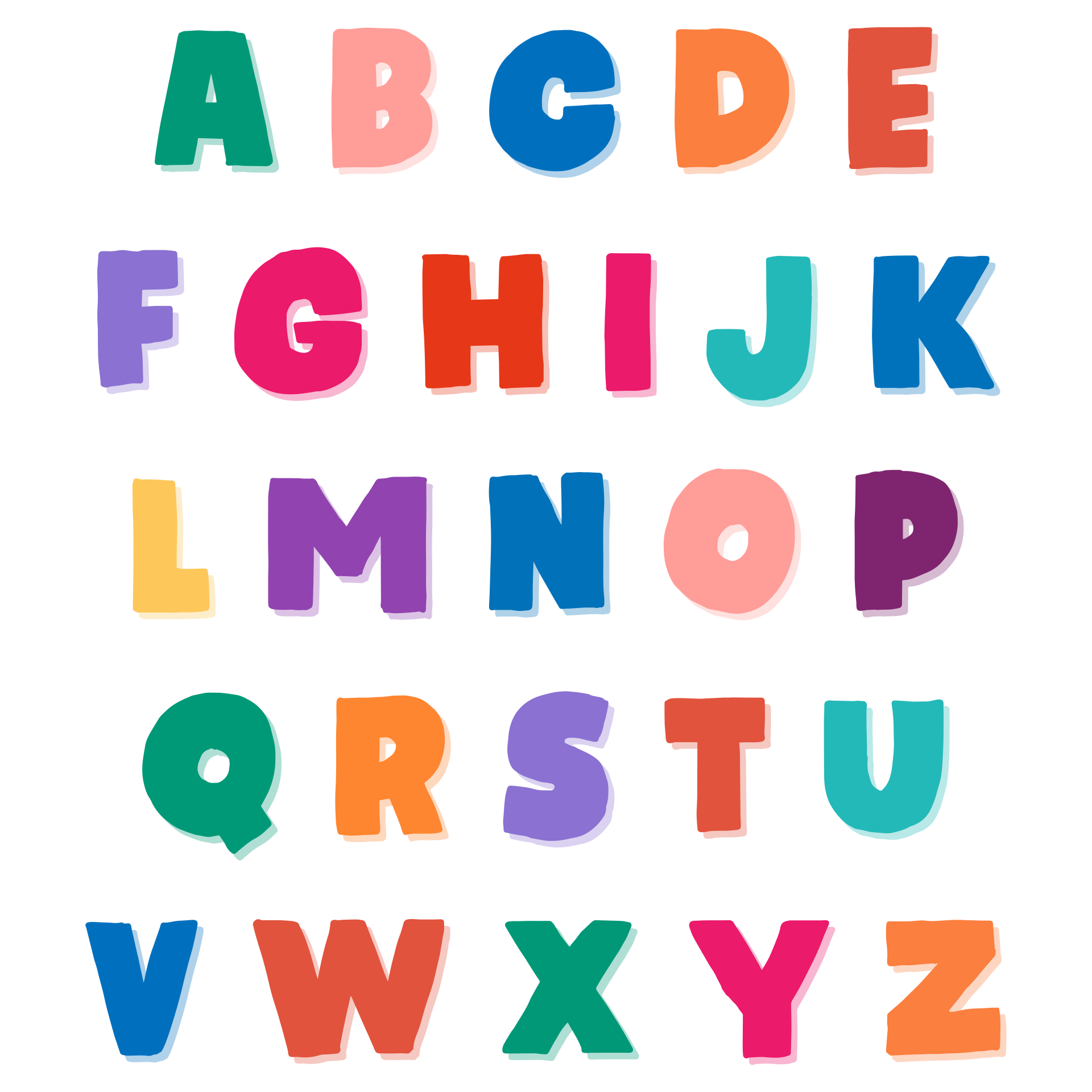
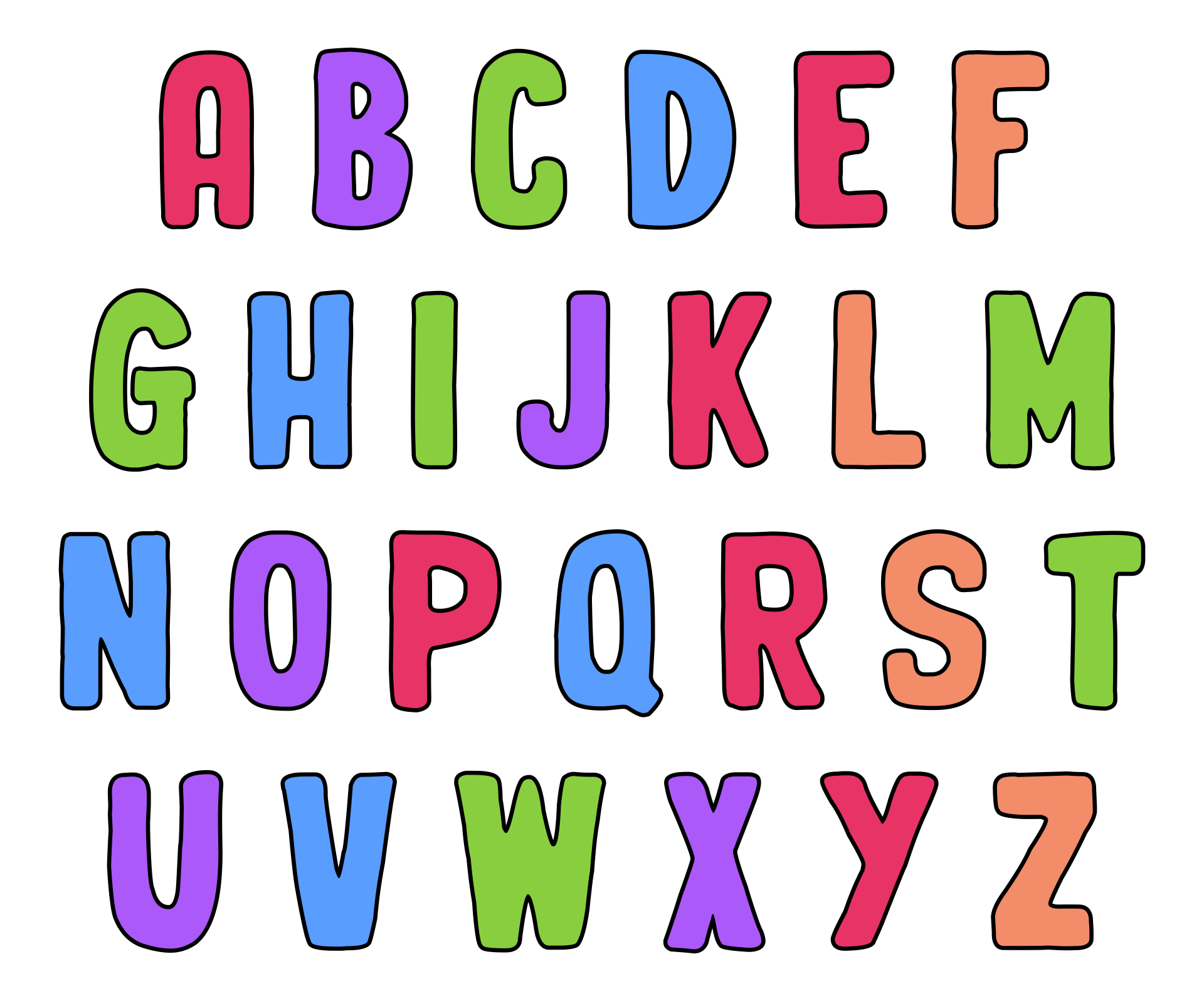
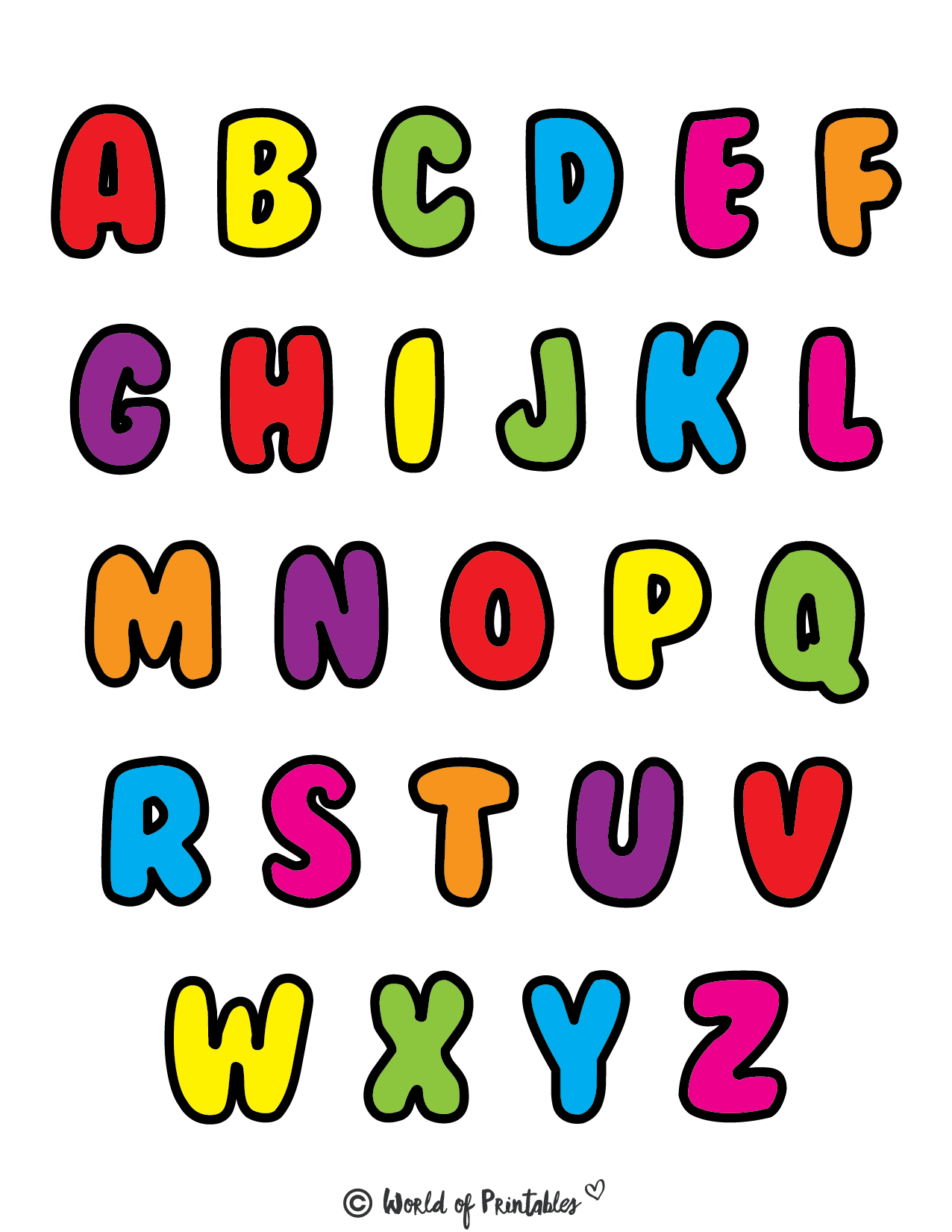
Coloured alphabet letters to print and cut out typically come in various styles and fonts, which can cater to different age groups and learning styles. You might find them in uppercase, lowercase, or even decorative formats, allowing you to choose what best suits your educational goals. These resources are usually available in PDF format, ensuring easy printing at home or in the classroom.
When selecting these letters, consider the specific needs of your students. For instance, younger children may benefit from larger, bolder letters that are easier to see and manipulate. In contrast, older students may appreciate more artistic designs that can enhance creative projects.
Practical Uses in the Classroom
One of the most straightforward uses for coloured alphabet letters is in creating a vibrant classroom environment. Here are some practical ideas:
- Alphabet Wall: Print and cut out the letters to create an eye-catching alphabet display on your classroom wall. This visual aid can help students with letter recognition and phonics.
- Flashcards: Use the letters to make flashcards for letter sounds, sight words, or spelling practice. Flashcards can be interactive and encourage students to engage in learning through games.
- Craft Activities: Incorporate the letters into craft projects. For example, students can create their own name tags, banners, or even collages, which reinforces letter recognition while allowing for creative expression.
Engaging Activities for Learning
To make learning with coloured alphabet letters even more effective, consider incorporating them into interactive activities. Here are a few suggestions:
Letter Scavenger Hunt
Create a scavenger hunt where students must find items around the classroom or home that start with each letter. As they find an item, they can match it with the corresponding letter. This hands-on activity reinforces letter sounds and encourages critical thinking.
Alphabet Games
Use the letters for various educational games. For example, you can:
- Memory Match: Create pairs of letters and play a memory matching game. This helps with memory recall and can be a fun way to review the alphabet.
- Letter Bingo: Create bingo cards with different letters and call out the letters for students to mark on their cards. This game can enhance listening skills while reinforcing letter recognition.
Assessing Mastery and Progress
To ensure that students are mastering their understanding of letters, it’s essential to assess their progress. Here are some practical ways to check understanding:
- Observation: Watch how students interact with the letters during activities. Are they able to identify and use them correctly? This can give you immediate feedback on their understanding.
- Worksheets: Create simple worksheets where students can trace letters or match letters with pictures. These worksheets can be printed alongside your coloured alphabet letters and used for assessment.
- Group Discussions: After activities, engage students in discussions about what they learned. Ask them to share examples of words that start with specific letters, which reinforces their learning and builds confidence.
Adapting for Different Learning Environments
Coloured alphabet letters can be adapted for various learning environments, whether in a traditional classroom or a homeschooling setup. Here are some considerations:
- Classroom Setup: In a classroom, you might have access to more resources and space for activities. Use bulletin boards to display letters and create interactive learning stations.
- Homeschooling: In a home setting, flexibility is key. You can easily print a set of letters and use them in daily activities, such as labeling household items or creating a family alphabet book.
Choosing the Right Materials
When printing your coloured alphabet letters, consider the following tips to enhance usability:
- Paper Type: For durability, print on cardstock rather than regular paper. Cardstock holds up better, especially if you plan to laminate the letters for repeated use.
- Print Settings: Adjust your printer settings to ensure that colors are vibrant and letters are clearly defined. A portrait layout often works best for most home printers.
- Size: Choose a size that is appropriate for your students. Larger letters can be easier for younger children to handle, while smaller letters can be used for more advanced activities.